
African Swan Milkweed Seeds – Gomphocarpus fruticosus – 10 Seeds – Herb Seeds
Original price was: 48.99 $.23.99 $Current price is: 23.99 $.
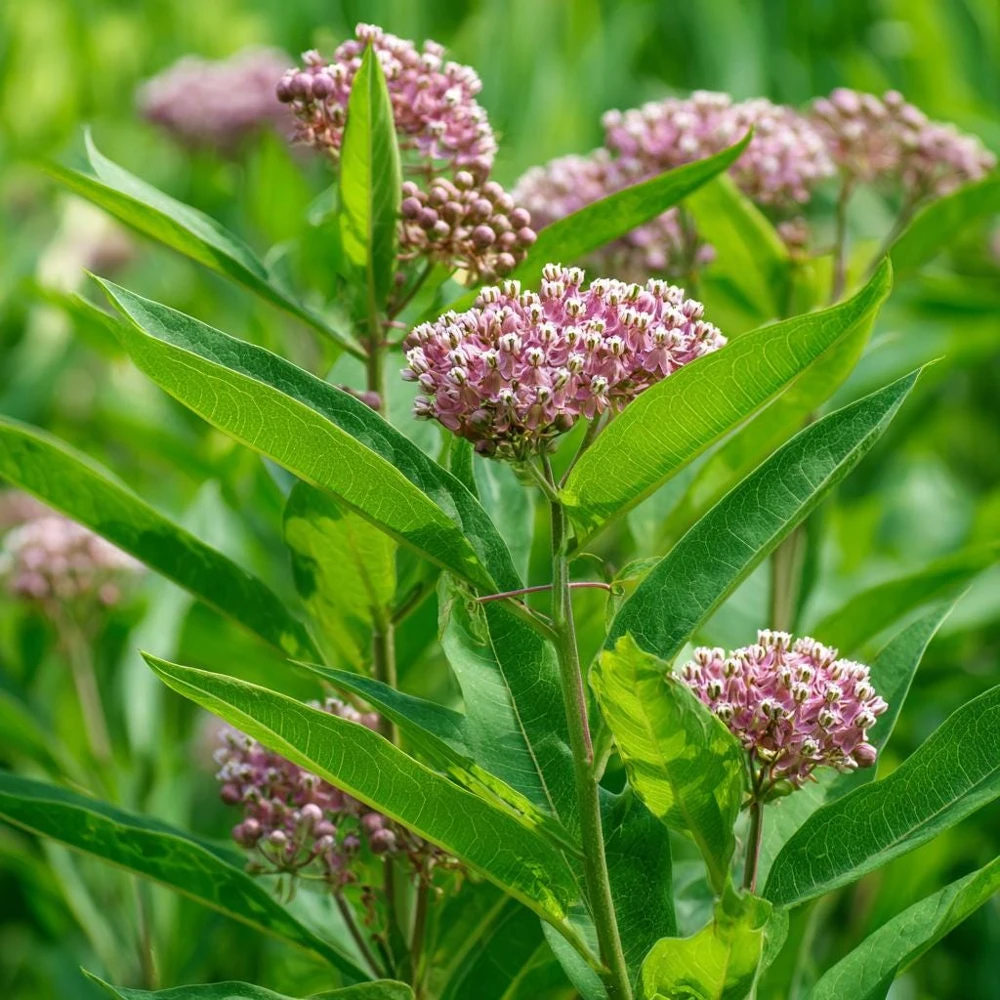
Cultivate striking African Swan Milkweed seeds (Gomphocarpus fruticosus) in your garden. This unique plant, also known as Swan Plant or Family Jewels, produces fascinating seed pods and attracts monarch butterflies. Easy to grow and a captivating addition to any landscape.
Estimated arrival
Oct 15
Oct 20 - Oct 22
Oct 22 - Oct 27
See our Shipping Policy.
Get in touch with us via email, and our team will review your concerns.
Our Alive & Thrive Guarantee covers issues with your plants within the first 30 days. Read our Refund & Returns Policy.
-
USDA Hardiness Zone
USDA zones 8-11 (perennial), otherwise grown as an annual -
Soil Type
Well-draining soil, sandy loam -
Sunlight Exposure
Full sun -
Expected Planting Period
Spring after last frost
Overview
Embark on a rewarding gardening journey with these high-quality African Swan Milkweed seeds. Known botanically as Gomphocarpus fruticosus, this remarkable plant is celebrated for its distinctive, swan-shaped seed pods and its vital role in supporting monarch butterfly populations. Often referred to as Swan Plant or even “Family Jewels” due to its unusual fruit, African Swan Milkweed is a conversation starter in any garden. These seeds offer an excellent opportunity to cultivate a unique specimen that combines ornamental appeal with ecological benefit, making it a perfect choice for both seasoned gardeners and enthusiastic beginners.
Growing African Swan Milkweed seeds allows you to witness the full life cycle of this intriguing plant, from germination to flowering and the formation of its iconic pods. It’s an excellent educational plant, especially for children, as they can observe monarch caterpillars feeding on its leaves. This species thrives in various climates and is relatively low-maintenance once established, promising a bountiful display of its unusual fruits and delicate white flowers throughout the growing season. Add a touch of the extraordinary to your garden with these easy-to-grow seeds.
Key Benefits
Introducing African Swan Milkweed seeds into your garden brings a multitude of advantages, enhancing both its aesthetic appeal and ecological value. This plant offers unique visual interest and plays a crucial role in supporting local wildlife.
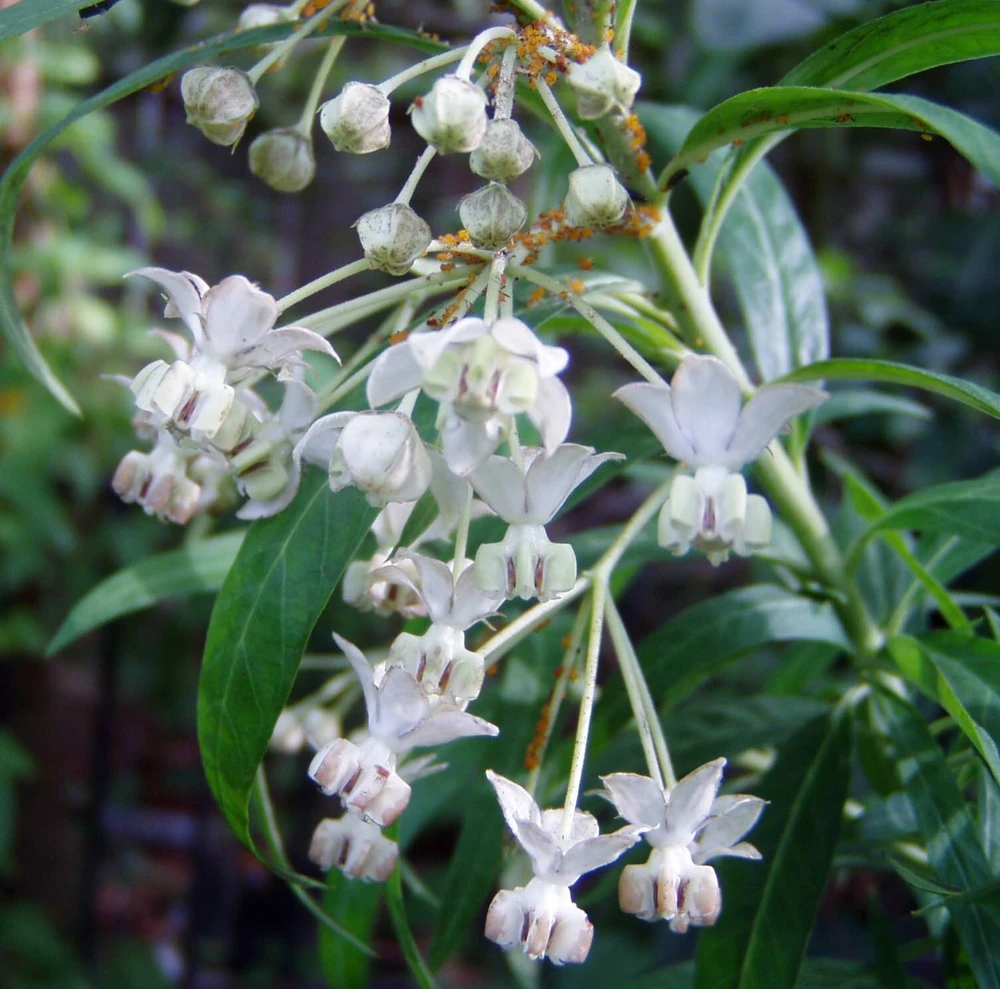
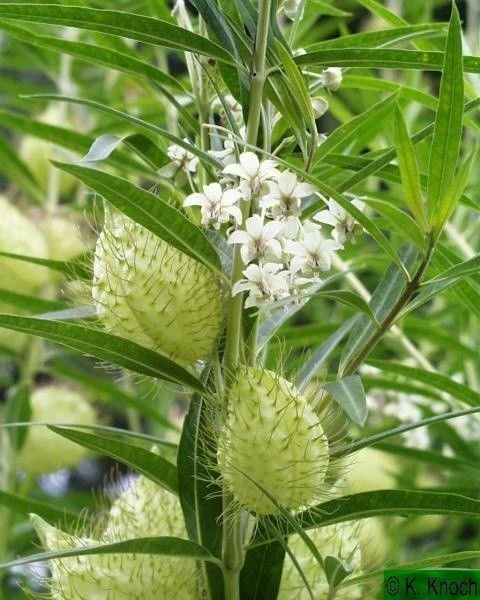
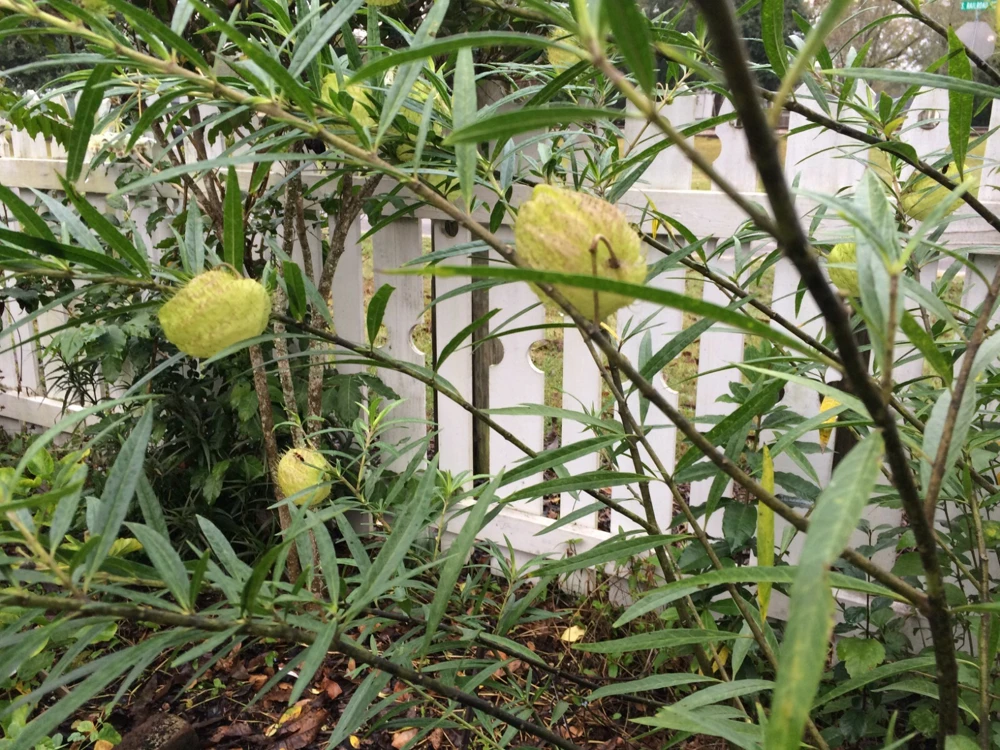
- Unique Ornamental Appeal: The most striking feature of the African Swan Milkweed is its fascinating, balloon-like seed pods that resemble a swan in flight. These pods provide exceptional visual interest, making it a focal point in any garden or floral arrangement. The delicate white flowers also add a subtle beauty before the pods fully develop.
- Monarch Butterfly Host Plant: As a member of the milkweed family (Asclepias genus), Gomphocarpus fruticosus is an essential host plant for monarch butterfly caterpillars. Planting these swan plant seeds helps create a vital habitat, providing food and shelter for these beautiful pollinators, thereby contributing to their conservation.
- Drought Tolerant and Low Maintenance: Once established, African Swan Milkweed is remarkably drought-tolerant, requiring minimal watering. This makes it an ideal choice for gardeners looking for resilient plants that can thrive in drier conditions or those who prefer a low-maintenance garden.
- Easy to Grow from Seed: These Gomphocarpus fruticosus seeds are relatively easy to germinate and grow, making them suitable for gardeners of all experience levels. With proper care, you can expect vigorous growth and a successful harvest of pods.
- Educational Value: Observing the life cycle of the monarch butterfly on the African Swan Milkweed provides an enriching educational experience for families and children, fostering an appreciation for nature and ecological processes. It’s a living lesson in biodiversity right in your backyard.
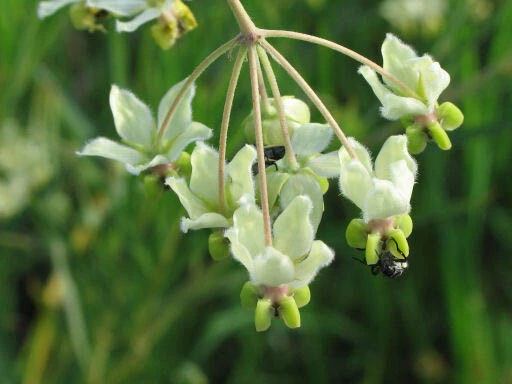
- Attracts Pollinators: Beyond monarchs, the flowers of the African Swan Milkweed attract a variety of other beneficial pollinators, including bees and other butterflies, promoting a healthy and vibrant garden ecosystem.
Plant Care & Growing Tips
Successfully growing African Swan Milkweed seeds requires attention to a few key environmental factors, ensuring healthy germination and robust plant development. This plant is known for its resilience, but providing optimal conditions will lead to the best results. Start by preparing a well-draining soil mix, as good drainage is crucial to prevent root rot. A sandy loam or a general potting mix amended with perlite or coarse sand works well. Sow the seeds directly outdoors after the last frost date, or start them indoors 6-8 weeks before transplanting.
When it comes to sunlight, Gomphocarpus fruticosus thrives in full sun, meaning at least 6-8 hours of direct sunlight per day. Adequate sunlight is essential for strong growth, abundant flowering, and the development of the characteristic swan pods. Water the plants regularly during their establishment phase, keeping the soil consistently moist but not waterlogged. Once mature, African Swan Milkweed becomes quite drought-tolerant, requiring less frequent watering, especially in cooler climates. Fertilization is generally not heavily needed; a balanced, slow-release fertilizer applied once in spring can be beneficial for promoting lush growth. Monitor for common pests like aphids, which can be managed with insecticidal soap or by introducing beneficial insects. Understanding how to cultivate milkweed for monarchs is vital for their survival.
For colder regions, African Swan Milkweed is typically grown as an annual, but it can be perennial in warmer USDA zones (zones 8-11). In areas with mild winters, it may self-seed, providing new plants each year. Pruning can help maintain a bushy shape and encourage more flowering and pod production. Deadheading spent flowers can also prolong the blooming period. By following these guidelines, your perennial milkweed seeds will develop into a thriving, beautiful, and ecologically valuable addition to your garden.
Size & Details
These African Swan Milkweed seeds will grow into plants that typically reach a height of 3 to 6 feet (90-180 cm) with a spread of 2 to 3 feet (60-90 cm) at maturity, depending on growing conditions and climate. The plant produces delicate white flowers followed by its distinctive, fuzzy, swan-shaped seed pods, which can be several inches long. The seeds are shipped in a protective packet, ensuring viability upon arrival. Expect germination within 10-21 days under optimal conditions. The plant has a moderate to fast growth rate, quickly establishing itself to provide a season of ornamental interest and support for monarch butterflies. It ships as a packet of 10 viable seeds, ready for planting.
Frequently Asked Questions
- Q: How big does African Swan Milkweed get? A: African Swan Milkweed typically grows to be 3 to 6 feet tall and about 2 to 3 feet wide, forming a bushy plant that stands out in the garden. Its size can vary based on growing conditions and climate.
- Q: Is this an indoor or outdoor plant? A: While it can be started indoors, African Swan Milkweed seeds are primarily grown as outdoor plants. They thrive in full sun and are well-suited for garden beds, borders, or large containers in a sunny location.
- Q: How much sunlight does African Swan Milkweed need? A: This plant requires full sun, meaning at least 6 to 8 hours of direct sunlight per day, to achieve optimal growth, flowering, and pod production. Less sun may result in leggy growth and fewer pods.
- Q: Is this plant easy to care for? A: Yes, African Swan Milkweed is considered relatively easy to care for, especially once established. It’s drought-tolerant and doesn’t require extensive fertilization, making it a good choice for gardeners of all skill levels.
- Q: What condition will the seeds arrive in? A: The Gomphocarpus fruticosus seeds will arrive in a sealed, protective packet to ensure their freshness and viability. They are carefully packaged to prevent damage during transit.
- Q: How long until African Swan Milkweed blooms and produces pods? A: From seed, African Swan Milkweed typically blooms in late summer to early autumn, with the distinctive swan-shaped pods developing shortly after the flowers. The entire process usually takes one growing season.
- Q: Will African Swan Milkweed survive winter in my zone? A: In USDA zones 8-11, African Swan Milkweed can be a perennial, returning each year. In colder zones, it is typically grown as an annual and will need to be replanted from perennial milkweed seeds each spring.
- Q: Can these seeds attract monarch butterflies? A: Absolutely! As a type of milkweed, African Swan Milkweed seeds are specifically known for attracting monarch butterflies, serving as a crucial host plant for their caterpillars and providing nectar for adult butterflies.
- Q: What is the best soil type for these seeds? A: The best soil type for African Swan Milkweed is well-draining soil, such as a sandy loam. Good drainage is essential to prevent waterlogging and ensure healthy root development for your swan plant seeds.
- Q: How do I prepare the seeds for planting? A: While often not strictly necessary, some gardeners choose to cold stratify African Swan Milkweed seeds for a few weeks to improve germination rates. Otherwise, simply sow them directly into prepared soil at the appropriate time.
Be the first to review “African Swan Milkweed Seeds – Gomphocarpus fruticosus – 10 Seeds – Herb Seeds”
Related products




You May Like

Hardneck vs. Softneck Garlic: Which Should You Grow?
Have you ever stood in front of a seed catalog in mid-September, staring at dozens [...]
Oct

When to Plant Music Garlic: Ultimate US Fall Guide
Have you ever spent your fall weekend placing carefully chosen garlic cloves into rich, dark [...]
1 Comment
Oct

5 Best Bulbs for Fall Planting: Brighten Your Garden This Spring
Are you dreaming of a garden full of vibrant colors in the spring? The key [...]
Aug

10 Houseplants That Will Thrive in Your Kitchen
Are you tired of your kitchen feeling dull and lifeless? Want to add a little [...]
1 Comment
Aug
Reviews
There are no reviews yet.