
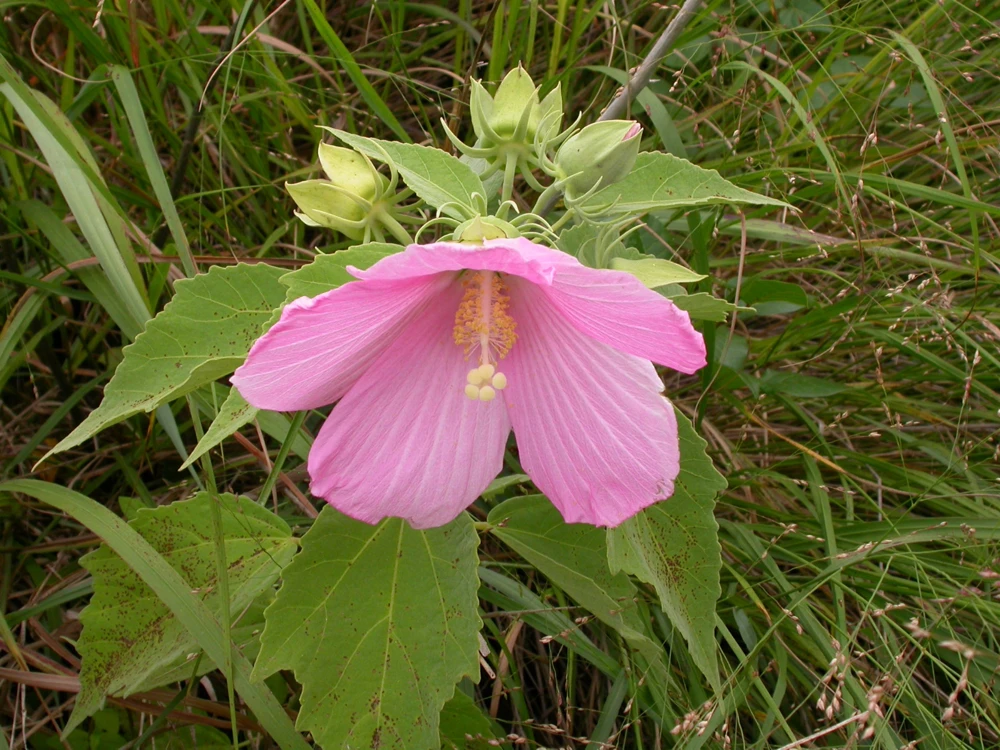
Rose Mallow Seeds (Hibiscus palustris) – 10 Perennial Flower Seeds
Original price was: 44.99 $.19.99 $Current price is: 19.99 $.
Cultivate stunning native blooms with these Rose Mallow seeds (Hibiscus palustris). Each pack contains 10 perennial flower seeds, ideal for creating vibrant garden displays. Enjoy large, showy flowers that attract pollinators and thrive in sunny, moist conditions.
Estimated arrival
Oct 15
Oct 20 - Oct 22
Oct 22 - Oct 27
See our Shipping Policy.
Get in touch with us via email, and our team will review your concerns.
Our Alive & Thrive Guarantee covers issues with your plants within the first 30 days. Read our Refund & Returns Policy.
-
USDA Hardiness Zone
USDA Zones 5-9 -
Soil Type
Moist, rich, loamy soil -
Sunlight Exposure
Full sun -
Expected Planting Period
Spring
Overview
Embark on a delightful gardening journey with our premium Rose Mallow seeds. Also known as Hibiscus palustris, these seeds offer the unique opportunity to grow a magnificent native perennial renowned for its breathtaking, large, and showy flowers. Often found in wetland areas, riverbanks, and marshy grounds, the Rose Mallow plant brings a touch of wild elegance to any garden setting. Each packet contains 10 high-quality seeds, ready to be sown and transformed into spectacular flowering plants. Perfect for gardeners looking to introduce a robust, beautiful, and low-maintenance perennial, these Hibiscus palustris seeds promise a summer full of vibrant blooms and buzzing pollinators.
The Rose Mallow is celebrated for its impressive stature and striking blossoms that can range from white to various shades of pink, often with a darker throat. These plants are incredibly resilient and adapt well to various conditions, especially thriving where moisture is abundant. Growing your own Rose Mallow seeds allows you to witness the full life cycle of this remarkable plant, from a tiny seed to a towering perennial adorned with dinner-plate-sized flowers.
Key Benefits
Planting Rose Mallow seeds offers a multitude of benefits, transforming your garden into a vibrant ecosystem and visual delight. These hardy perennials are a fantastic choice for both novice and experienced gardeners seeking impactful results with relatively minimal effort.
- Spectacular Floral Display: Enjoy large, showy flowers, often 4-6 inches across, that bloom profusely throughout the summer and into early fall. These impressive blossoms create a dramatic focal point in any garden.
- Attracts Pollinators: The vibrant flowers are a magnet for essential garden visitors, including bees, butterflies, and hummingbirds, contributing to the health and biodiversity of your local ecosystem.
- Thrives in Moist Conditions: Unlike many plants, Rose Mallow excels in areas with consistently moist soil, making it perfect for rain gardens, pond edges, or naturally damp spots where other plants might struggle.
- Low Maintenance Perennial: Once established, these plants are relatively easy to care for. They are quite tolerant of various soil types and generally pest-resistant, requiring less intensive care than many other flowering perennials.
- Native Plant Appeal: As a native species, Hibiscus palustris seeds help support local wildlife and contribute to regional ecological balance, making them an excellent choice for naturalized landscapes.
- Versatile Garden Use: Ideal for borders, mass plantings, wetland gardens, or as a striking specimen plant, the Rose Mallow adapts to various landscape designs, adding height and significant visual interest.
- Robust and Resilient: These plants are known for their hardiness and ability to return year after year, providing reliable beauty and structure to your garden for many seasons.
Plant Care & Growing Tips
Successfully growing Rose Mallow seeds requires understanding their preferred conditions, which primarily revolve around sunlight and moisture. These plants are sun-lovers and perform best when they receive at least six hours of direct sunlight per day. In hotter climates, some afternoon shade can be beneficial to prevent scorching, but full sun is generally ideal for robust growth and abundant flowering. When planting your perennial flower seeds, choose a location that receives ample light and has access to consistent moisture.
Watering is crucial for Rose Mallow. They naturally thrive in moist to wet soils, so ensure the soil remains consistently damp, especially during dry spells and the initial establishment phase. Do not let the soil dry out completely. For soil, a rich, loamy, well-draining soil with good organic content is preferred, but they are quite adaptable and can tolerate clay soils as long as moisture is consistent. The ideal pH range is slightly acidic to neutral (6.0-7.0). These plants are hardy in USDA Zones 5-9, tolerating a good range of temperatures, but mulching in colder zones can help protect the roots over winter.
Fertilization can be done annually in spring with a balanced slow-release granular fertilizer or a liquid feed every few weeks during the growing season to encourage vigorous growth and flowering. Deadheading spent blooms can encourage more flowers, though it’s not strictly necessary for plant health. In late fall, after the first hard frost, the plant will die back to the ground. You can trim the stems back to about 4-6 inches from the ground level. New growth will emerge vigorously from the base in spring, making wetland plant seeds a rewarding choice for a vibrant garden.
Size & Details
Our offering includes 10 Rose Mallow seeds (Hibiscus palustris), providing a generous start for your garden project. Once established, these impressive perennials can reach a substantial size, typically growing between 3 to 7 feet tall and spreading 2 to 4 feet wide, creating a significant presence in the landscape. The growth rate is moderate to fast, with plants often blooming in their second year from seed, although some may produce flowers in their first year under optimal conditions. The large, dinner-plate-sized flowers typically measure 4 to 6 inches in diameter, making a bold visual statement.
These ornamental hibiscus seeds are packed to ensure viability and are ready for planting. Rose Mallow is a herbaceous perennial, meaning its top growth dies back in winter, and new shoots emerge from the root crown in spring. This natural cycle ensures a fresh, vigorous display each year. For best results, sow seeds in late winter or early spring after a period of cold stratification, or directly sow outdoors after the last frost. Expect a long blooming season from mid-summer through early fall, providing continuous color when many other plants are fading.
Frequently Asked Questions
- Q: How big does this plant get? A: Rose Mallow (Hibiscus palustris) typically grows to a height of 3 to 7 feet tall and can spread about 2 to 4 feet wide, creating a substantial and impressive presence in the garden. Its large size makes it a great backdrop or specimen plant.
- Q: Is this an indoor or outdoor plant? A: Rose Mallow is primarily an outdoor plant. It thrives in full sun and moist soil conditions found in garden beds, wetland areas, or along pond edges. It is not generally suitable for indoor cultivation.
- Q: How much sunlight does it need? A: These Rose Mallow seeds will grow best in full sun, which means at least 6 hours of direct sunlight per day. While it can tolerate some partial shade, especially in hot climates, full sun encourages the most prolific blooming.
- Q: Is this plant easy to care for? A: Yes, Rose Mallow is considered relatively easy to care for, especially once established. It primarily needs consistent moisture and full sun. It’s a hardy perennial that generally resists pests and diseases.
- Q: What condition will the seeds arrive in? A: Your Hibiscus palustris seeds will arrive as dry, viable seeds, carefully packaged to ensure their integrity during transit. They are ready for planting according to recommended germination methods.
- Q: How long until it blooms? A: Rose Mallow plants grown from seed typically begin to bloom in their second year. Under ideal conditions and with an early start, some plants may produce flowers in their first growing season, offering a delightful surprise.
- Q: When is the best time to plant these perennial flower seeds? A: The best time to plant Rose Mallow seeds is in late winter or early spring indoors after cold stratification, or directly outdoors after the last frost has passed and soil temperatures have warmed.
- Q: Will it survive winter in my zone? A: Rose Mallow is hardy in USDA Zones 5-9. In these zones, the plant will die back to the ground in winter and reliably re-emerge in spring. In colder parts of its range, mulching can provide extra root protection.
- Q: What kind of soil does Rose Mallow prefer? A: Rose Mallow prefers rich, loamy, consistently moist to wet soil. It can tolerate clay soils but thrives best in well-draining soil with good organic content. The key is consistent moisture.
- Q: Do these ornamental hibiscus attract wildlife? A: Absolutely! The large, vibrant flowers of the Rose Mallow are highly attractive to various pollinators, including bees, butterflies, and hummingbirds, making it an excellent choice for a wildlife-friendly garden.
Be the first to review “Rose Mallow Seeds (Hibiscus palustris) – 10 Perennial Flower Seeds”
Related products


Flower Seeds


Flower Seeds
Blue Stock Matthiola Incana Seeds – 50 Fragrant Gillyflower Seeds – Ten-Week Blue Stock

You May Like

Hardneck vs. Softneck Garlic: Which Should You Grow?
Have you ever stood in front of a seed catalog in mid-September, staring at dozens [...]
Oct

When to Plant Music Garlic: Ultimate US Fall Guide
Have you ever spent your fall weekend placing carefully chosen garlic cloves into rich, dark [...]
1 Comment
Oct

5 Best Bulbs for Fall Planting: Brighten Your Garden This Spring
Are you dreaming of a garden full of vibrant colors in the spring? The key [...]
Aug

10 Houseplants That Will Thrive in Your Kitchen
Are you tired of your kitchen feeling dull and lifeless? Want to add a little [...]
1 Comment
Aug
Reviews
There are no reviews yet.