
Dodecatheon Meadia Shooting Star Seeds – 100 Count Perennial Flower
Original price was: 47.99 $.22.99 $Current price is: 22.99 $.
Cultivate stunning Dodecatheon Meadia Shooting Star seeds in your garden. This packet contains 100 perennial flower seeds, perfect for establishing unique and captivating blooms. Ideal for naturalized areas and woodland gardens, these seeds promise a rewarding growing experience for enthusiasts of native plant seeds.
Estimated arrival
Oct 15
Oct 20 - Oct 22
Oct 22 - Oct 27
See our Shipping Policy.
Get in touch with us via email, and our team will review your concerns.
Our Alive & Thrive Guarantee covers issues with your plants within the first 30 days. Read our Refund & Returns Policy.
-
USDA Hardiness Zone
USDA Zones 4-8 -
Soil Type
Moist, well-draining, rich in organic matter -
Sunlight Exposure
Partial shade to full shade -
Expected Planting Period
Late fall or early spring (after cold stratification)
Overview
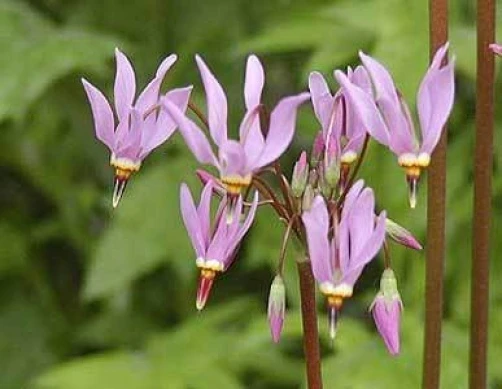
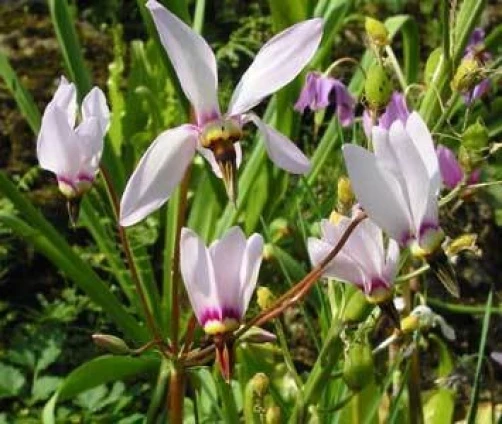
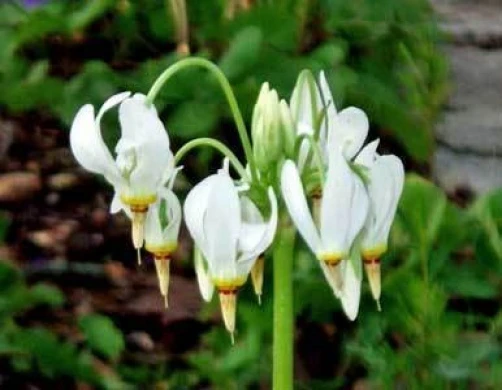
Embark on a delightful gardening journey with our premium dodecatheon meadia seeds. Also known as Shooting Star, American Cowslip, or Eastern Shooting Star, Dodecatheon meadia is a charming perennial native to North America, celebrated for its distinctive, pendulous flowers that resemble shooting stars. Each packet contains 100 perennial flower seeds, offering ample opportunity to cultivate a vibrant display in your garden. These unique blooms add an ethereal touch to any landscape, making them a favorite among gardeners seeking something beyond the ordinary. The common name, Shooting Star, perfectly captures the essence of its inverted, cyclamen-like flowers, which typically boast white to pink petals with a dark base, creating a striking contrast. Growing these plants from seed allows you to connect deeply with nature and enjoy the full life cycle of this remarkable species, enhancing biodiversity and beauty in your outdoor space.
Key Benefits
Planting dodecatheon meadia seeds offers a multitude of benefits for both your garden and the environment. These perennial beauties are not only visually captivating but also contribute significantly to ecological health.
- Unique Aesthetic Appeal: The distinctive, star-like flowers of Dodecatheon meadia create a truly unique visual spectacle. Their unusual form and delicate colors make them a focal point in any garden, drawing admiration and interest. These blooms are perfect for adding a touch of whimsy and elegance to naturalized settings.
- Attracts Pollinators: As a native plant, Dodecatheon meadia is an excellent source of nectar and pollen for local bees, butterflies, and other beneficial insects. By planting these shooting star seeds, you’re directly supporting local ecosystems and promoting healthy pollination cycles in your garden.
- Low Maintenance Perennial: Once established, these plants require minimal care, thriving with little intervention. Their perennial nature means they return year after year, providing continuous beauty without the need for annual replanting, making them a sustainable choice for busy gardeners.
- Shade Garden Adaptability: Dodecatheon meadia is well-suited for partially shaded to shaded areas, making it an ideal choice for woodland gardens or beneath deciduous trees where many other flowering plants struggle. This adaptability expands your planting options and allows you to beautify less sunny spots.
- Native Plant Advantage: Utilizing native plant seeds helps preserve local biodiversity and supports the natural flora of the region. Native plants are typically better adapted to local climates and soils, requiring less water and fewer interventions than non-native species.
- Early Spring Blooms: These plants are among the first to flower in spring, providing much-needed color and cheer after the long winter months. Their early bloom time ensures your garden comes alive with vibrant hues when most other plants are just beginning to stir.
- Erosion Control: In naturalized settings, the root systems of Dodecatheon meadia can help stabilize soil, preventing erosion, especially on slopes or in areas prone to runoff. This makes them a practical as well as beautiful addition to your landscape.
Plant Care & Growing Tips
Growing dodecatheon meadia seeds successfully requires understanding their specific needs, particularly regarding light, soil, and moisture. These plants prefer conditions that mimic their natural woodland habitats. For optimal growth, sow shooting star seeds in late fall or early spring. If sowing in spring, a cold stratification period of 60-90 days is beneficial to break dormancy. Place seeds in a moist medium in the refrigerator for this period before planting.
Dodecatheon meadia thrives in partial shade to full shade. While it can tolerate some morning sun, protection from intense afternoon sun is crucial, especially in warmer climates, to prevent scorching. Ideal locations include under deciduous trees or on the north side of a building where dappled light is received. The soil should be consistently moist but well-draining, rich in organic matter. A slightly acidic to neutral pH (6.0-7.0) is preferred. Incorporating compost or leaf mold into the planting area will significantly improve soil structure and fertility. Avoid heavy, compacted clay soils or overly dry, sandy soils. Regular watering is important, particularly during dry spells in spring and early summer when the plant is actively growing and flowering. Once the foliage begins to yellow and die back in mid-summer, the plant enters dormancy, and watering can be reduced. These plants are generally hardy in USDA Zones 4-8. Fertilization is usually not necessary if the soil is rich in organic matter; however, a light application of a balanced, slow-release granular fertilizer in early spring can be beneficial for less fertile soils. Watch out for slugs and snails, which can occasionally damage young foliage. Proper spacing and good air circulation help prevent fungal diseases.
Size & Details
Our offering includes 100 perennial flower seeds of Dodecatheon meadia, also known as Shooting Star. These seeds will grow into charming perennial plants that typically reach a height of 12 to 20 inches (30-50 cm) and a spread of 6 to 12 inches (15-30 cm) when mature. The plants exhibit an upright growth habit with basal rosettes of leaves. They are shipped as high-quality seeds, ready for planting, allowing you to experience the full life cycle from germination to bloom. Expect flowers to emerge in early to mid-spring, typically from April to May, depending on your specific climate and planting time. While the foliage may go dormant by mid-summer, the underground corms ensure the plant returns year after year, establishing a long-lasting presence in your garden. Cultivating these shade garden seeds will bring a unique and elegant addition to your landscape.
Frequently Asked Questions
- Q: How many seeds are included in this packet? A: Each packet contains 100 perennial flower seeds of Dodecatheon meadia, providing a generous quantity to start a beautiful patch of Shooting Stars in your garden.
- Q: Is Dodecatheon meadia an indoor or outdoor plant? A: Dodecatheon meadia is primarily an outdoor plant, best suited for garden beds, woodland areas, or naturalized landscapes. It thrives in conditions that mimic its native habitat.
- Q: How much sunlight does Dodecatheon meadia need? A: These plants prefer partial shade to full shade, especially protection from hot afternoon sun. Dappled sunlight or morning sun is ideal for optimal growth and flowering.
- Q: Is this plant easy to care for? A: Once established, Dodecatheon meadia is relatively low-maintenance. The initial care involves proper site selection and ensuring consistent moisture, especially during germination and early growth. It’s a great choice for gardeners looking for rewarding native plant seeds.
- Q: What condition will the seeds arrive in? A: The dodecatheon meadia seeds will arrive as dry, viable seeds, carefully packaged to ensure their integrity during transit. They are ready for immediate cold stratification or planting upon arrival.
- Q: How long until Dodecatheon meadia blooms from seed? A: Typically, Dodecatheon meadia grown from seed will bloom in its second or third year after planting, as it needs time to establish a robust root system and mature.
- Q: Will these shooting star seeds survive winter in my zone? A: Yes, Dodecatheon meadia is a hardy perennial suitable for USDA Zones 4-8, meaning it can withstand cold winter temperatures and return each spring in these regions.
- Q: What is the best type of soil for growing Dodecatheon meadia? A: The best soil is rich in organic matter, consistently moist, and well-draining. A loamy soil with a slightly acidic to neutral pH is ideal for these shade garden seeds.
- Q: Can these seeds be planted in containers? A: While Dodecatheon meadia can be grown in containers, it generally performs best when planted directly in the ground, where its root system has more space to spread and access consistent moisture.
- Q: What are some common names for Dodecatheon meadia? A: Besides Shooting Star, it is also known as American Cowslip, Eastern Shooting Star, and Pride of Ohio, reflecting its distinctive appearance and native range.
Be the first to review “Dodecatheon Meadia Shooting Star Seeds – 100 Count Perennial Flower”
Related products


You May Like

Hardneck vs. Softneck Garlic: Which Should You Grow?
Have you ever stood in front of a seed catalog in mid-September, staring at dozens [...]
Oct

When to Plant Music Garlic: Ultimate US Fall Guide
Have you ever spent your fall weekend placing carefully chosen garlic cloves into rich, dark [...]
1 Comment
Oct

5 Best Bulbs for Fall Planting: Brighten Your Garden This Spring
Are you dreaming of a garden full of vibrant colors in the spring? The key [...]
Aug

10 Houseplants That Will Thrive in Your Kitchen
Are you tired of your kitchen feeling dull and lifeless? Want to add a little [...]
1 Comment
Aug
Reviews
There are no reviews yet.