
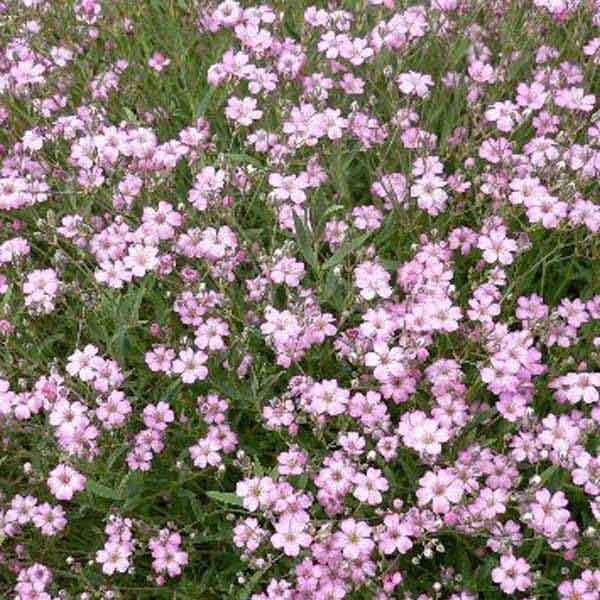
Gypsophila elegans Rosea Baby’s Breath Seeds – 100 Pink Seeds
Original price was: 44.99 $.19.99 $Current price is: 19.99 $.
Cultivate delicate beauty with these Gypsophila elegans Rosea seeds. Each pack contains 100 seeds for growing charming pink Baby’s Breath flowers, ideal for enhancing gardens and floral designs. These easy to grow flower seeds produce an abundance of airy blooms.
Estimated arrival
Oct 15
Oct 20 - Oct 22
Oct 22 - Oct 27
See our Shipping Policy.
Get in touch with us via email, and our team will review your concerns.
Our Alive & Thrive Guarantee covers issues with your plants within the first 30 days. Read our Refund & Returns Policy.
-
USDA Hardiness Zone
Annual in all zones (USDA zones 2-11) -
Soil Type
Well-draining, sandy or loamy soil -
Sunlight Exposure
Full sun -
Expected Planting Period
Spring after last frost
Overview
Discover the enchanting beauty of the Gypsophila elegans Rosea seeds, perfect for adding a touch of delicate charm to any garden or floral arrangement. This offering includes 100 high-quality seeds, ready to transform your outdoor space into a haven of soft pink blossoms. Commonly known as Baby’s Breath, Gypsophila elegans is an annual flowering plant cherished for its cloud-like clusters of small, airy flowers. The ‘Rosea’ variety distinguishes itself with its lovely pink hue, offering a subtle yet captivating alternative to the more common white forms. These seeds are an excellent choice for gardeners looking to create stunning visual backdrops, fill in gaps in borders, or cultivate their own fresh cut flowers for bouquets and centerpieces. Growing your own pink Baby’s Breath seeds from scratch allows you to experience the full life cycle of this delightful plant, from tiny seed to abundant bloom.
The ephemeral beauty of annual Gypsophila seeds makes them a popular choice for both novice and experienced gardeners. They are known for their rapid growth and prolific flowering, providing a continuous display of color throughout the growing season. Whether you’re planning a romantic garden theme, seeking to attract pollinators, or simply wish to enjoy the simplicity of nature’s artistry, these Gypsophila elegans Rosea seeds are an outstanding foundation. Their versatility in the garden and in floral design makes them an indispensable addition to any plant enthusiast’s collection.
Key Benefits
Planting Gypsophila elegans Rosea seeds offers a multitude of benefits, enhancing your garden’s aesthetic and providing valuable resources for floral arrangements. These charming flowers are easy to cultivate and bring a light, airy texture wherever they grow.
- Beautiful Floral Filler: The delicate pink blooms of pink Baby’s Breath seeds are quintessential as a filler flower in bouquets and arrangements, adding softness and volume without overpowering other blooms.
- Garden Enhancement: These plants create a cloud-like effect in garden beds, softening harsh edges and adding a whimsical touch to borders, rock gardens, and cottage garden designs.
- Attracts Pollinators: While subtle, the small flowers of Gypsophila can attract beneficial insects, including small bees and butterflies, contributing to a healthier garden ecosystem.
- Easy to Grow: Known for their straightforward cultivation, these easy to grow flower seeds are an excellent choice for beginners and busy gardeners alike, requiring minimal fuss for a stunning display.
- Prolific Bloomer: Once established, Gypsophila elegans ‘Rosea’ produces a continuous flush of flowers, ensuring a long season of enjoyment and ample supply for cutting.
- Drought Tolerance: Once established, these plants exhibit a reasonable degree of drought tolerance, making them suitable for drier climates or areas where water conservation is a priority.
- Versatile Use: Beyond fresh arrangements, the flowers can be dried to preserve their beauty, offering lasting decorative potential for crafts and long-term displays.
Plant Care & Growing Tips
Cultivating Gypsophila elegans Rosea seeds successfully requires attention to a few key environmental factors. These annuals are generally low-maintenance but thrive best with proper care. For optimal growth, choose a location that receives full sun, meaning at least 6-8 hours of direct sunlight per day. While they can tolerate partial shade, abundant flowering is best achieved in brighter conditions. Ensure the soil is well-draining, as Gypsophila does not like wet feet. A sandy or loamy soil with a neutral to slightly alkaline pH is ideal. Avoid heavy clay soils that retain too much moisture.
Sow the annual Gypsophila seeds directly into the garden after the last frost date, as they do not transplant well. Lightly cover the seeds with about 1/8 inch of fine soil and keep consistently moist until germination, which typically occurs within 7-14 days. Once seedlings emerge, thin them to 6-12 inches apart to allow for proper air circulation and growth. Water regularly during dry spells, especially when the plants are young, but allow the soil to dry out slightly between waterings once established. Overwatering can lead to root rot. Fertilization is generally not heavily required; a balanced, all-purpose fertilizer can be applied once early in the growing season if soil fertility is low. Deadheading spent blooms is not strictly necessary for continuous flowering but can tidy up the plants. These plants are generally resilient but monitor for common garden pests like aphids and treat with organic insecticides if necessary. Growing cut flower seeds like these ensures a steady supply for your home.
Size & Details
These Gypsophila elegans Rosea seeds will mature into plants that typically reach a height of 18-24 inches (45-60 cm) with a similar spread, creating a lovely, airy mound of foliage and flowers. Each pack contains 100 seeds, providing a generous quantity for planting a significant area or for multiple successional plantings throughout the season. The plants exhibit a medium growth rate, with blooms appearing approximately 8-10 weeks after sowing. The delicate pink flowers are small, usually about 0.25 inches (0.6 cm) in diameter, but are produced in vast numbers, giving the characteristic ‘cloud’ effect. These seeds are suitable for USDA Hardiness Zones 2-11 as an annual. They are typically sown directly into the garden bed, and no specific pot size is included as they are seeds for outdoor cultivation. Expect a profusion of these charming blossoms from early summer until the first hard frost, offering a long season for enjoying pink Baby’s Breath seeds.
Frequently Asked Questions
- Q: How many flowers will I get from 100 Gypsophila elegans Rosea seeds? A: While not every seed will germinate and grow to maturity, 100 seeds provide a generous quantity to produce a substantial number of flowers, easily enough for several large arrangements or a significant garden display.
- Q: Are these pink Baby’s Breath seeds difficult to grow for beginners? A: No, Gypsophila elegans is known for being quite easy to grow from seed. They are a great choice for beginner gardeners looking for reliable and beautiful blooms. Just ensure good sunlight and well-draining soil.
- Q: When is the best time to plant these annual Gypsophila seeds? A: The best time to plant is after all danger of frost has passed in your area, typically in spring. You can make successive sowings every few weeks for a continuous bloom throughout the summer.
- Q: How much sunlight do these cut flower seeds need? A: For the best flowering, Gypsophila elegans ‘Rosea’ requires full sun, which means at least 6-8 hours of direct sunlight per day. They can tolerate some partial shade, but blooming may be less abundant.
- Q: What type of soil is best for growing Gypsophila? A: Gypsophila prefers well-draining, sandy or loamy soil with a neutral to slightly alkaline pH. Avoid heavy clay soils that can become waterlogged, as this can lead to root rot.
- Q: Do I need to fertilize these plants? A: Generally, Gypsophila elegans is not a heavy feeder. If your soil is poor, you can apply a balanced, all-purpose fertilizer once early in the growing season. Over-fertilization can lead to more foliage and fewer flowers.
- Q: Can I grow these easy to grow flower seeds in containers? A: Yes, you can grow Gypsophila elegans in containers, provided the containers are large enough to accommodate their mature size and have excellent drainage. Ensure they still receive full sun.
- Q: How long does it take for the seeds to germinate? A: Germination typically occurs within 7-14 days after sowing, provided the soil is kept consistently moist and warm.
- Q: Can these flowers be dried for arrangements? A: Absolutely! Gypsophila elegans is an excellent choice for drying. Cut the stems when the flowers are fully open and hang them upside down in a cool, dark, well-ventilated area until dry.
- Q: Are these seeds perennial or annual? A: These are annual Gypsophila seeds, meaning the plants will complete their life cycle in one growing season and will need to be re-sown each year for continuous blooms.
Be the first to review “Gypsophila elegans Rosea Baby’s Breath Seeds – 100 Pink Seeds”
Related products


Flower Seeds
Blue Stock Matthiola Incana Seeds – 50 Fragrant Gillyflower Seeds – Ten-Week Blue Stock


You May Like

Hardneck vs. Softneck Garlic: Which Should You Grow?
Have you ever stood in front of a seed catalog in mid-September, staring at dozens [...]
Oct

When to Plant Music Garlic: Ultimate US Fall Guide
Have you ever spent your fall weekend placing carefully chosen garlic cloves into rich, dark [...]
1 Comment
Oct

5 Best Bulbs for Fall Planting: Brighten Your Garden This Spring
Are you dreaming of a garden full of vibrant colors in the spring? The key [...]
Aug

10 Houseplants That Will Thrive in Your Kitchen
Are you tired of your kitchen feeling dull and lifeless? Want to add a little [...]
1 Comment
Aug
Reviews
There are no reviews yet.