
Schisandra chinensis Seeds – Magnolia Vine Seeds 10 Count Perennial Outdoor
Original price was: 44.99 $.19.99 $Current price is: 19.99 $.
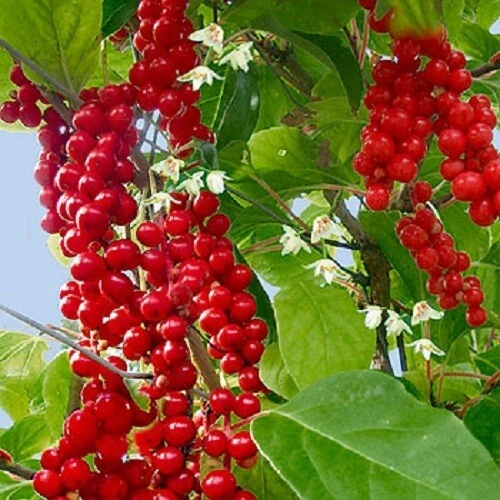
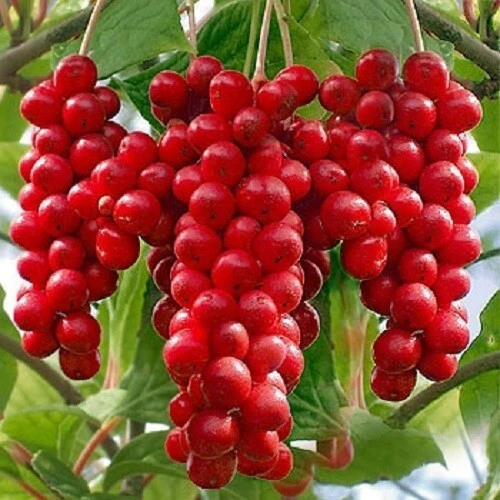
Cultivate the unique schisandra chinensis seeds, also known as the magnolia vine seeds. These perennial seeds are ideal for outdoor planting, producing a vigorous vine celebrated for its ornamental appeal and distinctive ‘five-flavor’ berries.
Estimated arrival
Oct 15
Oct 20 - Oct 22
Oct 22 - Oct 27
See our Shipping Policy.
Get in touch with us via email, and our team will review your concerns.
Our Alive & Thrive Guarantee covers issues with your plants within the first 30 days. Read our Refund & Returns Policy.
-
USDA Hardiness Zone
USDA Zones 4-8 -
Soil Type
Well-draining, fertile soil, rich in organic matter -
Sunlight Exposure
Partial shade to full sun -
Expected Planting Period
Early spring after stratification
Overview
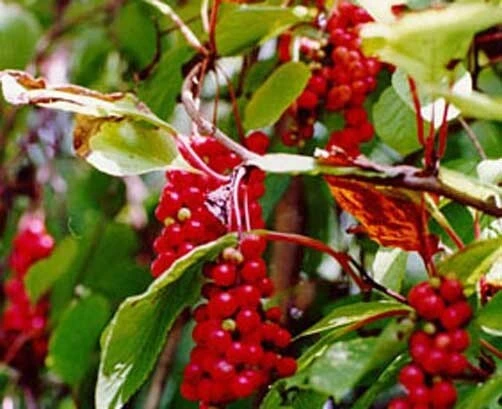
Embark on a rewarding gardening journey with these premium schisandra chinensis seeds. Often referred to as the magnolia vine seeds, this remarkable plant, Schisandra chinensis, is a deciduous woody vine native to forests of Northern China and the Russian Far East. Known for its ornamental beauty and the unique flavor of its berries, Schisandra is a fascinating addition to any garden. Each pack contains 10 high-quality seeds, providing an excellent opportunity to grow your own supply of this versatile plant. The vine produces attractive clusters of bright red berries in autumn, offering visual interest and a potential harvest for those interested in its traditional uses. Growing your own schisandra berry plant from seed allows you to witness its full life cycle and enjoy its many attributes firsthand.
The Schisandra chinensis vine is celebrated not just for its berries but also for its lush foliage and fragrant, delicate flowers. It’s a vigorous grower, capable of reaching impressive lengths, making it suitable for trellises, arbors, or fences where it can climb and display its beauty. These seeds are perfect for gardeners looking for a unique and beneficial perennial vine that thrives outdoors. Whether you’re a seasoned gardener or a curious beginner, cultivating magnolia vine seeds offers a connection to nature and the satisfaction of growing a truly special plant.
Key Benefits
The schisandra chinensis seeds offer a multitude of benefits for both your garden and potential personal use. Growing this vine provides a rewarding experience and several advantages:
- Ornamental Appeal: The Schisandra vine is highly decorative, featuring lush green leaves, fragrant white or pink flowers in spring, and vibrant red berries in autumn. It adds significant visual interest to trellises, pergolas, and fences, creating a beautiful focal point in your garden.
- Unique Berries: The distinctive ‘five-flavor’ berries of the schisandra berry plant are a culinary and traditional delight. They are known for combining sweet, sour, salty, bitter, and pungent tastes, making them a unique ingredient for teas, jams, and other preparations.
- Vigorous Growth: Once established, the chinese magnolia vine is a robust and fast-growing plant, quickly covering structures and providing ample foliage and fruit. Its strong growth habit makes it an excellent choice for creating natural screens or adding vertical interest.
- Perennial Nature: As a perennial, the Schisandra vine returns year after year, offering continuous beauty and harvests without the need for replanting. This makes it a sustainable and long-term investment for your garden.
- Outdoor Adaptability: These seeds are specifically for outdoor cultivation, producing a hardy vine that can withstand various weather conditions, making it suitable for many temperate climates. The schisandra chinensis seeds are designed for successful outdoor germination and growth.
- Wildlife Attraction: The berries can attract birds and other wildlife, contributing to the biodiversity of your garden ecosystem.
- Low Maintenance: Once established, Schisandra chinensis is relatively low-maintenance, requiring minimal care beyond basic watering and occasional pruning.
Plant Care & Growing Tips
Successfully growing schisandra from seeds requires attention to detail and patience. Start by stratifying your schisandra chinensis seeds for 60-90 days before planting. This process mimics natural winter conditions and encourages germination. You can do this by placing the seeds in a moist medium like sand or peat moss in a sealed plastic bag and refrigerating them. After stratification, sow the seeds in well-draining soil, about 1/4 to 1/2 inch deep. A good quality seed-starting mix is ideal for initial germination. Keep the soil consistently moist but not waterlogged, and maintain a temperature between 65-75°F (18-24°C).
Once seedlings emerge, provide them with plenty of bright, indirect light. As they grow, transplant them to their permanent outdoor location. The chinese magnolia vine thrives in partial shade to full sun, though in hotter climates, some afternoon shade is beneficial to prevent leaf scorch. Ensure the planting site has well-draining, fertile soil with a slightly acidic to neutral pH (6.0-7.0). Schisandra is a climbing vine, so provide a sturdy support structure like a trellis, arbor, or fence for it to climb. Water regularly, especially during dry periods, to keep the soil moist. Fertilize annually in spring with a balanced, slow-release fertilizer. Protect young plants from extreme cold during their first winter if you are in a colder zone. Pruning can be done in late winter or early spring to manage growth and encourage fruit production, focusing on removing dead or weak branches and training the vines.
Size & Details
This product includes 10 schisandra chinensis seeds, ready for planting. The magnolia vine seeds will germinate and grow into perennial vines, typically reaching heights of 15-25 feet (4.5-7.5 meters) with proper support and growing conditions. The growth rate is moderate to fast, allowing it to establish quickly in your garden. The vine produces small, fragrant flowers in spring, followed by clusters of bright red berries in late summer to early autumn. While seeds require time to mature into fruit-bearing plants, you can expect the vine to start producing berries within 3-5 years after successful germination and establishment. These seeds are intended for outdoor cultivation and are ideal for USDA hardiness zones 4-8, though with protection, they can be grown in slightly colder zones. Each seed holds the potential for a vigorous and beautiful schisandra berry plant.
Frequently Asked Questions
- Q: How long does it take for Schisandra chinensis seeds to germinate? A: After proper stratification, germination can take anywhere from a few weeks to several months. Patience is key, as these seeds can be slow to sprout. Maintaining consistent moisture and warmth will aid the process.
- Q: Is this an indoor or outdoor plant? A: The schisandra chinensis seeds are intended for outdoor cultivation. The vine thrives in temperate climates and requires space to climb and establish its extensive root system. It is not typically grown as an indoor houseplant.
- Q: What condition will the seeds arrive in? A: Your magnolia vine seeds will arrive as dormant, viable seeds, ready for stratification and planting. They are carefully packaged to ensure their integrity during transit.
- Q: How much sunlight does the Schisandra vine need? A: Schisandra chinensis prefers partial shade to full sun. In regions with intense summer heat, some afternoon shade is beneficial to protect the foliage from scorching. Aim for at least 4-6 hours of sunlight daily.
- Q: Is the Schisandra berry plant easy to care for? A: Once established, the Schisandra vine is relatively low-maintenance. The initial stratification and germination process requires some attention, but mature plants are quite hardy and resilient, making growing schisandra a rewarding experience for most gardeners.
- Q: When is the best time to plant Schisandra chinensis seeds? A: After stratification, the best time to sow the seeds outdoors is in early spring, once the danger of hard frost has passed. This allows the seedlings to establish themselves during the growing season.
- Q: Will it survive winter in my zone? A: The chinese magnolia vine is hardy in USDA zones 4-8. In these zones, it will typically survive winter without special protection. In colder zones, young plants might benefit from mulching around the base to insulate the roots.
- Q: Can I grow Schisandra in a container? A: While possible for a short period, Schisandra chinensis is a vigorous vine with an extensive root system and is best suited for in-ground planting where it can spread and climb. Container growing would require a very large pot and consistent care.
- Q: What kind of soil does the Schisandra vine prefer? A: Schisandra thrives in well-draining, fertile soil that is rich in organic matter. A slightly acidic to neutral pH (6.0-7.0) is ideal for optimal growth and berry production.
- Q: How do I know if my Schisandra chinensis seeds are viable? A: The best way to check viability is through the stratification and germination process. High-quality seeds, when properly stratified and planted, have a good chance of sprouting.
Be the first to review “Schisandra chinensis Seeds – Magnolia Vine Seeds 10 Count Perennial Outdoor”
Related products

Seeds
Sword Fern Seeds – 1500 Polystichum Munitum Spores – Evergreen Foliage, Deer Resistant, Zones 4-9


You May Like

Hardneck vs. Softneck Garlic: Which Should You Grow?
Have you ever stood in front of a seed catalog in mid-September, staring at dozens [...]
Oct

When to Plant Music Garlic: Ultimate US Fall Guide
Have you ever spent your fall weekend placing carefully chosen garlic cloves into rich, dark [...]
1 Comment
Oct

5 Best Bulbs for Fall Planting: Brighten Your Garden This Spring
Are you dreaming of a garden full of vibrant colors in the spring? The key [...]
Aug

10 Houseplants That Will Thrive in Your Kitchen
Are you tired of your kitchen feeling dull and lifeless? Want to add a little [...]
1 Comment
Aug
Reviews
There are no reviews yet.