
Miscanthus sinensis ‘Strictus’ Porcupine Grass Seeds – 15 Seeds for Landscaping
Original price was: 47.99 $.22.99 $Current price is: 22.99 $.
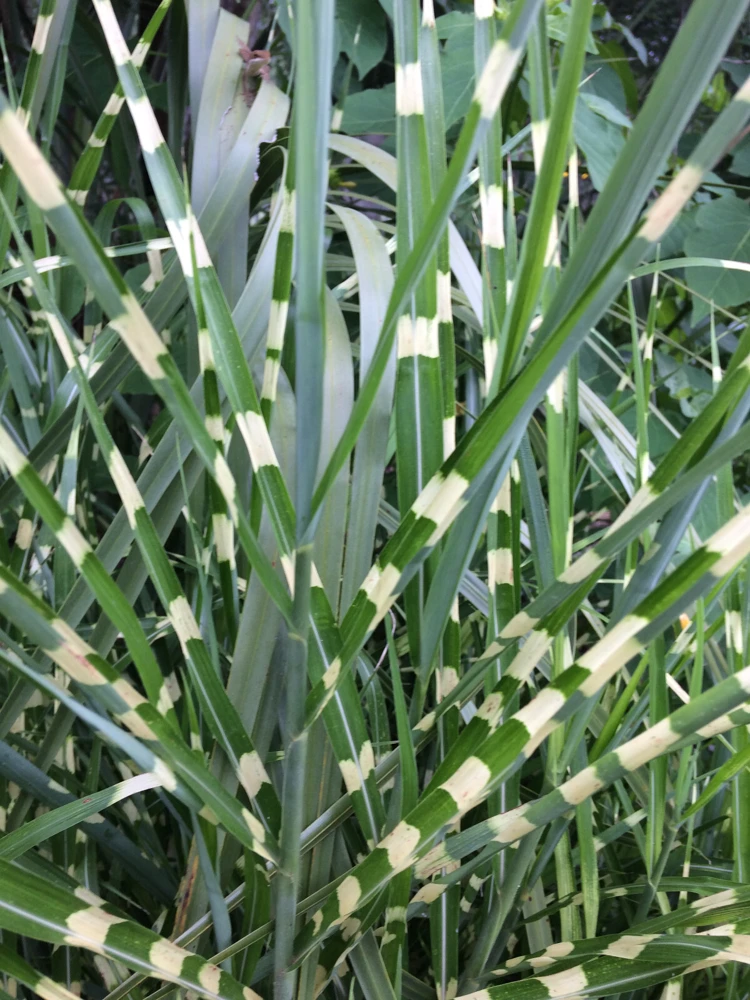
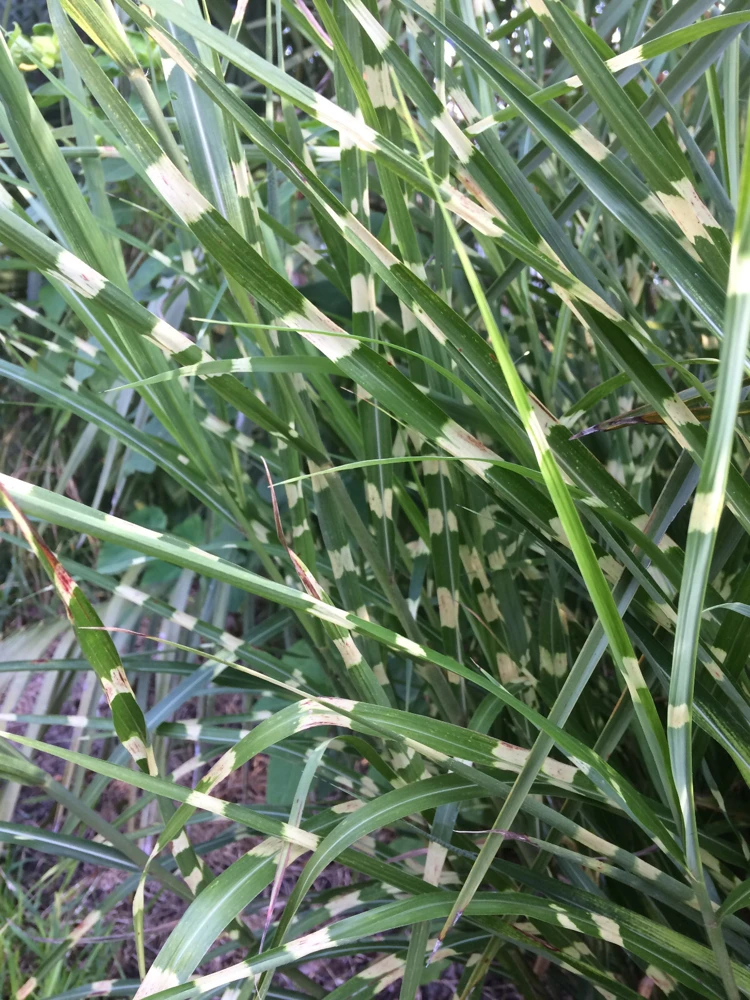
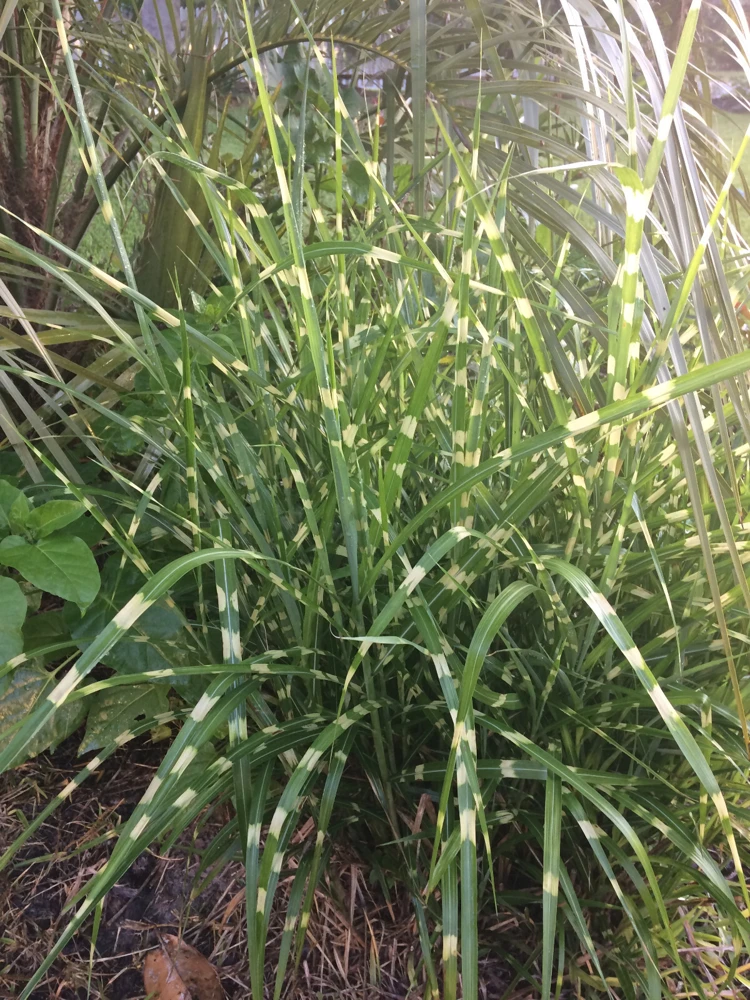
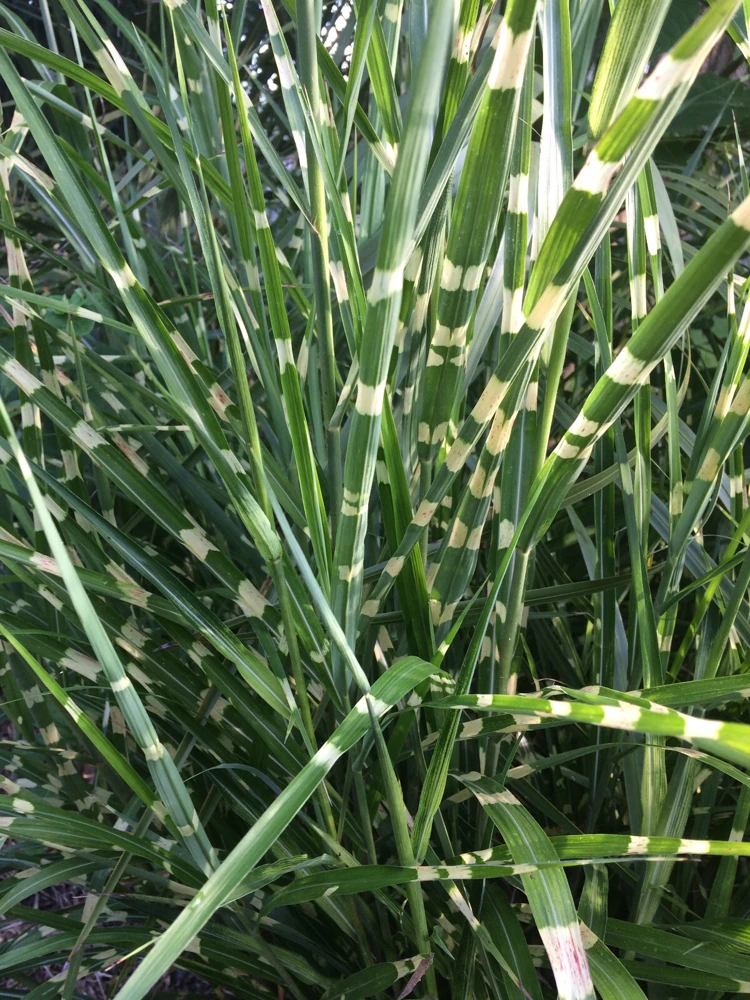
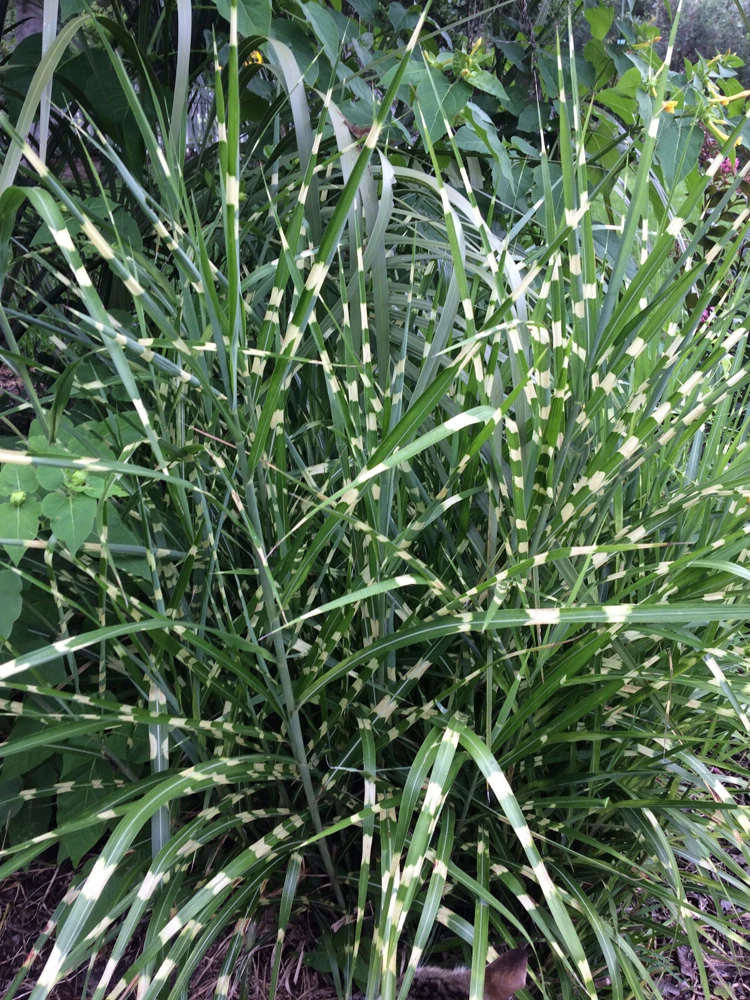
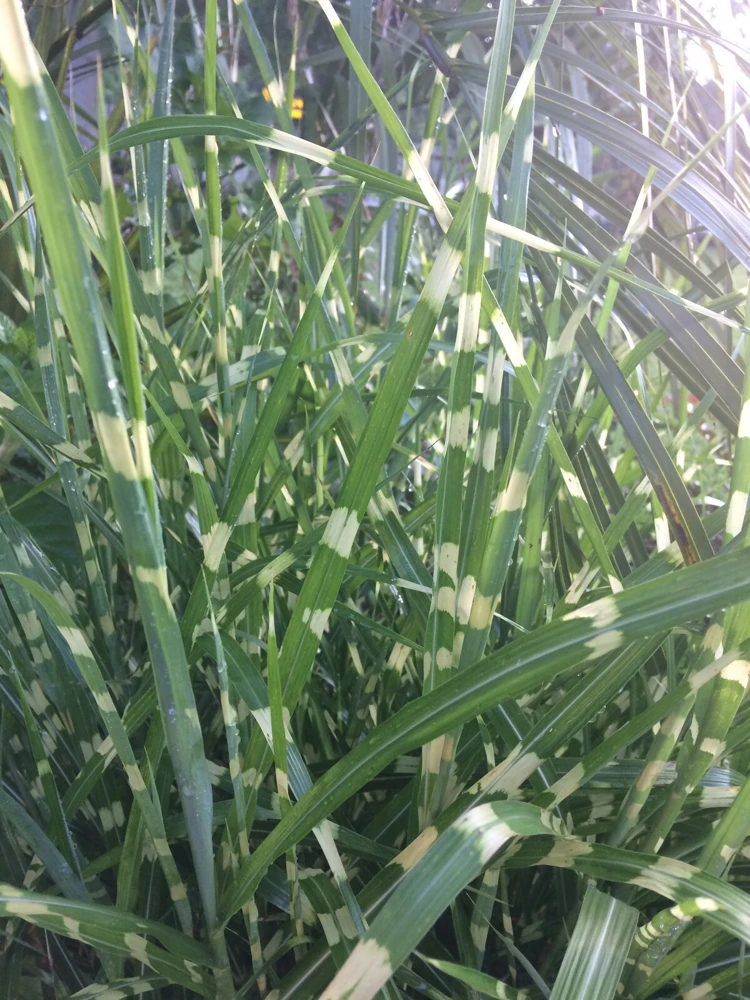
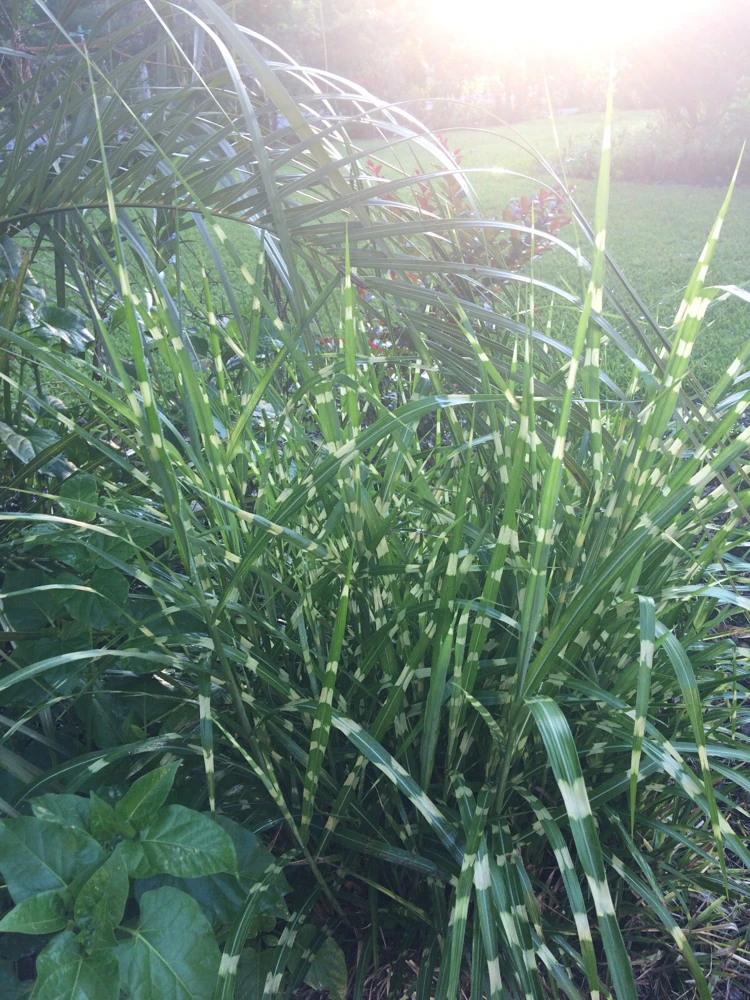
Cultivate stunning porcupine grass seeds with this pack of 15 Miscanthus sinensis ‘Strictus’ seeds. Ideal for adding unique vertical texture and year-round interest to your garden or landscape design. This perennial ornamental grass is known for its distinctive horizontal banding.
Estimated arrival
Oct 15
Oct 20 - Oct 22
Oct 22 - Oct 27
See our Shipping Policy.
Get in touch with us via email, and our team will review your concerns.
Our Alive & Thrive Guarantee covers issues with your plants within the first 30 days. Read our Refund & Returns Policy.
-
USDA Hardiness Zone
USDA Zones 5-9 -
Soil Type
Well-draining soil -
Sunlight Exposure
Full sun -
Expected Planting Period
Spring
Overview
Transform your garden with the unique beauty of porcupine grass seeds. This offering includes 15 high-quality Miscanthus sinensis ‘Strictus’ seeds, allowing you to cultivate one of the most distinctive ornamental grasses available. Known for its striking upright growth habit and distinctive horizontal yellow banding along its green leaves, ‘Strictus’ Porcupine Grass (Miscanthus sinensis ‘Strictus’) adds architectural interest and texture to any landscape. As a perennial, once established, these grasses will return year after year, providing a reliable and low-maintenance solution for garden borders, mass plantings, or as a standalone specimen. Growing from ornamental grass seeds is a rewarding experience, giving you control from the very beginning and ensuring a robust, healthy plant.
The ‘Strictus’ cultivar is celebrated for its stiff, upright blades that resemble a porcupine, hence its common name. This makes it an excellent choice for creating strong visual lines and focal points in your garden. Beyond its unique appearance, this grass is incredibly resilient and adaptable, thriving in a variety of conditions once mature. Starting with strictus grass seeds offers an economical way to achieve a lush, mature planting of this magnificent grass.
Key Benefits
Planting porcupine grass seeds brings a multitude of benefits to your outdoor space, enhancing both its aesthetic appeal and ecological value:
- Unique Ornamental Appeal: The distinctive horizontal yellow banding on stiff, upright green leaves provides unparalleled visual interest, especially when paired with other plants. This unique texture stands out in any garden design.
- Year-Round Structure: Even in winter, the dried foliage of Miscanthus sinensis ‘Strictus’ offers architectural structure and interest, particularly when dusted with snow or frost. It provides a focal point when many other plants have receded.
- Low Maintenance: Once established, Porcupine Grass is remarkably drought-tolerant and requires minimal care. It’s an excellent choice for gardeners seeking high impact with low effort, making it easier to enjoy your garden.
- Erosion Control: Its extensive root system helps to stabilize soil, making it an effective plant for erosion control on slopes or in areas prone to soil runoff. This contributes to a healthier landscape.
- Wildlife Habitat: The dense clumps provide shelter for small birds and other wildlife, and the seeds can be a food source, contributing to local biodiversity. Planting clumping grass seeds supports local ecosystems.
- Deer Resistant: Porcupine Grass is generally unappealing to deer, which means your beautiful plantings are less likely to be damaged by browsing. This is a significant advantage in areas with deer populations.
- Sound Barrier: When planted in dense groupings, the rustling leaves of mature Porcupine Grass can provide a subtle, soothing sound and act as a natural sound buffer.
Plant Care & Growing Tips
Successfully growing porcupine grass seeds into magnificent mature plants requires attention to a few key care aspects. These perennial grasses are generally robust, but proper initial care will ensure vigorous growth. For optimal germination, sow your Miscanthus sinensis ‘Strictus’ seeds in spring after the last frost, or indoors 6-8 weeks before the last frost. Lightly cover the seeds with soil, as some light aids germination. Keep the soil consistently moist until seedlings emerge, which typically takes 2-4 weeks. Once seedlings are strong enough, transplant them to their permanent outdoor location.
Sunlight Requirements: Porcupine Grass thrives in full sun, meaning at least 6-8 hours of direct sunlight per day. While it can tolerate some partial shade, too little sun may result in leggy growth and less vibrant foliage banding. Ensure your planting site receives ample light for the best display of its unique characteristics.
Watering Schedule & Soil Moisture: During establishment, keep the soil consistently moist but not waterlogged. Once mature, Porcupine Grass is quite drought-tolerant and can withstand periods of dryness. Water deeply once a week during prolonged dry spells, especially in hot climates. Overwatering can lead to root rot, so good drainage is crucial.
Soil Type & Drainage: This grass prefers well-draining soil. It is adaptable to a wide range of soil types, including clay, loam, and sandy soils, as long as drainage is adequate. Amend heavy clay soils with organic matter to improve drainage. A neutral to slightly acidic pH is ideal, but it tolerates a broader range.
Temperature Range & USDA Hardiness Zone: Miscanthus sinensis ‘Strictus’ is hardy in USDA zones 5-9. It can tolerate cold winter temperatures and hot summers. In colder zones (5-6), provide a layer of mulch around the base of the plant in late fall for extra winter protection. These ornamental grass seeds will grow into plants that are quite resilient to temperature fluctuations.
Fertilization Schedule: Porcupine Grass is not a heavy feeder. A light application of a balanced, slow-release granular fertilizer in early spring is usually sufficient. Avoid over-fertilizing, as this can lead to excessive foliage growth at the expense of its characteristic upright form. For healthy growth, less is often more with this resilient grass.
Size & Details
This offering includes 15 porcupine grass seeds of the ‘Strictus’ cultivar. When mature, Miscanthus sinensis ‘Strictus’ typically forms dense, upright clumps, reaching a height of 5-8 feet and a spread of 3-5 feet. Its strong vertical habit makes it an excellent choice for creating screens or adding height to garden beds. The growth rate is moderate to fast, meaning you can expect to see significant development within the first few years. This perennial grass will return year after year, establishing a strong presence in your landscape. These clumping grass seeds will develop into a robust plant, offering significant visual impact.
The distinctive foliage maintains its attractive appearance throughout the growing season, turning a lovely golden-tan in fall and persisting through winter, offering continuous visual interest. The plants produced from these strictus grass seeds will typically begin to show their characteristic banding and upright form within the first year of establishment. For best results, allow adequate spacing for the mature size of the clump to ensure proper air circulation and growth.
Frequently Asked Questions
- Q: How big does this plant get from these seeds? A: When mature, Miscanthus sinensis ‘Strictus’ typically grows to an impressive height of 5-8 feet tall with a spread of 3-5 feet, forming a dense, upright clump. It adds significant vertical interest to the landscape.
- Q: Is this an indoor or outdoor plant? A: Porcupine grass seeds are intended for growing outdoor plants. Miscanthus sinensis ‘Strictus’ is a large ornamental grass best suited for garden beds, borders, and landscaping, thriving in full sun.
- Q: How much sunlight does it need? A: For optimal growth and the most vibrant foliage, Porcupine Grass requires full sun, meaning at least 6-8 hours of direct sunlight daily. It can tolerate some partial shade, but full sun is preferred.
- Q: Is this plant easy to care for? A: Yes, once established, Porcupine Grass is considered very easy to care for and is quite drought-tolerant. It requires minimal maintenance, making it an excellent choice for both novice and experienced gardeners.
- Q: What condition will the seeds arrive in? A: The product consists of 15 high-quality porcupine grass seeds, packaged securely to ensure they arrive in excellent condition, ready for planting.
- Q: When is the best time to plant these seeds? A: The best time to sow ornamental grass seeds like these is in early spring after the last frost, or you can start them indoors 6-8 weeks before the last expected frost date.
- Q: Will it survive winter in my zone? A: Miscanthus sinensis ‘Strictus’ is hardy in USDA Zones 5-9. In these zones, it will reliably return each spring, even after cold winters. In colder parts of its range, a layer of mulch can provide extra protection.
- Q: What’s the minimum temperature it can tolerate? A: This perennial grass can tolerate winter temperatures down to approximately -20°F (-29°C), making it suitable for a wide range of climates within its hardiness zones.
- Q: Can these strictus grass seeds be used for erosion control? A: Absolutely. The extensive and fibrous root system of Porcupine Grass makes it an excellent choice for stabilizing soil on slopes and preventing erosion, contributing to a healthier landscape.
- Q: How long does it take for the seeds to germinate? A: Germination for Miscanthus sinensis ‘Strictus’ seeds typically takes 2-4 weeks, provided consistent moisture and appropriate temperatures. Patience is key for these rewarding clumping grass seeds.
Be the first to review “Miscanthus sinensis ‘Strictus’ Porcupine Grass Seeds – 15 Seeds for Landscaping”
Related products

Grass Seeds
Dwarf Fountain Grass Seeds – Pennisetum Alopecuroides – 25 Seeds, White Plumes, Hardy Ornamental


Grass Seeds
Quickdraw Orchardgrass Seeds – 3000 Organic Dactylis Glomerata, Cat Grass, Cool-Season Sun or Shade
You May Like

Hardneck vs. Softneck Garlic: Which Should You Grow?
Have you ever stood in front of a seed catalog in mid-September, staring at dozens [...]
Oct

When to Plant Music Garlic: Ultimate US Fall Guide
Have you ever spent your fall weekend placing carefully chosen garlic cloves into rich, dark [...]
1 Comment
Oct

5 Best Bulbs for Fall Planting: Brighten Your Garden This Spring
Are you dreaming of a garden full of vibrant colors in the spring? The key [...]
Aug

10 Houseplants That Will Thrive in Your Kitchen
Are you tired of your kitchen feeling dull and lifeless? Want to add a little [...]
1 Comment
Aug
Reviews
There are no reviews yet.