
Japanese Iris Seeds – Iris ensata spontanea – 6 Seed Pack – Perennial Flower
Original price was: 47.99 $.22.99 $Current price is: 22.99 $.
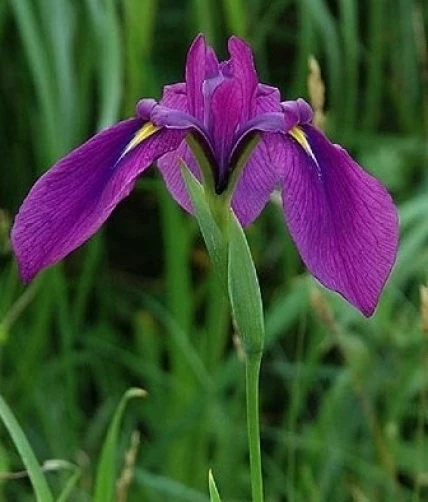
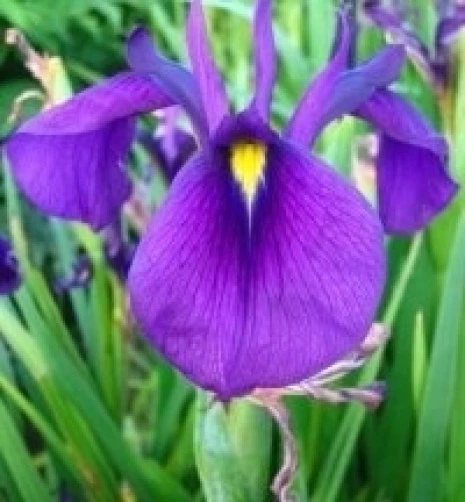
Cultivate stunning Japanese Iris seeds (Iris ensata spontanea) with this 6 seed pack. Perfect for creating a vibrant perennial display, these sword-leafed beauties thrive in various garden settings. Easy to grow and rewarding for any gardener.
Estimated arrival
Oct 15
Oct 20 - Oct 22
Oct 22 - Oct 27
See our Shipping Policy.
Get in touch with us via email, and our team will review your concerns.
Our Alive & Thrive Guarantee covers issues with your plants within the first 30 days. Read our Refund & Returns Policy.
-
USDA Hardiness Zone
USDA Zones 4-9 -
Soil Type
Moist, rich, slightly acidic to neutral soil -
Sunlight Exposure
Full sun to partial shade -
Expected Planting Period
Late winter/early spring (indoors after stratification)
Overview
Embark on a delightful gardening journey with our premium Japanese Iris seeds, specifically the exquisite Iris ensata spontanea. This offering provides a convenient 6 seed pack, allowing you to cultivate these magnificent perennials from the very beginning. Known for their striking sword-shaped foliage and elegant blooms, the Iris ensata spontanea is a true spectacle in any garden. Unlike live plants, starting from seeds provides the satisfaction of nurturing growth from its earliest stage, offering a more profound connection to your garden’s development. These seeds promise to transform your outdoor spaces with their unique charm and captivating presence, making them a superb choice for both novice and experienced gardeners.
The Iris ensata, commonly known as the Japanese Iris, is renowned for its large, flat, and often intricately patterned flowers. The ‘spontanea’ variety suggests a more natural or wild form, often exhibiting a robust character and resilience. These perennial flower seeds are an excellent way to introduce long-lasting beauty into your landscape. Each seed holds the potential for a mature plant that will return year after year, gracing your garden with its distinctive beauty and adding a touch of sophisticated elegance. Prepare to be enchanted by the unfolding beauty of these sword-leafed iris plants.
Key Benefits
Cultivating Iris ensata seeds offers a multitude of advantages, enhancing your garden with both aesthetic appeal and ecological benefits. These seeds provide an opportunity to grow a resilient and beautiful plant that will be a focal point in your landscape.
- Stunning Floral Display: Enjoy large, vibrant flowers that add dramatic flair and sophisticated beauty to your garden, creating a focal point with their unique shapes and colors.
- Perennial Longevity: As a perennial, the Japanese Iris seeds will produce plants that return year after year, providing continuous beauty and reducing the need for annual replanting.
- Elegant Foliage: The distinctive sword-shaped leaves offer architectural interest even when the plant is not in bloom, adding texture and structure to your garden beds.
- Attracts Pollinators: The beautiful blooms can attract beneficial insects like bees and butterflies, contributing to a healthier garden ecosystem and promoting biodiversity.
- Versatile Garden Use: Ideal for borders, mass plantings, or alongside water features, these iris plants adapt well to various garden designs and can thrive in moist conditions.
- Rewarding Growing Experience: Starting from growing Japanese Iris seeds offers a fulfilling and educational experience, allowing you to observe the plant’s life cycle from germination to full bloom.
- Durable and Resilient: Once established, these iris plants are relatively low-maintenance and can withstand a range of environmental conditions, making them a robust addition to your garden.
Plant Care & Growing Tips
Successfully growing Japanese Iris from seed requires attention to specific conditions to ensure robust growth and abundant blooms. Start by stratifying the Iris ensata seeds, which typically involves a period of cold treatment to break dormancy. You can do this by placing the seeds in a moist medium (like peat moss or vermiculite) in a sealed bag and refrigerating them for 4-6 weeks. After stratification, sow the seeds indoors about 8-10 weeks before the last expected frost date in your area. Plant them shallowly, just barely covered with soil, and keep the soil consistently moist but not waterlogged. Germination can be erratic, so patience is key.
Once seedlings are robust enough to handle, transplant them into individual pots. When transplanting outdoors, choose a location that receives at least 6 hours of full sun per day; partial shade is tolerated in hotter climates. Japanese Iris seeds prefer a slightly acidic to neutral soil (pH 6.0-7.0) that is rich in organic matter and consistently moist. They are particularly fond of moist conditions and can even tolerate boggy soil, making them excellent candidates for pond edges or rain gardens. Ensure good drainage to prevent root rot, especially during dormant periods.
Water regularly, especially during dry spells and the blooming season, to maintain consistent soil moisture. Fertilize in early spring with a balanced, slow-release fertilizer or a fertilizer formulated for flowering perennials. Deadhead spent blooms to encourage more flowering and prevent seed formation if you don’t wish for self-seeding. Divide established clumps every 3-4 years in early spring or fall to maintain vigor and prevent overcrowding. With proper care, these sword-leafed Iris seeds will develop into stunning plants that provide years of beauty.
Size & Details
This offering includes a 6 seed pack of Iris ensata spontanea Japanese Iris seeds, ready for you to begin your cultivation journey. When mature, these perennial plants typically grow to a height of 24-36 inches (60-90 cm) and spread about 18-24 inches (45-60 cm) wide, forming attractive clumps of upright foliage. The impressive flowers, which can measure 4-6 inches across, usually appear in late spring to early summer, depending on your climate and planting time. Starting from seed, expect to see blooms within 2-3 years, as the plant establishes its root system and gains maturity. The seeds are provided in a protective packet, ensuring their viability upon arrival.
The sword-leafed foliage is a distinctive feature, providing vertical interest in the garden even before the elegant flowers emerge. These plants are shipped as dormant seeds, offering a cost-effective and flexible way to introduce this beautiful perennial into your garden. With proper care and ideal growing conditions, each of the 6 seed pack has the potential to grow into a robust and floriferous plant, adding significant ornamental value to your landscape for many seasons to come. The mature plants are known for their strong stems, which proudly display the intricate blooms.
Frequently Asked Questions
- Q: How big do these Japanese Iris plants get? A: When mature, Japanese Iris plants typically reach a height of 24-36 inches (60-90 cm) and can spread about 18-24 inches (45-60 cm) wide, forming attractive, upright clumps of foliage.
- Q: Is this an indoor or outdoor plant? A: The Iris ensata seeds are intended for outdoor cultivation. Japanese Irises thrive in garden beds, borders, and especially near water features, enjoying full sun to partial shade conditions.
- Q: How much sunlight does it need? A: For optimal growth and blooming, these plants prefer at least 6 hours of direct sunlight per day. In hotter climates, some afternoon shade can be beneficial to protect the blooms.
- Q: Is this plant easy to care for? A: While starting from Iris ensata seeds requires initial stratification and careful nurturing, established Japanese Iris plants are relatively low-maintenance perennials, making them suitable for gardeners of varying experience levels.
- Q: What condition will the seeds arrive in? A: You will receive a 6 seed pack of dormant, viable seeds, carefully packaged to ensure their protection during transit and readiness for stratification and planting.
- Q: How long until it blooms? A: When grown from perennial flower seeds, Japanese Irises typically take 2-3 years to reach maturity and begin flowering. This allows the plant to establish a strong root system first.
- Q: When is the best time to plant these seeds? A: After stratification, it’s best to sow the seeds indoors 8-10 weeks before your last expected frost. You can then transplant the seedlings outdoors once the danger of frost has passed.
- Q: Will it survive winter in my zone? A: Japanese Irises are hardy perennials, generally thriving in USDA Zones 4-9. They are well-adapted to cold winters and will return each spring.
- Q: What type of soil do these sword-leafed Iris seeds prefer? A: They prefer a consistently moist, rich, and slightly acidic to neutral soil (pH 6.0-7.0) with good organic matter content. They can tolerate boggy conditions but also require good drainage.
- Q: Do these Japanese Iris seeds attract pollinators? A: Yes, the vibrant and open blooms of the Japanese Iris are known to attract various pollinators, including bees and butterflies, enhancing the biodiversity of your garden.
Be the first to review “Japanese Iris Seeds – Iris ensata spontanea – 6 Seed Pack – Perennial Flower”
Related products


Flower Seeds


You May Like

Hardneck vs. Softneck Garlic: Which Should You Grow?
Have you ever stood in front of a seed catalog in mid-September, staring at dozens [...]
Oct

When to Plant Music Garlic: Ultimate US Fall Guide
Have you ever spent your fall weekend placing carefully chosen garlic cloves into rich, dark [...]
1 Comment
Oct

5 Best Bulbs for Fall Planting: Brighten Your Garden This Spring
Are you dreaming of a garden full of vibrant colors in the spring? The key [...]
Aug

10 Houseplants That Will Thrive in Your Kitchen
Are you tired of your kitchen feeling dull and lifeless? Want to add a little [...]
1 Comment
Aug
Reviews
There are no reviews yet.