

Aristolochia pilosa Pipevine Seeds – 5 Count for Outdoor Garden
Original price was: 45.99 $.20.99 $Current price is: 20.99 $.
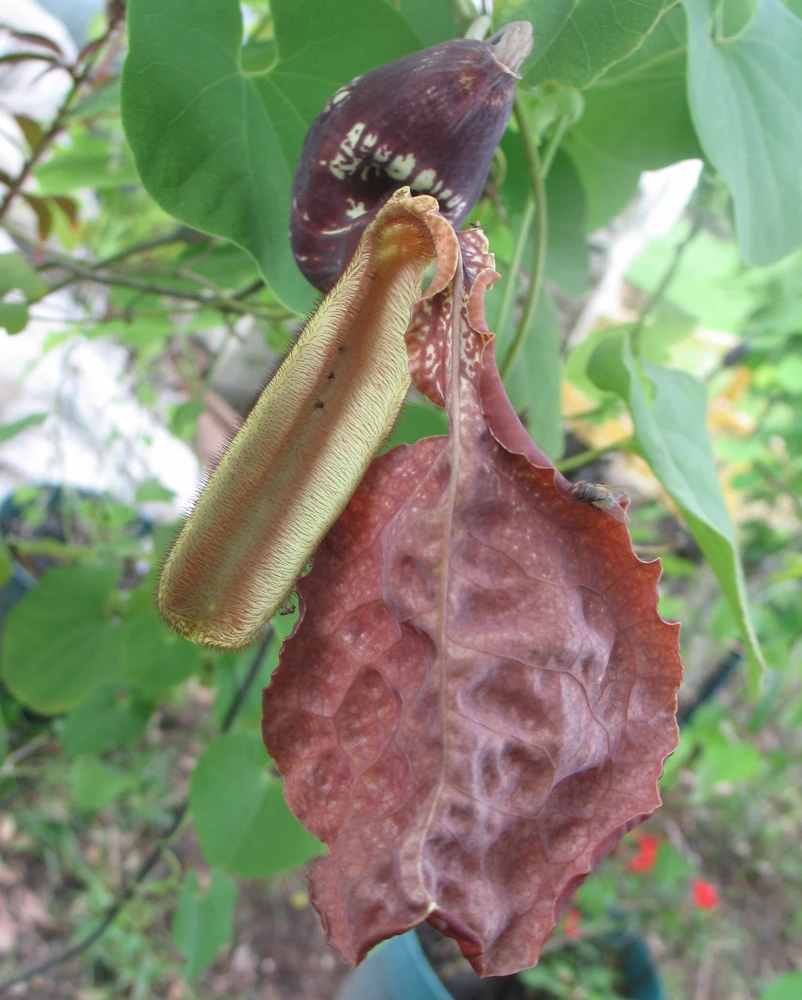
Cultivate the unique and charming Aristolochia pilosa Pipevine seeds in your outdoor garden. This climbing vine is known for its distinctive pipe-shaped flowers and serves as an excellent butterfly host plant, particularly for swallowtails. Each packet contains 5 pipevine seeds, perfect for starting your own enchanting garden display.
Estimated arrival
Oct 15
Oct 20 - Oct 22
Oct 22 - Oct 27
See our Shipping Policy.
Get in touch with us via email, and our team will review your concerns.
Our Alive & Thrive Guarantee covers issues with your plants within the first 30 days. Read our Refund & Returns Policy.
-
USDA Hardiness Zone
USDA zones 6-10 -
Soil Type
Well-draining, rich soil amended with organic matter -
Sunlight Exposure
Full sun to partial shade -
Expected Planting Period
Spring
Overview
Embark on a rewarding gardening journey by planting Aristolochia pilosa seeds, commonly known as Pipevine or Dutchman’s Pipe. This fascinating climbing vine is celebrated for its unusual, pipe-shaped flowers that add a touch of whimsy and intrigue to any garden landscape. Native to various regions, the Aristolochia pilosa is not only a visual delight but also plays a crucial ecological role as a butterfly host plant, providing sustenance for the larvae of several swallowtail butterfly species. Growing these pipevine seeds allows you to create a vibrant habitat that supports local wildlife while enjoying a truly unique botanical specimen. These seeds offer a wonderful opportunity to cultivate a plant that combines ornamental beauty with ecological benefit, making your garden a haven for nature enthusiasts and butterflies alike.
The Aristolochia pilosa is a vigorous grower, capable of quickly covering trellises, arbors, or fences, offering lush green foliage and its distinctive blooms throughout the growing season. Starting with Dutchman’s pipe seeds ensures you get to experience the full life cycle of this remarkable plant, from germination to its mature, flowering state. Its robust nature makes it a resilient choice for many gardeners looking for something out of the ordinary yet relatively easy to establish. Prepare to be captivated by the architectural beauty of its flowers and the lively activity of butterflies it attracts.
Key Benefits
The Aristolochia pilosa offers a myriad of benefits for both the gardener and the environment, making it a highly desirable addition to any outdoor space. Its unique characteristics contribute significantly to garden aesthetics and biodiversity:
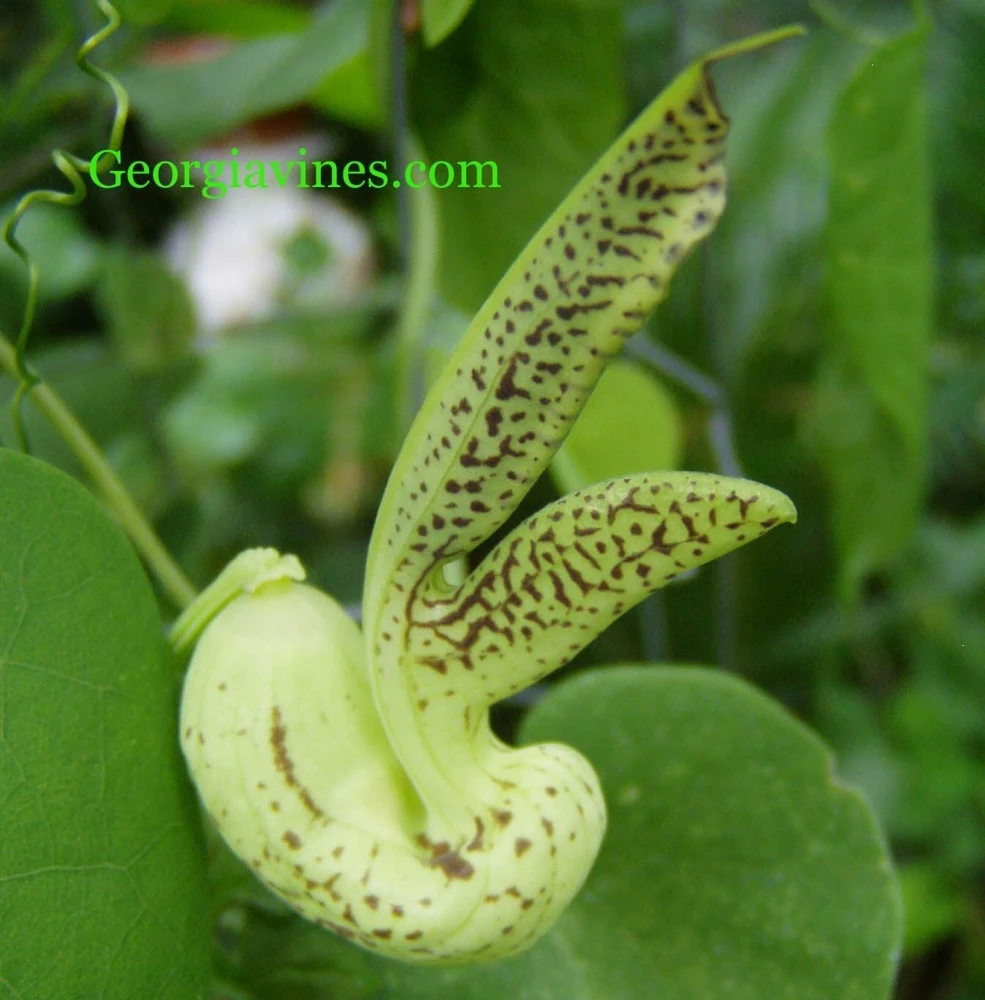
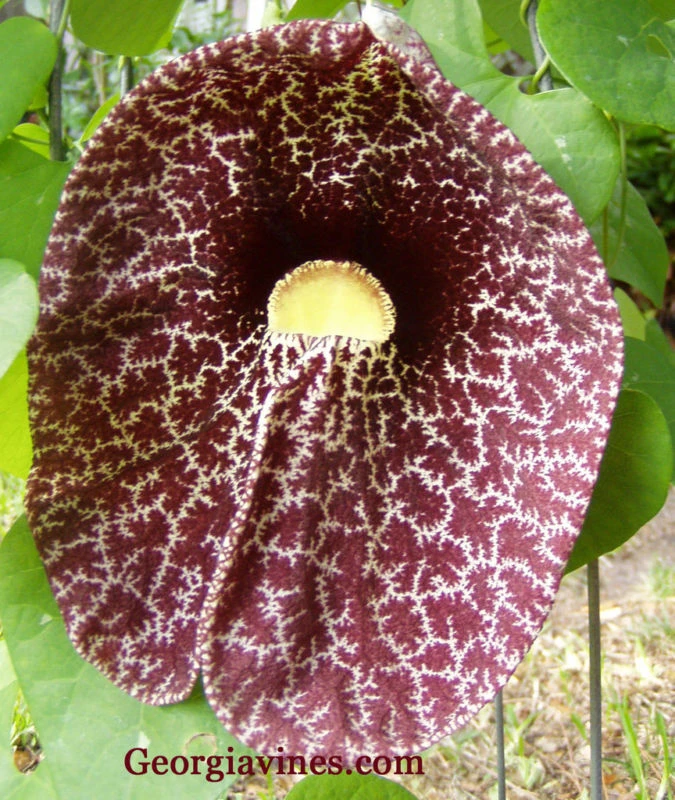
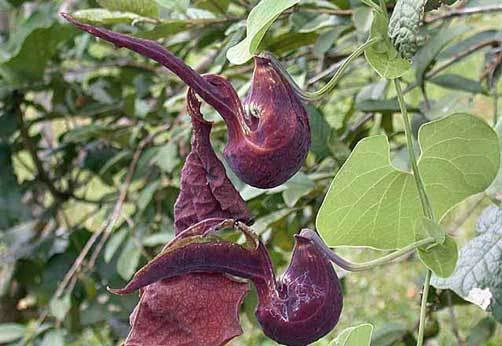
- Unique Ornamental Value: The striking, pipe-shaped flowers of the Aristolochia pilosa are a conversation starter. Their unusual form and often intricate patterns make them a focal point, adding an exotic and captivating element to your garden design.
- Attracts Butterflies: As a premier butterfly host plant, the Aristolochia pilosa is essential for the life cycle of various swallowtail butterflies. Planting these Aristolochia pilosa seeds helps support local butterfly populations by providing a vital food source for their caterpillars.
- Excellent Climbing Habit: This vine is a strong climber, making it ideal for covering unsightly structures, creating natural privacy screens, or adding vertical interest to your garden. It quickly establishes itself and provides dense foliage.
- Easy to Grow from Seed: With proper care and conditions, pipevine seeds are relatively straightforward to germinate and grow, offering a cost-effective way to introduce this beautiful plant into your landscape.
- Low Maintenance Once Established: After the initial establishment phase, the Aristolochia pilosa is a robust and resilient plant that requires minimal ongoing care, making it suitable for gardeners of all experience levels.
- Creates Shade and Coolness: Its dense foliage provides excellent shade, which can help cool down patios, pergolas, or walls during hot summer months, contributing to a more comfortable outdoor living space.
Plant Care & Growing Tips
Successfully growing Aristolochia pilosa Pipevine seeds requires attention to a few key environmental factors to ensure healthy germination and robust plant growth. Start your seeds indoors 6-8 weeks before the last frost date or direct sow outdoors after all danger of frost has passed. Soaking the seeds in warm water for 24-48 hours before planting can help break dormancy and improve germination rates. Plant seeds about 1/4 inch deep in a well-draining seed starting mix or directly into prepared garden soil.
For optimal growth, Aristolochia pilosa thrives in locations that receive full sun to partial shade. In hotter climates, partial afternoon shade is beneficial to protect the foliage from scorching. The plant prefers consistently moist, but not waterlogged, soil. A rich, well-draining soil amended with organic matter will provide the best environment. Once established, this climbing vine is fairly drought-tolerant but will perform best with regular watering, especially during dry spells. Fertilize sparingly with a balanced liquid fertilizer during the growing season, typically once a month, to encourage vigorous growth and flowering. Protect young plants from strong winds until they are well-rooted. This plant is generally hardy in USDA zones 6-10, tolerating a range of temperatures. For those wondering about specific care, remember that adequate moisture and appropriate light are critical for your Dutchman’s pipe seeds to flourish.
Common problems often include powdery mildew in humid conditions or spider mites in dry, hot environments. Ensure good air circulation and water at the base of the plant to prevent fungal issues. For pests, a strong stream of water or insecticidal soap can be effective. Providing a sturdy trellis, arbor, or fence for the vine to climb on is essential, as it can reach considerable lengths. Pruning can be done in late winter or early spring to control size and shape, or to remove any dead or damaged growth. With these care tips, your climbing vine seeds will develop into a magnificent and thriving plant.
Size & Details
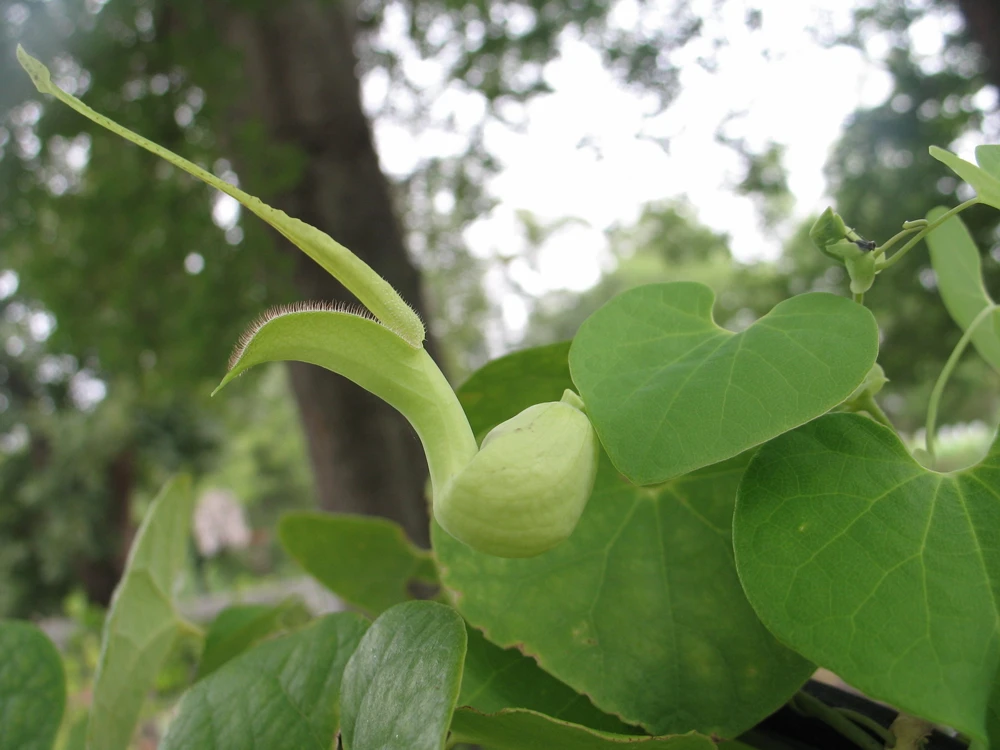
This product includes 5 Aristolochia pilosa Pipevine seeds, carefully packaged for optimal germination. When mature, the Aristolochia pilosa is a fast-growing, deciduous to semi-evergreen woody vine that can reach impressive lengths, typically growing 15 to 30 feet tall (4.5 to 9 meters) in a single season, with a spread of 10 to 20 feet (3 to 6 meters). The distinctive flowers, which give the plant its common name, usually appear in late spring to early summer and can be several inches long. The heart-shaped leaves are a vibrant green, providing a lush backdrop for the unique blooms. These seeds are intended for outdoor cultivation, providing a natural habitat and food source for butterflies.
The plant will ship as a packet of seeds, ready for planting. With proper care, you can expect germination within a few weeks, and the vine will begin to establish itself quickly. While flowering may not occur in the very first year from seed, a well-cared-for plant can begin to produce its characteristic blooms and attract butterflies within 1-2 growing seasons. The robust nature of the Aristolochia pilosa seeds makes them a resilient choice for gardeners looking to add a dramatic and ecologically beneficial element to their landscape.
Frequently Asked Questions
- Q: How big does this plant get? A: The Aristolochia pilosa Pipevine is a vigorous climbing vine that can reach impressive lengths of 15 to 30 feet tall, with a spread of 10 to 20 feet, making it ideal for covering large structures.
- Q: Is this an indoor or outdoor plant? A: The Aristolochia pilosa is primarily an outdoor plant, best suited for gardens where it can climb and thrive in full sun to partial shade conditions.
- Q: How much sunlight does it need? A: This plant prefers full sun to partial shade. In regions with very hot summers, providing some afternoon shade will help protect the foliage.
- Q: Is this plant easy to care for? A: Once established, the Aristolochia pilosa is considered relatively low-maintenance. It requires consistent moisture and a sturdy support structure but is generally robust.
- Q: What condition will the seeds arrive in? A: You will receive 5 pipevine seeds in a sealed packet, ready for planting. They are carefully handled to ensure viability upon arrival.
- Q: When is the best time to plant these seeds? A: The best time to plant Aristolochia pilosa seeds is in spring after the last danger of frost has passed, or they can be started indoors 6-8 weeks prior to transplanting.
- Q: Will it survive winter in my zone? A: The Aristolochia pilosa is generally hardy in USDA zones 6-10. In colder zones, it may die back to the ground but can often return from the roots in spring if mulched.
- Q: What is a butterfly host plant? A: A butterfly host plant is a specific plant species on which a particular type of butterfly lays its eggs and whose leaves the caterpillars feed on. The Aristolochia pilosa is a host for several swallowtail butterfly species.
- Q: Can I grow Dutchman’s pipe seeds in a container? A: While it can be started in a container, due to its vigorous climbing nature and large size, it’s best suited for planting directly in the ground or in very large containers with strong support.
- Q: How long until it blooms from seed? A: It typically takes 1-2 growing seasons for Aristolochia pilosa to mature and begin blooming when grown from seed.
Be the first to review “Aristolochia pilosa Pipevine Seeds – 5 Count for Outdoor Garden”
Related products


Flower Seeds
Calico Flower Vine Seeds – Aristolochia elegans – 20 Seeds – Unique Butterfly Host Plant

You May Like

Hardneck vs. Softneck Garlic: Which Should You Grow?
Have you ever stood in front of a seed catalog in mid-September, staring at dozens [...]
Oct

When to Plant Music Garlic: Ultimate US Fall Guide
Have you ever spent your fall weekend placing carefully chosen garlic cloves into rich, dark [...]
1 Comment
Oct

5 Best Bulbs for Fall Planting: Brighten Your Garden This Spring
Are you dreaming of a garden full of vibrant colors in the spring? The key [...]
Aug

10 Houseplants That Will Thrive in Your Kitchen
Are you tired of your kitchen feeling dull and lifeless? Want to add a little [...]
1 Comment
Aug
Reviews
There are no reviews yet.