
Hovenia dulcis Seeds – Japanese Raisin Tree – Honey Tree – 10 Seeds
Original price was: 48.99 $.23.99 $Current price is: 23.99 $.
Cultivate the unique Hovenia dulcis seeds to grow your own Japanese Raisin Tree seeds. This deciduous tree, also known as a Honey Tree seeds, produces distinctive edible fruit with a sweet, raisin-like flavor. Perfect for adding an uncommon specimen to your garden landscape.
Estimated arrival
Oct 15
Oct 20 - Oct 22
Oct 22 - Oct 27
See our Shipping Policy.
Get in touch with us via email, and our team will review your concerns.
Our Alive & Thrive Guarantee covers issues with your plants within the first 30 days. Read our Refund & Returns Policy.
-
USDA Hardiness Zone
USDA Zones 5-9 -
Soil Type
Well-draining, fertile soil -
Sunlight Exposure
Full sun to partial shade -
Expected Planting Period
Late winter to early spring (after stratification)
Overview
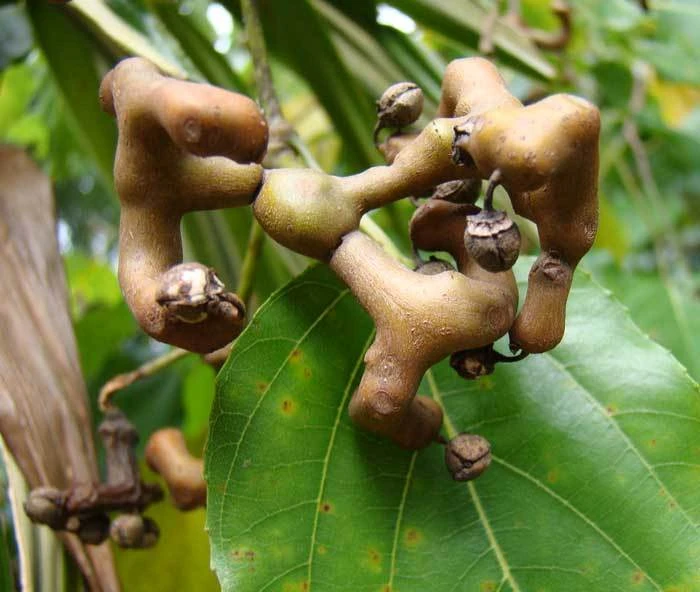
Embark on a unique gardening adventure with these premium Hovenia dulcis seeds. Commonly known as the Japanese Raisin Tree seeds or the Honey Tree, this fascinating deciduous tree is celebrated for its unusual and delicious fruit. Native to Asia, Hovenia dulcis is a medium-sized tree that can reach heights of 30-50 feet, offering both ornamental beauty and a source of sweet, edible pseudo-fruit. These seeds provide an excellent opportunity for home gardeners to cultivate a conversation-starting specimen in their landscape. The peculiar fleshy stalks that develop around the seeds are the edible part, boasting a flavor often described as a cross between a pear and a raisin, making it a delightful and healthy snack directly from your garden.
Growing a Japanese Raisin Tree seeds from scratch allows you to nurture a truly distinctive plant that will thrive in various temperate climates. The tree features attractive glossy green leaves that turn a vibrant yellow in the fall, adding seasonal interest. Its small, greenish-white flowers are inconspicuous but give way to the more notable, knobby, reddish-brown fruit stalks. These edible parts can be consumed fresh, dried, or used in various culinary applications, including jams, jellies, and desserts. Beyond its edible qualities, the Honey Tree seeds also serves as an excellent shade tree and contributes to local biodiversity, attracting birds and other wildlife.
Key Benefits
Growing Hovenia dulcis from seed offers a multitude of benefits for both the enthusiastic gardener and the environment. These advantages extend from its unique edible qualities to its ornamental value and ecological contributions:
- Unique Edible Fruit: The primary appeal of the Japanese Raisin Tree seeds lies in its unusual and sweet edible fruit. The fleshy, swollen flower stalks are surprisingly sweet and have a texture and flavor reminiscent of raisins, making them a novel and healthy treat. They can be enjoyed fresh, dried, or incorporated into various culinary creations.
- Ornamental Value: Beyond its fruit, the Honey Tree seeds is an attractive deciduous tree with glossy green foliage that provides excellent shade during warmer months. Its leaves transform into a beautiful golden yellow in autumn, adding a splash of vibrant color to your garden landscape, enhancing its aesthetic appeal.
- Wildlife Attraction: The sweet fruit and dense canopy of the Hovenia dulcis seeds provide food and shelter for local wildlife, including birds. Planting this tree helps support local ecosystems and encourages biodiversity in your garden, creating a more vibrant and active outdoor space.
- Low Maintenance: Once established, the Japanese Raisin Tree is relatively low-maintenance, requiring minimal care. It is quite resilient and tolerant of various soil conditions and climates, making it suitable for gardeners of different experience levels.
- Drought Tolerance: This tree exhibits good drought tolerance once mature, reducing the need for frequent watering, especially in areas prone to drier conditions. This makes it a sustainable choice for water-wise gardening.
- Educational Experience: Cultivating a plant as unique as the Japanese Raisin Tree seeds from seed offers a rewarding and educational experience. It’s a fantastic way to learn about germination, tree growth, and the specific needs of an uncommon species, fostering a deeper connection with nature.
- Distinctive Garden Specimen: For those looking to add something truly different to their garden, the Hovenia dulcis seeds provides an excellent choice. Its unique fruit and elegant form ensure it stands out and becomes a focal point, sparking curiosity and conversation among visitors.
Plant Care & Growing Tips
Successfully growing Hovenia dulcis seeds requires a few key considerations to ensure healthy germination and robust tree development. Start by scarifying the seeds, which means gently scratching the hard outer coat with sandpaper or a file to help water penetrate, followed by stratification. Stratification involves subjecting the seeds to a period of cold and moist conditions for 2-3 months, mimicking winter. This can be done by mixing the seeds with moist sand or peat in a sealed bag and refrigerating them. After stratification, sow the seeds about 1/2 inch deep in well-draining potting mix. Keep the soil consistently moist but not waterlogged, and maintain a temperature of around 65-75°F (18-24°C) for optimal germination.
Once seedlings emerge, ensure they receive ample sunlight, preferably full sun to partial shade. Gradually acclimatize young plants to outdoor conditions before transplanting them into their permanent location. The Japanese Raisin Tree seeds thrives in a variety of soil types but prefers well-draining, fertile soil. It is tolerant of both acidic and alkaline conditions. For established trees, regular watering is important during dry spells, especially in the first few years. Once mature, the tree becomes more drought-tolerant. Fertilize annually in spring with a balanced, slow-release fertilizer to support healthy growth. Pruning is generally minimal, focused on removing dead, damaged, or crossing branches to maintain a strong structure and good air circulation. Monitor for common pests and diseases, though the Honey Tree seeds is generally quite resilient.
Size & Details
These Hovenia dulcis seeds will grow into a medium-sized deciduous tree, typically reaching a height of 30-50 feet (9-15 meters) with a spread of 20-30 feet (6-9 meters) at maturity. The growth rate is moderate, allowing the tree to establish itself well within a few years. It is generally hardy in USDA Zones 5-9, tolerating a range of temperate climates. The edible fruit, which is actually the thickened, fleshy flower stalk, begins to develop after the tree has matured, usually within 5-7 years from seed, and ripens in late summer to early autumn. The seeds are provided in a packet containing 10 individual seeds, offering a good quantity for successful germination and cultivation. Each seed has the potential to grow into a robust and productive Japanese Raisin Tree seeds, providing years of unique edible treats and ornamental beauty.
Frequently Asked Questions
- Q: How big does the Japanese Raisin Tree get? A: The Japanese Raisin Tree seeds typically grows to a height of 30-50 feet (9-15 meters) with a spread of 20-30 feet (6-9 meters) at maturity, making it a medium-sized shade tree.
- Q: What are the sunlight requirements for Hovenia dulcis? A: For best growth and fruit production, the Hovenia dulcis seeds prefers full sun to partial shade. Full sun (at least 6 hours of direct sunlight) will generally result in more abundant fruit.
- Q: Is this tree easy to care for? A: Once established, the Honey Tree seeds is relatively low-maintenance. It requires consistent watering during its juvenile phase but becomes quite drought-tolerant as it matures. It’s a good choice for gardeners looking for an uncommon yet resilient tree.
- Q: What condition will the seeds arrive in? A: The Hovenia dulcis seeds will arrive as dried seeds, ready for scarification and stratification before planting. Instructions for optimal germination will be provided to help you successfully grow your Japanese Raisin Tree seeds.
- Q: Can I eat the fruit directly from the tree? A: Yes, the fleshy, swollen fruit stalks of the Japanese Raisin Tree seeds are edible directly from the tree once they have ripened and turned reddish-brown. They have a sweet, raisin-like flavor.
- Q: When is the best time to plant Hovenia dulcis seeds? A: After scarification and stratification (which typically takes 2-3 months in the refrigerator), the best time to sow the Hovenia dulcis seeds indoors is in late winter or early spring, so seedlings are ready for transplanting after the last frost.
- Q: Will it survive winter in my zone? A: The Japanese Raisin Tree seeds is generally hardy in USDA Zones 5-9. If you are in a colder zone, consider providing winter protection for young trees or growing it in a large container that can be moved indoors.
- Q: What kind of soil does this tree prefer? A: The Hovenia dulcis seeds thrives in well-draining, fertile soil. It is adaptable to a range of soil types, including sandy, loamy, and clay soils, as long as they are not waterlogged.
Be the first to review “Hovenia dulcis Seeds – Japanese Raisin Tree – Honey Tree – 10 Seeds”
Related products




Tree Seeds
Canino Olive Tree Seeds – 10 Pack Olea Europaea Canino for Edible Olives, Full Sun, Zones 9-11

You May Like

Hardneck vs. Softneck Garlic: Which Should You Grow?
Have you ever stood in front of a seed catalog in mid-September, staring at dozens [...]
Oct

When to Plant Music Garlic: Ultimate US Fall Guide
Have you ever spent your fall weekend placing carefully chosen garlic cloves into rich, dark [...]
1 Comment
Oct

5 Best Bulbs for Fall Planting: Brighten Your Garden This Spring
Are you dreaming of a garden full of vibrant colors in the spring? The key [...]
Aug

10 Houseplants That Will Thrive in Your Kitchen
Are you tired of your kitchen feeling dull and lifeless? Want to add a little [...]
1 Comment
Aug
Reviews
There are no reviews yet.