
Butterfly Gardenia Seeds – Tabernaemontana coronaria – 10 Seeds
Original price was: 43.99 $.18.99 $Current price is: 18.99 $.
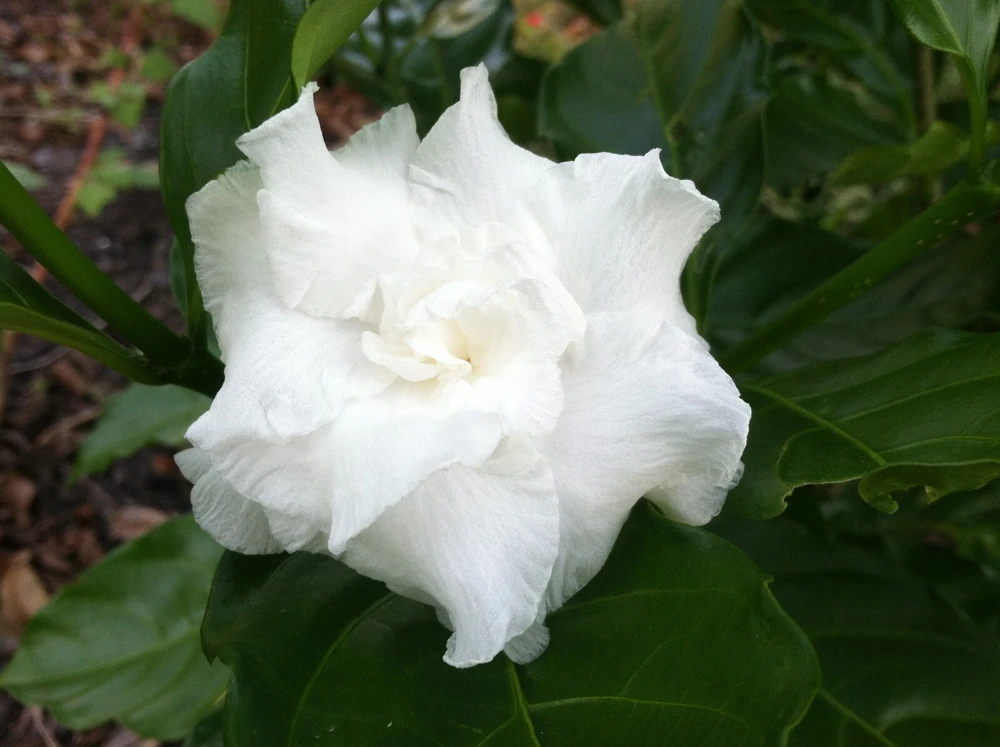
Cultivate stunning butterfly gardenia seeds and bring the enchanting fragrance of Tabernaemontana coronaria to your outdoor space. These 10 seeds offer an opportunity to grow a beautiful shrub with elegant, white, pinwheel-shaped flowers.
Estimated arrival
Oct 15
Oct 20 - Oct 22
Oct 22 - Oct 27
See our Shipping Policy.
Get in touch with us via email, and our team will review your concerns.
Our Alive & Thrive Guarantee covers issues with your plants within the first 30 days. Read our Refund & Returns Policy.
-
USDA Hardiness Zone
USDA Zones 9-11 -
Soil Type
Rich, well-draining, slightly acidic soil -
Sunlight Exposure
Full sun to partial shade -
Expected Planting Period
Spring to early summer
Overview
Embark on a rewarding gardening journey with our premium butterfly gardenia seeds. These tabernaemontana coronaria seeds allow you to cultivate the exquisite Butterfly Gardenia, a popular ornamental shrub known for its stunning white, pinwheel-shaped flowers and intoxicating fragrance. Also commonly referred to as Crape Jasmine or Pinwheel Flower, this plant is a true gem for any garden, adding a touch of tropical elegance and a delightful aroma. Growing your own Butterfly Gardenia from seed is a fulfilling experience, offering the joy of nurturing a plant from its very beginning. These seeds are carefully selected to give you the best chance of success in establishing these beautiful shrubs, whether you’re an experienced gardener or just starting out.
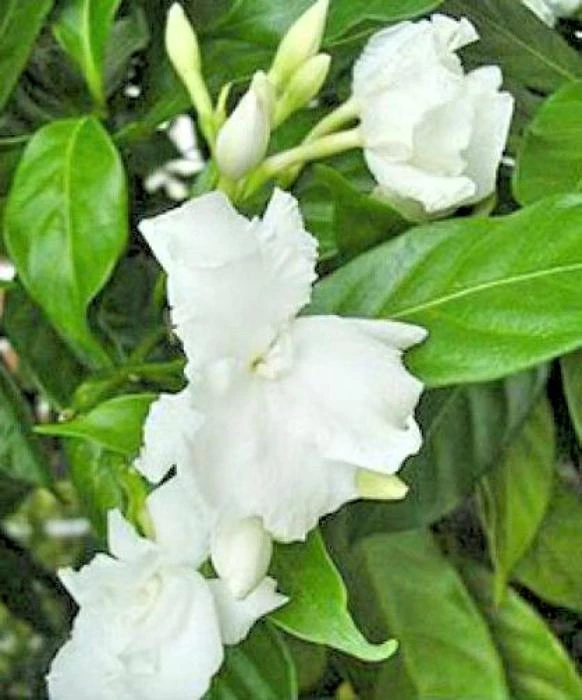
The Butterfly Gardenia (Tabernaemontana coronaria) is a versatile shrub that can thrive in various settings, from garden beds to containers on patios. Its glossy, dark green leaves provide a lush backdrop for the profusion of fragrant blooms that appear throughout the warmer months. Imagine stepping into your garden and being greeted by the sweet, jasmine-like scent emanating from these elegant flowers. Our butterfly gardenia seeds provide an excellent starting point for creating such a captivating environment.
Key Benefits
Growing tabernaemontana coronaria seeds offers a multitude of benefits, transforming your garden into a fragrant paradise. The resulting shrubs are not only beautiful but also relatively easy to care for once established.
- Exquisite Fragrance: The primary draw of the Butterfly Gardenia is its intensely sweet and captivating fragrance, reminiscent of jasmine. This makes it an ideal choice for planting near windows, patios, or walkways where its scent can be fully appreciated. Enjoy the natural perfume these fragrant gardenia plant seeds will produce.
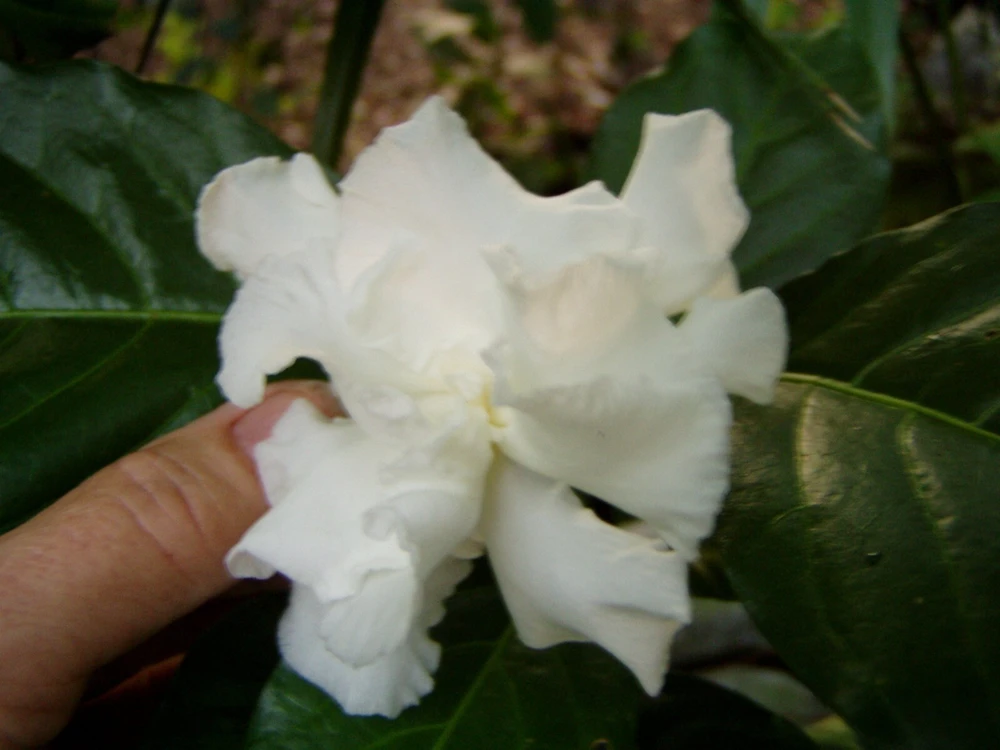
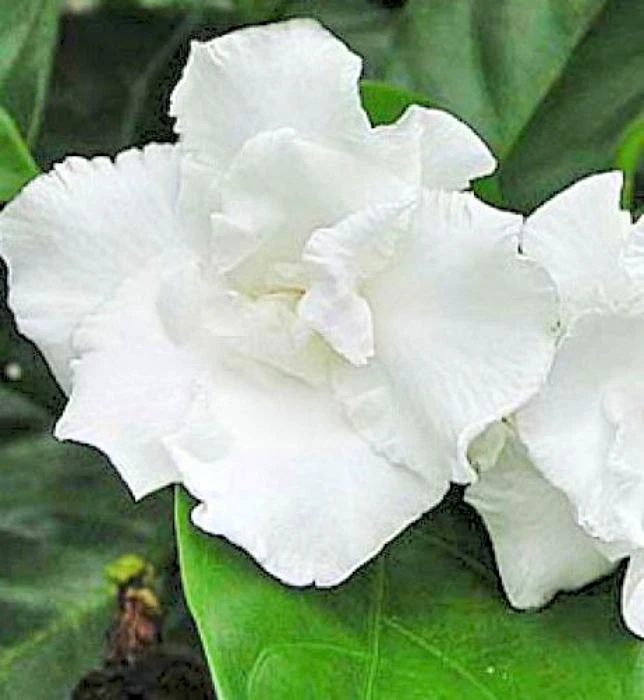
- Beautiful Blooms: The pure white, pinwheel-shaped flowers are incredibly elegant and striking against the dark green foliage. They add a sophisticated and classic touch to any garden design.
- Versatile Landscaping: These shrubs can be used as specimen plants, in hedges, borders, or even grown in large containers, making them adaptable to various garden sizes and styles.
- Attracts Pollinators: While not its primary feature, the flowers can attract some beneficial insects to your garden, contributing to local biodiversity.
- Relatively Low Maintenance: Once established, Butterfly Gardenias are fairly resilient and require moderate care, making them a good option for gardeners looking for beauty without excessive fuss.
- Rewarding Growth Process: There is immense satisfaction in watching a plant grow from a tiny seed into a magnificent flowering shrub. These butterfly gardenia seeds offer that unique experience.
- Year-Round Appeal in Warm Climates: In frost-free regions, the glossy foliage provides evergreen interest throughout the year, ensuring your garden always looks vibrant.
Plant Care & Growing Tips
To successfully grow gardenia from seed, understanding their specific care requirements is crucial. Butterfly Gardenias thrive in conditions that mimic their native tropical and subtropical environments. Start your tabernaemontana coronaria seeds indoors 8-10 weeks before the last expected frost, or directly outdoors in warm climates after all danger of frost has passed. Plant seeds about 1/4 inch deep in a well-draining seed starting mix. Maintain consistent moisture but avoid waterlogging. Germination can be slow and erratic, sometimes taking several weeks to a few months, so patience is key.
Once seedlings emerge and are large enough to handle, transplant them into individual pots. Provide them with a location that receives at least 4-6 hours of full sun to partial shade, with afternoon shade being beneficial in hotter climates to prevent leaf scorch. The ideal soil for a fragrant gardenia plant is rich, well-draining, and slightly acidic (pH 5.0-6.0). Incorporate organic matter like compost to improve soil structure and fertility. Water regularly to keep the soil consistently moist, especially during dry periods, but allow the top inch or two of soil to dry out slightly between waterings to prevent root rot. Fertilize during the growing season (spring and summer) with an acidic fertilizer formulated for gardenias, following product instructions.
The gardenia care from seed process extends to protecting your young plants from pests and diseases. Keep an eye out for common gardenia issues like aphids, whiteflies, or scale insects, and treat promptly with appropriate organic or chemical controls. Ensure good air circulation to prevent fungal diseases. In colder climates, Butterfly Gardenias can be grown in containers and brought indoors during winter, or treated as annuals. Pruning can be done after flowering to maintain shape and encourage bushier growth. Remember, proper care from the seedling stage will lead to a robust and beautiful butterfly gardenia seeds plant.
Size & Details
Each packet contains 10 butterfly gardenia seeds, providing an excellent opportunity to cultivate multiple plants. When mature, the Butterfly Gardenia (Tabernaemontana coronaria) typically grows as a medium to large shrub, reaching a height of 6 to 10 feet (1.8 to 3 meters) and a similar spread, though it can be maintained at a smaller size with regular pruning. The growth rate is moderate, allowing for noticeable development within a single growing season under optimal conditions. These seeds will develop into plants that feature glossy, dark green leaves that provide an attractive backdrop for the continuous display of fragrant white flowers. Expect blooms to appear from late spring through fall in most climates, with the first flowers potentially emerging within 1-2 years from seed, depending on growing conditions and care. The plants are shipped as seeds, requiring you to begin the germination and growing process, offering a rewarding hands-on gardening experience to grow gardenia from seed.
Frequently Asked Questions
- Q: How big does this plant get from these seeds? A: A mature Butterfly Gardenia shrub typically reaches 6 to 10 feet in height and spread. With proper care and pruning, you can manage its size to fit your garden space or grow it in a large container.
- Q: Is this an indoor or outdoor plant? A: The Butterfly Gardenia is primarily an outdoor shrub in USDA Zones 9-11. In colder climates, it can be grown in containers and brought indoors during winter, or treated as an annual.
- Q: How much sunlight do these butterfly gardenia seeds need to thrive? A: Butterfly Gardenias prefer full sun to partial shade. In very hot climates, some afternoon shade is beneficial to protect the foliage from intense sun.
- Q: Is this plant easy to care for? A: Once established, Butterfly Gardenias are considered moderately easy to care for. The initial stages of growing from tabernaemontana coronaria seeds require consistent attention to moisture and light.
- Q: When is the best time to plant these fragrant gardenia plant seeds? A: It’s best to start the seeds indoors 8-10 weeks before the last expected frost, or directly outdoors after all danger of frost has passed in warm climates.
- Q: What condition will the seeds arrive in? A: Your order will contain 10 high-quality, viable seeds, ready for planting. They will be carefully packaged to ensure their safe arrival.
- Q: What type of soil is best for growing gardenia care from seed? A: Butterfly Gardenias prefer rich, well-draining, and slightly acidic soil. Amending your soil with compost or peat moss can help achieve the ideal conditions.
- Q: How long does it take for the seeds to germinate? A: Germination can be slow and inconsistent, often taking several weeks to a few months. Patience and consistent moisture are key during this period.
- Q: Will these plants attract butterflies to my garden? A: While named Butterfly Gardenia, its primary attraction is its fragrance and beautiful flowers. It may attract some general pollinators, but it is not a primary host plant for specific butterflies.
- Q: Can I grow these butterfly gardenia seeds in a container? A: Yes, Butterfly Gardenias can be successfully grown in large containers, especially useful for those in colder climates who wish to bring the plant indoors during winter.
Be the first to review “Butterfly Gardenia Seeds – Tabernaemontana coronaria – 10 Seeds”
Related products


You May Like

Hardneck vs. Softneck Garlic: Which Should You Grow?
Have you ever stood in front of a seed catalog in mid-September, staring at dozens [...]
Oct

When to Plant Music Garlic: Ultimate US Fall Guide
Have you ever spent your fall weekend placing carefully chosen garlic cloves into rich, dark [...]
1 Comment
Oct

5 Best Bulbs for Fall Planting: Brighten Your Garden This Spring
Are you dreaming of a garden full of vibrant colors in the spring? The key [...]
Aug

10 Houseplants That Will Thrive in Your Kitchen
Are you tired of your kitchen feeling dull and lifeless? Want to add a little [...]
1 Comment
Aug
Reviews
There are no reviews yet.