
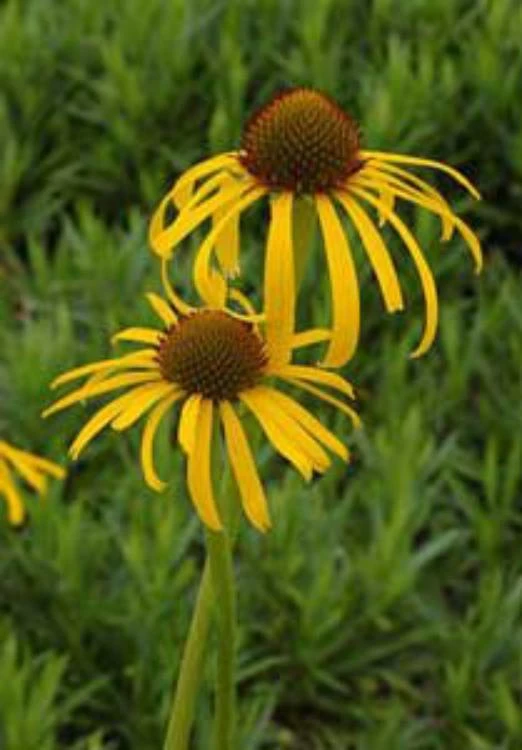
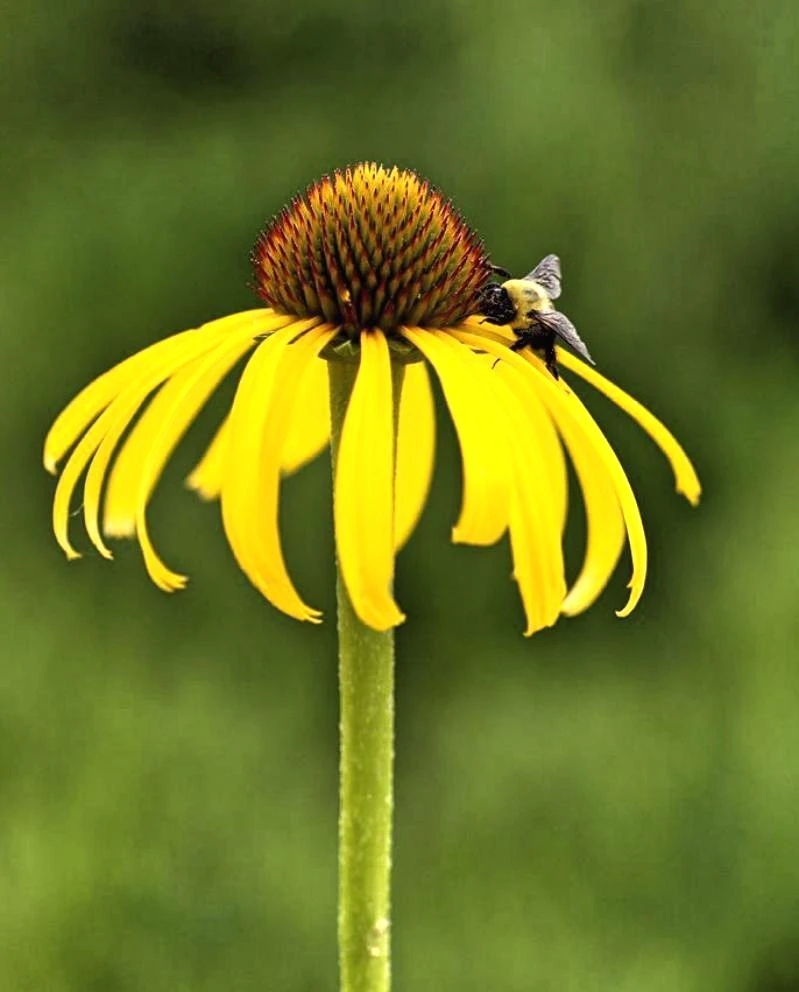
Echinacea paradoxa Seeds – Bush’s Coneflower Perennial – 15 Seeds
Original price was: 47.99 $.22.99 $Current price is: 22.99 $.
Discover the beauty of Echinacea paradoxa seeds, also known as Bush’s coneflower. These perennial flower seeds will transform your garden with their unique yellow blooms, attracting pollinators and adding vibrant color. Easy to grow and drought-tolerant once established, perfect for sunny landscapes.
Estimated arrival
Oct 15
Oct 20 - Oct 22
Oct 22 - Oct 27
See our Shipping Policy.
Get in touch with us via email, and our team will review your concerns.
Our Alive & Thrive Guarantee covers issues with your plants within the first 30 days. Read our Refund & Returns Policy.
-
USDA Hardiness Zone
USDA zones 5-9 -
Soil Type
Well-draining, moderately fertile soil -
Sunlight Exposure
Full sun -
Expected Planting Period
Late fall or early spring
Overview
Embark on a rewarding gardening journey with our premium Echinacea paradoxa seeds. Also known as Bush’s coneflower, this distinctive perennial brings a touch of wild elegance to any garden setting. Unlike its more common purple relatives, Echinacea paradoxa stands out with its bright, golden-yellow petals that droop gracefully, surrounding a prominent, dark brown central cone. This unique coloration and form make it a focal point in borders, meadows, and pollinator gardens. These seeds offer an opportunity to cultivate a hardy and beautiful plant that thrives in various conditions, providing stunning visual interest from summer into fall. Growing Echinacea paradoxa seeds is a fulfilling experience, leading to robust plants that return year after year, enhancing your landscape with their cheerful presence.
Originating from the central United States, Bush’s coneflower is celebrated for its resilience and adaptability. It’s a fantastic choice for gardeners seeking low-maintenance yet impactful floral displays. The plants grown from these seeds will not only beautify your space but also provide valuable nectar and pollen for bees, butterflies, and other beneficial insects, contributing to a healthy ecosystem. Its striking appearance and ecological benefits make Echinacea paradoxa seeds a must-have for any garden enthusiast.
Key Benefits
Cultivating Echinacea paradoxa seeds offers a multitude of benefits for both your garden and the environment. These resilient perennials are an excellent addition to diverse landscapes.
- Stunning Yellow Blooms: Enjoy the vibrant, golden-yellow petals of Bush’s coneflower, which provide a cheerful and long-lasting display from mid-summer through fall. Their unique color makes them stand out from traditional purple coneflowers.
- Attracts Pollinators: These flowers are a magnet for bees, butterflies, and other beneficial insects, supporting local ecosystems and encouraging biodiversity in your garden.
- Drought Tolerant: Once established, Echinacea paradoxa is highly resistant to drought, making it an ideal choice for water-wise gardening and arid climates.
- Low Maintenance: This hardy perennial requires minimal care, thriving with little intervention once mature. It’s perfect for busy gardeners or those new to planting flower seeds.
- Deer Resistant: Generally, deer tend to avoid browsing on coneflowers, offering peace of mind for gardeners in areas with deer populations.
- Great Cut Flowers: The striking blooms make excellent additions to fresh floral arrangements, bringing the beauty of your garden indoors.
- Perennial Growth: Plant once and enjoy year after year as these robust plants reliably return each spring, providing continuous beauty and value.
Plant Care & Growing Tips
Growing Echinacea paradoxa seeds successfully requires understanding their specific needs. These perennials prefer full sun, meaning at least 6 hours of direct sunlight per day. While they can tolerate some partial shade, abundant sunshine promotes the most prolific blooming. The ideal soil for Bush’s coneflower is well-draining, moderately fertile, and ranges from neutral to slightly alkaline. Avoid heavy, waterlogged soils, as this can lead to root rot. If your soil is clay-heavy, consider amending it with organic matter like compost or sand to improve drainage.
Watering should be consistent during the establishment phase, ensuring the soil remains moist but not saturated. Once mature, Echinacea paradoxa is remarkably drought-tolerant and will only require supplemental watering during prolonged dry spells. Overwatering is a common mistake and should be avoided. Fertilization is generally not necessary in rich soils; however, if your soil is poor, a light application of a balanced slow-release fertilizer in spring can be beneficial. These plants are cold hardy, typically thriving in USDA zones 5-9. In colder zones, a layer of mulch can help protect the roots over winter. Deadheading spent blooms can encourage a longer flowering period and prevent excessive self-seeding, though leaving some seed heads can provide winter interest and food for birds. Keep an eye out for common pests like aphids or diseases like powdery mildew, though Echinacea paradoxa is generally quite resistant.
Size & Details
This offering includes 15 seeds of Echinacea paradoxa, commonly known as Bush’s coneflower. Each seed holds the potential to grow into a robust perennial plant that typically reaches a height of 2 to 3 feet (60-90 cm) and spreads about 1 to 2 feet (30-60 cm) wide. The plants exhibit an upright, bushy growth habit, making them suitable for various garden applications, from mass plantings to mixed borders. These perennial flower seeds will produce plants that bloom from mid-summer, generally July to September, providing a sustained display of their distinctive yellow flowers. Expect germination to occur within 10-20 days under optimal conditions, with plants reaching flowering maturity in their second year after planting. The seeds are packaged to ensure viability and are ready for planting in your garden.
Frequently Asked Questions
- Q: How big does Bush’s coneflower get? A: Bush’s coneflower typically grows to a height of 2 to 3 feet (60-90 cm) and spreads about 1 to 2 feet (30-60 cm) wide, forming an attractive, upright clump in your garden.
- Q: How much sunlight do Echinacea paradoxa seeds need? A: For optimal growth and flowering, plants grown from Echinacea paradoxa seeds require full sun, meaning at least 6 hours of direct sunlight per day. They can tolerate some partial shade, but blooming may be reduced.
- Q: Is this plant easy to care for? A: Yes, Bush’s coneflower is considered a low-maintenance perennial. Once established, it is drought-tolerant and generally disease and pest-resistant, making it suitable for gardeners of all experience levels.
- Q: What condition will the seeds arrive in? A: The Echinacea paradoxa seeds will arrive in a sealed packet, ready for planting. They are carefully handled to ensure viability and quality for your gardening success.
- Q: When is the best time to plant Echinacea paradoxa seeds? A: The best time to sow Echinacea paradoxa seeds is in late fall or early spring. Fall planting allows for natural cold stratification, which can improve germination rates.
- Q: Will Bush’s coneflower attract pollinators to my garden? A: Absolutely! Bush’s coneflower is known for attracting a wide array of pollinators, including bees, butterflies, and other beneficial insects, making it an excellent choice for a pollinator-friendly garden.
- Q: What USDA hardiness zones are suitable for Echinacea paradoxa? A: Echinacea paradoxa is cold hardy and typically thrives in USDA hardiness zones 5 through 9, making it suitable for a broad range of climates across the United States.
- Q: How long does it take for Echinacea paradoxa seeds to germinate? A: Under optimal conditions, germination for Echinacea paradoxa seeds usually occurs within 10 to 20 days. Stratification can sometimes improve germination success.
Be the first to review “Echinacea paradoxa Seeds – Bush’s Coneflower Perennial – 15 Seeds”
Related products


You May Like

Hardneck vs. Softneck Garlic: Which Should You Grow?
Have you ever stood in front of a seed catalog in mid-September, staring at dozens [...]
Oct

When to Plant Music Garlic: Ultimate US Fall Guide
Have you ever spent your fall weekend placing carefully chosen garlic cloves into rich, dark [...]
1 Comment
Oct

5 Best Bulbs for Fall Planting: Brighten Your Garden This Spring
Are you dreaming of a garden full of vibrant colors in the spring? The key [...]
Aug

10 Houseplants That Will Thrive in Your Kitchen
Are you tired of your kitchen feeling dull and lifeless? Want to add a little [...]
1 Comment
Aug
Reviews
There are no reviews yet.