
Siskiyou Iris Seeds – Iris bracteata Perennial Flower Seeds – 8 Count
Original price was: 46.99 $.21.99 $Current price is: 21.99 $.
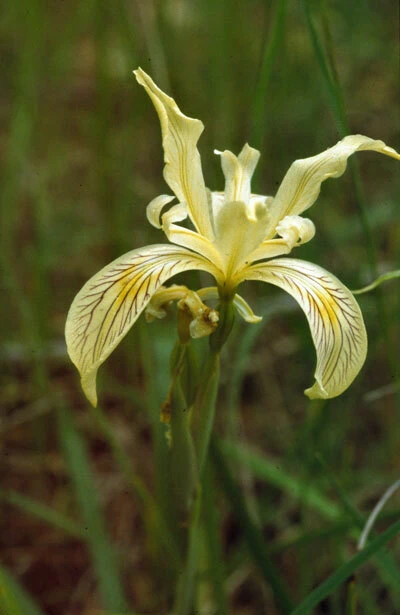
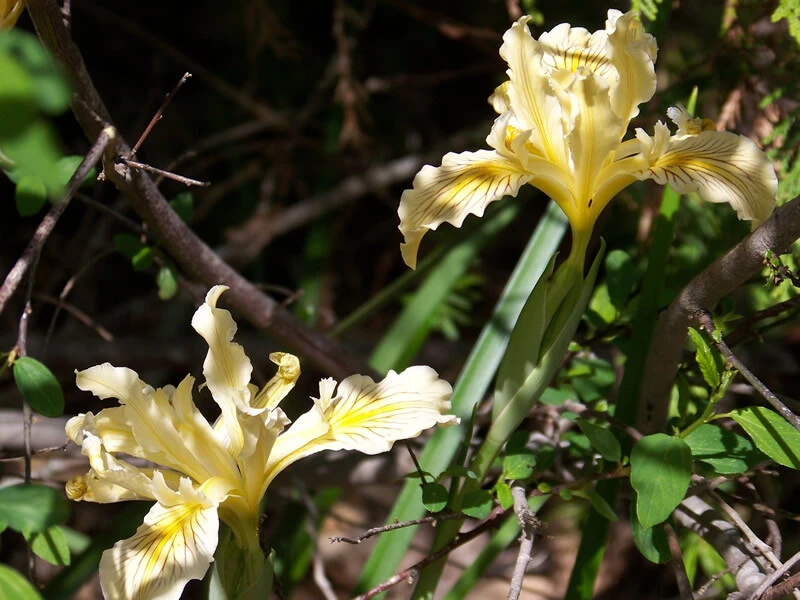
Discover the beauty of the Pacific Northwest with our Siskiyou Iris seeds. Each pack contains 8 premium Iris bracteata seeds, perfect for cultivating stunning perennial flowers in your garden. These unique Iris varieties are known for their striking blooms and robust nature.
Estimated arrival
Oct 15
Oct 20 - Oct 22
Oct 22 - Oct 27
See our Shipping Policy.
Get in touch with us via email, and our team will review your concerns.
Our Alive & Thrive Guarantee covers issues with your plants within the first 30 days. Read our Refund & Returns Policy.
-
USDA Hardiness Zone
USDA zones 7-9 -
Soil Type
Well-draining soil -
Sunlight Exposure
Full sun to partial shade -
Expected Planting Period
Late fall or early spring
Overview
Embark on a botanical journey with our premium Siskiyou Iris seeds. This offering provides 8 high-quality Iris bracteata seeds, allowing you to cultivate the captivating beauty of the Siskiyou Iris right in your own garden. Known for its elegant, often bi-colored flowers, the Siskiyou Iris is a perennial favorite, adding a touch of wild grace to any landscape. Originating from the Siskiyou Mountains of Southern Oregon and Northern California, these native beauties are well-adapted to various garden settings, offering both resilience and stunning visual appeal. Growing from seed provides a rewarding experience, allowing you to witness the full life cycle of these magnificent plants.
The Iris bracteata seeds are an excellent choice for gardeners looking to introduce unique and regionally significant flora. Each seed carries the potential for a robust plant that will return year after year, gracing your garden with its distinctive blooms. These seeds are carefully sourced to ensure viability, giving you the best possible start for your new perennial garden. Whether you’re an experienced horticulturist or a budding enthusiast, planting Siskiyou Iris seeds is a fulfilling endeavor that promises beautiful results.
Key Benefits
Cultivating Siskiyou Iris from seed offers numerous advantages, transforming your garden into a vibrant showcase of natural beauty. These perennials provide long-lasting enjoyment and contribute to a healthy ecosystem.
- Stunning Floral Display: The Siskiyou Iris produces exquisite flowers, often with intricate patterns and vibrant colors, making it a focal point in any garden. Its unique charm is sure to draw admiration.
- Perennial Longevity: As a perennial, the Siskiyou Iris seeds will grow into plants that return year after year, providing continuous beauty with minimal effort once established. This ensures a lasting investment in your garden’s aesthetic.
- Attracts Pollinators: The vibrant blooms of the Iris bracteata are a magnet for local pollinators like bees and butterflies, contributing to the biodiversity and health of your garden ecosystem.
- Drought Tolerance: Once established, these native Irises exhibit good drought tolerance, making them a sustainable choice for water-wise gardening in appropriate climates.
- Low Maintenance: After the initial planting and establishment phase, Iris bracteata seeds develop into relatively low-maintenance plants, requiring less fuss than many other ornamental flowers.
- Adaptable to Various Settings: The Siskiyou Iris can thrive in rock gardens, borders, or naturalized areas, providing flexibility in garden design. It’s a versatile choice for many landscape styles.
- Rewarding Growing Experience: Starting plants from seed, especially unique Iris seeds like these, offers a deeply satisfying experience as you watch them transform from tiny seeds into magnificent flowering plants.
Plant Care & Growing Tips
To successfully grow Iris bracteata seeds, understanding their specific needs is crucial. These plants generally prefer conditions similar to their native habitats. Begin by sowing the Siskiyou Iris seeds in late fall or early spring. For best germination, many Iris seeds benefit from a period of cold stratification. You can achieve this by placing the seeds in a moist medium (like sand or peat moss) in a sealed bag in the refrigerator for 4-8 weeks before planting. Alternatively, direct sow them outdoors in late fall, allowing nature to provide the necessary cold period.
When planting, choose a site with well-draining soil. Siskiyou Iris seeds thrive in full sun to partial shade, meaning they should receive at least 4-6 hours of direct sunlight daily. In hotter climates, some afternoon shade can be beneficial to protect the foliage and blooms. The ideal soil pH is slightly acidic to neutral. Ensure the soil is not overly rich; average garden soil amended with some grit or sand for drainage is usually sufficient. Water regularly after planting until the seedlings are established. Once mature, these plants are quite drought-tolerant, but occasional deep watering during prolonged dry spells will promote healthier growth and more abundant blooms. The USDA hardiness zone for Iris bracteata typically ranges from zones 7-9, though some varieties may tolerate slightly colder or warmer conditions.
Fertilization is generally not heavily required for established Siskiyou Iris. A light application of a balanced, slow-release fertilizer in early spring can be beneficial, but avoid over-fertilizing, especially with high-nitrogen formulas, which can promote foliage growth at the expense of flowers. Deadhead spent blooms to encourage new flower production and prevent the plant from putting energy into seed formation, unless you wish to collect more unique Iris seeds. Division of clumps every few years can help maintain vigor and prevent overcrowding. Watch out for common pests like aphids or slugs, and address them with appropriate organic solutions. With proper care, your Iris bracteata seeds will flourish into a beautiful and resilient garden feature.
Size & Details
This product includes 8 premium Siskiyou Iris seeds, ready for planting. Each seed has the potential to grow into a mature Iris plant, typically reaching a height of 12 to 24 inches (30-60 cm) with a similar spread, forming attractive clumps over time. The growth rate is moderate, with established plants usually blooming in their second year from seed. These perennial flower seeds are shipped in a protective packet, ensuring their viability upon arrival. The mature plants exhibit a clumping growth habit, making them suitable for mass plantings, borders, or as specimen plants in rock gardens. The exact size and vigor of the plant will depend on local growing conditions, soil quality, and the care provided. Expect beautiful blooms, often in shades of purple, blue, or cream, typically appearing in late spring to early summer.
Frequently Asked Questions
- Q: How big does this Iris plant get? A: The Siskiyou Iris typically grows to a height of 12 to 24 inches (30-60 cm) with a similar spread, forming attractive clumps. Its size can vary slightly depending on growing conditions and care.
- Q: Are these Siskiyou Iris seeds for indoor or outdoor planting? A: These Iris bracteata seeds are primarily intended for outdoor planting. While you can start them indoors, they are best grown as outdoor perennials in appropriate climates.
- Q: How much sunlight do unique Iris seeds need to grow? A: Siskiyou Iris thrives in full sun to partial shade, ideally receiving at least 4-6 hours of direct sunlight per day. In very hot climates, some afternoon shade can be beneficial.
- Q: Is this plant easy to care for? A: Once established, Siskiyou Iris is relatively low-maintenance. It requires well-draining soil and moderate watering, becoming quite drought-tolerant over time. It’s a good choice for gardeners seeking resilient perennials.
- Q: What condition will the perennial flower seeds arrive in? A: The 8 Siskiyou Iris seeds will arrive in a protective packet, carefully packaged to ensure their viability and safe transit to your home.
- Q: How long until these Iris bracteata seeds bloom? A: Siskiyou Iris typically blooms in its second year from seed, usually in late spring to early summer. Patience is key when growing these beautiful perennials from seed.
- Q: Will the Siskiyou Iris survive winter in my zone? A: The Siskiyou Iris is hardy in USDA zones 7-9. If you are outside this range, you may need to provide winter protection or consider them as annuals, though they are true perennials within their hardiness zones.
- Q: What kind of soil is best for growing Siskiyou Iris seeds? A: Well-draining soil is crucial for Siskiyou Iris. Average garden soil amended with some grit or sand to improve drainage is ideal. Avoid heavy, waterlogged soils.
- Q: Do these unique Iris seeds attract pollinators? A: Yes, the vibrant and intricate blooms of the Siskiyou Iris are known to attract various pollinators, including bees and butterflies, enhancing your garden’s biodiversity.
- Q: Can I collect more seeds from the plants I grow? A: Yes, if you allow the spent flowers to go to seed, you can collect and save the seeds for future planting, continuing the cycle of growing these beautiful perennial flower seeds.
Be the first to review “Siskiyou Iris Seeds – Iris bracteata Perennial Flower Seeds – 8 Count”
Related products


Flower Seeds
Blue Stock Matthiola Incana Seeds – 50 Fragrant Gillyflower Seeds – Ten-Week Blue Stock


You May Like

Hardneck vs. Softneck Garlic: Which Should You Grow?
Have you ever stood in front of a seed catalog in mid-September, staring at dozens [...]
Oct

When to Plant Music Garlic: Ultimate US Fall Guide
Have you ever spent your fall weekend placing carefully chosen garlic cloves into rich, dark [...]
1 Comment
Oct

5 Best Bulbs for Fall Planting: Brighten Your Garden This Spring
Are you dreaming of a garden full of vibrant colors in the spring? The key [...]
Aug

10 Houseplants That Will Thrive in Your Kitchen
Are you tired of your kitchen feeling dull and lifeless? Want to add a little [...]
1 Comment
Aug
Reviews
There are no reviews yet.