

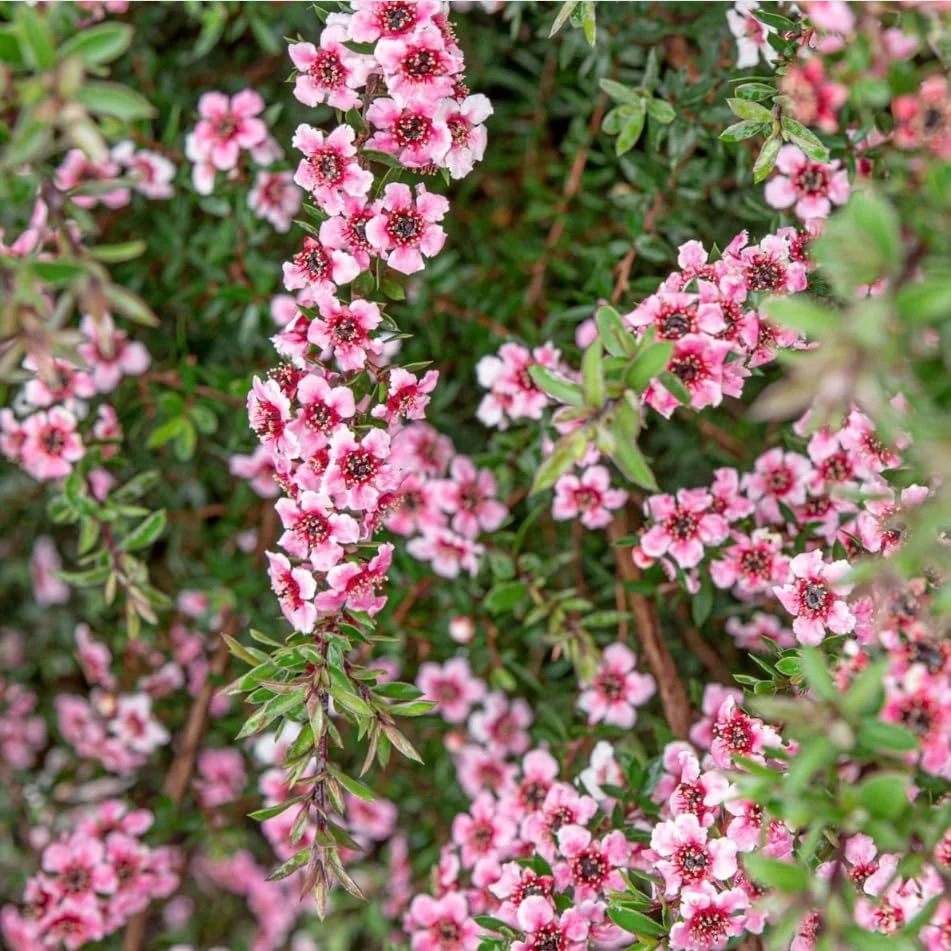
2 Pink Manuka Tea Plant Live – Leptospermum Bush, 4-6 Inch Tall
Original price was: 53.99 $.28.99 $Current price is: 28.99 $.
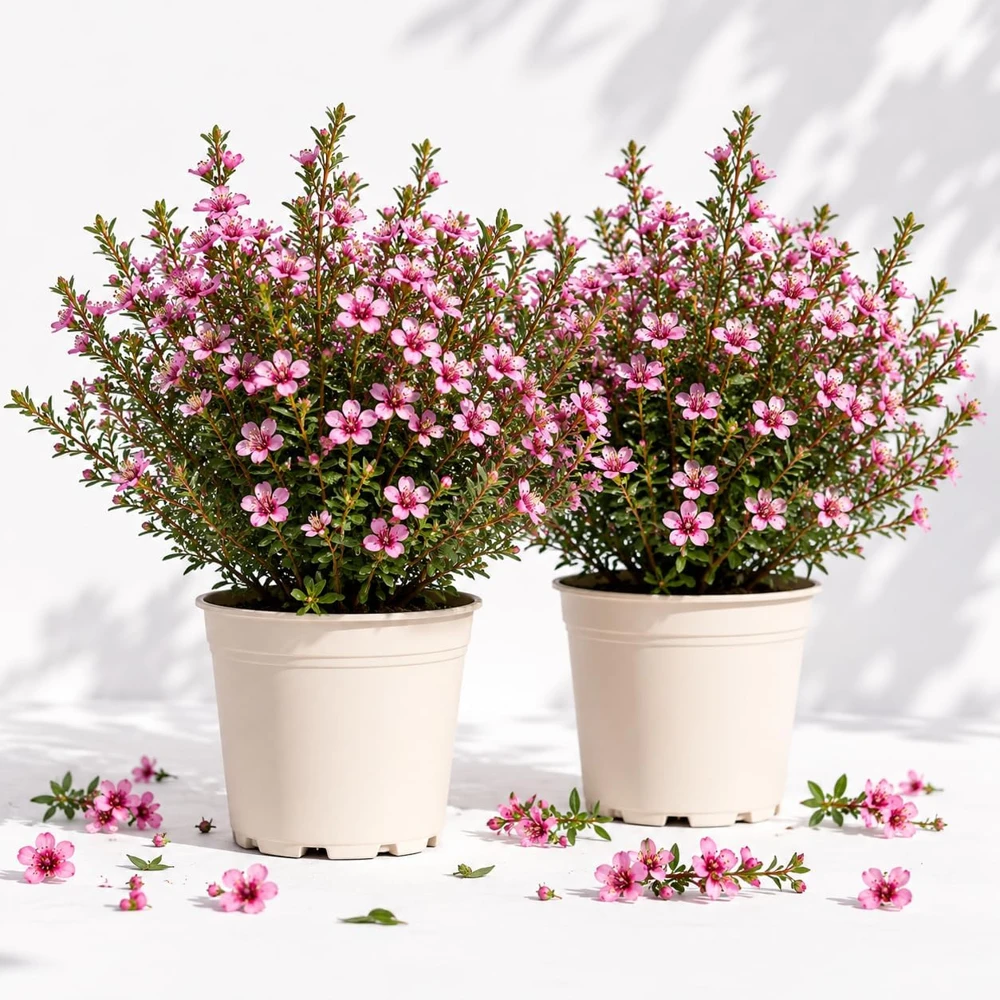
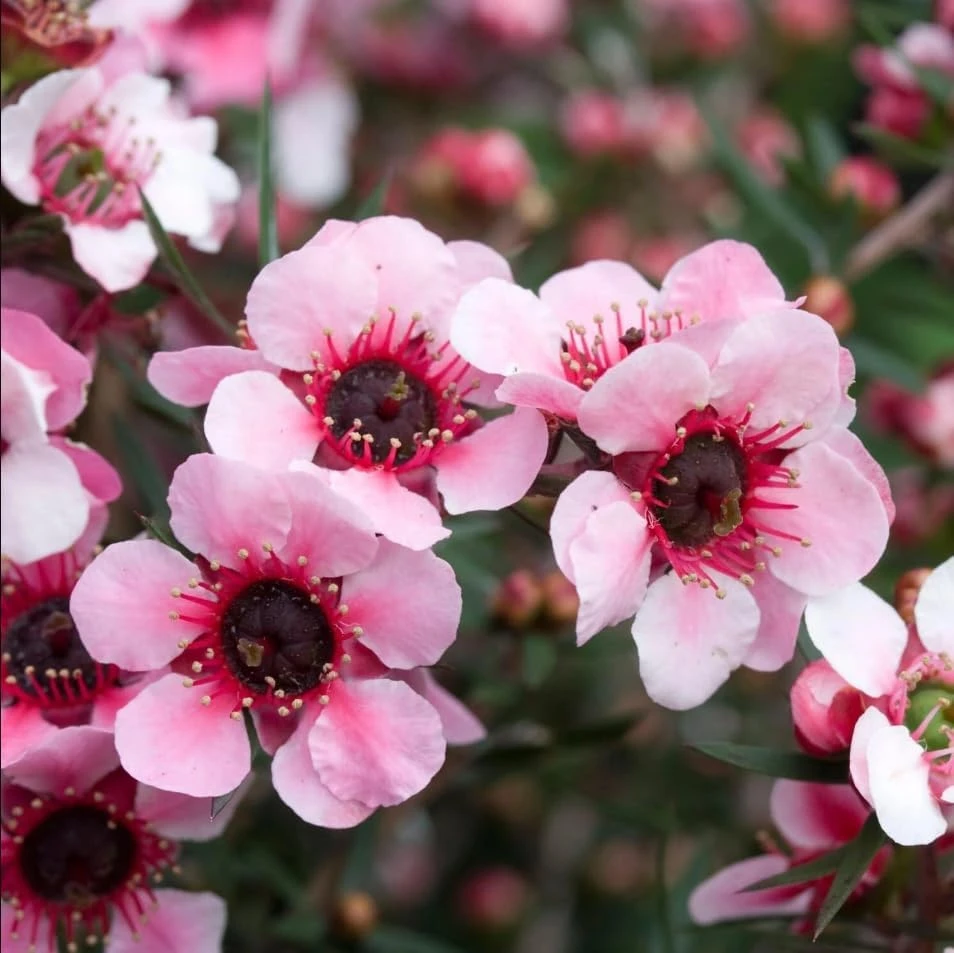
Bring vibrant color to your garden with this set of two pink manuka tea plant live specimens. Standing 4-6 inches tall, these Leptospermum plants are ideal for planting in USDA Zones 9-11, producing beautiful pink flowers from spring to early summer.
Estimated arrival
Oct 15
Oct 20 - Oct 22
Oct 22 - Oct 27
See our Shipping Policy.
Get in touch with us via email, and our team will review your concerns.
Our Alive & Thrive Guarantee covers issues with your plants within the first 30 days. Read our Refund & Returns Policy.
-
USDA Hardiness Zone
USDA zones 9–11 -
Soil Type
Well-draining soil -
Sunlight Exposure
Full sun -
Expected Planting Period
Spring to early summer
Overview
Introduce a touch of elegance and natural beauty to your landscape with our premium pink manuka tea plant specimens. This offering includes a set of two live plants, ready for planting, that will transform your garden into a vibrant oasis. Known botanically as Leptospermum scoparium, the pink manuka tea plant is celebrated for its exquisite pink blossoms and attractive evergreen foliage. These resilient shrubs are perfect for gardeners looking to add year-round interest and a burst of color, especially during their prolific blooming season. Each plant is carefully cultivated to ensure healthy growth and vigorous establishment in your garden.
The pink manuka tea plant is not only visually appealing but also a fascinating species with a rich history. Originating from New Zealand and Australia, it’s a hardy shrub that thrives in a variety of conditions, making it an excellent choice for many garden types. Its delicate yet abundant pink flowers create a stunning display, attracting pollinators and adding a serene ambiance to any outdoor space. Whether you’re an experienced gardener or just starting, these Leptospermum plants offer a rewarding growing experience with their relatively low maintenance requirements and high visual impact.
Key Benefits
Cultivating the pink manuka tea plant in your garden offers a multitude of advantages, from aesthetic appeal to ecological benefits. These plants are a fantastic addition for anyone desiring a beautiful and resilient shrub.
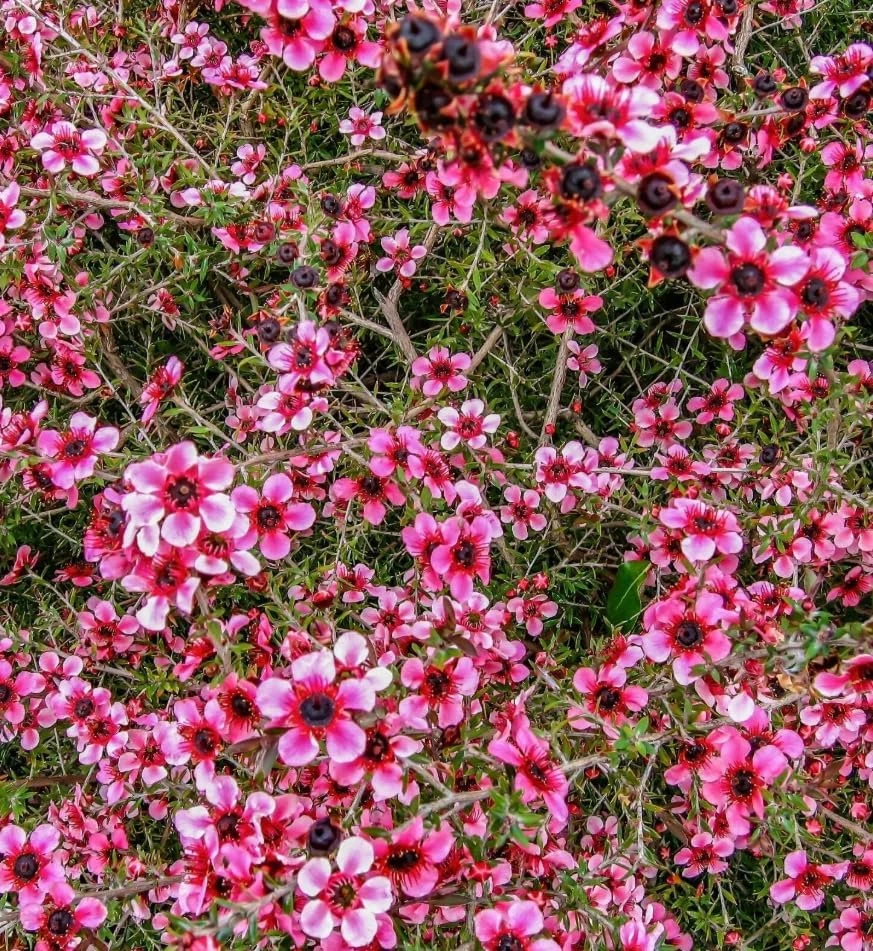
- Stunning Floral Display: Enjoy a profusion of delicate pink flowers that bloom from spring to early summer, creating a breathtaking visual spectacle in your garden. The vibrant color adds significant curb appeal and charm.
- Attractive Evergreen Foliage: The fine, aromatic foliage of the pink manuka tea plant provides year-round interest, maintaining a lush green presence even when not in bloom. This ensures your garden always looks vibrant.
- Pollinator Friendly: The nectar-rich flowers are a magnet for bees and other beneficial pollinators, contributing to the health and biodiversity of your local ecosystem. This supports a thriving garden environment.
- Hardy and Resilient: These Leptospermum plants are known for their hardiness, tolerating a range of conditions once established. They are suitable for USDA Zones 9-11, making them a reliable choice for many climates.
- Low Maintenance: Once established, the manuka bush growing requires minimal care, making it an ideal choice for busy gardeners or those seeking beautiful plants without extensive upkeep.
- Versatile Landscaping Use: Perfect for borders, hedges, mass plantings, or as a stand-alone specimen, the pink manuka tea plant adapts well to various garden designs and purposes.
- Drought Tolerant: After initial establishment, these plants exhibit good drought tolerance, reducing the need for frequent watering and conserving water resources.
Plant Care & Growing Tips
Ensuring the health and vitality of your pink manuka tea plant involves understanding its specific needs regarding light, water, soil, and temperature. Following these guidelines will help your Leptospermum plant care routine lead to a flourishing shrub.
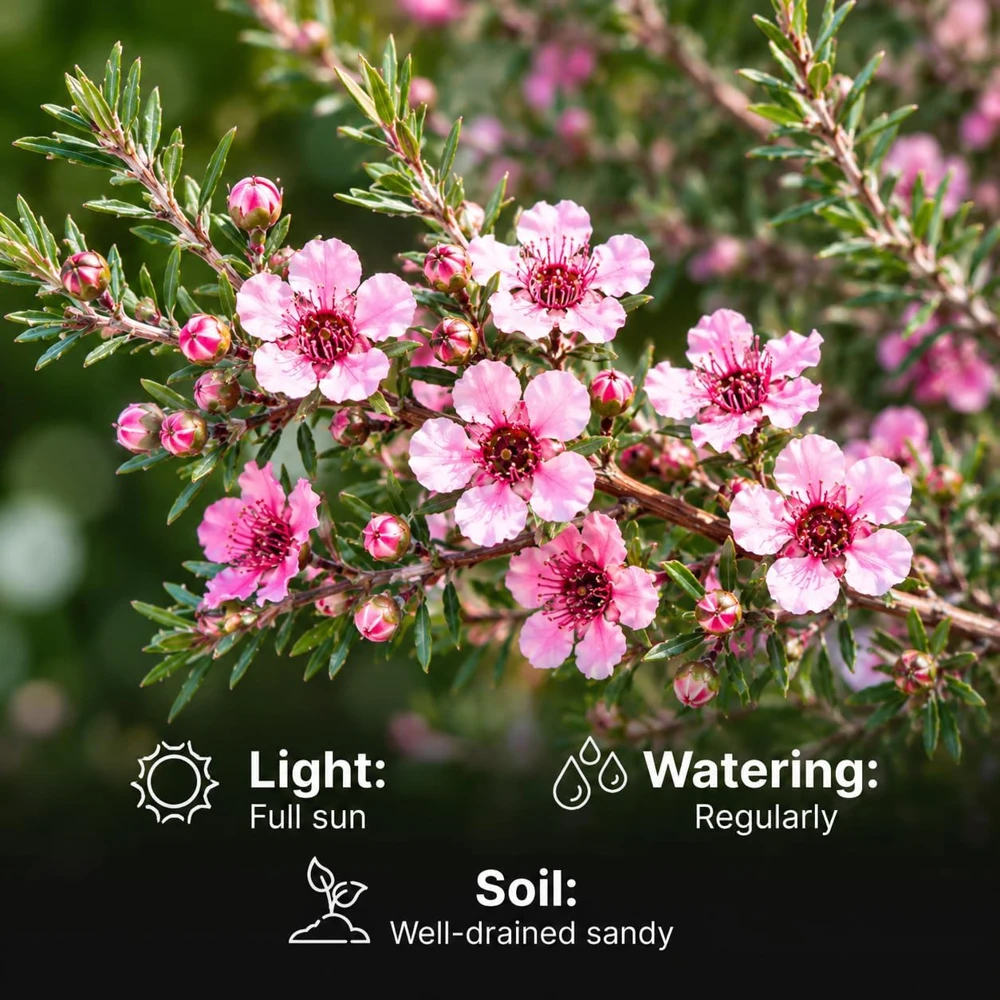
For optimal growth, your pink manuka tea plant requires full sun exposure, meaning at least 6 hours of direct sunlight per day. While it can tolerate some partial shade, abundant flowering is best achieved in bright, sunny locations. When it comes to watering, consistent moisture is crucial during the plant’s establishment phase. Water regularly, ensuring the soil remains moist but not waterlogged. Once established, the plant becomes more drought-tolerant, and watering can be reduced to a moderate frequency, allowing the top inch or two of soil to dry out between waterings. Avoid overwatering, as this can lead to root rot.
The ideal soil for a pink manuka tea plant is well-draining, slightly acidic to neutral. Sandy loams or loamy soils enriched with organic matter are excellent choices. Good drainage is paramount, as these plants do not tolerate wet feet. Consider amending heavy clay soils with compost or grit to improve drainage. These plants thrive in temperatures between 50 and 85 degrees Fahrenheit and are hardy in USDA Zones 9–11. In colder zones, they can be grown in containers and brought indoors during winter. Fertilization is generally not heavily required; a balanced, slow-release fertilizer applied in early spring can support vigorous growth and blooming. Keep an eye out for common pests like scale or mealybugs, and address them with appropriate organic or chemical treatments if necessary. Proper air circulation also helps prevent fungal diseases.
Size & Details
This offering includes a set of two pink manuka tea plant live specimens, each measuring approximately 4-6 inches tall at the time of shipment. These young plants are unpotted, shipped as bare root or with minimal soil, ready for immediate planting in your garden or a suitable container. The manuka bush growing rate is moderate, and with proper care, they can reach a mature height of 6-10 feet and a similar spread, forming an attractive, dense shrub. The blooming season typically occurs from spring to early summer, providing a long period of delightful pink flowers. These plants are ideal for establishing new garden beds or enhancing existing landscapes with their vibrant color and robust nature.
Frequently Asked Questions
- Q: How big does this plant get? A: The pink manuka tea plant typically grows to a mature height and spread of 6-10 feet, forming a dense, attractive shrub. Its growth rate is moderate, allowing it to establish well in your garden.
- Q: Is this an indoor or outdoor plant? A: The pink manuka tea plant is primarily an outdoor shrub, thriving in full sun and suitable for USDA Zones 9-11. In colder climates, it can be grown in containers and overwintered indoors.
- Q: How much sunlight does it need? A: This plant requires full sun exposure, meaning at least 6 hours of direct sunlight daily, to achieve its best flowering and overall health. Partial shade is tolerated but may result in fewer blooms.
- Q: Is this plant easy to care for? A: Yes, once established, the Leptospermum plant care is relatively low maintenance. It requires well-draining soil and moderate watering, making it a good choice for both experienced and novice gardeners.
- Q: What condition will it arrive in? A: Your pink manuka tea plant will arrive as live, unpotted specimens, typically 4-6 inches tall, ready for planting. We ensure they are carefully packaged for safe transit.
- Q: When is the best time to plant? A: The best time to plant your pink manuka tea plant is in spring or early summer, after the last frost, to allow it ample time to establish before colder weather.
- Q: Will it survive winter in my zone? A: This plant is hardy in USDA Zones 9-11. If you are in a colder zone, it’s recommended to grow it in a container and bring it indoors during the winter months to protect it from freezing temperatures.
- Q: What type of soil does the manuka bush growing prefer? A: The pink manuka tea plant thrives in well-draining, slightly acidic to neutral soil. Sandy loams or loamy soils enriched with organic matter are ideal.
- Q: How often should I water my pink flowering shrubs? A: Water regularly during establishment, keeping the soil moist but not waterlogged. Once mature, water moderately, allowing the top soil to dry out between waterings.
- Q: Does this plant attract pollinators? A: Yes, the vibrant pink flowers of the pink manuka tea plant are very attractive to bees and other pollinators, contributing to garden biodiversity.
Be the first to review “2 Pink Manuka Tea Plant Live – Leptospermum Bush, 4-6 Inch Tall”
Related products


You May Like

Hardneck vs. Softneck Garlic: Which Should You Grow?
Have you ever stood in front of a seed catalog in mid-September, staring at dozens [...]
Oct

When to Plant Music Garlic: Ultimate US Fall Guide
Have you ever spent your fall weekend placing carefully chosen garlic cloves into rich, dark [...]
1 Comment
Oct

5 Best Bulbs for Fall Planting: Brighten Your Garden This Spring
Are you dreaming of a garden full of vibrant colors in the spring? The key [...]
Aug

10 Houseplants That Will Thrive in Your Kitchen
Are you tired of your kitchen feeling dull and lifeless? Want to add a little [...]
1 Comment
Aug
Reviews
There are no reviews yet.