
Orange Easter Cactus Live Plant, 4-8 Inch Tall, Spring Blooming Houseplant, No Pot
Original price was: 53.99 $.28.99 $Current price is: 28.99 $.
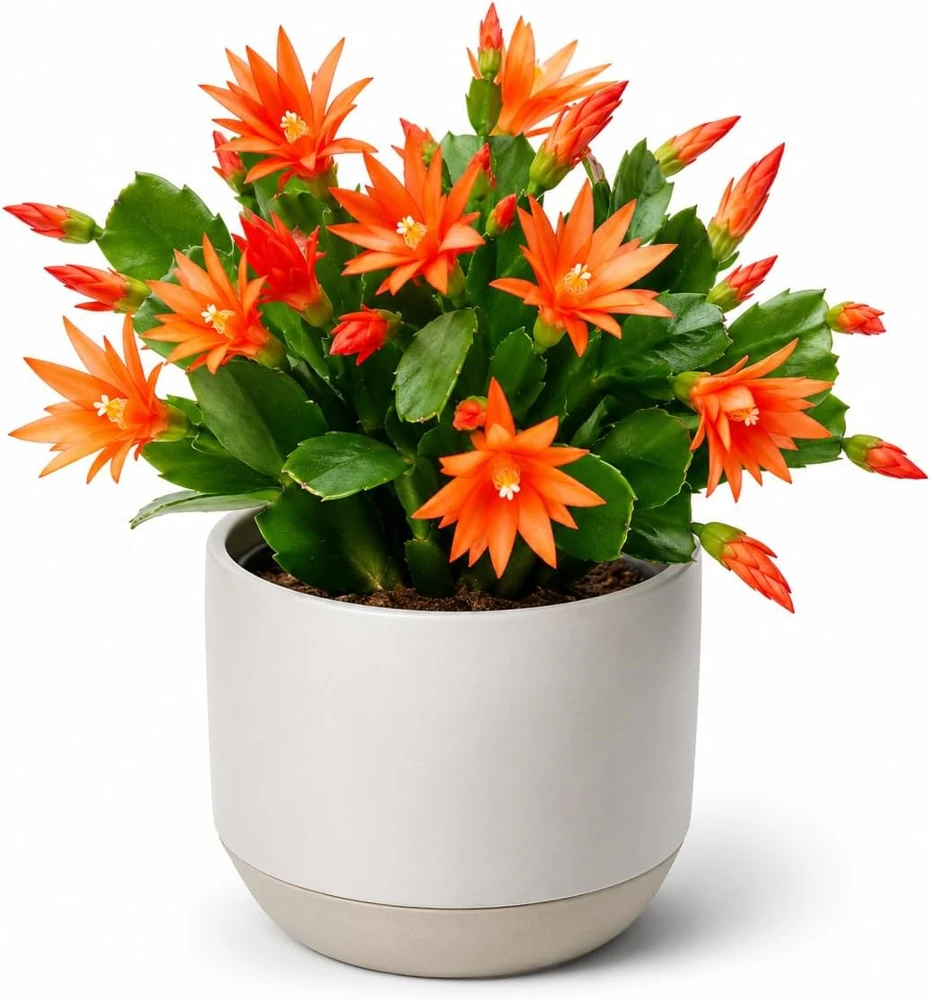
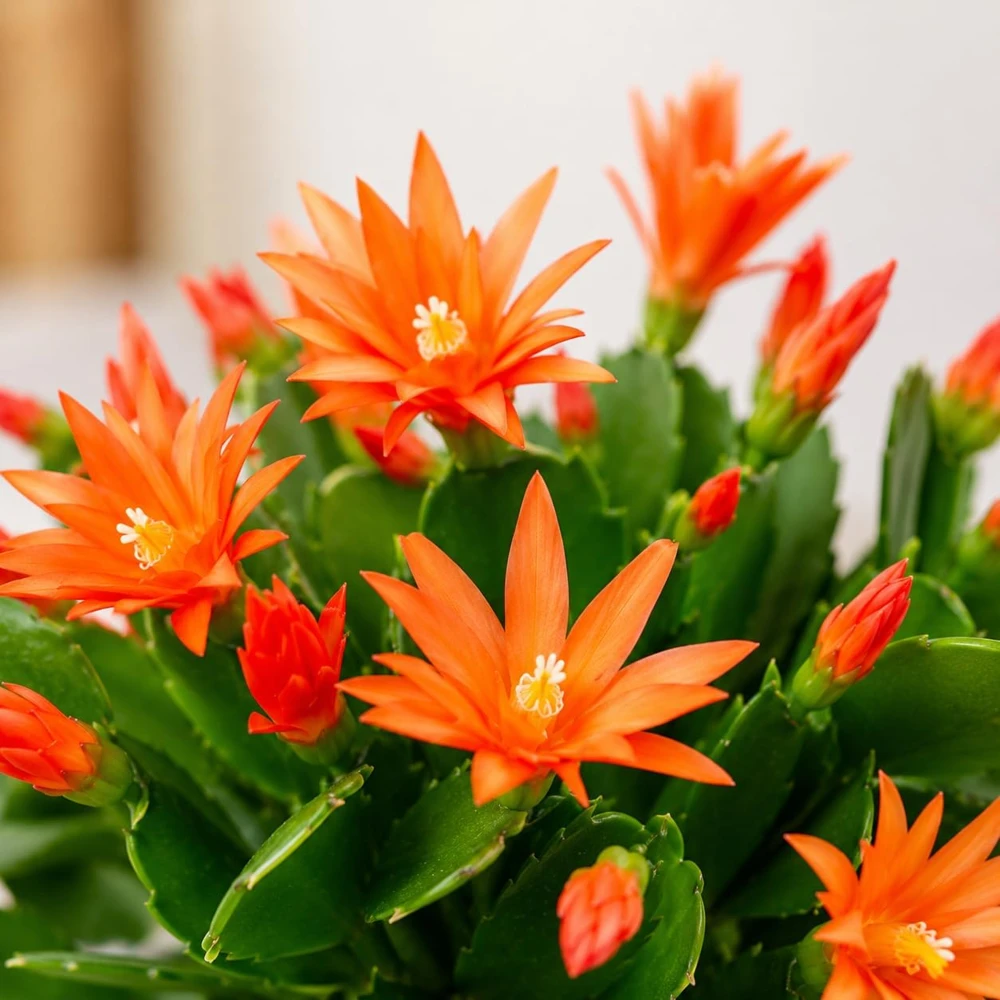
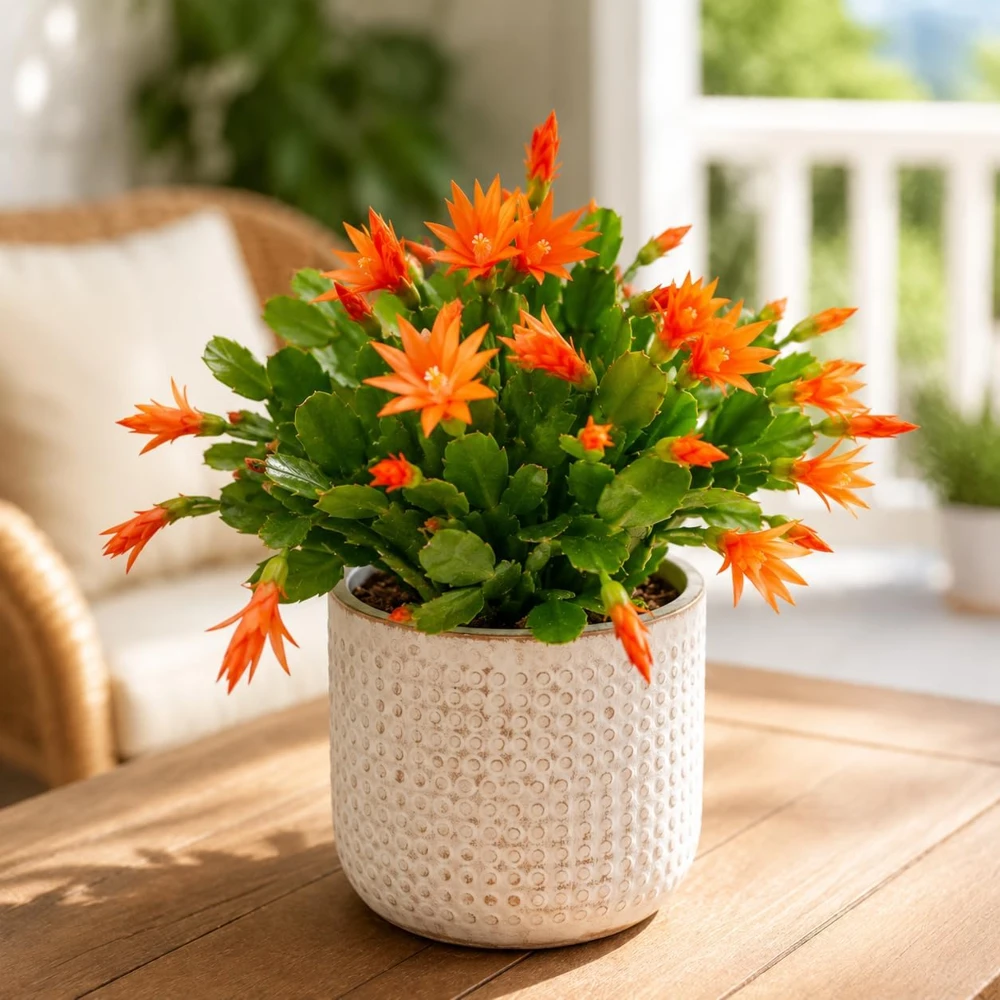
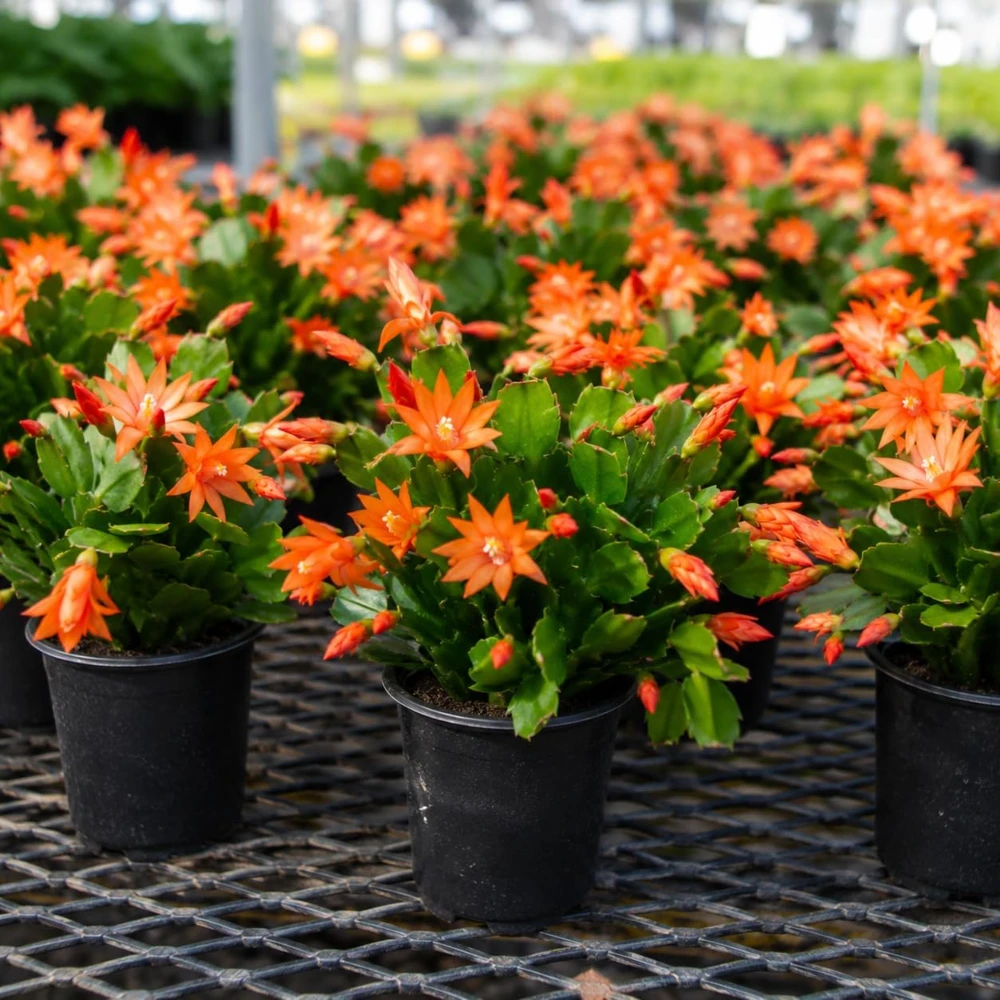
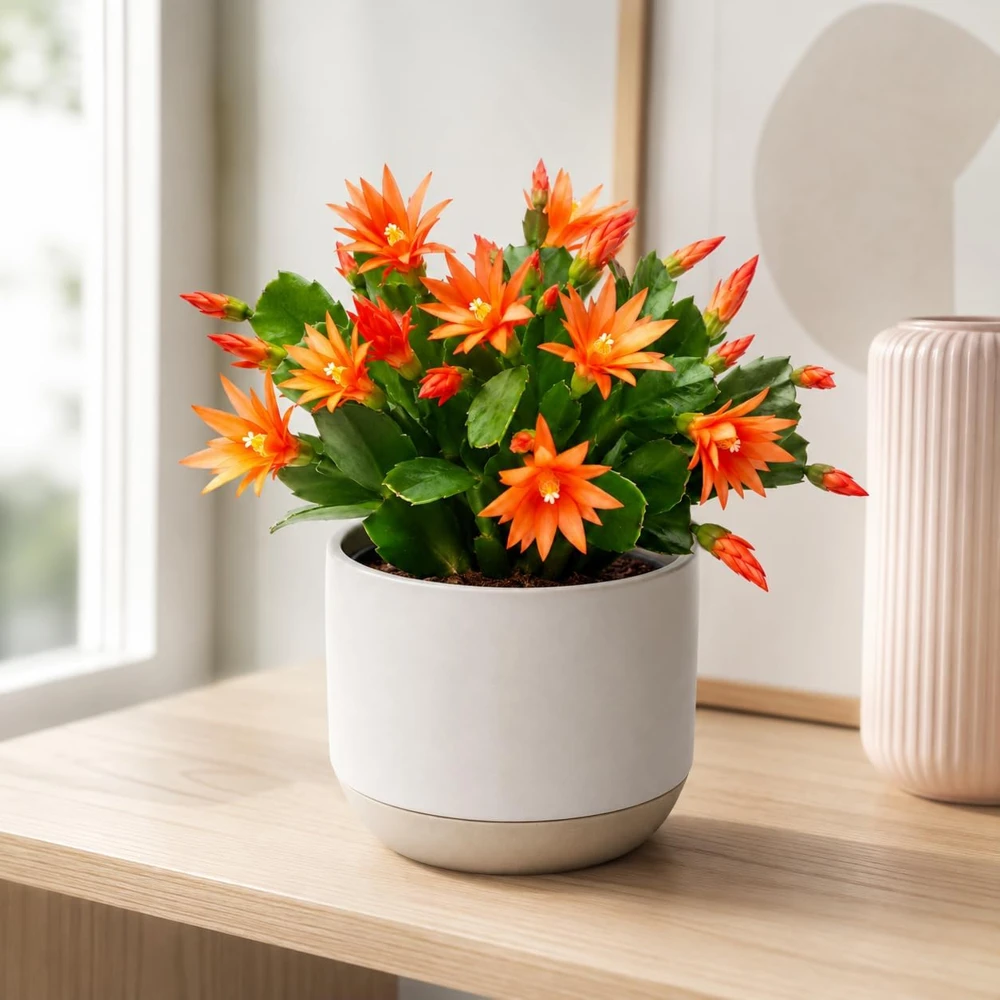
Add a splash of vibrant color to your indoor space with this orange Easter cactus live plant. Known for its stunning spring blooms, this Easter cactus indoor plant is a delightful and easy-to-care-for houseplant, arriving 4-8 inches tall.
Estimated arrival
Oct 15
Oct 20 - Oct 22
Oct 22 - Oct 27
See our Shipping Policy.
Get in touch with us via email, and our team will review your concerns.
Our Alive & Thrive Guarantee covers issues with your plants within the first 30 days. Read our Refund & Returns Policy.
-
USDA Hardiness Zone
10-12 -
Soil Type
Well-draining soil -
Sunlight Exposure
Bright indirect light -
Expected Planting Period
Year-round indoors
Overview
Introduce a burst of vibrant color to your home with the stunning orange Easter cactus live plant. This captivating succulent, scientifically known as Rhipsalidopsis gaertneri, is a true harbinger of spring, renowned for its spectacular orange blossoms that typically appear during the Easter season. Unlike its Christmas cactus cousin, the Easter cactus boasts uniquely shaped flowers and a slightly different blooming cycle, making it a distinct and cherished addition to any indoor plant collection. Our live Easter cactus arrives ready for planting, offering a beautiful specimen that promises to brighten your living space with its cheerful disposition and relatively low maintenance needs. Whether you’re a seasoned plant enthusiast or a budding green thumb, the orange Easter cactus live plant is an excellent choice for adding natural beauty and a touch of seasonal charm to your home decor.
Key Benefits
The orange Easter cactus live plant offers numerous advantages, making it a popular choice for indoor gardening. Its ease of care and stunning visual appeal are just a few reasons to welcome this beautiful plant into your home.
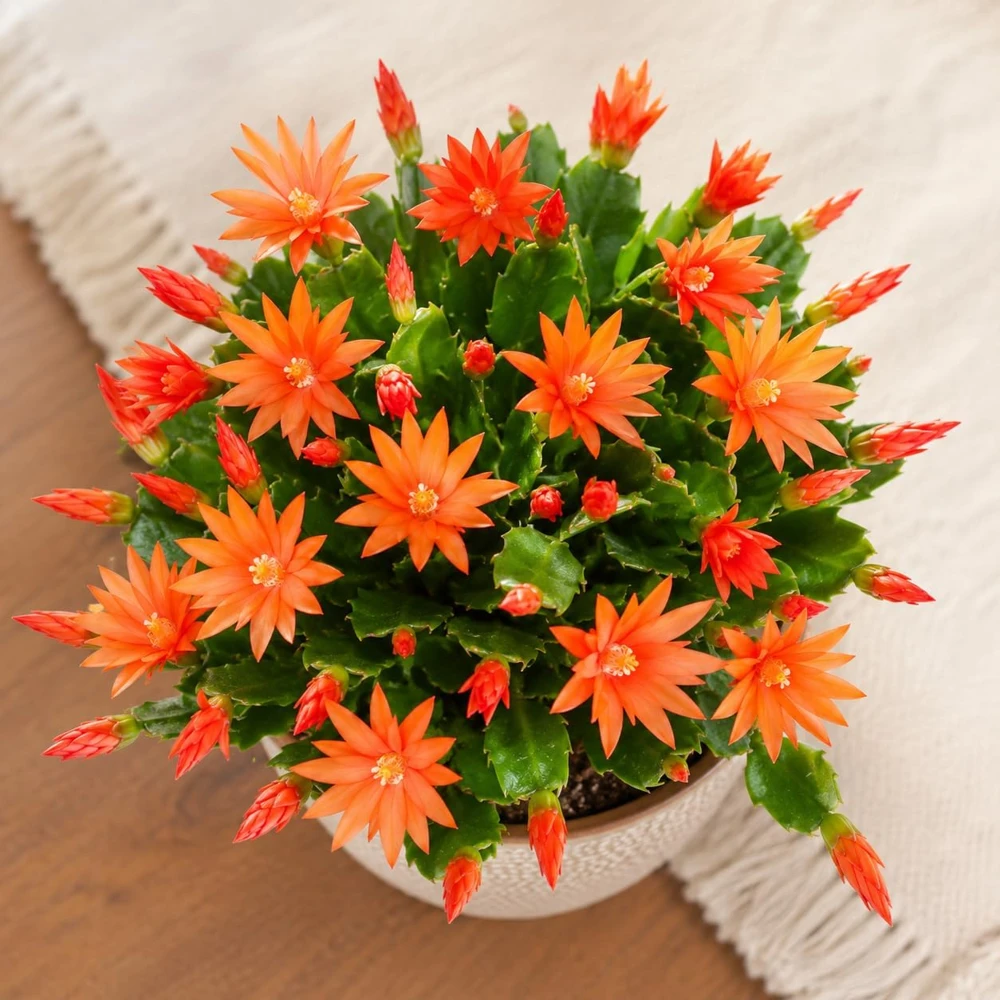
- Spectacular Spring Blooms: Enjoy a breathtaking display of vibrant orange flowers that typically emerge in spring, coinciding with the Easter season. These showy blooms provide a significant decorative impact, transforming any room into a lively and colorful sanctuary.
- Easy to Care For: This Easter cactus care is straightforward, making it an ideal plant for both beginners and experienced gardeners. It thrives with minimal fuss, requiring basic attention to light, water, and soil conditions.
- Long-Lived Houseplant: With proper care, your spring blooming houseplant can live for many years, becoming a cherished part of your home. Its longevity offers sustained beauty and enjoyment season after season.
- Compact and Manageable Size: Growing 4-8 inches tall, this plant is perfect for windowsills, shelves, or desks, adding greenery without taking up excessive space. Its manageable size makes it versatile for various indoor settings.
- Air Purifying Qualities: Like many houseplants, the Easter cactus contributes to a healthier indoor environment by helping to filter and purify the air, creating a fresher and more pleasant atmosphere in your home.
- Unique Appearance: The segmented, flattened stems of the Rhipsalidopsis gaertneri add architectural interest even when not in bloom, providing year-round visual appeal distinct from other common houseplants.
- Pet-Friendly Option: While always best to keep plants out of reach, Easter cacti are generally considered non-toxic to pets, making them a safer choice for households with curious cats and dogs.
Plant Care & Growing Tips
Ensuring your orange Easter cactus live plant thrives requires understanding its specific needs, which are generally easy to meet. This Easter cactus indoor plant prefers conditions that mimic its natural habitat, which is often tropical and humid.
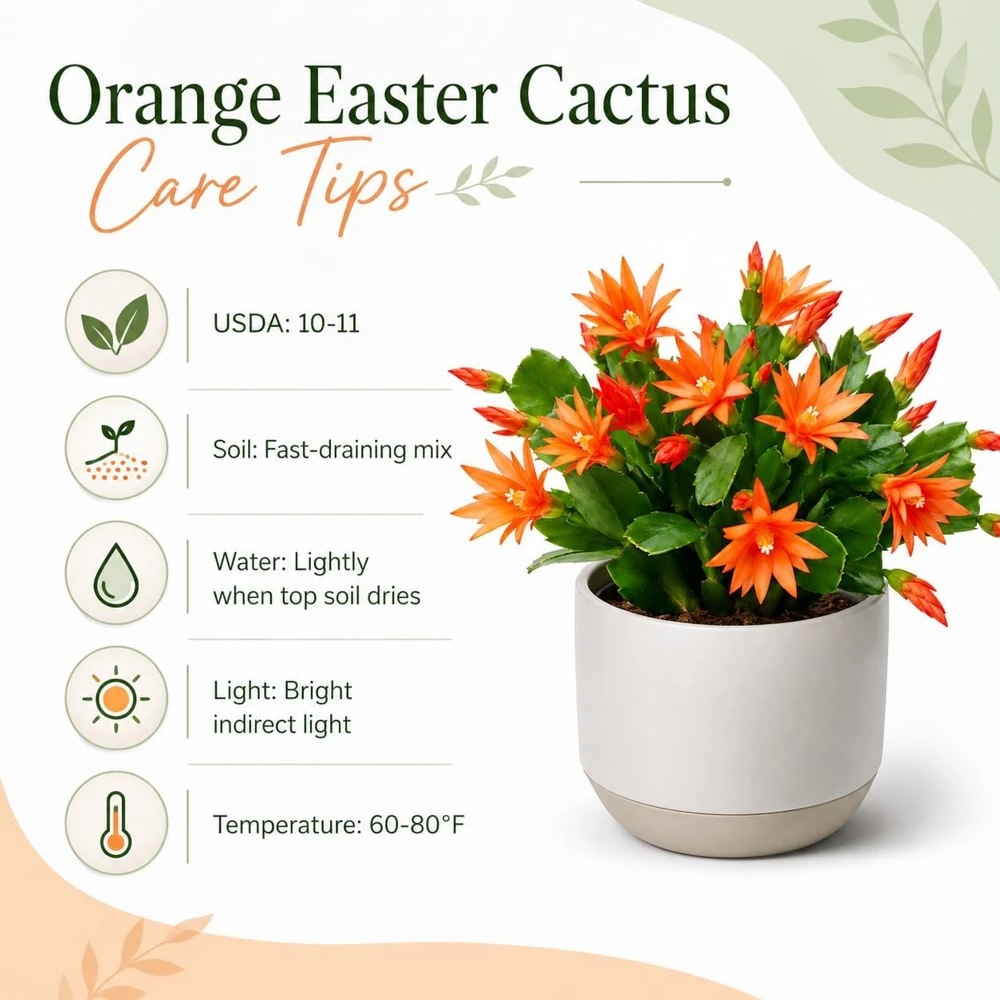
Light Requirements: Provide bright, indirect light for your Easter cactus. An east-facing window is often ideal, offering gentle morning sun. Avoid direct, harsh afternoon sunlight, which can scorch the leaves and hinder blooming. While it can tolerate lower light, it may not produce as many flowers. Rotate the plant periodically to ensure even growth and light exposure.
Watering Schedule & Soil Moisture: Water thoroughly when the top 1–2 inches of soil feel dry to the touch. Allow excess water to drain completely from the bottom of the pot. Overwatering is a common mistake and can lead to root rot. During its dormant period after blooming, reduce watering frequency, allowing the soil to dry out more between waterings. Increase watering again as new growth appears before the next blooming cycle. Proper Easter cactus care regarding watering is crucial for its health.
Soil Type & Drainage: The Easter cactus thrives in well-draining soil. A standard cactus or succulent potting mix is suitable, or you can create your own by mixing regular potting soil with perlite or coarse sand to improve drainage. Good drainage is essential to prevent waterlogging and root issues. Ensure the pot has drainage holes.
Temperature & Humidity: Maintain temperatures between 60 degrees Fahrenheit and 75 degrees Fahrenheit (15-24°C) for optimal growth. Avoid sudden temperature fluctuations and cold drafts. This plant appreciates higher humidity, especially during its growing and blooming periods. You can increase humidity by placing the pot on a pebble tray with water or using a room humidifier. It is hardy in USDA Zones: 10-12 if grown outdoors, but is typically cultivated as an indoor plant in most regions.
Fertilization: Fertilize your spring blooming houseplant every 2-4 weeks during its active growing season (spring and summer) with a balanced liquid fertilizer diluted to half strength. Reduce or stop fertilizing during its dormant period in fall and winter. Over-fertilization can harm the plant.
Common Problems: Watch out for common pests like mealybugs or spider mites, which can be treated with insecticidal soap. Yellowing leaves or mushy stems often indicate overwatering, while shriveled leaves might mean underwatering. Adjust your Easter cactus care routine accordingly.
Size & Details
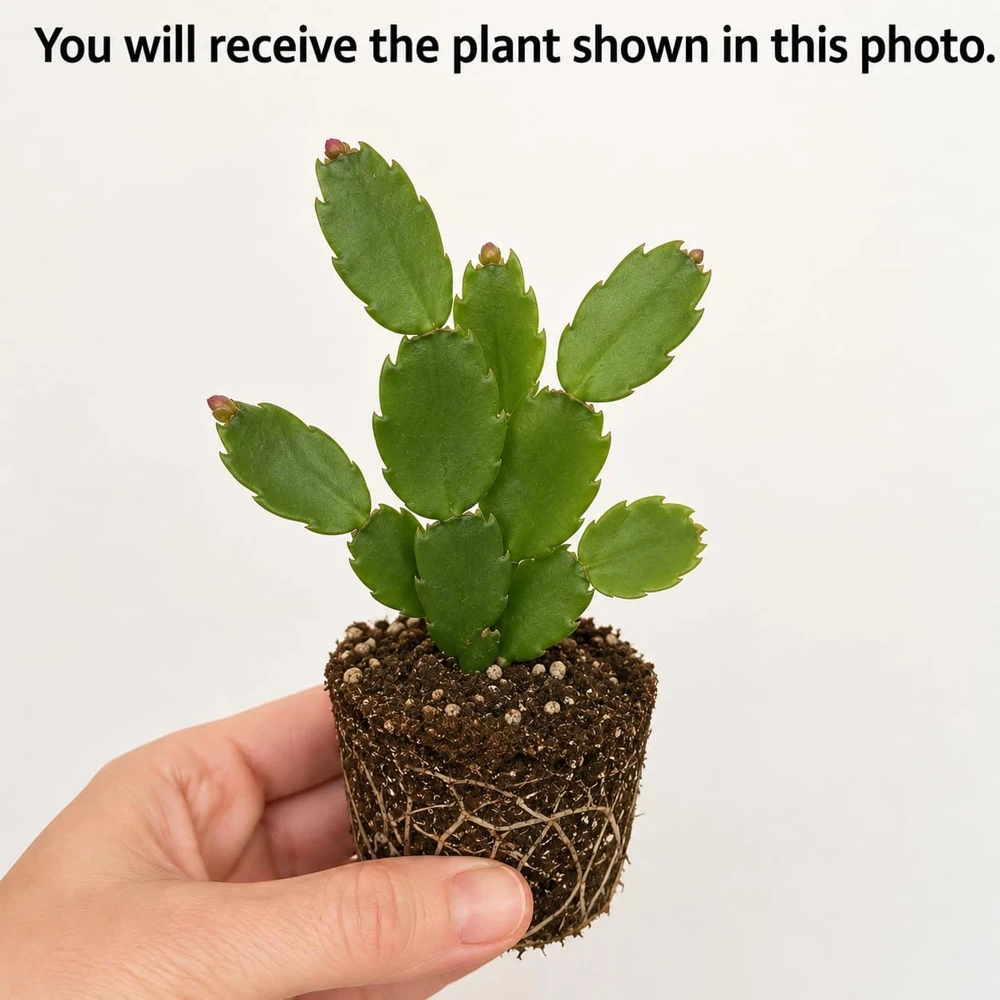
This orange Easter cactus live plant is shipped as a healthy, established specimen, ready for you to pot and nurture. Each plant measures approximately 4-8 inches tall, providing a substantial start for your indoor garden. It is shipped without a pot, allowing you the flexibility to choose the perfect container to match your home decor. The plant will arrive with its root ball carefully wrapped to ensure moisture and protection during transit. Expect a moderate growth rate, with the plant gradually increasing in size and producing more segments over time. With good Easter cactus care, this plant will reward you with beautiful blooms year after year, typically reaching its full blooming potential in its second year of growth. The segmented stems will branch out, creating a lovely, cascading effect as the plant matures, making it a truly rewarding Easter cactus indoor plant.
Frequently Asked Questions
- Q: How big does this orange Easter cactus get? A: This plant typically grows to be 4-8 inches tall upon arrival. With maturity, its segmented stems can spread and cascade, creating a fuller plant that can reach up to 12 inches in length or more, depending on growing conditions and pot size.
- Q: Is this an indoor or outdoor plant? A: The orange Easter cactus live plant is primarily an indoor houseplant in most climates. It can be grown outdoors in USDA Zones 10-12 where temperatures do not drop below freezing, but it prefers a controlled indoor environment.
- Q: How much sunlight does my Easter cactus need? A: It thrives in bright, indirect light. Avoid direct afternoon sun, which can burn its delicate leaves. An east-facing window is often ideal for providing the right amount of gentle morning light.
- Q: Is this plant easy to care for? A: Yes, the Easter cactus is considered an easy-care plant, suitable for beginners. Its needs for light, water, and soil are straightforward, making Easter cactus care relatively simple.
- Q: What condition will it arrive in? A: Your spring blooming houseplant will arrive as a healthy, bare-root plant, carefully packed to ensure its well-being during transit. It will be ready for you to pot immediately upon arrival.
- Q: When is the best time for this plant to bloom? A: As its name suggests, the Easter cactus typically blooms in the spring, often around the Easter holiday. Proper light and temperature cycles are key to encouraging these beautiful orange flowers.
- Q: What kind of soil is best for an Easter cactus? A: A well-draining potting mix is essential. A specialized cactus or succulent mix is ideal, or you can amend regular potting soil with perlite or coarse sand to improve drainage.
- Q: Will it survive winter indoors? A: Yes, as an Easter cactus indoor plant, it is well-suited to indoor winter conditions, provided it receives adequate light and protection from cold drafts. Reducing water slightly during winter can encourage better spring blooms.
- Q: Is the Rhipsalidopsis gaertneri pet-safe? A: Easter cacti are generally considered non-toxic to cats and dogs. However, it’s always best to discourage pets from chewing on plants to prevent any potential stomach upset.
- Q: How often should I water my orange Easter cactus? A: Water when the top 1-2 inches of soil feel dry. It’s better to underwater slightly than to overwater, as excessive moisture can lead to root rot. Adjust frequency based on humidity and temperature.
Be the first to review “Orange Easter Cactus Live Plant, 4-8 Inch Tall, Spring Blooming Houseplant, No Pot”
Related products

HousePlants


HousePlants
White Christmas Caladium Live Plant with Roots – Fancy Leaf Elephant Ear Tropical Shade Plant


You May Like

Hardneck vs. Softneck Garlic: Which Should You Grow?
Have you ever stood in front of a seed catalog in mid-September, staring at dozens [...]
Oct

When to Plant Music Garlic: Ultimate US Fall Guide
Have you ever spent your fall weekend placing carefully chosen garlic cloves into rich, dark [...]
1 Comment
Oct

5 Best Bulbs for Fall Planting: Brighten Your Garden This Spring
Are you dreaming of a garden full of vibrant colors in the spring? The key [...]
Aug

10 Houseplants That Will Thrive in Your Kitchen
Are you tired of your kitchen feeling dull and lifeless? Want to add a little [...]
1 Comment
Aug
Reviews
There are no reviews yet.