
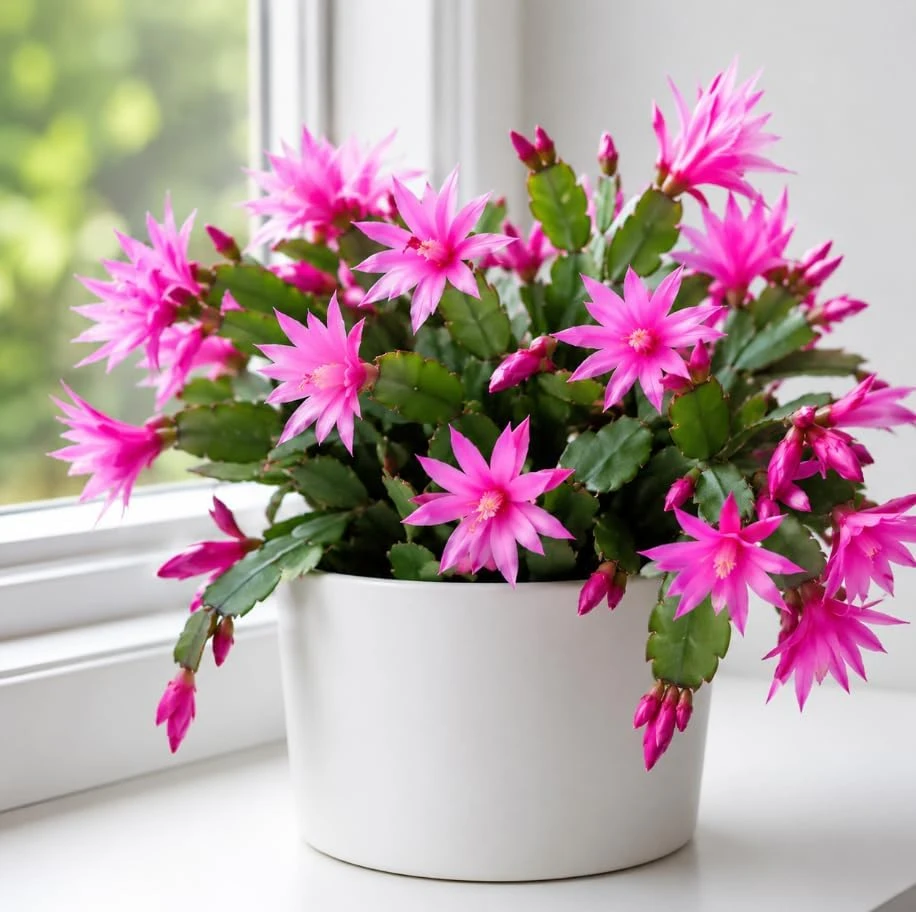
Pink Easter Cactus Live Plant – 4-6 Inch Starter Succulent, Spring Flowering Houseplant
Original price was: 52.99 $.17.99 $Current price is: 17.99 $.
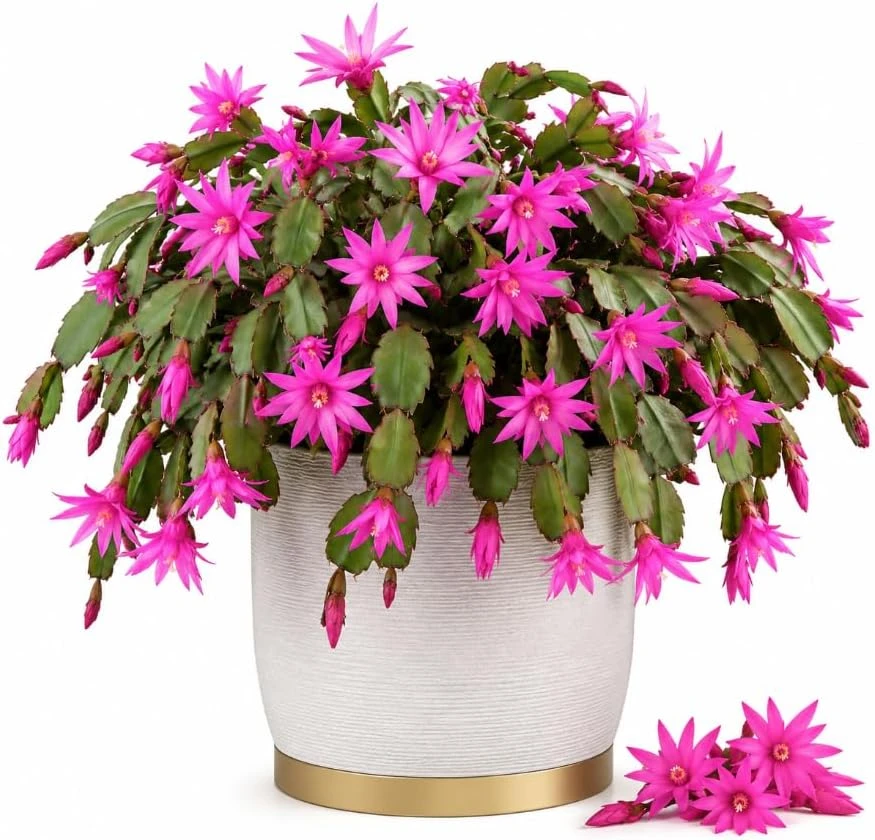
Bring vibrant spring color into your home with this beautiful pink easter cactus live plant. This 4-6 inch starter succulent is a delightful spring flowering houseplant, perfect for windowsills, shelves, and indoor displays. Easy to care for, it’s an ideal choice for adding a touch of festive charm.
Estimated arrival
Oct 15
Oct 20 - Oct 22
Oct 22 - Oct 27
See our Shipping Policy.
Get in touch with us via email, and our team will review your concerns.
Our Alive & Thrive Guarantee covers issues with your plants within the first 30 days. Read our Refund & Returns Policy.
-
USDA Hardiness Zone
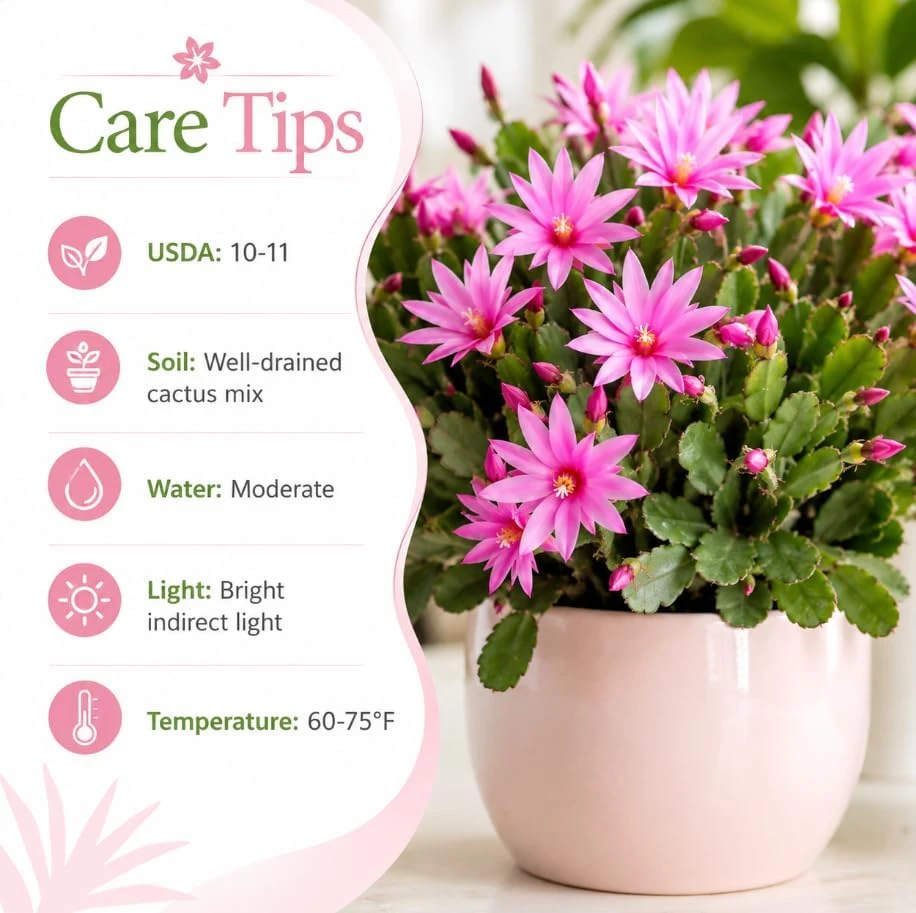
USDA Zones 10-12 (outdoors), suitable for all zones indoors -
Soil Type
Well-draining succulent or cactus potting mix -
Sunlight Exposure
Bright indirect light -
Expected Planting Period
Year-round indoors
Overview
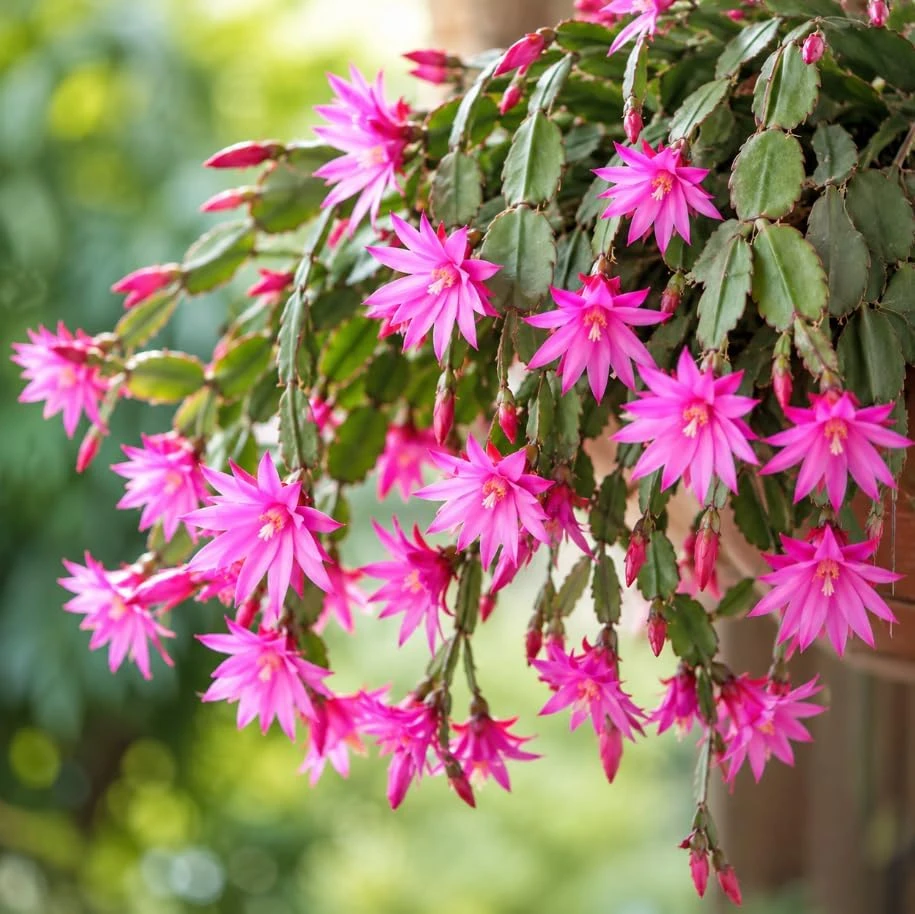
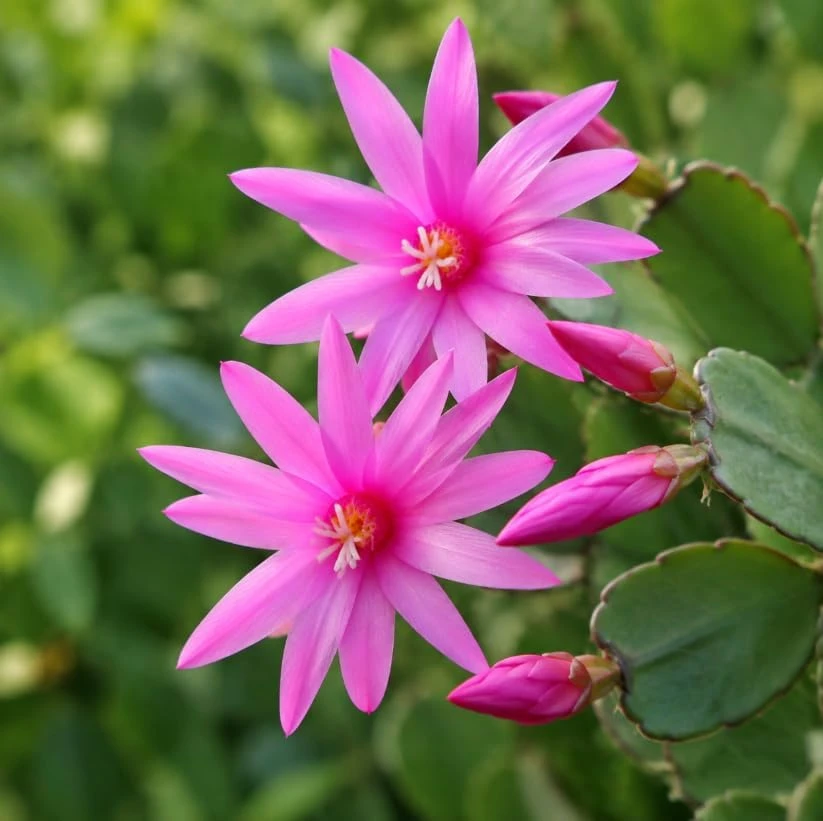
Introduce a splash of vibrant pink to your indoor garden with the stunning pink easter cactus live plant. This tropical succulent, scientifically known as Rhipsalidopsis gaertneri or Hatiora gaertneri, is a popular choice for its beautiful star-shaped blooms that typically appear in spring, making it a perfect addition for Easter and beyond. Our offering is a healthy 4-6 inch starter plant, ready to thrive in your home. Unlike its close relatives, the Christmas and Thanksgiving cacti, the pink easter cactus live plant offers a unique flowering period that brightens up the transition from winter to spring. It’s a low-maintenance, long-lived plant that brings joy and color with minimal effort, making it suitable for both novice and experienced plant enthusiasts. This delightful plant is a true gem, transforming any space into a cheerful oasis with its delicate yet striking blossoms.
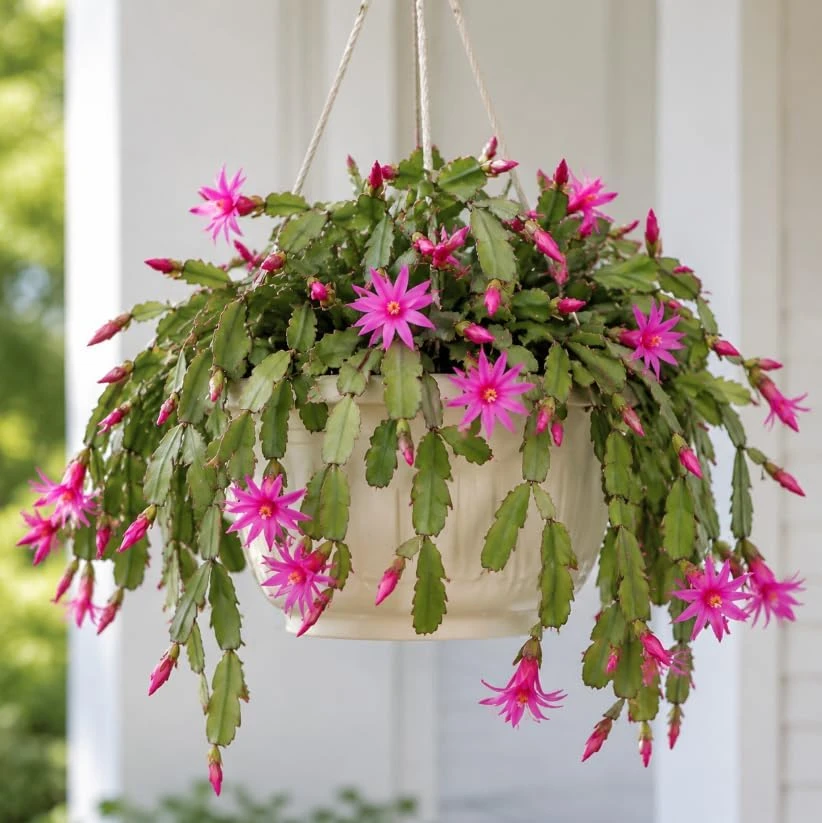
The pink easter cactus live plant is renowned for its segmented, flattened stems and spectacular floral display. Each bloom is a testament to nature’s artistry, offering intricate details and a cheerful hue. As a holiday cactus, it carries a special charm, often gifted and enjoyed during festive seasons. This particular variety showcases soft pink flowers that create a serene yet lively atmosphere. Whether you’re looking to enhance your home decor or searching for a thoughtful gift, this pink easter cactus live plant is an excellent choice, promising beauty and ease of care.
Key Benefits
The pink easter cactus live plant offers numerous advantages, making it a highly desirable addition to any plant collection. Its unique characteristics contribute to its popularity and make it a rewarding plant to grow indoors.
- Stunning Spring Blooms: Enjoy a spectacular display of star-shaped pink flowers typically appearing in spring. These vibrant blossoms provide a much-needed pop of color and cheer after the long winter months, making your home feel more alive and festive.
- Easy Care & Low Maintenance: This tropical succulent is surprisingly resilient and requires minimal fuss once its basic needs are met. It’s an excellent choice for busy individuals or beginners looking for a beautiful plant that doesn’t demand constant attention, allowing you to enjoy its beauty without stress.
- Compact & Versatile Size: As a 4-6 inch starter plant, it’s perfectly sized for windowsills, desks, shelves, or small decorative pots. Its moderate mature size means it won’t outgrow its space quickly, making it ideal for various indoor settings and home decor styles.
- Long-Lived Houseplant: With proper care, a pink easter cactus live plant can thrive for many years, becoming a cherished part of your home. Its longevity offers sustained beauty and enjoyment, making it a worthwhile investment for your indoor garden.
- Air Purifying Qualities: Like many houseplants, the Easter cactus contributes to a healthier indoor environment by helping to filter airborne toxins and improve air quality. It’s a beautiful way to bring nature’s benefits into your living space.
- Unique Holiday Appeal: As a holiday cactus, it holds a special place in seasonal decor. Its spring blooming cycle perfectly aligns with Easter, making it a wonderful plant to celebrate the season of renewal and growth.
- Tropical Succulent Charm: Its unique segmented stems and succulent nature add an exotic touch to your plant collection. The tropical succulent indoor appeal is undeniable, offering interesting textures and forms even when not in bloom.
Plant Care & Growing Tips
Caring for your pink easter cactus live plant is straightforward, ensuring you enjoy its beautiful blooms for years to come. These tropical succulents thrive with consistent, appropriate care. Understanding their specific needs for light, water, and soil is key to a flourishing plant. Protecting it from extreme conditions will help it maintain its vigor and produce abundant flowers each spring.
Sunlight Requirements: The pink easter cactus live plant prefers bright, indirect light. Place it near an east or north-facing window where it can receive gentle morning sun, or in a spot where it gets filtered light throughout the day. Avoid strong, direct afternoon sunlight, especially during warmer months, as this can scorch its delicate stems and leaves. If the plant doesn’t bloom, it might need slightly more light, but always avoid harsh direct rays. A spot with consistent, bright ambient light is ideal for healthy growth and prolific flowering.
Watering Schedule & Soil Moisture: Water thoroughly when the top inch or two of the soil feels dry to the touch. Allow excess water to drain completely from the bottom of the pot to prevent root rot, which is a common issue for succulents. During its active growing and blooming period (spring and summer), it may require more frequent watering. Reduce watering significantly in late fall and winter as the plant enters a semi-dormant phase, which is crucial for encouraging bud formation. Overwatering is the most common cause of problems, so always check soil moisture before watering again.
Soil Type & Drainage: Use a well-draining potting mix specifically formulated for succulents or cacti. A mix containing perlite, pumice, or coarse sand will ensure excellent drainage and aeration, preventing waterlogged roots. A slightly acidic to neutral pH (6.0-7.0) is generally preferred. Ensure the pot has drainage holes to facilitate proper water runoff. Good drainage is paramount for the health of your tropical succulent indoor plant.
Temperature Range & USDA Hardiness Zone: The pink easter cactus live plant thrives in average room temperatures, ideally between 65-75°F (18-24°C). Protect it from sudden temperature fluctuations and cold drafts. For outdoor growing, it is suitable for USDA Zones 10-12, where temperatures rarely drop below freezing. In cooler climates, it must be brought indoors before the first frost. A cool period (around 50-55°F or 10-13°C) for 6-8 weeks in late fall/early winter, combined with reduced watering and shorter daylight hours, is often necessary to stimulate bud development and ensure a spectacular spring bloom. This cooling period is vital for proper easter cactus care.
Fertilization: Fertilize every 2-4 weeks during the active growing season (spring and summer) with a balanced liquid fertilizer diluted to half strength. Avoid fertilizing during the plant’s resting period in fall and winter. Over-fertilization can harm the plant, so less is often more. A fertilizer specifically designed for cacti and succulents can also be used.
Common Problems & Solutions: Yellowing leaves can indicate overwatering or nutrient deficiency. Adjust watering habits and consider fertilizing. Shriveled stems usually point to underwatering. Lack of blooms is often due to insufficient light, lack of a cool rest period, or too much light during the bud-setting phase. Pests like mealybugs or spider mites can be treated with insecticidal soap or neem oil. Good air circulation also helps prevent fungal issues.
Size & Details
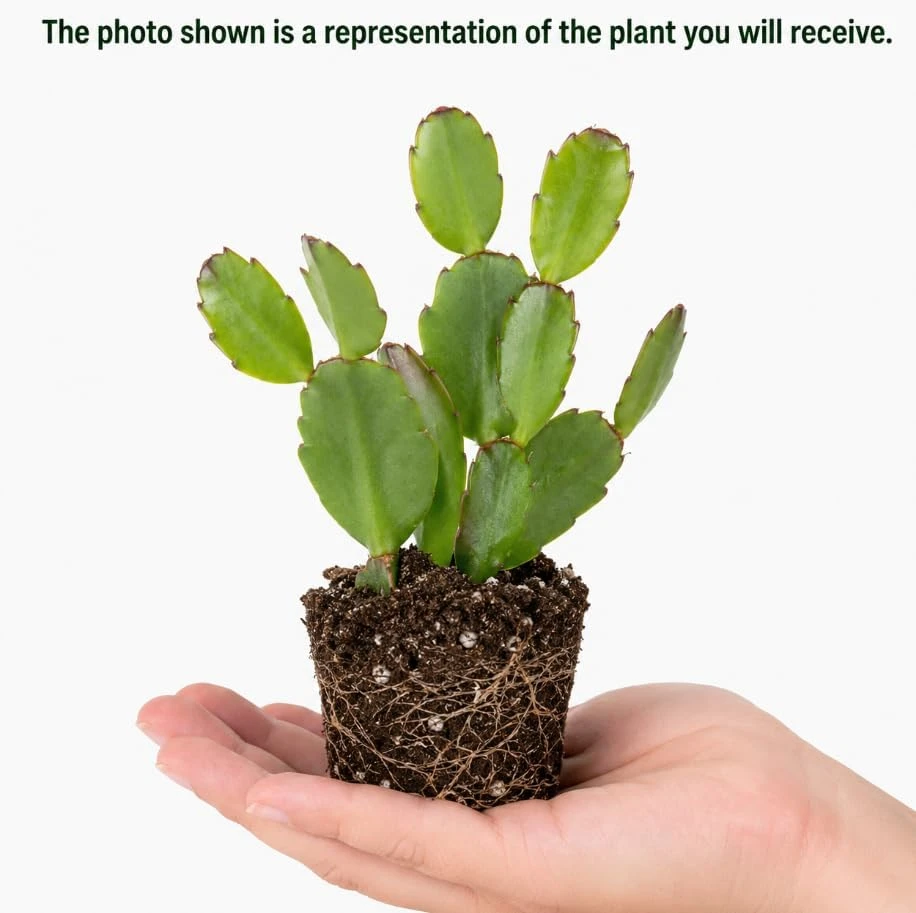
This offering is for one healthy pink easter cactus live plant, typically measuring 4-6 inches in height from the soil line to the top of the plant. It arrives as a well-rooted starter succulent in its nursery pot, ready for you to transplant into your preferred decorative container. The plant is compact and will gradually grow to a mature size of about 6-12 inches tall and 1-2 feet wide, forming an attractive, bushy display. Its growth rate is moderate, allowing you to enjoy its current size for a while before significant repotting is needed. Expect beautiful star-shaped pink blooms to appear in spring under suitable growing conditions, adding a festive touch to your home. This plant is shipped carefully to ensure it arrives in excellent condition, ready to flourish in its new environment.
Frequently Asked Questions
- Q: How big does this pink easter cactus live plant get? A: This starter plant is 4-6 inches tall. When mature, it typically reaches 6-12 inches in height and can spread up to 1-2 feet wide, forming a lovely cascading shape.
- Q: Is this an indoor or outdoor plant? A: The pink easter cactus live plant is primarily grown as an indoor houseplant. It can be moved outdoors to a shaded spot during warm summer months in USDA Zones 10-12, but must be brought indoors before temperatures drop below 50°F (10°C).
- Q: How much sunlight does it need? A: It thrives in bright, indirect light. Avoid direct, harsh sunlight, especially in the afternoon, as it can scorch the plant. An east or north-facing window is often ideal for optimal easter cactus care.
- Q: Is this plant easy to care for? A: Yes, the Easter cactus is considered relatively easy to care for, making it suitable for beginners. Its main requirements are bright indirect light, well-draining soil, and proper watering to avoid overwatering.
- Q: What condition will it arrive in? A: Your pink easter cactus live plant will arrive as a healthy, well-rooted starter plant in its nursery pot, carefully packaged to minimize stress during transit and ensure it reaches you in good condition.
- Q: How long until it blooms? A: With proper care, especially a cool, dry rest period in late fall/early winter, your Easter cactus should produce its beautiful pink blooms in the spring. Established plants typically bloom annually.
- Q: What is the best soil for a tropical succulent indoor plant like this? A: A well-draining potting mix designed for cacti and succulents is best. This type of soil ensures good aeration and prevents water from sitting around the roots, which is crucial for its health.
- Q: Is the Easter cactus pet-safe? A: The Easter cactus (Rhipsalidopsis gaertneri) is generally considered non-toxic to cats and dogs, making it a safer choice for homes with pets compared to some other houseplants. However, it’s always best to prevent pets from chewing on plants.
- Q: Why is my holiday cactus plant not blooming? A: Common reasons include insufficient light, lack of a cool rest period in winter, too much fertilizer during dormancy, or incorrect watering. Ensuring a cool, slightly drier period in late fall/early winter is key for bud formation.
- Q: How often should I water my spring flowering houseplant? A: Water when the top 1-2 inches of soil feel dry. This usually means every 1-2 weeks during active growth and less frequently (every 3-4 weeks) during its winter dormancy period. Always allow excess water to drain completely.
Be the first to review “Pink Easter Cactus Live Plant – 4-6 Inch Starter Succulent, Spring Flowering Houseplant”
Related products

Succulents
Christmas Cactus Live Plant – Schlumbergera Flowering Holiday Succulent – Indoor Houseplant


Succulents
Donkey Ears Succulent Live Plant – Large Kalanchoe Gastonis-Bonnieri Rare Indoor Outdoor Succulent

Succulents
Pink Desert Rose Plant Live Adenium, 4 Inch Tall Perennial Succulent, Outdoor Flowering Tree

You May Like

Hardneck vs. Softneck Garlic: Which Should You Grow?
Have you ever stood in front of a seed catalog in mid-September, staring at dozens [...]
Oct

When to Plant Music Garlic: Ultimate US Fall Guide
Have you ever spent your fall weekend placing carefully chosen garlic cloves into rich, dark [...]
1 Comment
Oct

5 Best Bulbs for Fall Planting: Brighten Your Garden This Spring
Are you dreaming of a garden full of vibrant colors in the spring? The key [...]
Aug

10 Houseplants That Will Thrive in Your Kitchen
Are you tired of your kitchen feeling dull and lifeless? Want to add a little [...]
1 Comment
Aug
Reviews
There are no reviews yet.