
Double Blue Lilac Tree Live Plant – Cold Hardy Ornamental Bush 12″ Tall
Original price was: 62.99 $.27.99 $Current price is: 27.99 $.
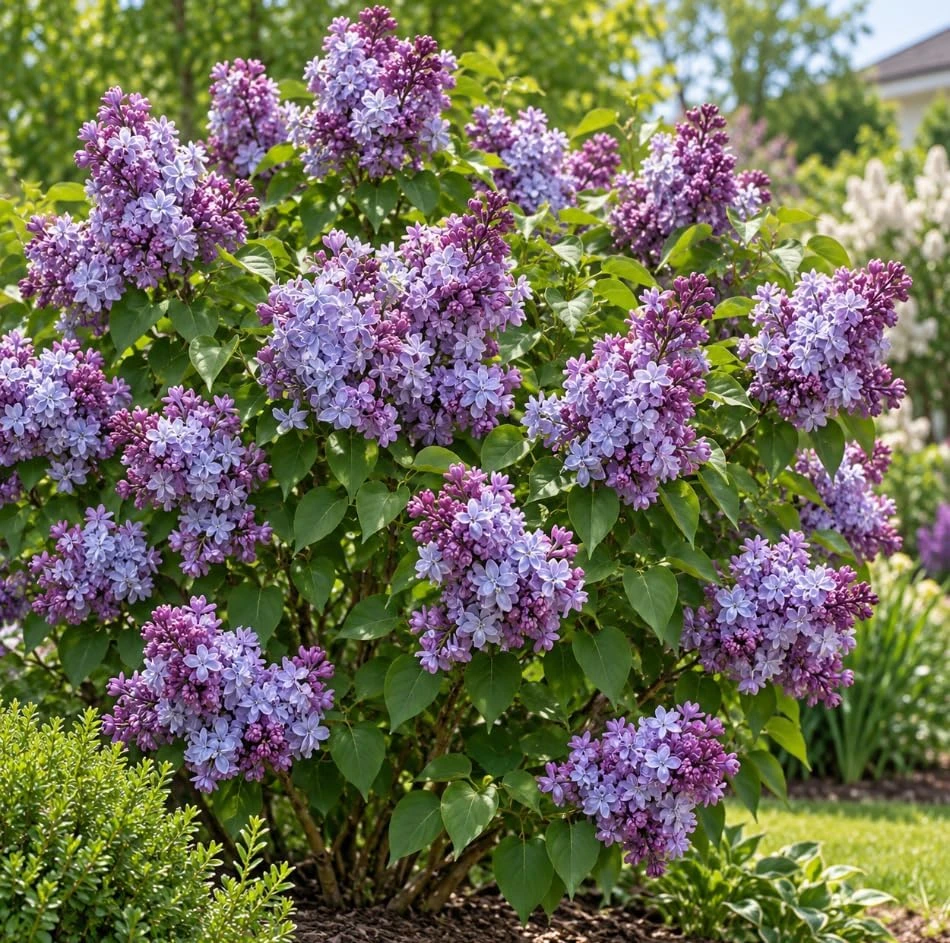
Bring timeless elegance to your garden with a double blue lilac tree, a fragrant and cold hardy lilac bush. This 12-inch tall ornamental bush is perfect for focal points, hedges, or borders, offering beautiful spring flowers and a classic scent.
Estimated arrival
Oct 15
Oct 20 - Oct 22
Oct 22 - Oct 27
See our Shipping Policy.
Get in touch with us via email, and our team will review your concerns.
Our Alive & Thrive Guarantee covers issues with your plants within the first 30 days. Read our Refund & Returns Policy.
-
USDA Hardiness Zone
unknown -
Soil Type
well-draining soil -
Sunlight Exposure
full sun -
Expected Planting Period
spring to early summer
Overview
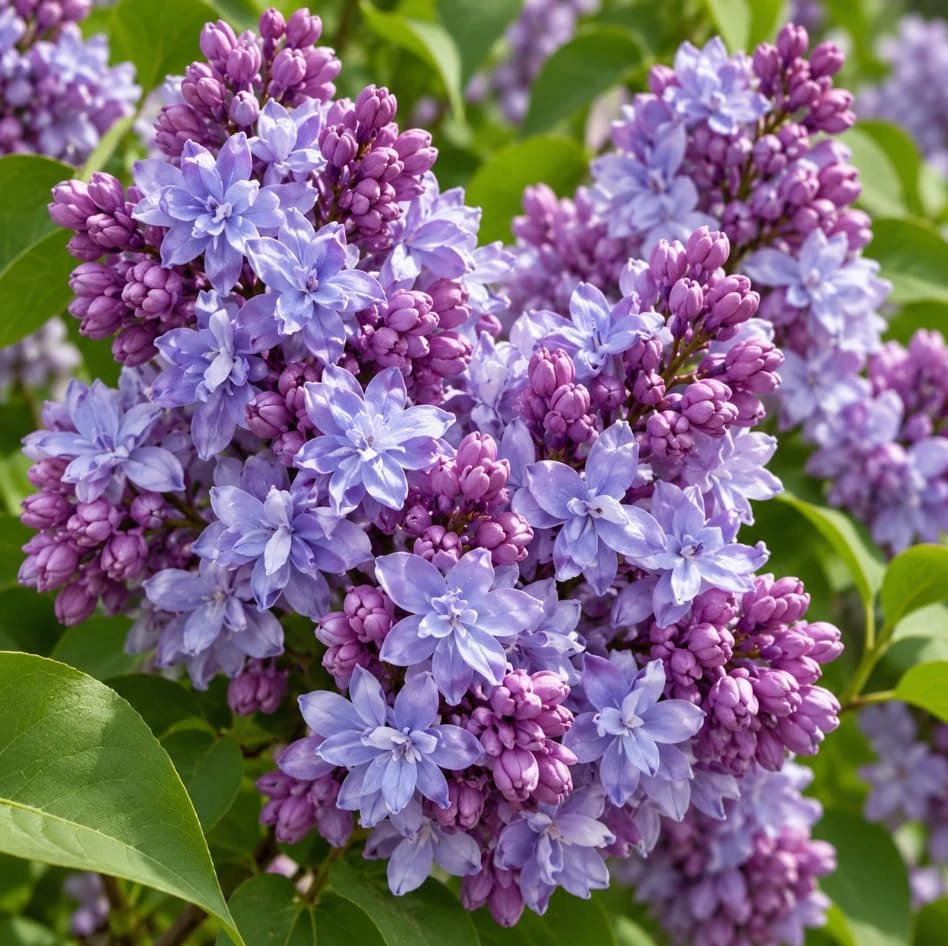
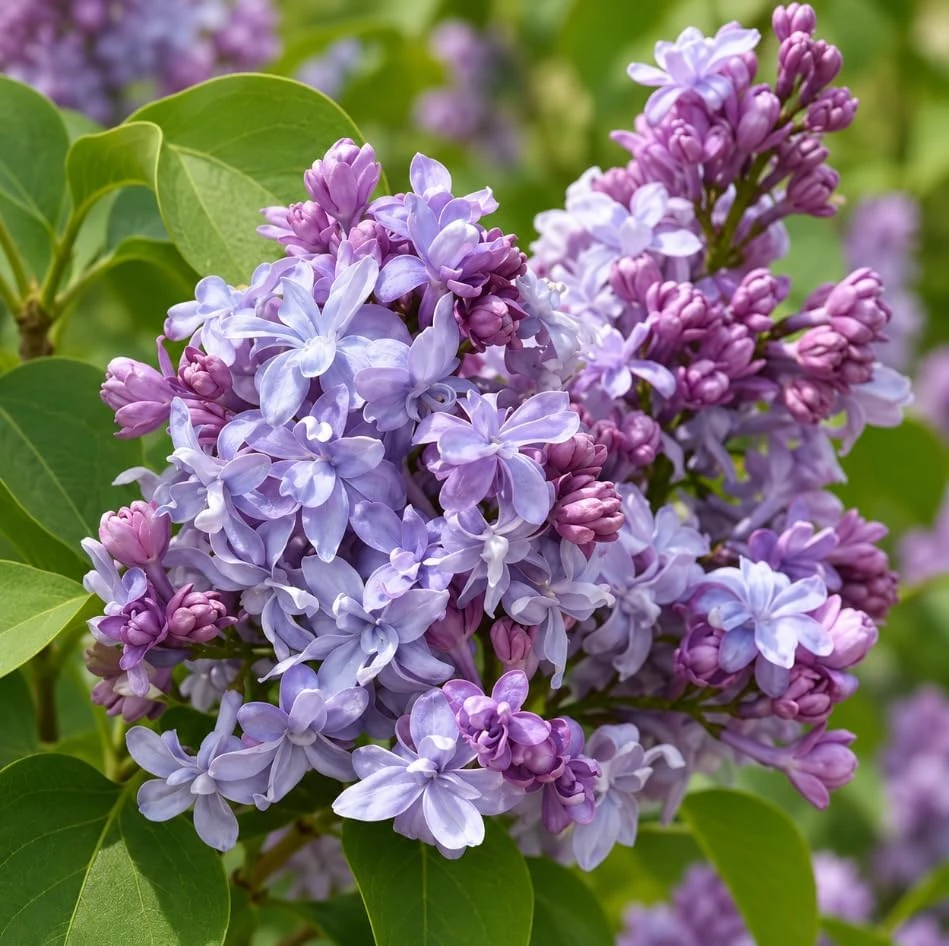
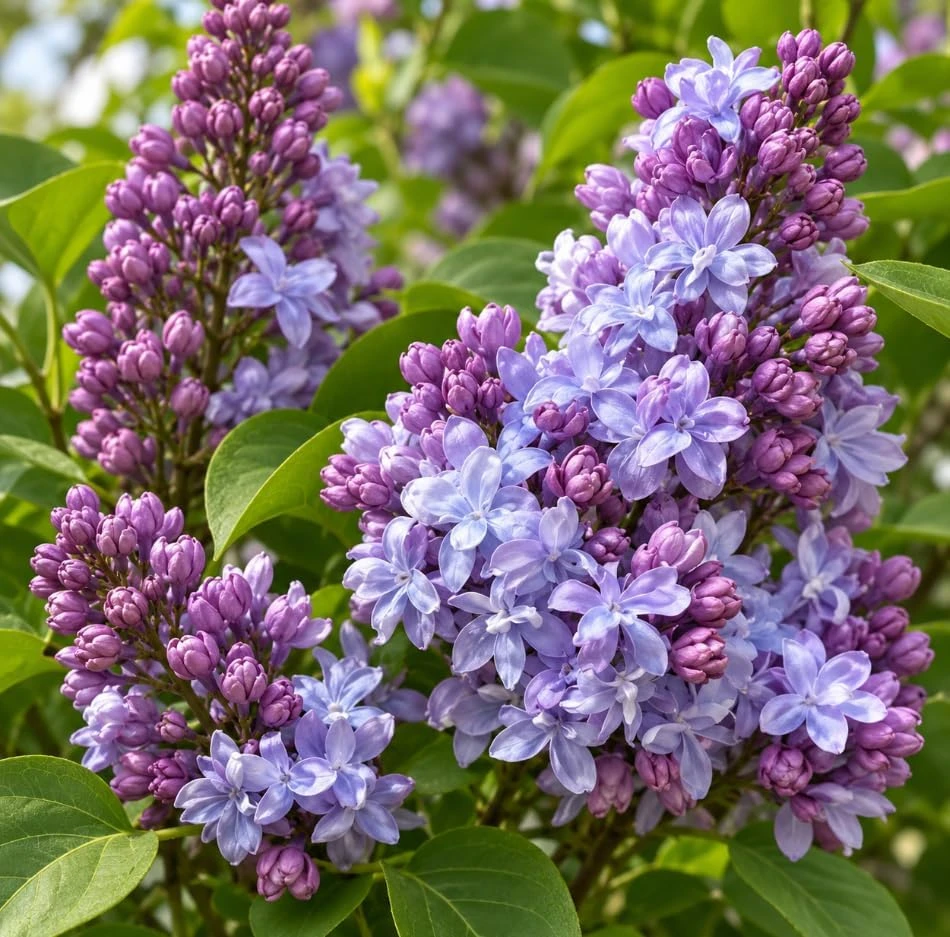
Introduce a touch of classic beauty and enchanting fragrance to your landscape with the double blue lilac tree. This live ornamental bush, arriving at approximately 12 inches tall, is a robust and cold hardy lilac bush, making it an excellent choice for gardeners across a wide range of climates. Known for its stunning spring flowers and unforgettable scent, this lilac variety promises reliable growth and abundant blooms year after year. Whether you’re looking to create a captivating focal point in a garden bed, establish a natural privacy hedge, or enhance a decorative border, this ornamental bush delivers timeless elegance and sensory delight. Its resilience and beautiful double blue blooms make it a cherished addition to any outdoor space, embodying both charm and durability. The double blue lilac tree is a true garden classic.
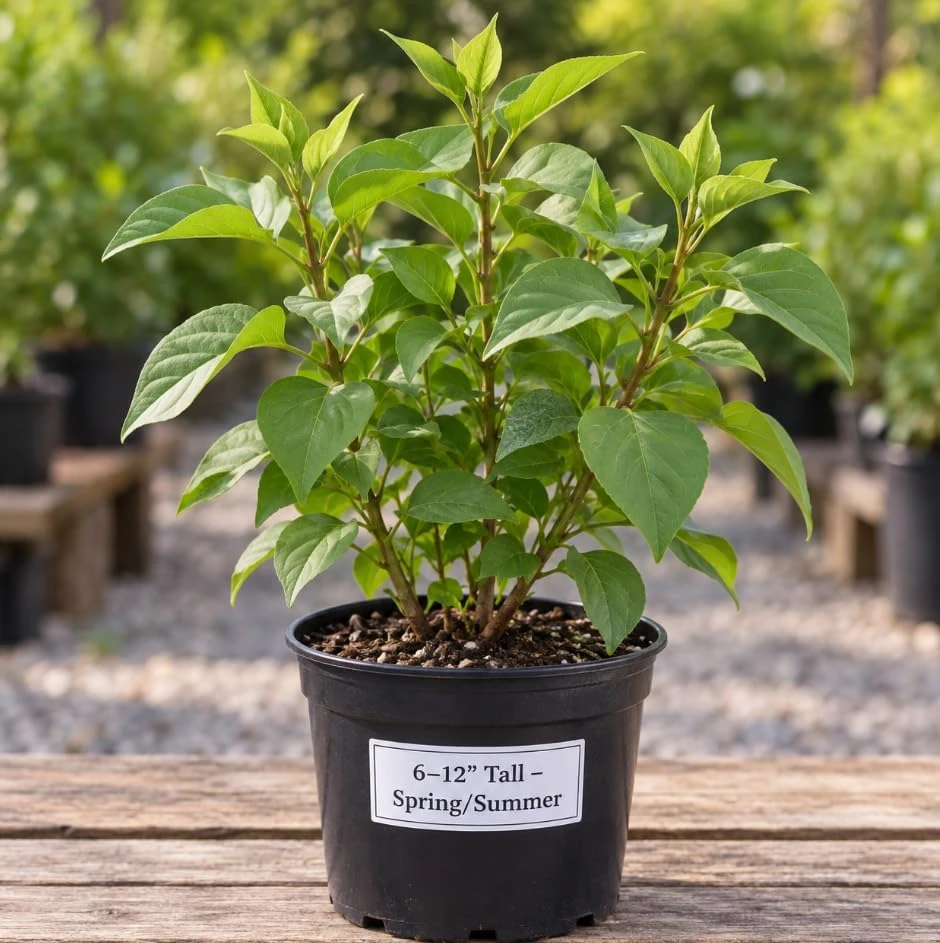
The double blue lilac tree is an established start, ready for planting directly into your garden or a suitable container. Its easy-to-grow nature ensures minimal upkeep once established, allowing you to enjoy its magnificent display with little effort. As a highly valued ornamental plant, it provides not only visual appeal but also a delightful fragrance that signifies the arrival of spring. This particular variety, with its rich double blue flowers, offers a unique and captivating twist on the traditional lilac, ensuring your garden stands out.
Key Benefits
The double blue lilac tree offers a multitude of benefits, making it a highly desirable addition to any garden or landscape. Its unique characteristics contribute to both the aesthetic and sensory appeal of your outdoor living areas. Enjoy the beauty and practicality this plant brings.
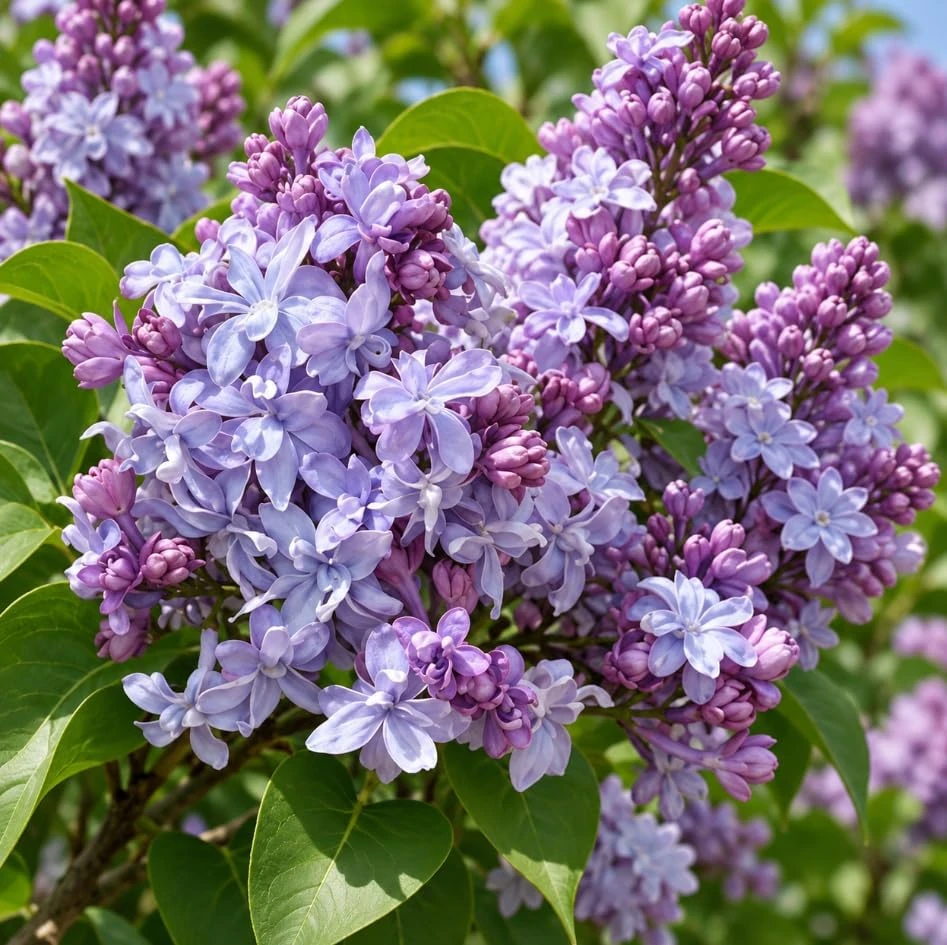
- Stunning Spring Blooms: Experience the joy of vibrant double blue flowers that emerge each spring, transforming your garden into a picturesque haven. These prolific blooms are a highlight of the season.
- Enchanting Fragrance: Fill your outdoor spaces with the sweet, classic scent of lilac during its blooming season. This natural perfume creates a welcoming and relaxing atmosphere for everyone to enjoy.
- Exceptional Cold Hardiness: As a cold hardy lilac bush, this plant is well-suited for a wide range of climates, ensuring reliable growth and blooming even in colder regions. It withstands winter temperatures with ease.
- Versatile Landscaping Use: Ideal for various garden applications, whether as a striking focal point, an effective natural privacy hedge, or an elegant border plant. Its adaptability makes it perfect for diverse design needs.
- Low Maintenance: Once established, this ornamental lilac tree requires minimal upkeep, making it a perfect choice for busy gardeners seeking beauty without constant effort. It’s an easy-care plant.
- Attracts Pollinators: The fragrant flowers are a magnet for bees, butterflies, and other beneficial pollinators, contributing to the health and biodiversity of your garden ecosystem.
- Timeless Elegance: Adds a touch of classic, enduring beauty to any outdoor space with its graceful form and abundant blooms, enhancing curb appeal and garden charm.
Plant Care & Growing Tips
Caring for your double blue lilac tree is straightforward, ensuring years of beautiful blooms and fragrance. To thrive, this ornamental lilac tree requires specific conditions, primarily focusing on sunlight, soil, and watering. Plant your lilac in a location that receives ample sunlight, ideally at least 6 hours of direct sun per day. This ensures robust growth and a profusion of flowers. Well-drained soil is crucial; lilacs do not tolerate soggy roots. If your soil is heavy clay, amend it with organic matter like compost to improve drainage.
Watering should be consistent, especially during the first year after planting to help the root system establish. Once established, lilacs are relatively drought-tolerant but will benefit from deep watering during prolonged dry spells. Fertilize in early spring with a balanced slow-release fertilizer, avoiding high-nitrogen formulas which can promote foliage growth at the expense of flowers. Pruning is best done immediately after flowering to shape the bush and remove spent blooms, which encourages new growth for the following season. Remove any dead, damaged, or diseased branches as needed. This lilac tree care routine will ensure a healthy and vibrant plant.
The double blue lilac tree is known for its resilience and ability to withstand various conditions, making it an excellent choice for many gardeners. It is generally cold-hardy, thriving in USDA zones where lilacs are commonly grown. Monitor for common pests like powdery mildew or lilac borers, treating them promptly with organic or chemical solutions if necessary. Proper air circulation around the plant can help prevent fungal issues. With these simple care guidelines, your fragrant lilac plant will flourish, providing a stunning display of color and scent each spring.
Size & Details
This double blue lilac tree arrives as an established young plant, approximately 12 inches tall, ready for immediate planting. It is shipped without a pot, as a bare-root or established start, ensuring it’s prepared for its new home in your garden or a larger container. Lilacs are known for their moderate growth rate, and with proper care, this ornamental bush will develop into a mature plant, typically reaching heights of 8-15 feet and a spread of 6-12 feet, depending on pruning and growing conditions. The mature size makes it suitable for various landscape designs, from a standalone specimen to a dense hedge.
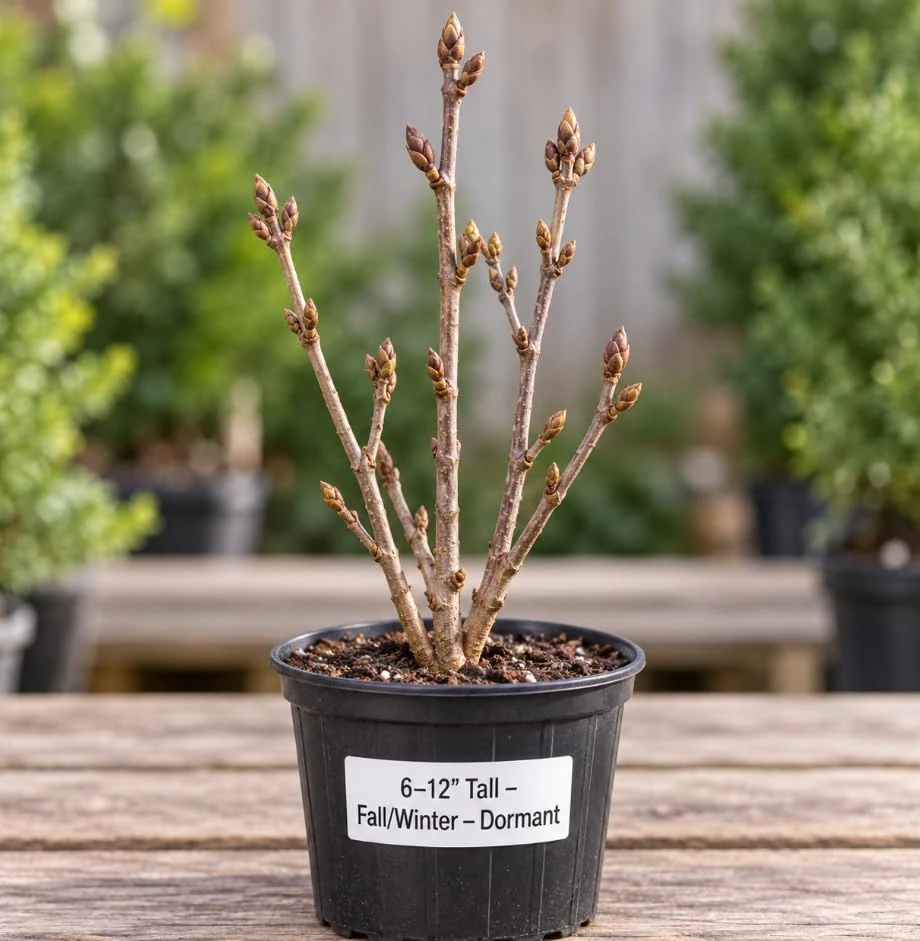
Expect the first blooms in spring, usually from April to May, with the sweet fragrance filling the air. The ‘double blue’ refers to the lush, multi-petaled flowers that provide a rich, full appearance. This plant is a deciduous shrub, meaning it will lose its leaves in fall and enter dormancy during winter, arriving dormant during colder months. Its cold-hardy nature ensures it will return with vibrant growth and blooms each spring, providing a continuous cycle of beauty and fragrance for many years to come.
Frequently Asked Questions
- Q: How big does this double blue lilac tree get? A: This lilac tree typically grows to a height of 8-15 feet and a spread of 6-12 feet at maturity, depending on growing conditions and pruning. It arrives at approximately 12 inches tall, ready to establish.
- Q: Is this an indoor or outdoor plant? A: The double blue lilac tree is an outdoor ornamental bush, best suited for garden beds, hedges, or as a standalone specimen in your yard. It thrives in full sun conditions.
- Q: How much sunlight does a fragrant lilac plant need? A: For optimal growth and abundant blooms, this lilac requires at least 6 hours of direct sunlight per day. Planting in a sunny location is crucial for its health and flowering.
- Q: Is this plant easy to care for? A: Yes, once established, the cold hardy lilac bush is relatively low-maintenance. It requires well-drained soil, consistent watering during establishment, and annual pruning after flowering.
- Q: What condition will the ornamental lilac tree arrive in? A: The plant will arrive as an established start, approximately 12 inches tall. Depending on the season, it may have leaves (spring/summer) or be dormant (fall/winter), which is natural for lilacs. It ships without a pot.
- Q: How long until this double blue lilac tree blooms? A: While it’s an established start, it may take one to two seasons for the plant to fully settle and produce its first significant blooms, though some may flower in the first spring after planting.
- Q: Will this lilac tree care for winter in my zone? A: This is a cold hardy lilac bush, suitable for a wide range of USDA zones. Lilacs are known for their excellent winter hardiness, ensuring reliable return each spring. Consult your specific USDA zone for best results.
- Q: What type of soil does a fragrant lilac plant prefer? A: Lilacs prefer well-drained, fertile soil. If your soil is heavy clay, amending it with organic matter will improve drainage and provide a better growing environment for the double blue lilac tree.
- Q: Can I use this lilac as a privacy hedge? A: Absolutely! Its mature size and dense foliage make it an excellent choice for creating a beautiful and fragrant natural privacy hedge.
- Q: When is the best time to plant this ornamental lilac tree? A: Spring or early fall are generally the best times to plant lilacs, allowing the roots to establish before extreme temperatures. Ensure the ground is not frozen when planting.
Be the first to review “Double Blue Lilac Tree Live Plant – Cold Hardy Ornamental Bush 12″ Tall”
Related products


You May Like

Hardneck vs. Softneck Garlic: Which Should You Grow?
Have you ever stood in front of a seed catalog in mid-September, staring at dozens [...]
Oct

When to Plant Music Garlic: Ultimate US Fall Guide
Have you ever spent your fall weekend placing carefully chosen garlic cloves into rich, dark [...]
1 Comment
Oct

5 Best Bulbs for Fall Planting: Brighten Your Garden This Spring
Are you dreaming of a garden full of vibrant colors in the spring? The key [...]
Aug

10 Houseplants That Will Thrive in Your Kitchen
Are you tired of your kitchen feeling dull and lifeless? Want to add a little [...]
1 Comment
Aug
Reviews
There are no reviews yet.