
Bicolor Lilac Tree Live Plant – Purple Red Flowers – 9-12 inches Tall – Outdoor Shrub
Original price was: 74.99 $.39.99 $Current price is: 39.99 $.
Add timeless elegance to your outdoor space with this stunning bicolor lilac tree live plant. Featuring unique purple-red flowers and a classic sweet fragrance, this 9-12 inch tall, cold-hardy shrub is perfect for garden beds, hedges, or as a focal point.
Estimated arrival
Oct 15
Oct 20 - Oct 22
Oct 22 - Oct 27
See our Shipping Policy.
Get in touch with us via email, and our team will review your concerns.
Our Alive & Thrive Guarantee covers issues with your plants within the first 30 days. Read our Refund & Returns Policy.
-
USDA Hardiness Zone
USDA Zones 3-7 -
Soil Type
Well-draining soil -
Sunlight Exposure
Full sun -
Expected Planting Period
Spring to early fall
Overview
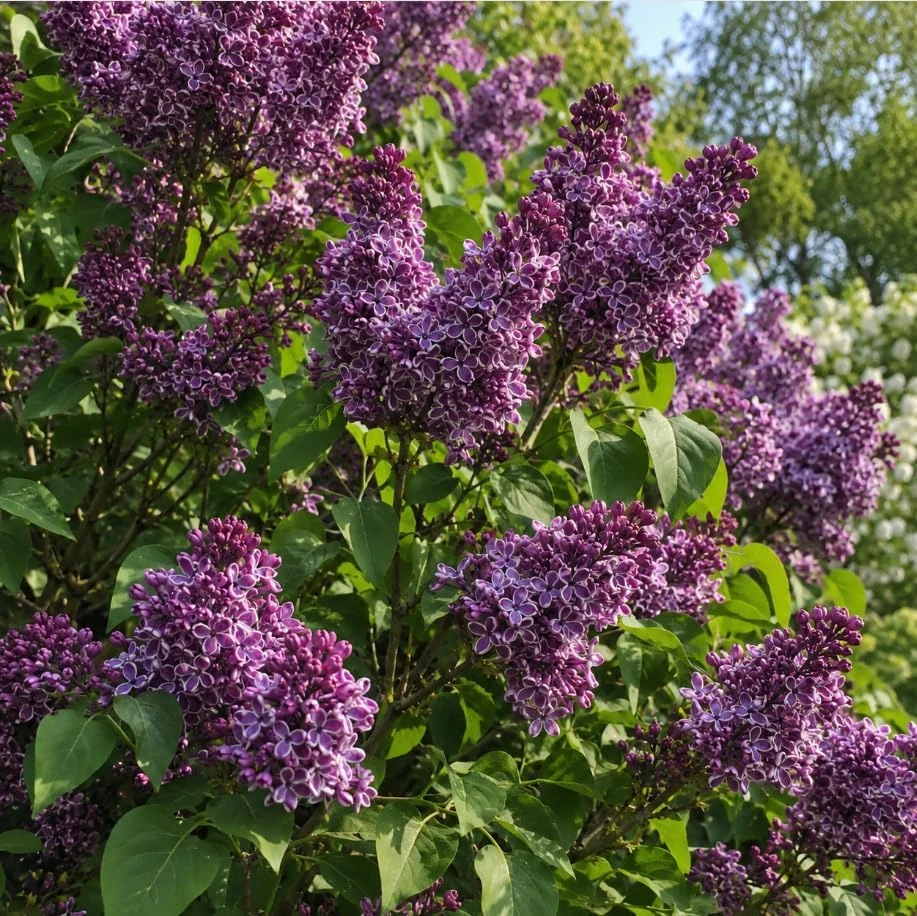
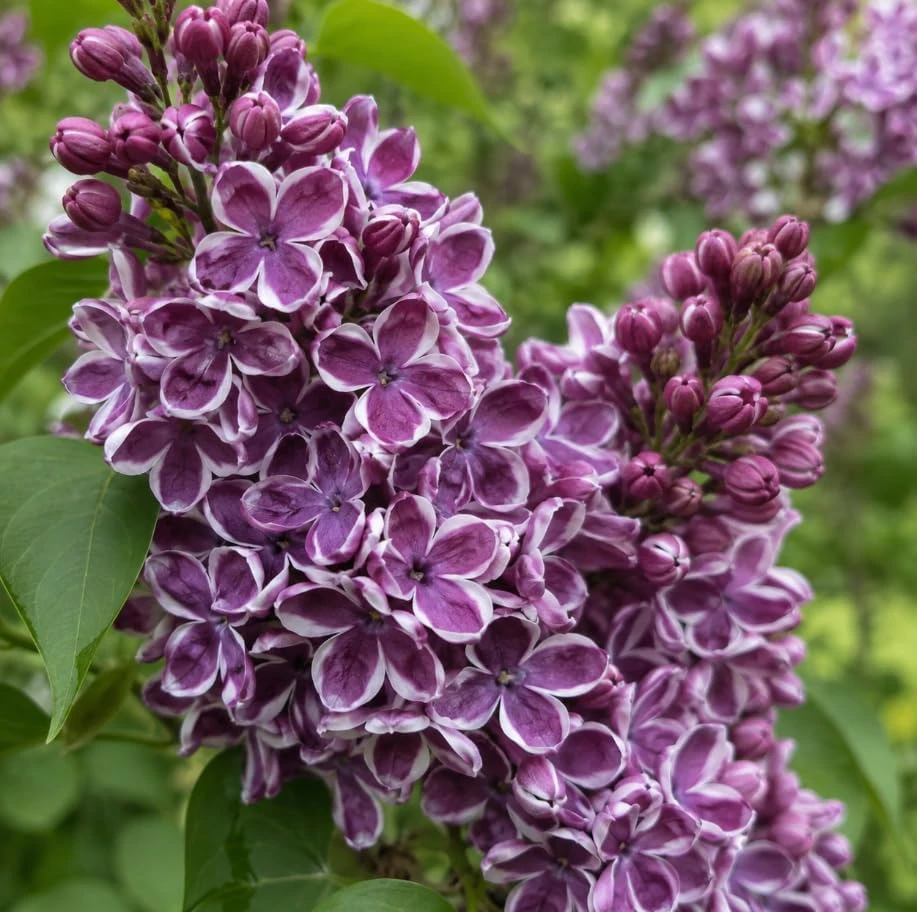
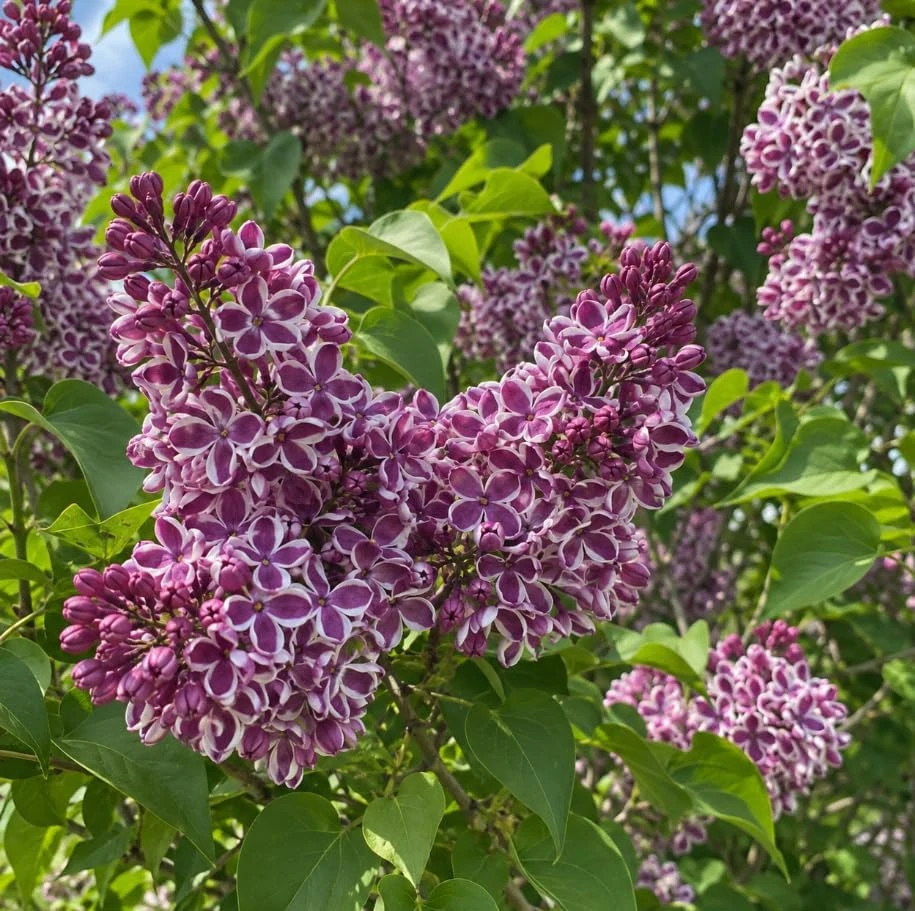
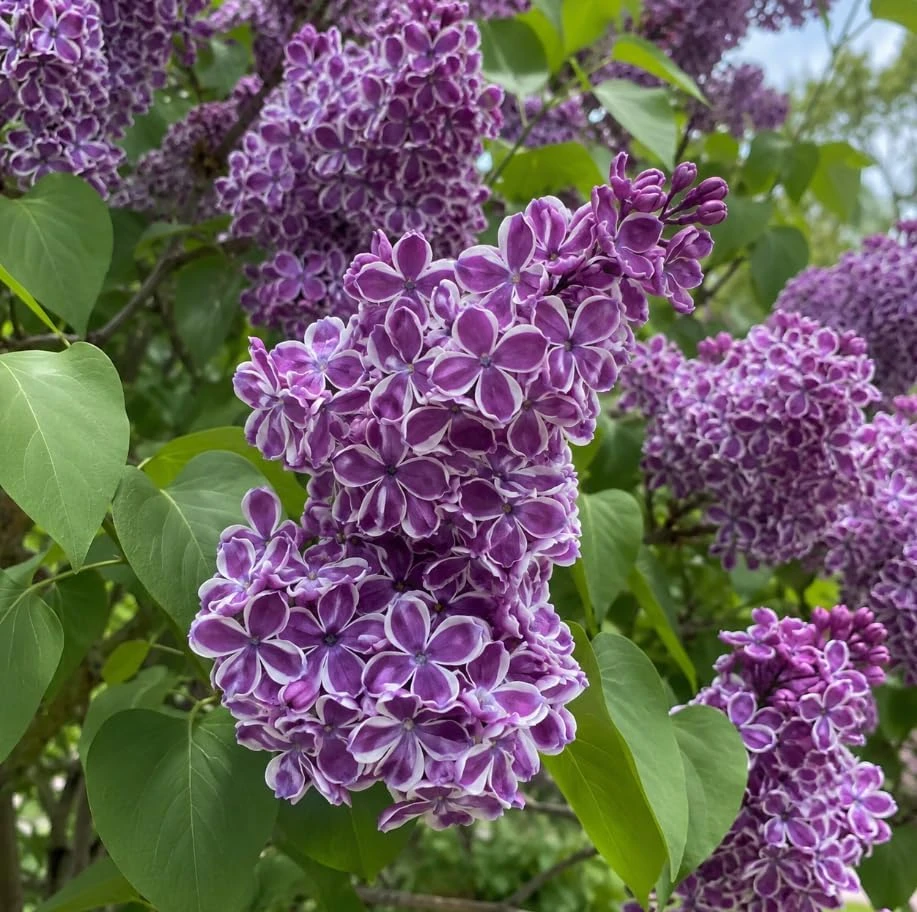
Introduce a touch of classic beauty and enchanting fragrance to your landscape with the bicolor lilac tree live plant. This exquisite variety, often known as ‘Sensation’, stands out with its distinctive purple-red flowers, each petal edged in white, creating a striking bicolor effect that is truly captivating. Arriving at approximately 9-12 inches tall, this young, established plant is ready to thrive in your garden. Lilacs are celebrated for their vigorous growth and ease of care, making them a favorite among both novice and experienced gardeners. This particular variety promises a spectacular display of color and a sweet, classic aroma that will permeate your outdoor living areas during its blooming season. Whether you’re looking to create a natural privacy screen or a stunning focal point, this bicolor lilac tree live plant is an excellent choice for adding charm and elegance to any setting.
The ‘Sensation’ lilac (Syringa vulgaris ‘Sensation’) is a truly unique specimen among lilac varieties. Its upright growth habit and dense foliage make it an ideal candidate for various landscaping applications. This cold-hardy ornamental bush ensures reliable growth and abundant blooming year after year, even in colder climates. Its resilience and beauty make it a valuable addition to any garden, providing visual interest and a delightful scent that enhances the overall ambiance of your outdoor space. Experience the joy of growing this rare and beautiful lilac, which promises to be a conversation starter and a cherished part of your garden for many seasons to come.
Key Benefits
Cultivating a bicolor lilac tree live plant offers a multitude of advantages, transforming your garden into a fragrant and visually appealing sanctuary. Its unique attributes make it a standout choice for various landscaping needs, providing both aesthetic and sensory pleasures.
- Stunning Bicolor Flowers: Enjoy the rare and beautiful purple-red flowers, each edged in white, creating a dramatic and eye-catching display that sets this lilac apart from traditional varieties. These unique blooms are a true garden spectacle.
- Intoxicating Fragrance: Fill your garden with the classic, sweet, and unmistakable scent of lilac blossoms. The delightful aroma is a signature of this plant and will enhance your outdoor experience during spring.
- Cold-Hardy & Resilient: This fragrant lilac bush is exceptionally cold-hardy, making it suitable for a wide range of climates and ensuring reliable growth and blooming performance even after harsh winters.
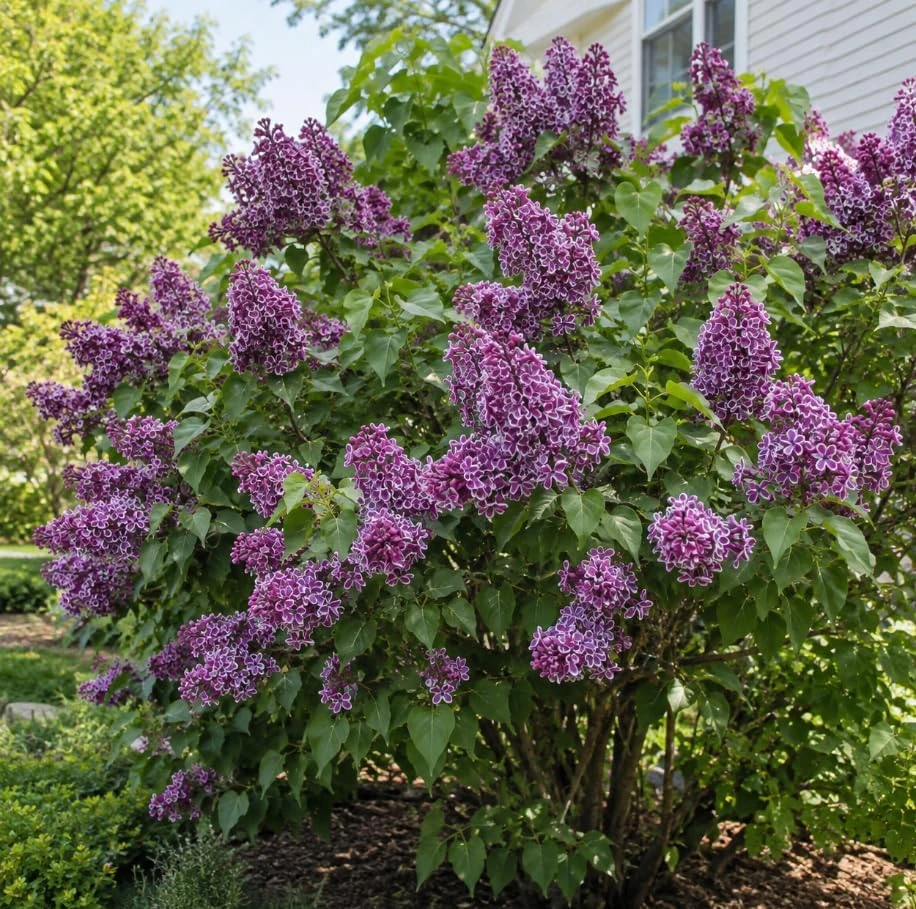
- Versatile Landscaping Use: Perfect for use as a striking focal point, an attractive natural privacy hedge, or a decorative border plant. Its upright growth habit allows for flexible integration into various garden designs.
- Low Maintenance Once Established: Once settled in, this ornamental bush requires minimal upkeep, making it an ideal choice for gardeners seeking beauty without constant attention. It’s a truly easy-to-grow option.
- Attracts Pollinators: The vibrant flowers and sweet nectar of the lilac will attract beneficial pollinators like bees and butterflies to your garden, contributing to a healthy ecosystem.
- Long-Lasting Blooms: While the blooming season is specific, the profusion of flowers provides a significant period of intense beauty and fragrance that gardeners eagerly anticipate each year.
Plant Care & Growing Tips
Caring for your bicolor lilac tree live plant is straightforward, ensuring years of beautiful blooms and delightful fragrance. Lilacs are generally robust plants, but providing them with the right conditions will maximize their health and flowering potential. For optimal growth, plant your lilac in a location that receives at least 6 hours of full sunlight daily. Adequate sunlight is crucial for abundant flowering; too much shade can result in fewer blooms. Ensure the soil is well-drained, as lilacs do not tolerate soggy roots. A slightly alkaline to neutral soil pH is ideal, but they are adaptable to a range of soil types as long as drainage is good. Amend heavy clay soils with organic matter to improve drainage and aeration.
Water your young fragrant lilac bush regularly during its first growing season to help establish a strong root system. Once established, lilacs are relatively drought-tolerant but will benefit from occasional deep watering during prolonged dry spells. Fertilize in early spring with a balanced slow-release fertilizer or a fertilizer formulated for flowering shrubs. Avoid over-fertilizing with high nitrogen, as this can promote leafy growth at the expense of flowers. Pruning is best done immediately after flowering to shape the plant and remove spent blooms, which can encourage more flowers the following year. Remove any dead, damaged, or crossing branches to maintain good air circulation and plant health. The syringa vulgaris sensation is known for its hardiness, typically thriving in USDA Zones 3-7, making it a reliable choice for many regions.
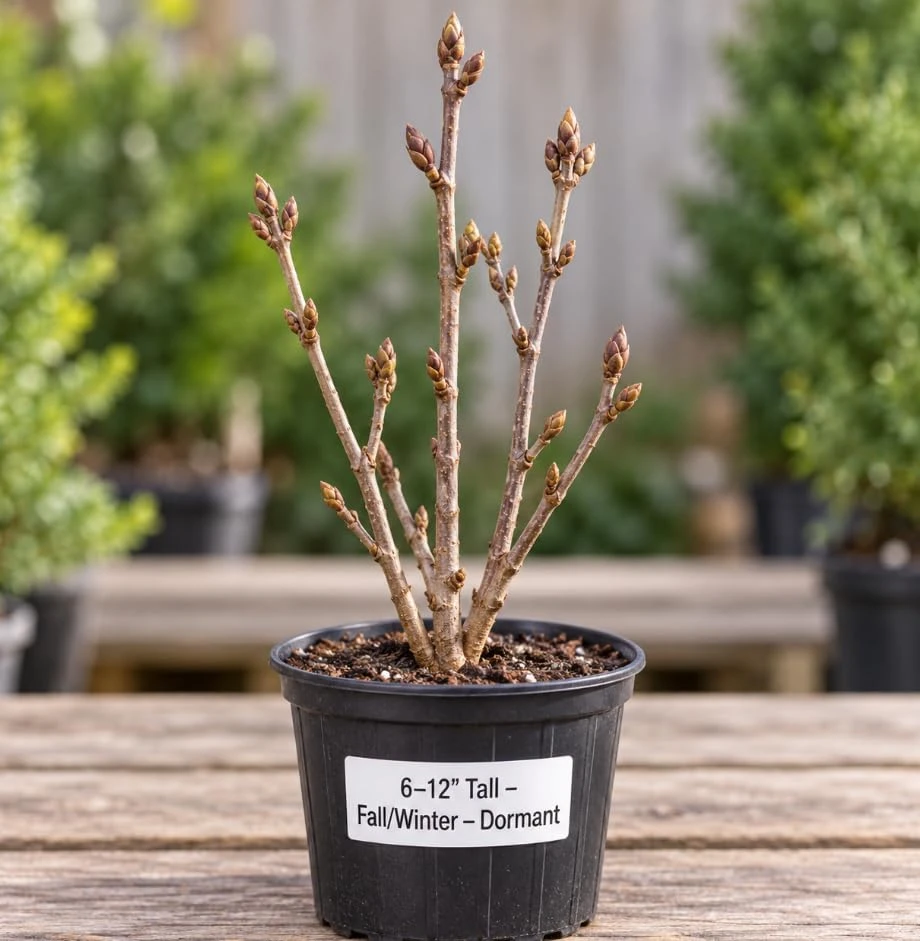
Monitor your lilac for common pests like powdery mildew or lilac borers, though generally, these plants are quite resistant. Good air circulation and proper watering practices can help prevent fungal diseases. In fall and winter, lilacs naturally lose their leaves and enter a dormant state. Do not be alarmed if your plant arrives dormant during these cooler months; it is a natural part of its life cycle and it will leaf out again in spring. Protecting young plants from harsh winter winds in colder zones can be beneficial. By following these simple care guidelines, your cold hardy lilac will flourish and bring immense joy to your garden.
Size & Details
This bicolor lilac tree live plant arrives as an established young plant, approximately 9-12 inches tall, ready for immediate planting in your garden or a larger container. It is shipped as a bare root or with minimal soil, without a pot, to ensure safe and efficient transit. This size provides a robust start, allowing the plant to quickly establish itself in its new environment. Lilacs are known for their moderate to fast growth rate, typically adding 1-2 feet of height per year once established, eventually reaching a mature height of 8-12 feet and a spread of 6-8 feet. Its upright growth habit makes it suitable for various landscape designs, from a standalone specimen to a dense hedge.
The ‘Sensation’ lilac will typically begin to produce its stunning purple red lilac flowers in spring, usually in late April to May, depending on your climate zone. The blooming period lasts for several weeks, filling the air with its characteristic sweet fragrance. This particular variety is cherished for its unique flower coloration and strong, healthy growth. While it arrives at a manageable size, it will grow into a substantial and beautiful shrub or small tree, providing years of seasonal beauty and charm. Ensure you give it adequate space to reach its full mature size for the best display.
Frequently Asked Questions
- Q: How big does this bicolor lilac tree get? A: This bicolor lilac tree live plant arrives approximately 9-12 inches tall. Once mature, it can reach a height of 8-12 feet with a spread of 6-8 feet, forming a substantial and beautiful shrub or small tree.
- Q: Is this an indoor or outdoor plant? A: This lilac is an outdoor plant. It requires full sun exposure and is cold-hardy, making it ideal for garden beds, hedges, and other outdoor landscaping applications.
- Q: How much sunlight does the fragrant lilac bush need? A: For optimal blooming and health, your fragrant lilac bush needs at least 6 hours of direct full sun per day. More sun generally leads to more abundant flowers.
- Q: Is this cold hardy lilac easy to care for? A: Yes, once established, this cold hardy lilac is considered low-maintenance. It requires regular watering during its first year, but after that, it’s quite resilient and only needs occasional watering during dry periods and annual pruning.
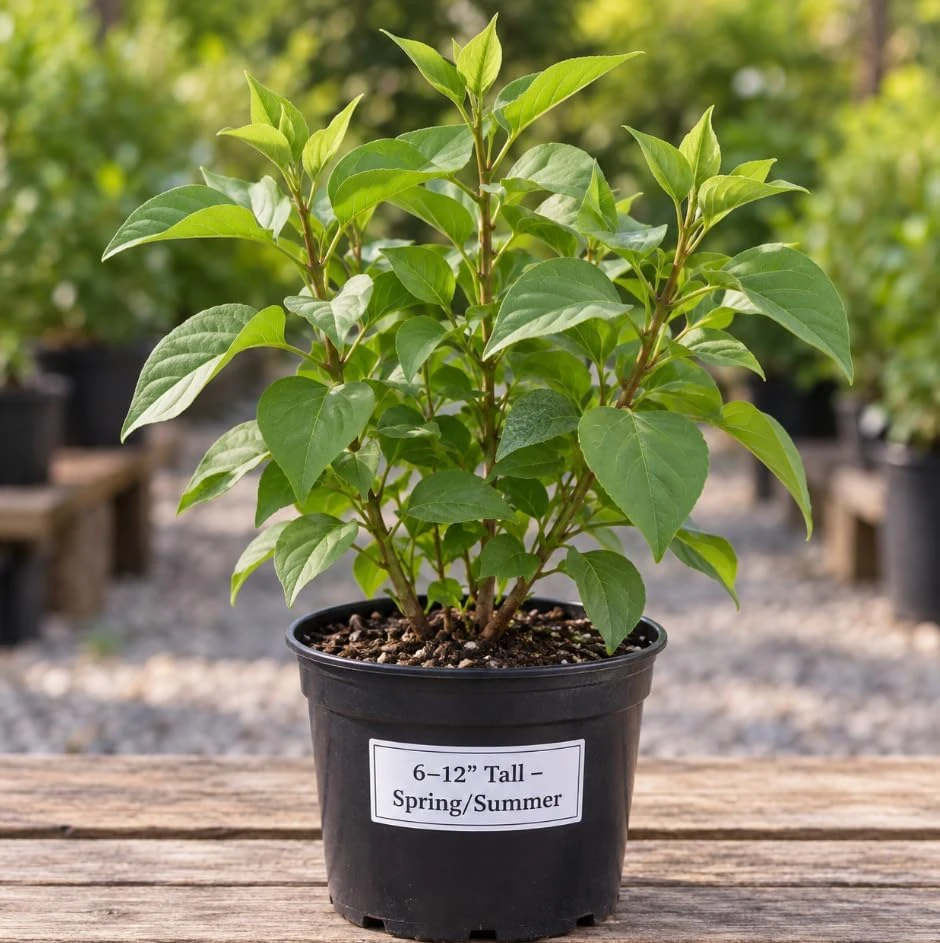
- Q: What condition will the plant arrive in? A: The plant will arrive at approximately 9-12 inches tall, established for planting. During spring and summer, it will have leaves, while in fall and winter, it may arrive dormant and leafless, which is natural for lilacs.
- Q: When is the best time to plant this syringa vulgaris sensation? A: The best time to plant your syringa vulgaris sensation is in early spring or early fall. This allows the plant to establish its root system before extreme summer heat or winter cold.
- Q: Will the purple red lilac flowers attract pollinators? A: Absolutely! The vibrant and fragrant purple red lilac flowers are highly attractive to bees, butterflies, and other beneficial pollinators, contributing to a healthy garden ecosystem.
- Q: What type of soil does this lilac prefer? A: This lilac thrives in well-drained soil. While adaptable, it prefers a slightly alkaline to neutral pH. Amending heavy clay soils with organic matter will improve drainage.
- Q: How often should I water my bicolor lilac tree? A: Water regularly during the first growing season to establish roots. Once established, water deeply during dry spells. Avoid overwatering, as lilacs do not like soggy conditions.
- Q: Can I grow this lilac in a container? A: While it prefers to be in the ground, a young lilac can be grown in a very large container (20+ gallons) with good drainage. However, for best long-term growth and size, planting in the ground is recommended.
Be the first to review “Bicolor Lilac Tree Live Plant – Purple Red Flowers – 9-12 inches Tall – Outdoor Shrub”
Related products


You May Like

Hardneck vs. Softneck Garlic: Which Should You Grow?
Have you ever stood in front of a seed catalog in mid-September, staring at dozens [...]
Oct

When to Plant Music Garlic: Ultimate US Fall Guide
Have you ever spent your fall weekend placing carefully chosen garlic cloves into rich, dark [...]
1 Comment
Oct

5 Best Bulbs for Fall Planting: Brighten Your Garden This Spring
Are you dreaming of a garden full of vibrant colors in the spring? The key [...]
Aug

10 Houseplants That Will Thrive in Your Kitchen
Are you tired of your kitchen feeling dull and lifeless? Want to add a little [...]
1 Comment
Aug
Reviews
There are no reviews yet.