
Eastern Redbud Tree Live Plant – 2 Ft Tall, Vibrant Rosy-Pink Blooms, Outdoor
Original price was: 101.99 $.66.99 $Current price is: 66.99 $.
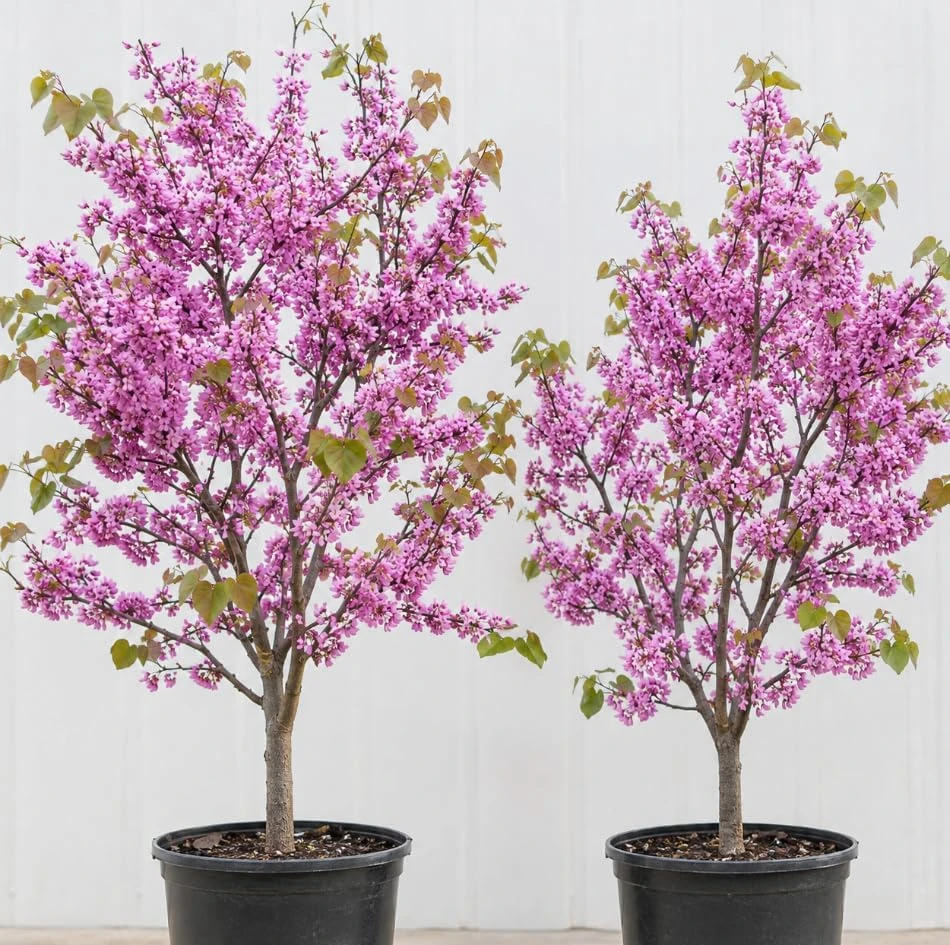
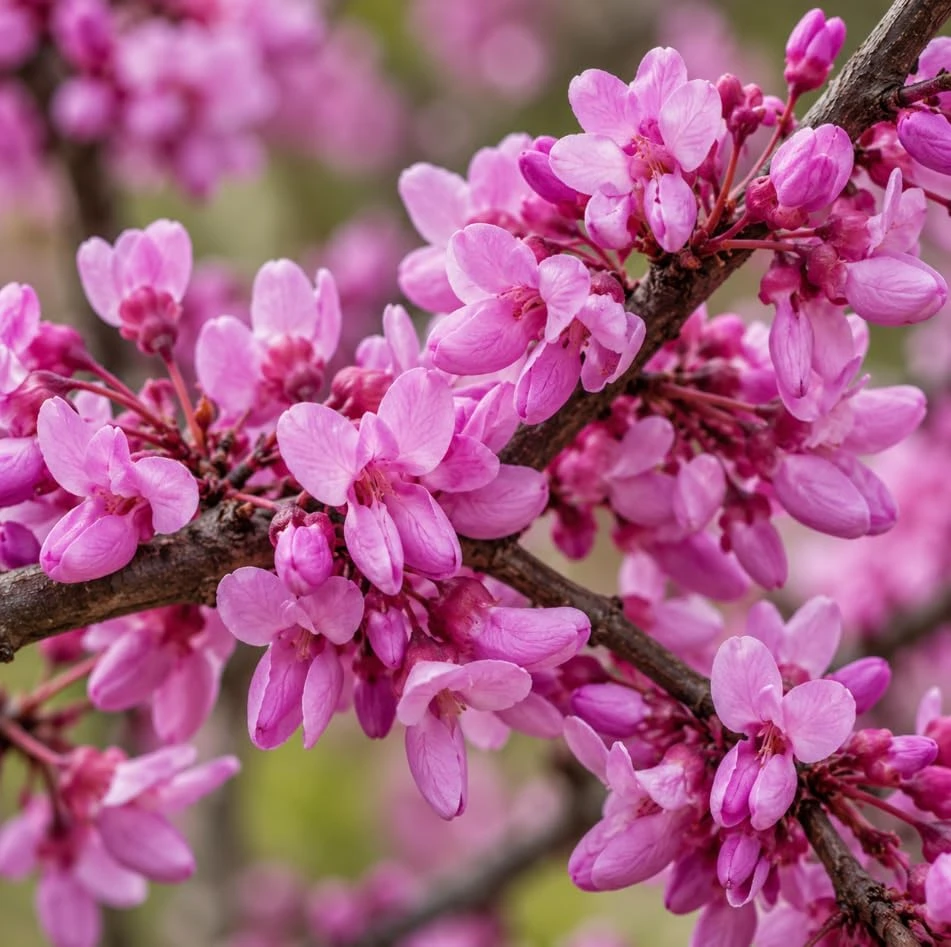
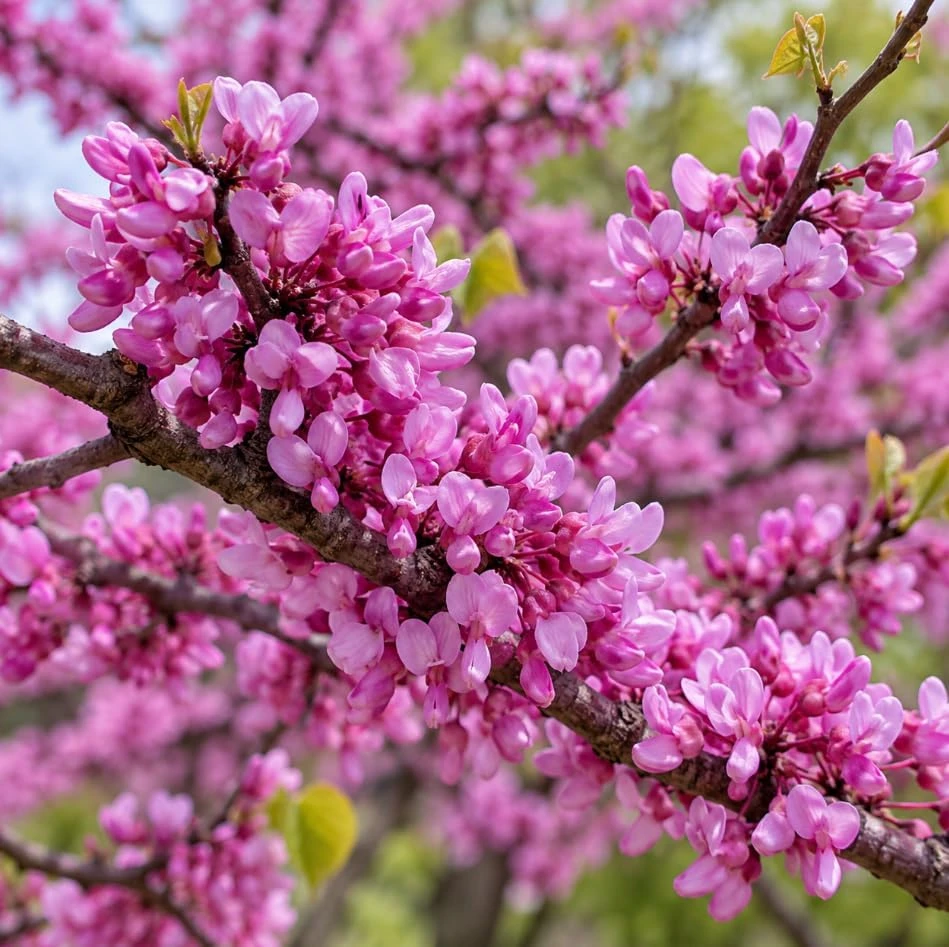
Add stunning early spring color to your landscape with this Eastern Redbud Tree live plant. Standing 2 ft tall, it features vibrant rosy-pink blossoms and is known for its adaptability and low maintenance. Ideal for any garden.
Estimated arrival
Oct 15
Oct 20 - Oct 22
Oct 22 - Oct 27
See our Shipping Policy.
Get in touch with us via email, and our team will review your concerns.
Our Alive & Thrive Guarantee covers issues with your plants within the first 30 days. Read our Refund & Returns Policy.
-
USDA Hardiness Zone
USDA zones 4-9 -
Soil Type
Well-draining, loamy soil -
Sunlight Exposure
Full sun to partial shade -
Expected Planting Period
Early spring to fall
Overview
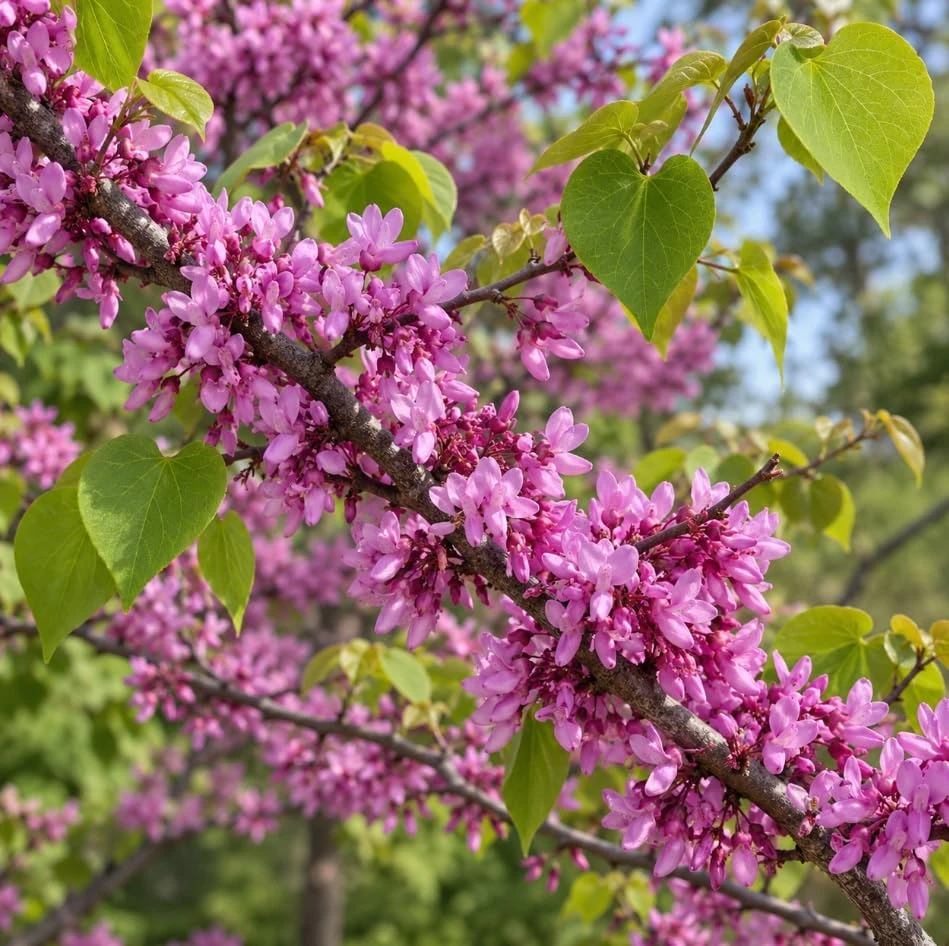
Introduce the captivating beauty of spring to your outdoor space with the Eastern Redbud Tree live plant. This approximately 2-foot tall specimen, scientifically known as Cercis canadensis, is a beloved deciduous tree renowned for its spectacular display of vibrant reddish-pink to rosy-pink blossoms that burst forth in early spring, often before its heart-shaped leaves appear. A true herald of the warmer months, the Eastern Redbud Tree live plant transforms any garden into a picturesque haven with its profusion of delicate flowers. This versatile and resilient tree is an excellent choice for both novice and experienced gardeners looking to add a touch of natural elegance and seasonal interest to their landscape. It’s ready to be planted directly into your home garden, promising years of breathtaking floral displays.
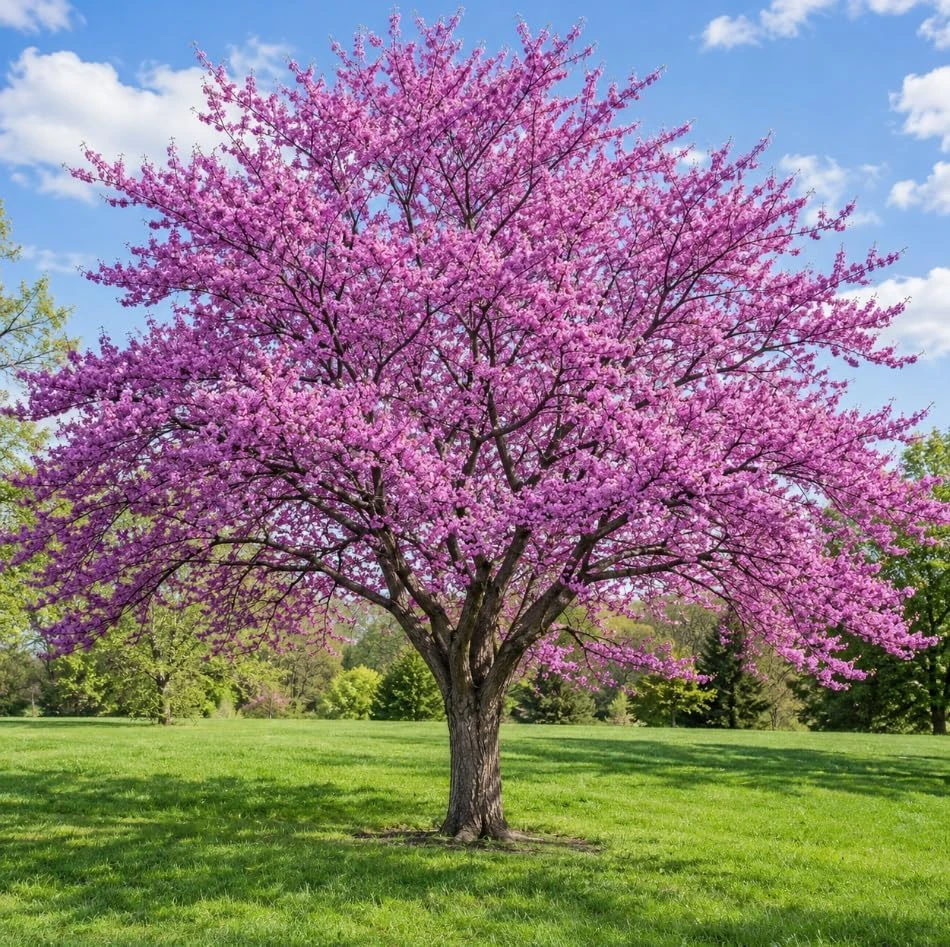
The Eastern Redbud Tree live plant is celebrated not only for its stunning floral show but also for its graceful, spreading habit and attractive foliage that provides shade and visual appeal throughout the growing season. Its adaptability to a wide range of soil conditions and its ability to thrive in various light exposures, from full sun to partial shade, make it an incredibly forgiving and rewarding addition to almost any garden setting. As it matures, this tree develops a charming, multi-stemmed form, making it a fantastic focal point or an integral part of a larger landscape design. Embrace the magic of spring with this iconic North American native tree.
Key Benefits
The Eastern Redbud Tree live plant offers a multitude of advantages for your garden and landscape, making it a highly desirable choice for homeowners and garden enthusiasts alike. Its unique characteristics contribute significantly to its appeal and ease of care.
- Spectacular Spring Blooms: Enjoy an explosion of vibrant rosy-pink flowers in early spring, creating a dramatic visual impact before most other trees begin to leaf out. These prolific blooms are a highlight of the spring season.
- Adaptable & Resilient: This Eastern Redbud Tree live plant thrives in a variety of soil types and can tolerate both full sun and partial shade, making it suitable for diverse garden environments and climates. Its robust nature ensures reliable growth.
- Low Maintenance: Once established, the Eastern Redbud is relatively low-maintenance, requiring minimal pruning and general care, allowing you more time to enjoy its beauty rather than tending to it constantly.
- Wildlife Attractor: The early spring flowers are a vital nectar source for pollinators like bees, and its seeds provide food for birds, enhancing biodiversity in your garden.
- Attractive Foliage: Beyond its flowers, the tree features distinctive heart-shaped leaves that emerge after the blooms, providing lush green cover through summer and turning shades of yellow in the fall.
- Moderate Size: Reaching a mature height of 20-30 feet, it’s a perfect specimen tree for smaller yards or as an understory tree in larger landscapes, offering significant presence without overwhelming the space.
- Native Beauty: As a native North American tree, it is well-suited to local ecosystems, contributing to local flora and fauna and often proving more resistant to regional pests and diseases. For those looking for a beautiful and resilient addition, considering a Cercis canadensis for sale is an excellent option.
Plant Care & Growing Tips
Caring for your Eastern Redbud Tree live plant is straightforward, thanks to its adaptable nature. To ensure optimal growth and a spectacular bloom display, understanding its basic needs is key. Upon arrival, your 2 ft tall tree will be ready for planting. Choose a site with well-draining soil; while adaptable, redbuds prefer moist, well-drained loamy soils. Avoid excessively wet or poorly draining areas, as this can lead to root rot. If your soil is heavy clay, amend it with organic matter to improve drainage.
For sunlight, the Eastern Redbud performs best in a location that receives full sun to partial shade. Full sun (6+ hours of direct sunlight) will generally result in the most prolific flowering, while partial shade (4-6 hours of direct sunlight, especially in the afternoon) can help protect the foliage in hotter climates. Ensure the planting hole is twice as wide as the root ball and just as deep. Place the tree so the top of the root ball is level with the surrounding soil. Water thoroughly after planting and continue to water regularly during the first growing season to help establish a strong root system. Once established, the tree is moderately drought-tolerant but will benefit from supplemental watering during prolonged dry spells.
The Redbud tree care routine typically includes minimal fertilization. A balanced, slow-release fertilizer can be applied in early spring, particularly if your soil is poor. Pruning is generally limited to removing dead, damaged, or crossing branches to maintain a healthy structure. This is best done in late winter or early spring before new growth begins. The Eastern Redbud is hardy in USDA zones 4-9, making it suitable for a wide range of climates. Keeping an eye on potential pests or diseases, though rare, will help ensure your tree thrives. This adaptable pink flowering tree is a joy to grow and will reward you with its stunning seasonal displays.
Size & Details
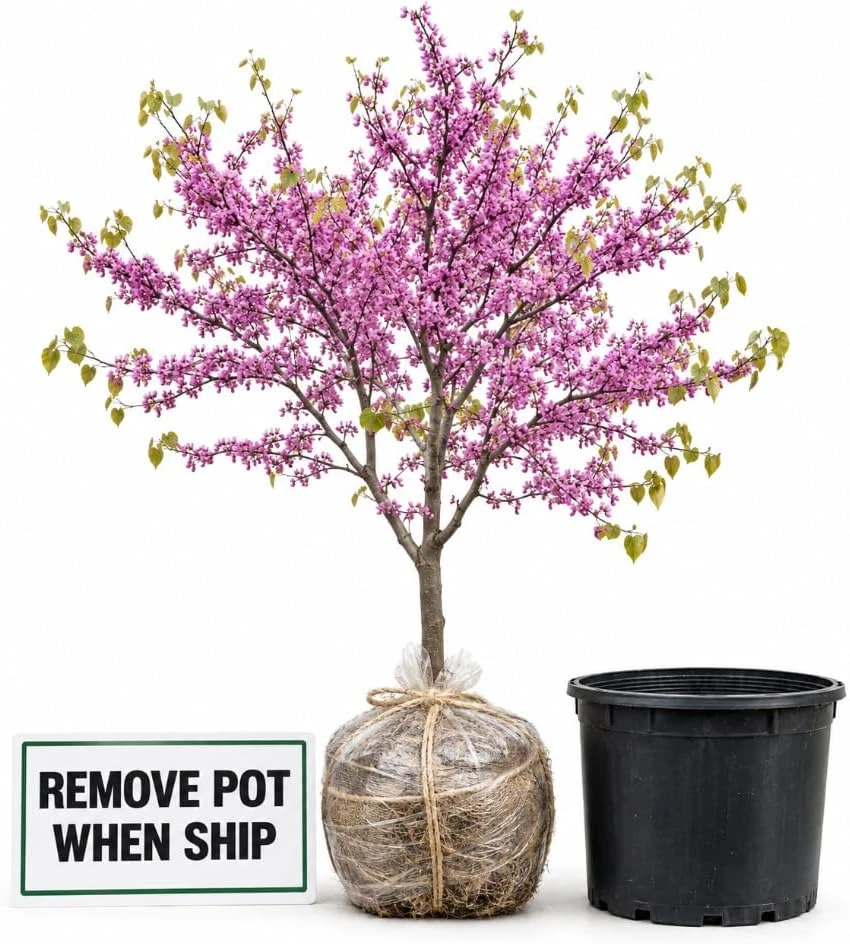
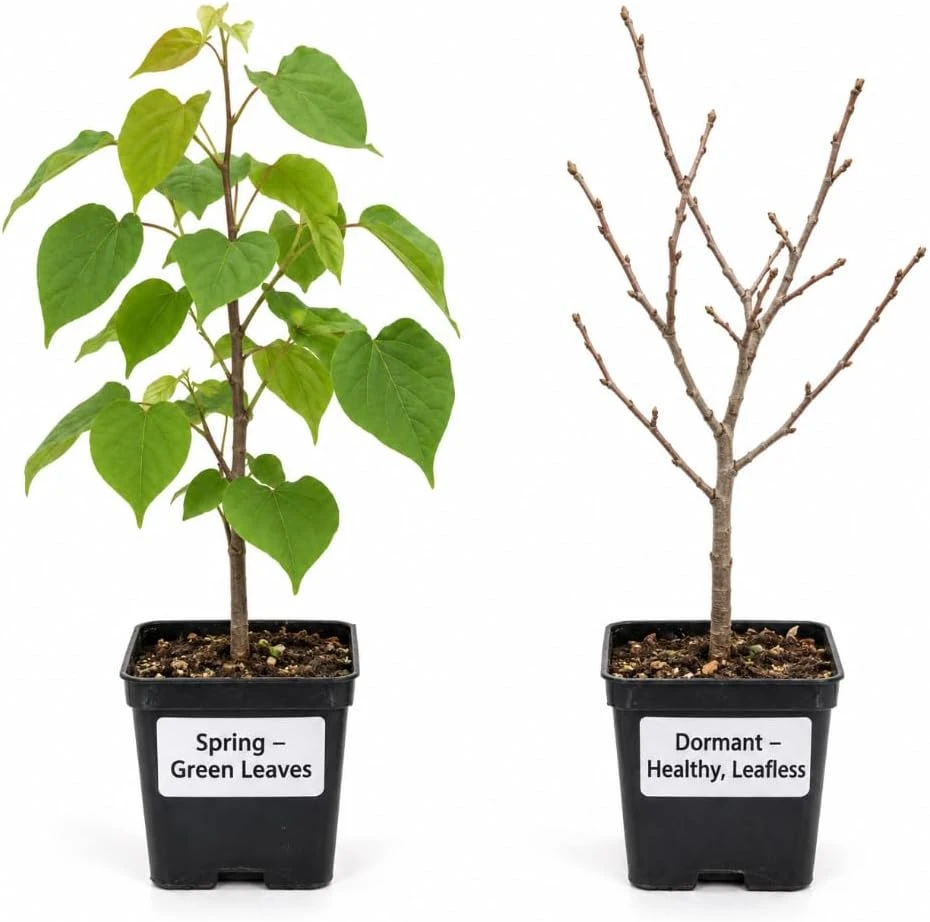
This offering is for a single Eastern Redbud Tree live plant, which arrives approximately 2 feet tall, making it an ideal size for immediate planting and establishment in your garden. While the plant you receive may vary slightly in size due to seasonal growth cycles, it will be a healthy, vigorous specimen ready for its new home. When fully mature, these magnificent trees can reach an impressive height of 20 to 30 feet with a similar spread, forming a beautiful, rounded to vase-shaped canopy. Its moderate growth rate means you’ll enjoy its increasing stature and floral displays year after year without an overly rapid expansion.
The trees are shipped as bare-root or potted specimens (depending on the season and nursery practices), ensuring they arrive in optimal condition for transplanting. Please note that the plant is shipped without a decorative pot, prepared for direct planting into your landscape. The mature size makes it an excellent choice for a specimen tree, a shade tree, or integrated into a mixed border. Its adaptability to various conditions ensures that this adaptable Redbud tree will be a lasting and cherished feature in your outdoor space, providing beauty and ecological benefits for decades.
Frequently Asked Questions
- Q: How big will the Eastern Redbud Tree get when it’s fully grown? A: The Eastern Redbud Tree live plant typically grows to a mature height of 20-30 feet tall with a similar spread, creating a beautiful, rounded canopy. Its moderate size makes it suitable for many garden types.
- Q: Is this an indoor or outdoor plant? A: The Eastern Redbud Tree live plant is an outdoor deciduous tree. It requires exposure to seasonal changes and is not suitable for indoor cultivation.
- Q: How much sunlight does the Eastern Redbud Tree need? A: This tree thrives in full sun (at least 6 hours of direct sunlight per day) to partial shade (4-6 hours of direct sunlight). Full sun generally encourages the best flowering.
- Q: Is this plant easy to care for? Is it good for beginners? A: Yes, the Eastern Redbud Tree live plant is considered low-maintenance and adaptable, making it an excellent choice for beginner gardeners. It tolerates a range of soil types and light conditions.
- Q: What condition will the Eastern Redbud Tree arrive in? A: Your Eastern Redbud Tree live plant will arrive approximately 2 feet tall, healthy, and ready to plant. It may be shipped bare-root or in a nursery container, depending on the season, and will not include a decorative pot.
- Q: How long until my Eastern Redbud Tree blooms? A: Eastern Redbud Trees typically begin to bloom within 1-3 years after planting, depending on their age and establishment. You can expect vibrant rosy-pink flowers in early spring.
- Q: Will this tree survive winter in my zone? A: The Eastern Redbud Tree is hardy in USDA Zones 4-9, meaning it is well-suited to survive winters in most temperate regions of the United States. Ensure you know your specific USDA zone for best results.
- Q: What is the best time to plant an Eastern Redbud Tree? A: The ideal time to plant an Eastern Redbud Tree is in early spring or fall when temperatures are moderate. This allows the tree to establish its root system before extreme heat or cold.
- Q: Can I get a Cercis canadensis for sale that is already larger? A: While this listing is for a 2 ft tall plant, larger specimens of Cercis canadensis for sale may be available from other nurseries. This size is ideal for easy transplanting and establishment.
- Q: What are the main benefits of planting a pink flowering tree like the Eastern Redbud? A: A pink flowering tree like the Eastern Redbud offers stunning early spring color, attracts pollinators, is low-maintenance, and provides attractive foliage and a graceful form, enhancing overall landscape beauty.
Be the first to review “Eastern Redbud Tree Live Plant – 2 Ft Tall, Vibrant Rosy-Pink Blooms, Outdoor”
Related products


You May Like

Hardneck vs. Softneck Garlic: Which Should You Grow?
Have you ever stood in front of a seed catalog in mid-September, staring at dozens [...]
Oct

When to Plant Music Garlic: Ultimate US Fall Guide
Have you ever spent your fall weekend placing carefully chosen garlic cloves into rich, dark [...]
1 Comment
Oct

5 Best Bulbs for Fall Planting: Brighten Your Garden This Spring
Are you dreaming of a garden full of vibrant colors in the spring? The key [...]
Aug

10 Houseplants That Will Thrive in Your Kitchen
Are you tired of your kitchen feeling dull and lifeless? Want to add a little [...]
1 Comment
Aug
Reviews
There are no reviews yet.