
Pomegranate Tree Live Plants – Set of 2, Red Fruit Starter, 6-10 Inches Tall
Original price was: 87.99 $.52.99 $Current price is: 52.99 $.
Start your home orchard with a pomegranate tree live plant. This set of two 6-10 inch tall starter plants promises delicious red fruit for backyard gardens. Enjoy fresh pomegranates straight from your own tree.
Estimated arrival
Oct 15
Oct 20 - Oct 22
Oct 22 - Oct 27
See our Shipping Policy.
Get in touch with us via email, and our team will review your concerns.
Our Alive & Thrive Guarantee covers issues with your plants within the first 30 days. Read our Refund & Returns Policy.
-
USDA Hardiness Zone
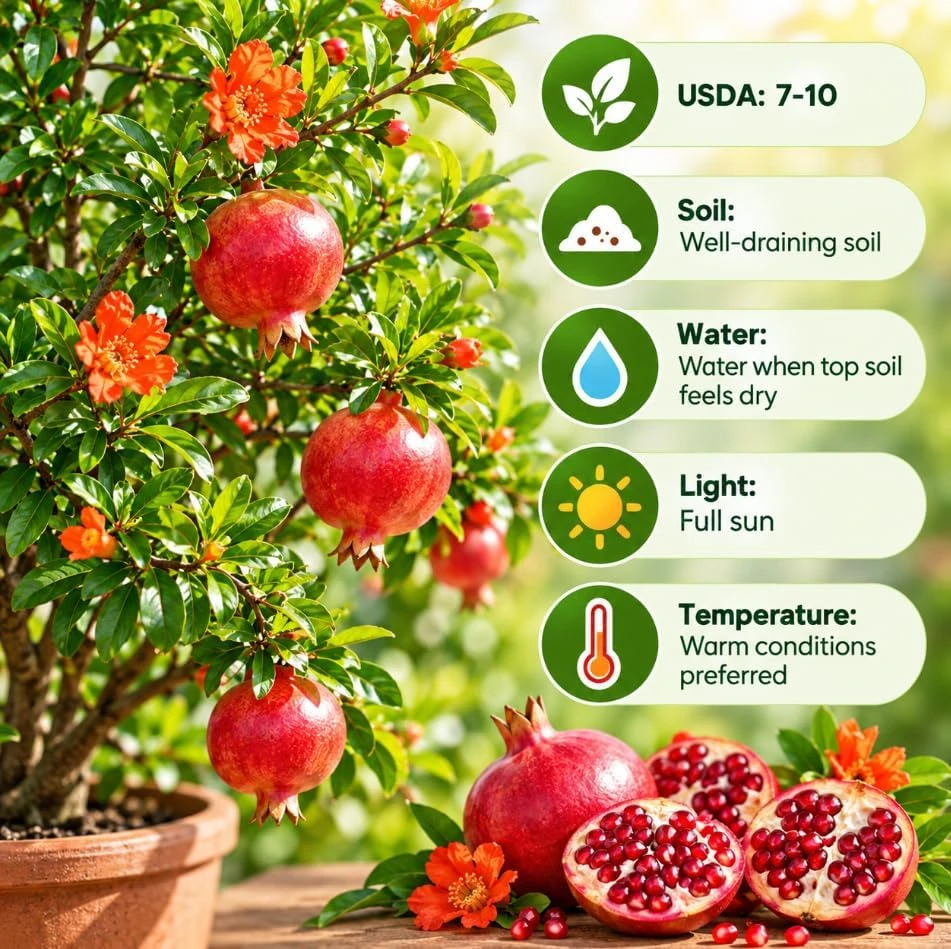
USDA Zones 7-10 -
Soil Type
Well-draining soil -
Sunlight Exposure
Full sun -
Expected Planting Period
Spring to early summer
Overview
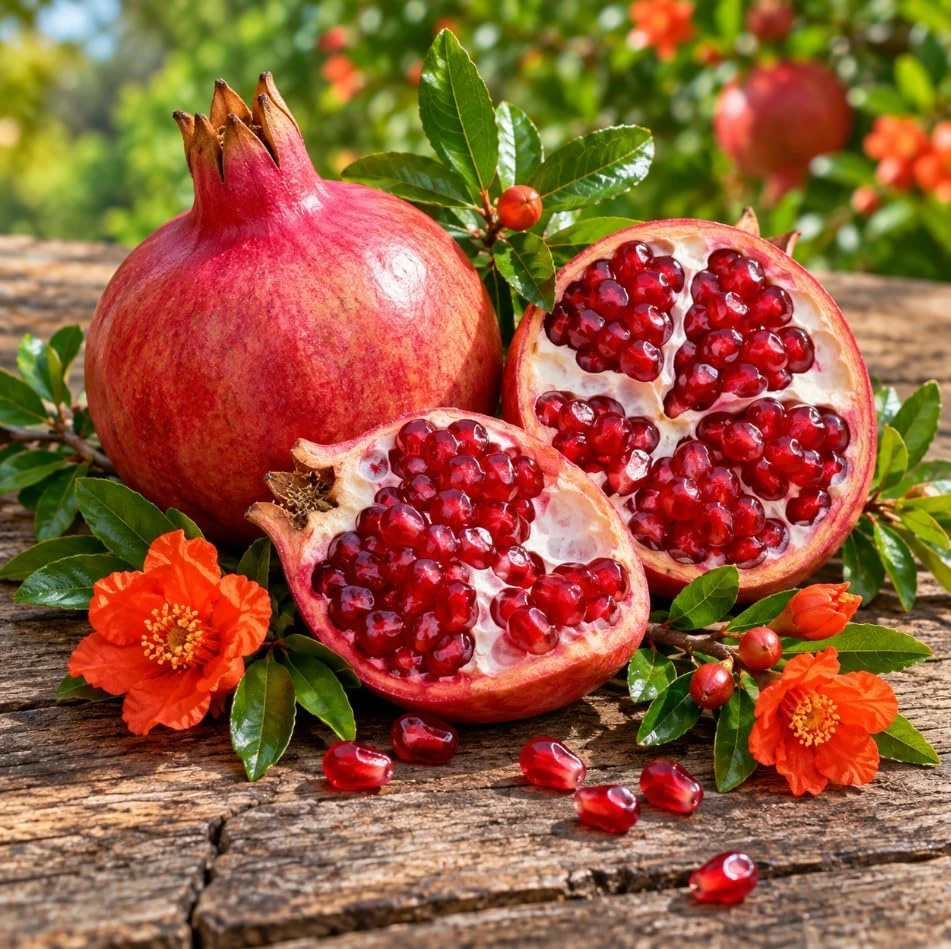
Embark on the rewarding journey of growing your own fruit with this exquisite pomegranate tree live plant set. You will receive two healthy starter plants, each standing 6-10 inches tall, ready to be nurtured into productive fruit-bearing trees. Pomegranates, scientifically known as Punica granatum, are revered for their vibrant red fruits, packed with juicy, jewel-like arils. These particular plants are ideal for establishing a home orchard or enhancing a backyard garden, offering both ornamental beauty and a bountiful harvest. Imagine plucking fresh, ripe pomegranates from your very own trees, enjoying their unique sweet-tart flavor and numerous health benefits. This set provides a fantastic opportunity for both novice and experienced gardeners to cultivate a beloved fruit species that thrives in various climates when given proper care.
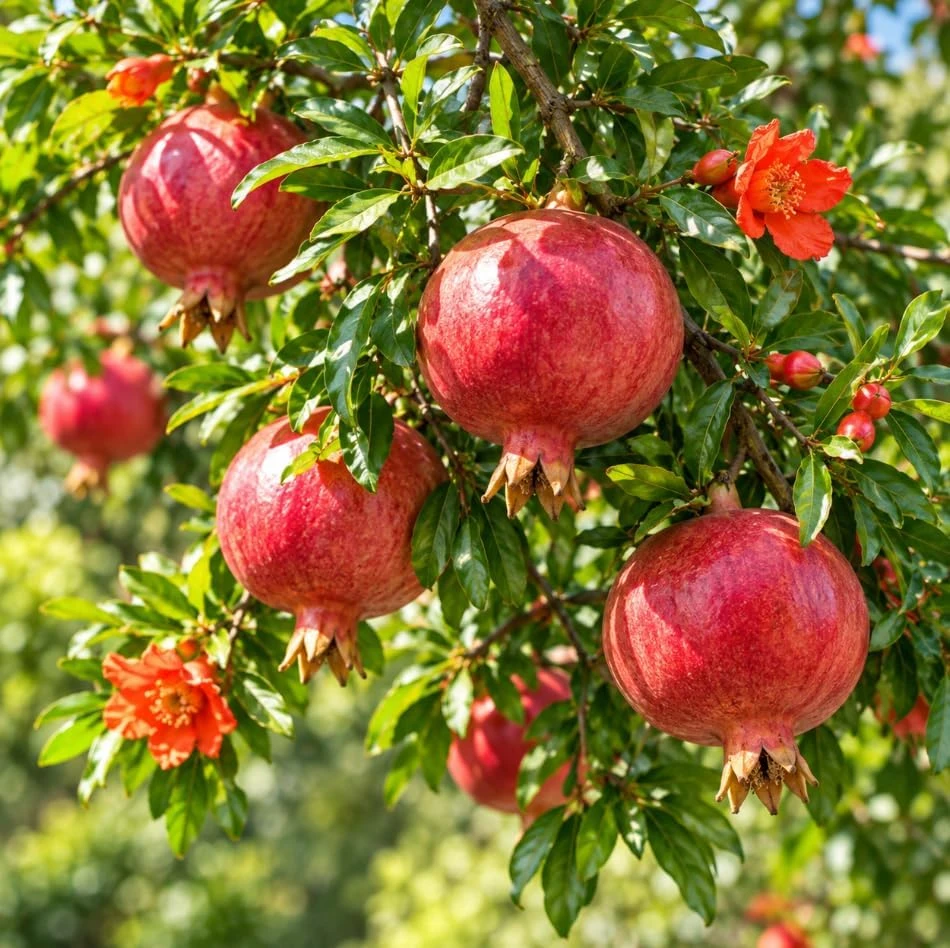
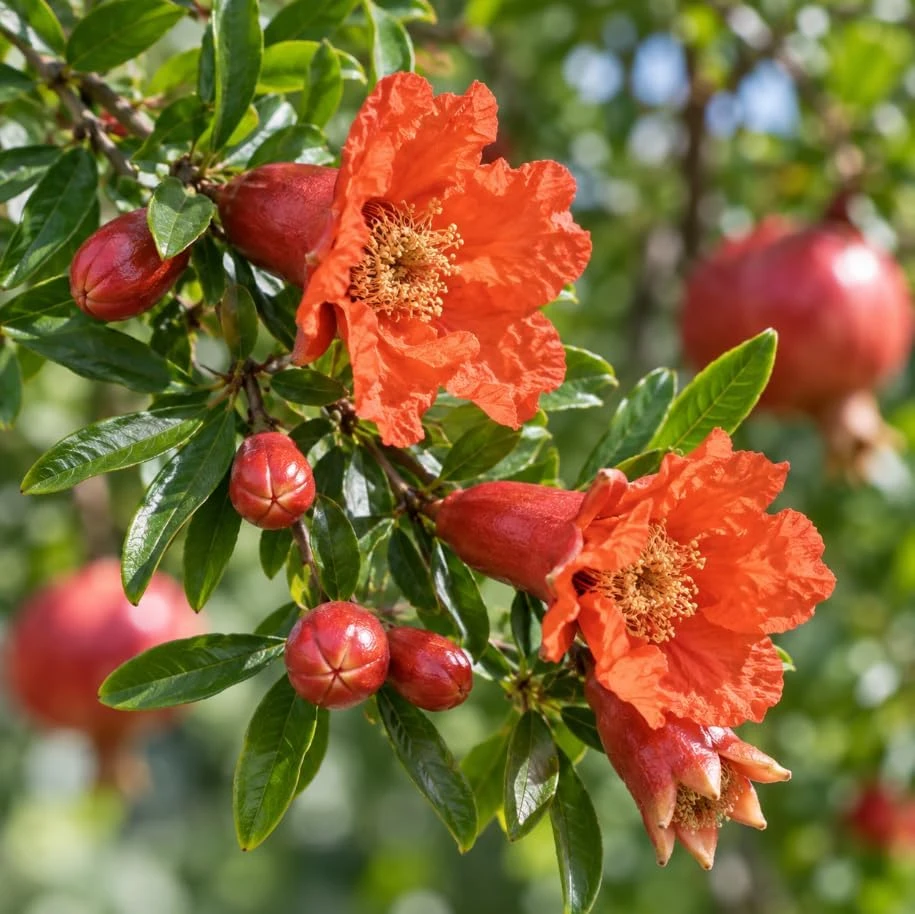
A pomegranate tree live plant is not just a source of fruit; it’s a beautiful addition to any landscape. Known for its attractive foliage and showy orange-red flowers that bloom in spring, it offers year-round interest. These starter plants are specifically chosen to be robust and adaptable, ensuring a higher success rate for new growers. With minimal effort, you can soon be enjoying the fruits of your labor, transforming your outdoor space into a personal haven for fresh, organic produce. This offering is perfect for those who dream of a sustainable lifestyle and appreciate the satisfaction of growing their own food.
Key Benefits
Cultivating a pomegranate tree live plant offers a multitude of advantages beyond just fresh fruit. These plants are a valuable addition to any garden or home orchard.
- Delicious Red Fruit: Enjoy an abundant harvest of juicy, sweet-tart pomegranates, perfect for eating fresh, juicing, or adding to culinary creations. Growing your own ensures organic, pesticide-free produce.
- Ornamental Appeal: Beyond their fruit, pomegranate trees are highly decorative, featuring attractive glossy green leaves and beautiful, vibrant red-orange flowers that add a splash of color to your landscape.
- Nutrient-Rich Harvest: Pomegranates are celebrated for their high antioxidant content, vitamins, and minerals, contributing to a healthy diet directly from your backyard.
- Drought Tolerance: Once established, these trees exhibit good drought resistance, making them a relatively low-maintenance option for many gardeners. This also makes them a smart choice for water-wise gardening.
- Versatile Planting: Suitable for both large backyard gardens and smaller spaces, they can be grown as standalone trees, in hedges, or even in large containers, allowing flexibility in garden design.
- Long Lifespan: Pomegranate trees are long-lived, providing many years of fruit production and enjoyment, making them a worthwhile long-term investment for your garden.
- Supports Pollinators: The vibrant flowers attract bees and other pollinators, contributing to the biodiversity and health of your garden ecosystem. Your pomegranate tree live plant will become a hub of activity.
Plant Care & Growing Tips
Proper care is essential for a thriving pomegranate tree live plant. These plants prefer warm conditions and require specific attention to sunlight, water, and soil to produce the best fruit. They thrive in areas with hot, dry summers. For optimal growth and fruit production, plant your red pomegranate plant in a location that receives full sun – ideally 6-8 hours of direct sunlight per day. While young plants may benefit from some afternoon shade in extremely hot climates, mature trees love the sun. Ensure good air circulation around the plants to prevent fungal issues.
Watering should be regular, especially during the growing season and when the trees are establishing themselves. The goal is to keep the soil consistently moist but never waterlogged. Overwatering can lead to root rot, so good drainage is crucial. During dormant periods, reduce watering frequency. Fertilize your pomegranate tree live plant in early spring with a balanced slow-release fertilizer or an organic compost. Young trees may benefit from a fertilizer higher in nitrogen to encourage leafy growth, while mature trees can use a balanced formula to support fruit development. Pruning should be done in late winter or early spring to remove dead or crossing branches, shape the tree, and encourage new growth and fruit production. Aim to create an open structure for better light penetration and air circulation.
When you grow pomegranate tree, choose a site with well-drained soil. Pomegranates are adaptable to various soil types, including sandy, loamy, or clay soils, as long as they drain well. They prefer a slightly acidic to neutral pH (6.0-7.0). If your soil is heavy clay, amend it with organic matter like compost or sand to improve drainage. These plants are generally hardy in USDA Zones 7-10, though some varieties can tolerate colder temperatures. Protect young trees from frost if you live in a borderline zone. Common pests include aphids and whiteflies, which can usually be managed with organic insecticidal soaps. Pay attention to signs of stress and address them promptly to ensure a healthy and productive pomegranate fruit tree.
Size & Details
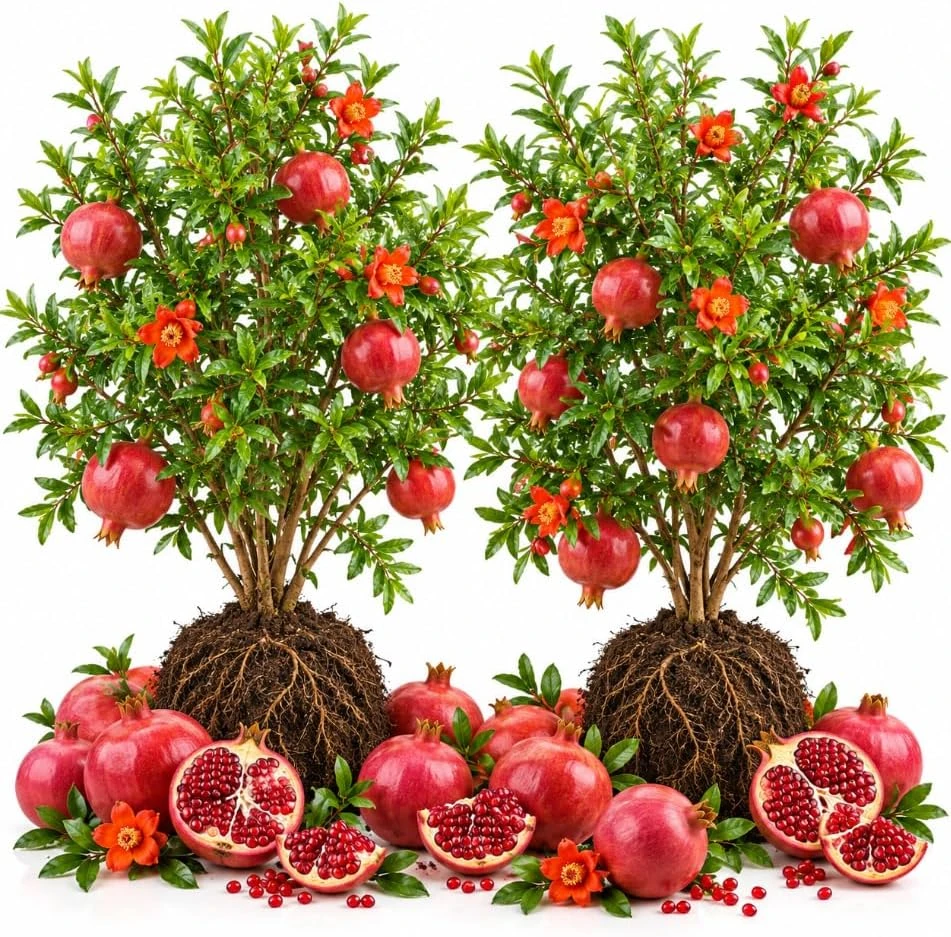
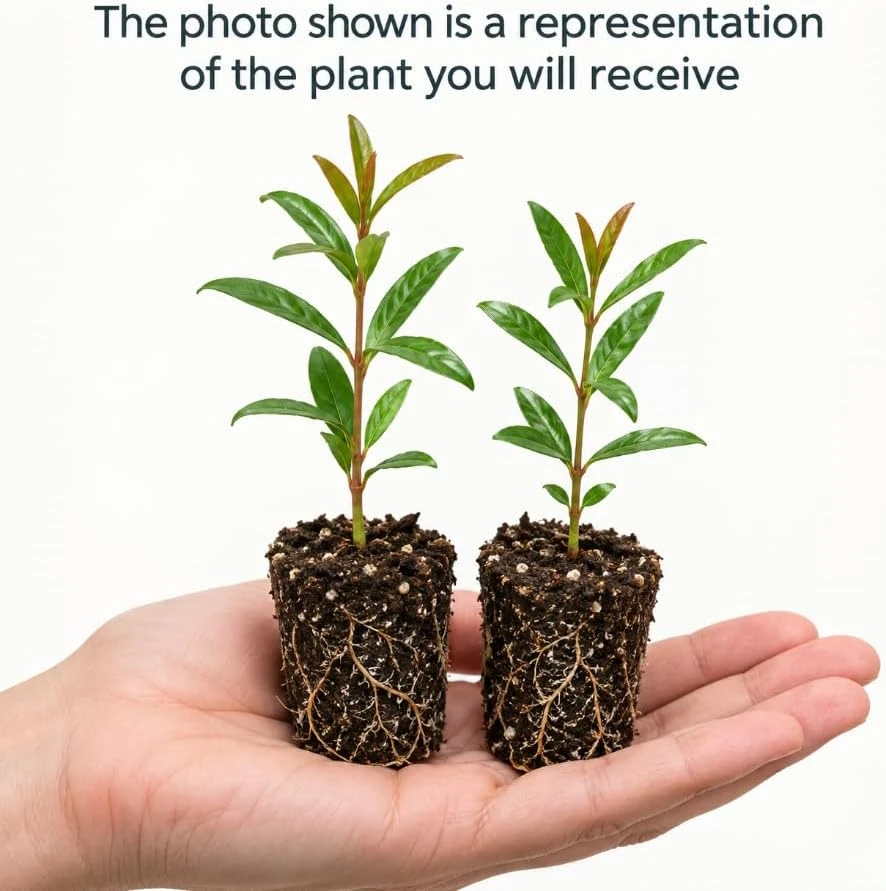
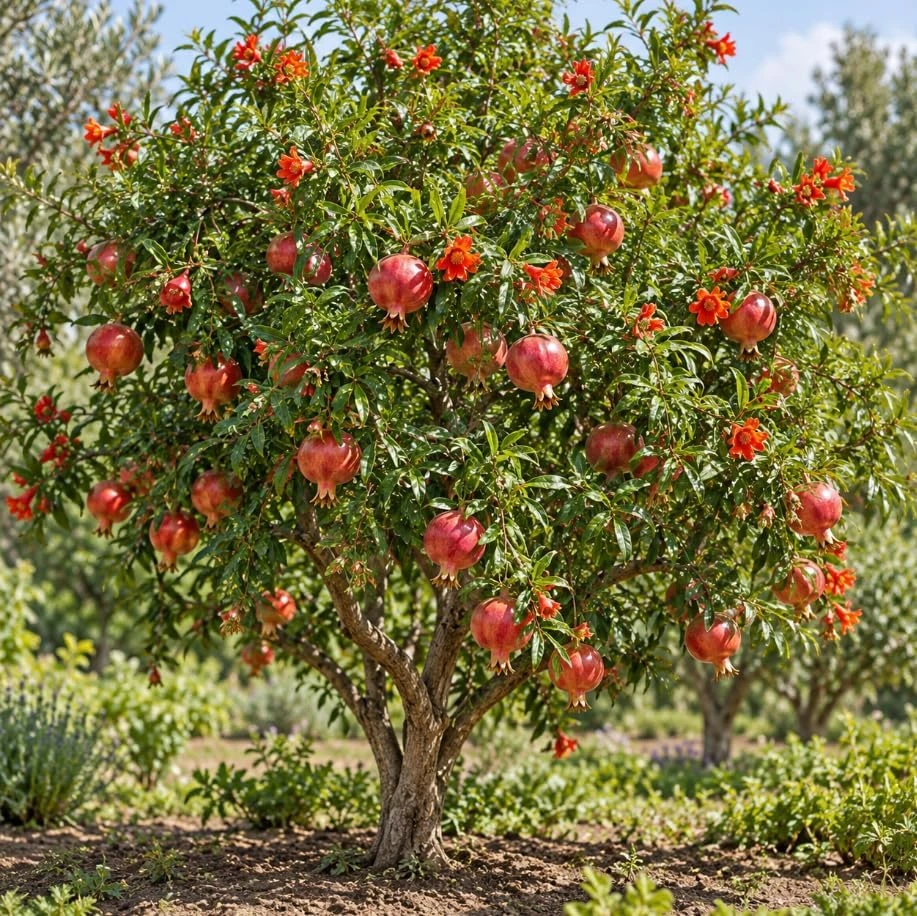
This offering includes a set of two pomegranate tree live plant starters, each measuring approximately 6-10 inches in height from the base of the root ball to the top of the plant. These are young, vigorous plants that are ready to be transplanted into your garden or a larger container. They are typically shipped in small nursery pots with their root systems intact, ensuring a smooth transition to their new home. While the main image may depict a mature, fruit-bearing tree, please note that the actual plants you receive will be starter size, as described. With proper care, these plants will grow to reach a mature height of 10-20 feet, depending on the variety and pruning practices. Expect your trees to begin producing fruit within 2-3 years of planting, with increasing yields as they mature. The growth rate of a dwarf pomegranate tree or standard variety can vary based on climate and care, but generally, they are moderate growers.
Frequently Asked Questions
- Q: How big does this pomegranate tree live plant get? A: These starter plants are 6-10 inches tall upon arrival. With proper care, a mature pomegranate tree live plant can reach heights of 10-20 feet, depending on the variety and whether it’s pruned as a tree or a shrub.
- Q: Is this an indoor or outdoor plant? A: Pomegranate trees are primarily outdoor plants, thriving in full sun in USDA Zones 7-10. However, in colder climates, they can be grown in large containers and brought indoors during winter.
- Q: How much sunlight does a red pomegranate plant need? A: For optimal growth and fruit production, your red pomegranate plant requires at least 6-8 hours of direct sunlight per day. Full sun exposure is key for developing sweet, abundant fruit.
- Q: Is this plant easy to care for? A: Pomegranate trees are relatively easy to care for once established, especially in suitable climates. They are known for their drought tolerance and adaptability, making them a good choice for many gardeners.
- Q: What condition will the pomegranate tree live plant arrive in? A: Your plants will arrive as healthy, live starter plants, typically in small nursery pots with their root systems protected. They are carefully packaged to ensure safe transit.
- Q: When is the best time to plant a pomegranate fruit tree? A: The best time to plant a pomegranate fruit tree is in the spring after the last frost, or in early fall in warmer climates, allowing the roots to establish before extreme temperatures.
- Q: What type of soil is best for growing a pomegranate tree? A: To grow pomegranate tree successfully, use well-drained soil. Pomegranates can tolerate various soil types, but they prefer a slightly acidic to neutral pH and good drainage to prevent root rot.
- Q: Will these plants produce fruit quickly? A: While these are starter plants, you can typically expect your pomegranate trees to begin producing fruit within 2-3 years after planting, with yields increasing as the trees mature.
- Q: Can I grow a dwarf pomegranate tree from these? A: While these are standard varieties, pomegranates can be pruned to maintain a smaller size, mimicking a dwarf pomegranate tree. Specific dwarf varieties exist if compact size is a primary concern.
- Q: Are pomegranates self-pollinating? A: Most pomegranate varieties are self-pollinating, meaning a single plant can produce fruit. However, having more than one plant can sometimes enhance pollination and yield.
Be the first to review “Pomegranate Tree Live Plants – Set of 2, Red Fruit Starter, 6-10 Inches Tall”
Related products


Trees
Guava Tree Live Plant Pink Tropical Fruit 4-10in Tall Well Rooted for Gardening USDA Zones 9-11


You May Like

Hardneck vs. Softneck Garlic: Which Should You Grow?
Have you ever stood in front of a seed catalog in mid-September, staring at dozens [...]
Oct

When to Plant Music Garlic: Ultimate US Fall Guide
Have you ever spent your fall weekend placing carefully chosen garlic cloves into rich, dark [...]
1 Comment
Oct

5 Best Bulbs for Fall Planting: Brighten Your Garden This Spring
Are you dreaming of a garden full of vibrant colors in the spring? The key [...]
Aug

10 Houseplants That Will Thrive in Your Kitchen
Are you tired of your kitchen feeling dull and lifeless? Want to add a little [...]
1 Comment
Aug
Reviews
There are no reviews yet.