
Orange Lantana Live Plant – 4-6 Inches Tall – Outdoor Flowering Shrub
Original price was: 47.99 $.12.99 $Current price is: 12.99 $.
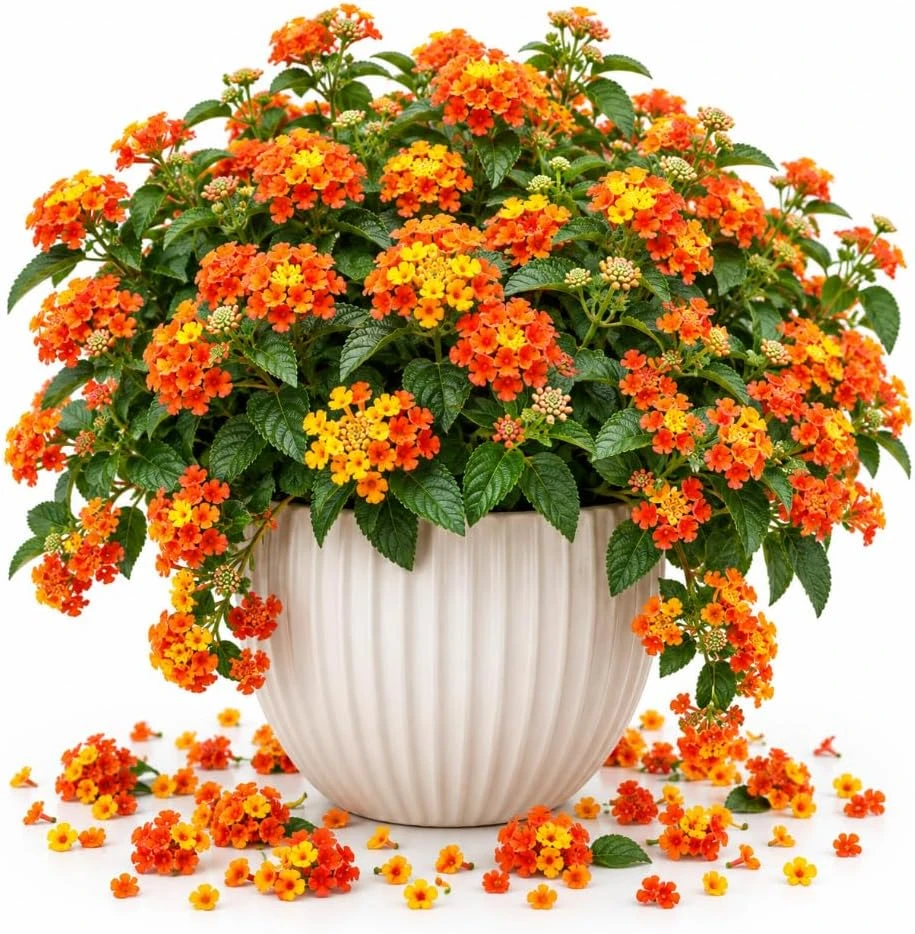
Add vibrant, continuous color to your outdoor spaces with this beautiful orange lantana live plant. Standing 4-6 inches tall, this flowering shrub is ideal for garden beds, borders, and patio containers. Enjoy its cheerful blooms from spring through fall, attracting pollinators to your garden. It thrives in full sun and is a low-maintenance choice for gardeners.
Estimated arrival
Oct 15
Oct 20 - Oct 22
Oct 22 - Oct 27
See our Shipping Policy.
Get in touch with us via email, and our team will review your concerns.
Our Alive & Thrive Guarantee covers issues with your plants within the first 30 days. Read our Refund & Returns Policy.
-
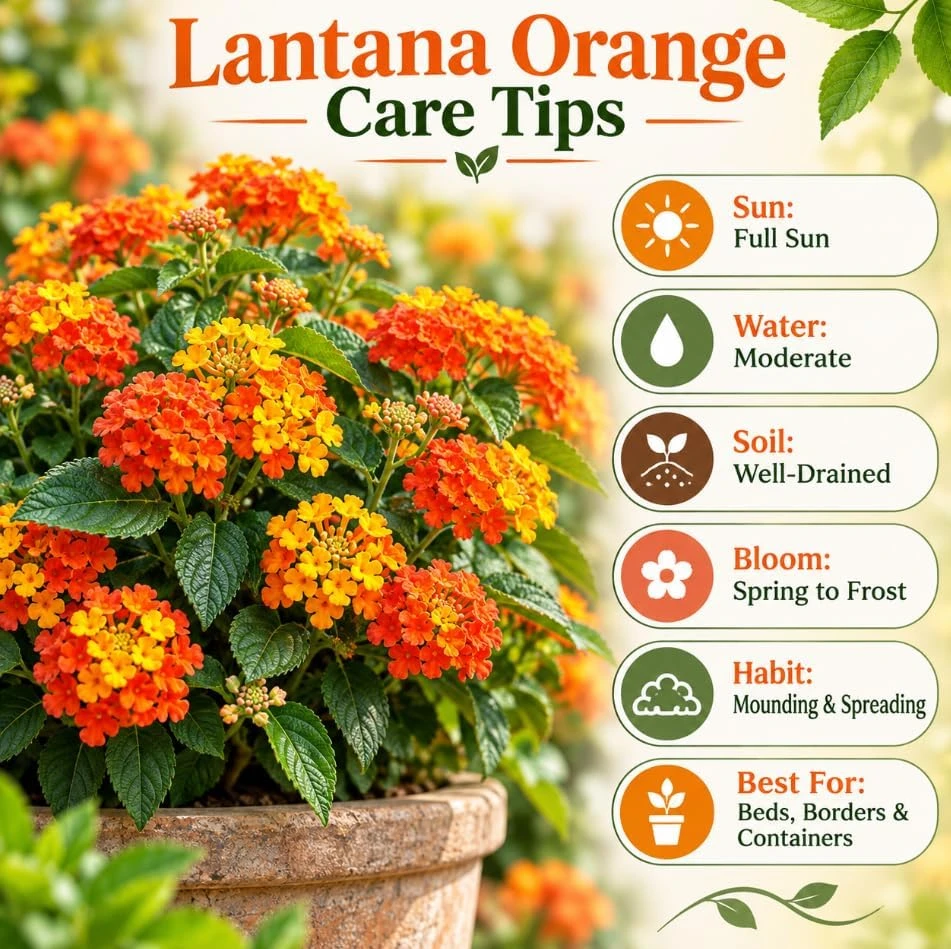
USDA Hardiness Zone
8-11 -
Soil Type
Well-draining soil -
Sunlight Exposure
Full sun -
Expected Planting Period
Spring to fall
Overview
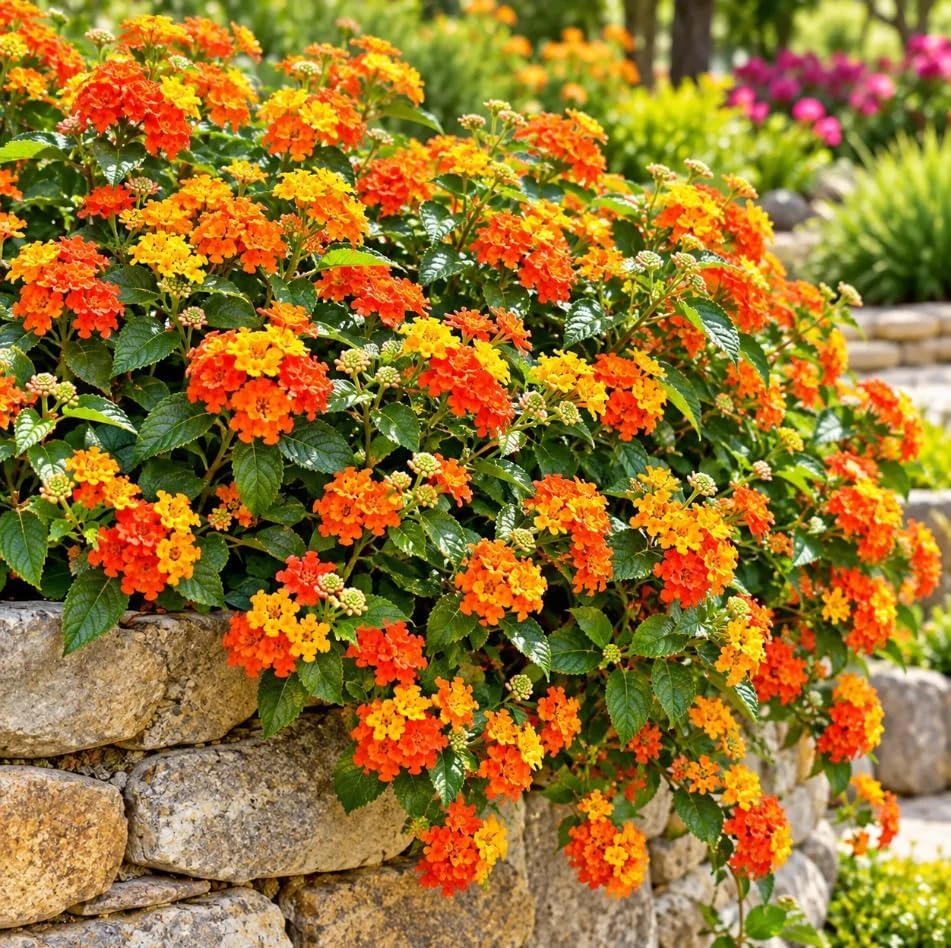
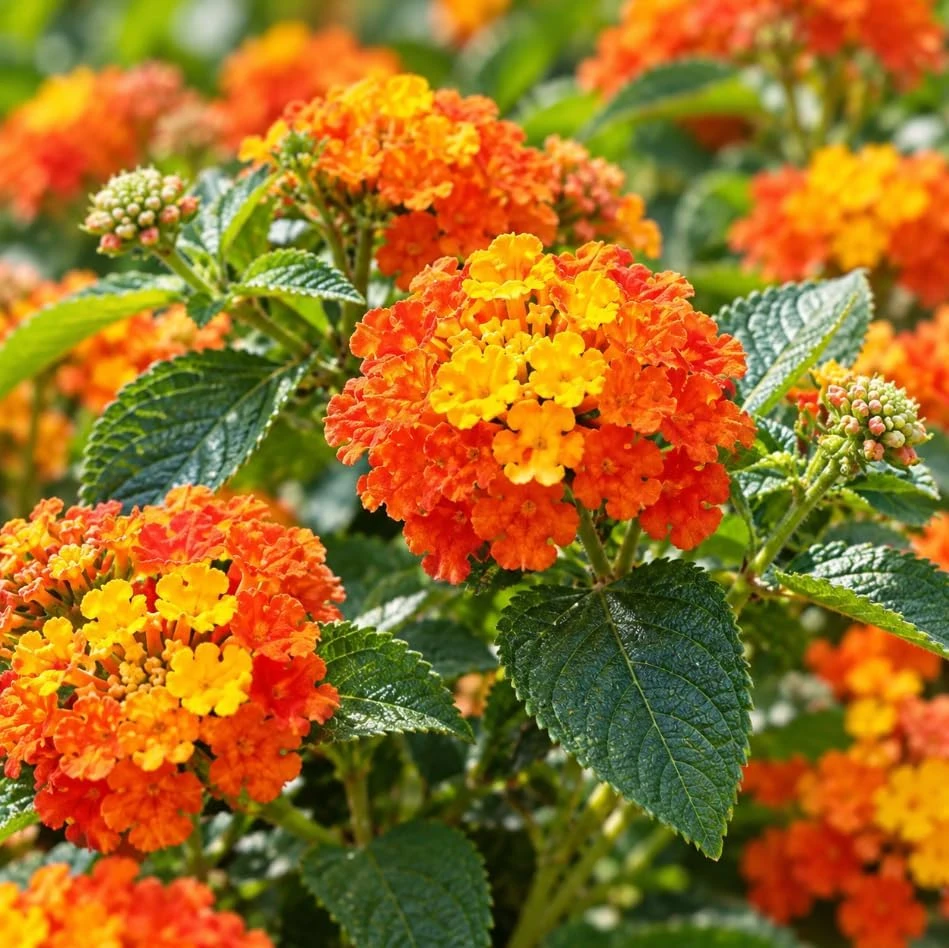
Bring a burst of continuous sunshine to your garden with our vibrant orange lantana live plant. This beautiful flowering shrub, typically measuring 4-6 inches tall, is an excellent choice for adding consistent color and texture to any outdoor setting. Known for its clusters of cheerful orange blooms, lantana is a favorite among gardeners for its prolific flowering habit and relatively easy care. Whether you’re looking to fill garden beds, define borders, or create stunning patio containers, this orange lantana live plant will provide a spectacular display from spring until the first frost. It’s a robust and resilient plant that thrives in warm climates, making it a perfect addition to many landscapes.
Lantana camara, commonly known as lantana, is admired for its drought tolerance once established and its ability to attract beneficial pollinators like butterflies and hummingbirds. Its bright, often multi-colored flowers create a dynamic visual interest that can transform any garden space into a lively oasis. This particular specimen is ready to be planted and will quickly establish itself, offering months of brilliant orange hues that stand out against its dark green foliage. Choosing an orange lantana live plant ensures you get a healthy, thriving specimen ready to flourish in your home garden.
Key Benefits
Investing in an orange lantana live plant offers numerous advantages for your garden and outdoor living spaces. This versatile and attractive shrub provides both aesthetic appeal and ecological benefits.
- Continuous Blooms: Enjoy a long flowering season from spring through fall, providing consistent and vibrant orange color when many other plants have faded. The constant display ensures your garden remains lively and engaging for months.
- Attracts Pollinators: The nectar-rich flowers are a magnet for butterflies, hummingbirds, and other beneficial insects, helping to enhance your garden’s ecosystem and biodiversity. This makes it an ideal choice for a pollinator garden.
- Low Maintenance: Once established, orange lantana care is minimal. It’s known for its drought tolerance and heat resistance, requiring less frequent watering and attention compared to many other flowering plants. This makes it perfect for busy gardeners.
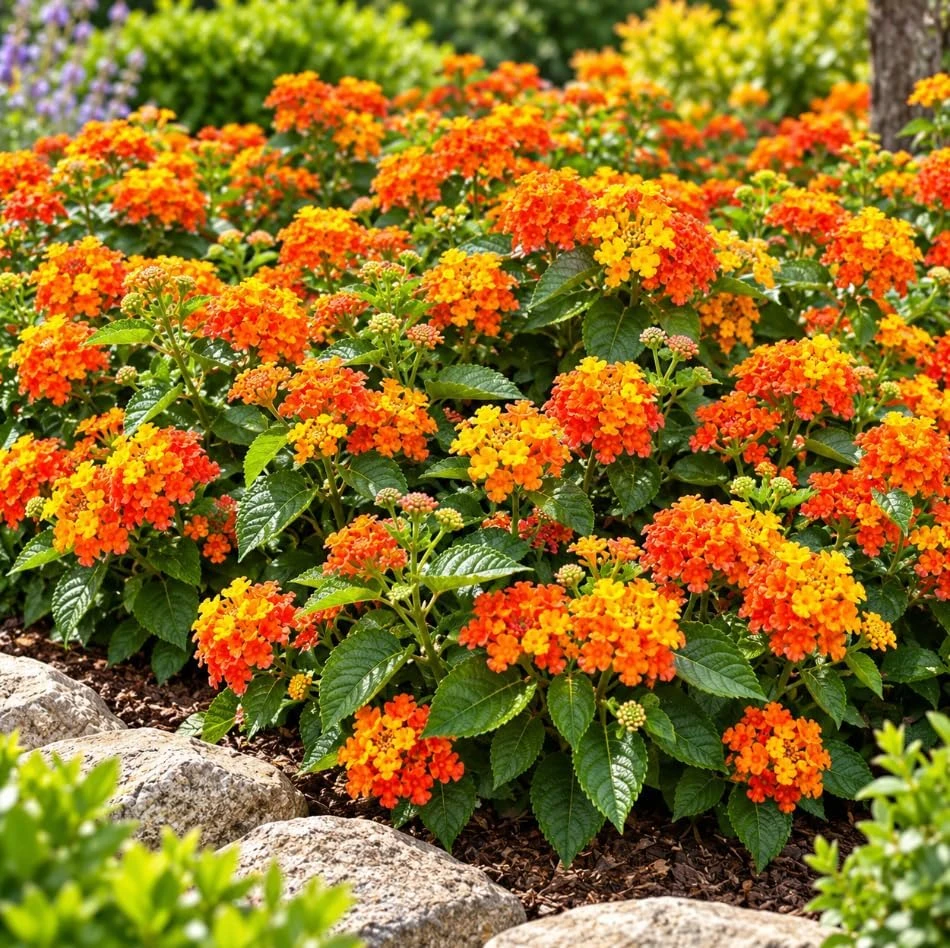
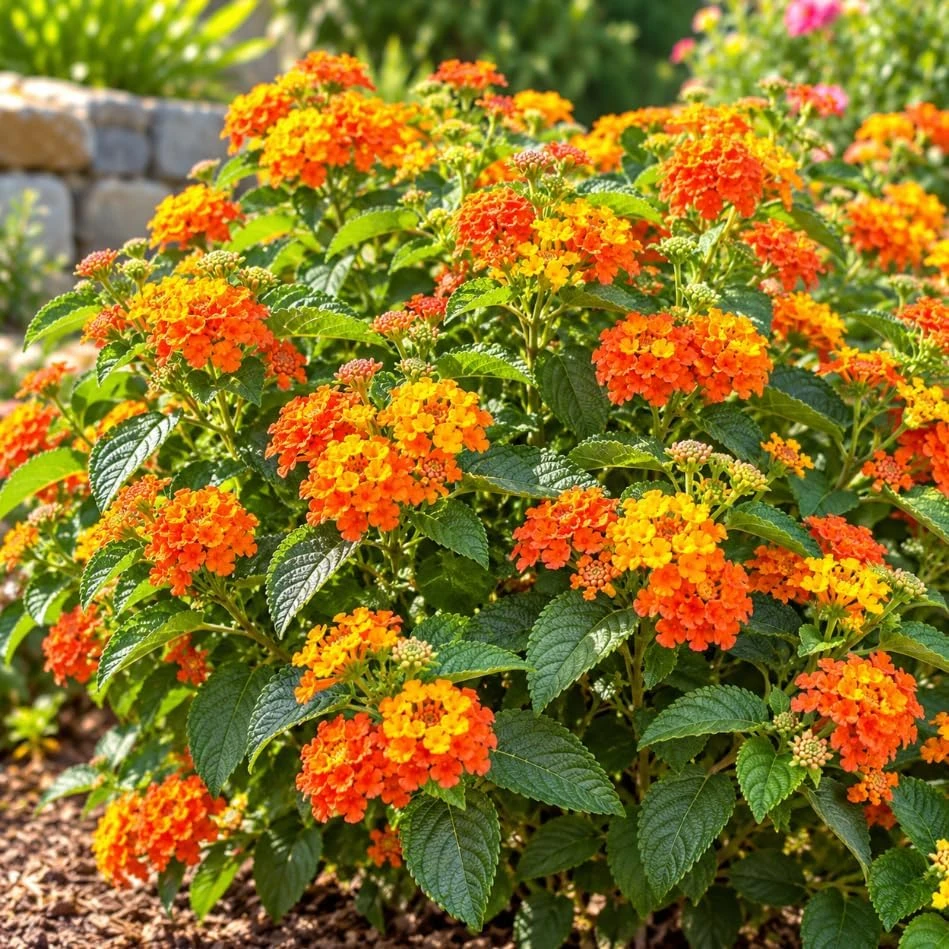
- Versatile Landscaping: Its compact size and bushy habit make it suitable for a variety of uses, including ground cover, mixed borders, mass plantings, and container gardening. This adaptability allows for creative garden designs.
- Deer Resistant: Lantana is generally unappealing to deer, making it a good option for gardens in areas where deer browsing is a concern. You can enjoy its beauty without worrying about it being eaten.
- Heat and Drought Tolerant: This plant thrives in hot, sunny conditions and can withstand periods of drought, making it an excellent choice for xeriscaping or gardens in arid climates.
- Pest and Disease Resistant: Lantana is relatively resistant to most common garden pests and diseases, contributing to its ease of care and robust growth. This ensures a healthier and more beautiful flowering shrub orange.
Plant Care & Growing Tips
Proper care will ensure your orange lantana live plant thrives and provides an abundance of beautiful blooms. This resilient shrub is relatively easy to care for, especially when its basic needs are met. For optimal flowering, plant your lantana in a location that receives full sun, meaning at least 6-8 hours of direct sunlight per day. This intense sunlight encourages the most prolific blooming and helps maintain a compact, bushy form. In regions with extremely hot summers, some afternoon shade can be beneficial, but generally, more sun equals more flowers.
When it comes to watering, lantana prefers well-draining soil. It’s crucial to allow the top 1-2 inches of soil to dry out between waterings. Overwatering can lead to root rot, so err on the side of underwatering rather than overwatering, especially once the plant is established. For soil, a good quality, well-draining potting mix for containers or amended garden soil with good drainage is ideal. Lantana prefers warm growing conditions, typically between 65 and 95 degrees Fahrenheit. It is suitable for outdoor planting in USDA zones 8-11, where it can be grown as a perennial. In cooler zones, it is often treated as an annual or brought indoors for winter protection. Fertilize sparingly; a balanced slow-release fertilizer in spring is usually sufficient to support its growth and flowering. Pruning can be done in early spring to encourage bushier growth and more blooms, and deadheading spent flowers will also promote continuous flowering. Keeping an eye on these simple steps will ensure your lantana outdoor plant remains healthy and vibrant.
While generally robust, monitor for common issues like whiteflies or spider mites, especially in dry conditions. These can usually be managed with horticultural oil or insecticidal soap. Ensure good air circulation around the plant to prevent fungal issues. Remember that all parts of the lantana plant can be toxic if ingested, so it’s wise to keep it away from pets and small children. Following these guidelines for orange lantana care will lead to a successful and beautiful display in your garden.
Size & Details
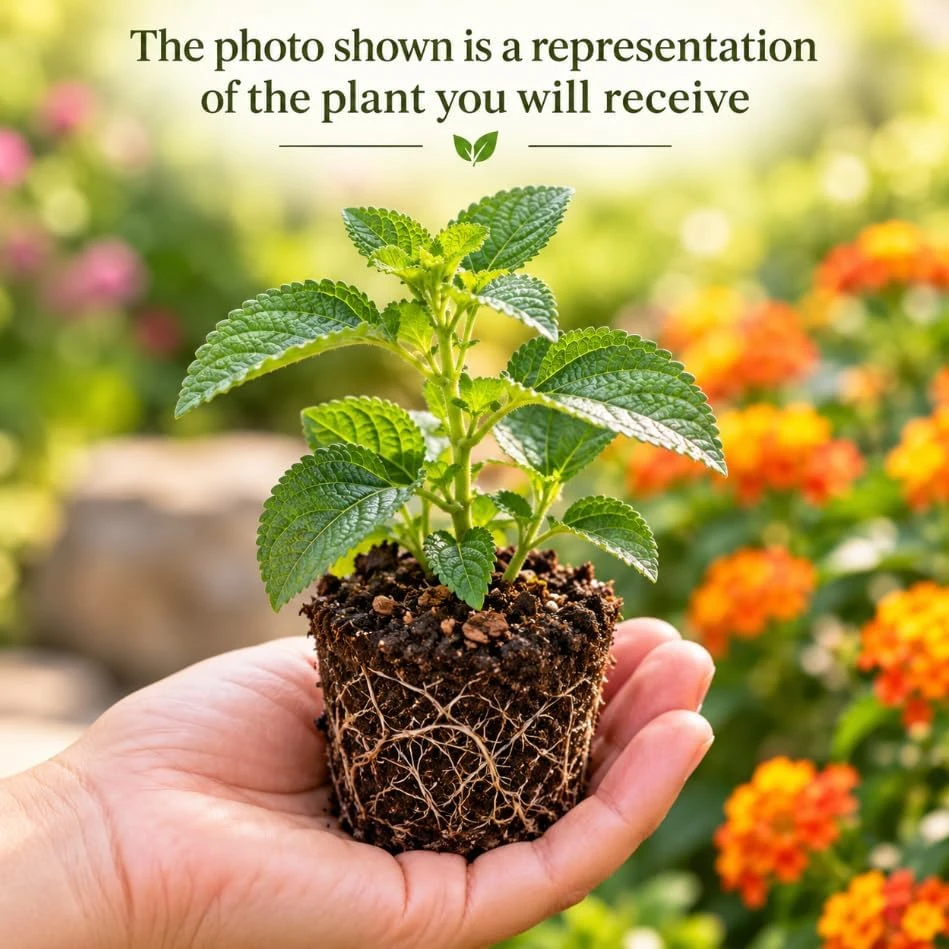
This offering is for one healthy orange lantana live plant, typically standing 4-6 inches tall from the soil line to the top of the foliage. It is shipped as a rooted plant, ready for immediate transplanting into your garden beds, borders, or patio containers. Lantana is a fast-growing shrub that can quickly reach a mature size of 1-3 feet tall and 3-6 feet wide, depending on the variety and growing conditions. Its vigorous growth habit means you’ll see rapid development and flowering once it’s settled into its new home.
The plant will arrive in a nursery pot, ensuring its root system is protected during transit. Expect continuous flowering from spring through fall, with the most intense color during the warmest months. The plant’s mature size and spread make it an excellent choice for creating a vibrant ground cover or a colorful focal point in a mixed perennial bed. This lantana plant for sale is a fantastic way to introduce long-lasting color and attract beneficial pollinators to your outdoor space.
Frequently Asked Questions
- Q: How big does this orange lantana live plant get? A: This plant typically grows to a mature size of 1-3 feet tall and 3-6 feet wide, depending on the variety and growing conditions in your garden. It is shipped at 4-6 inches tall, ready to grow.
- Q: Is this an indoor or outdoor plant? A: This orange lantana live plant is primarily an outdoor plant, thriving in full sun. In USDA zones 8-11, it grows as a perennial. In colder zones, it is often grown as an annual or brought indoors for winter protection.
- Q: How much sunlight does it need? A: Lantana requires full sun, meaning at least 6-8 hours of direct sunlight daily, to produce the most abundant blooms and maintain a healthy, compact form.
- Q: Is this plant easy to care for? A: Yes, lantana is considered a low-maintenance plant. Once established, it is drought-tolerant and heat-resistant, making orange lantana care relatively simple for gardeners of all experience levels.
- Q: What condition will it arrive in? A: Your orange lantana live plant will arrive as a healthy, rooted specimen in a nursery pot, carefully packaged to ensure its safety during shipping and ready for planting.
- Q: When is the best time to plant this flowering shrub orange? A: The best time to plant lantana is in spring after the last threat of frost has passed, once soil temperatures have warmed up. This gives the plant ample time to establish before the heat of summer.
- Q: Will it survive winter in my zone? A: This lantana variety is perennial in USDA zones 8-11. In zones below 8, it will likely not survive the winter outdoors and should be treated as an annual or overwintered indoors.
- Q: Is the lantana plant for sale toxic to pets? A: Yes, all parts of the lantana plant are considered toxic if ingested by humans or pets. It’s advisable to plant it in areas where pets and small children won’t have easy access.
- Q: What kind of soil does it prefer? A: Lantana thrives in well-draining soil. Whether planting in the ground or in containers, ensure the soil mix allows for good drainage to prevent root rot.
- Q: Does this lantana outdoor plant attract butterflies? A: Absolutely! Lantana flowers are well-known for attracting a variety of pollinators, including butterflies, bees, and hummingbirds, making it a great choice for a wildlife-friendly garden.
Be the first to review “Orange Lantana Live Plant – 4-6 Inches Tall – Outdoor Flowering Shrub”
Related products


You May Like

Hardneck vs. Softneck Garlic: Which Should You Grow?
Have you ever stood in front of a seed catalog in mid-September, staring at dozens [...]
Oct

When to Plant Music Garlic: Ultimate US Fall Guide
Have you ever spent your fall weekend placing carefully chosen garlic cloves into rich, dark [...]
1 Comment
Oct

5 Best Bulbs for Fall Planting: Brighten Your Garden This Spring
Are you dreaming of a garden full of vibrant colors in the spring? The key [...]
Aug

10 Houseplants That Will Thrive in Your Kitchen
Are you tired of your kitchen feeling dull and lifeless? Want to add a little [...]
1 Comment
Aug
Reviews
There are no reviews yet.