
Pecan Tree Seedlings – Live Plants – Hardy Nut Trees – 2-Pack – 7-12 Inches Tall – Outdoor
Original price was: 62.49 $.27.49 $Current price is: 27.49 $.
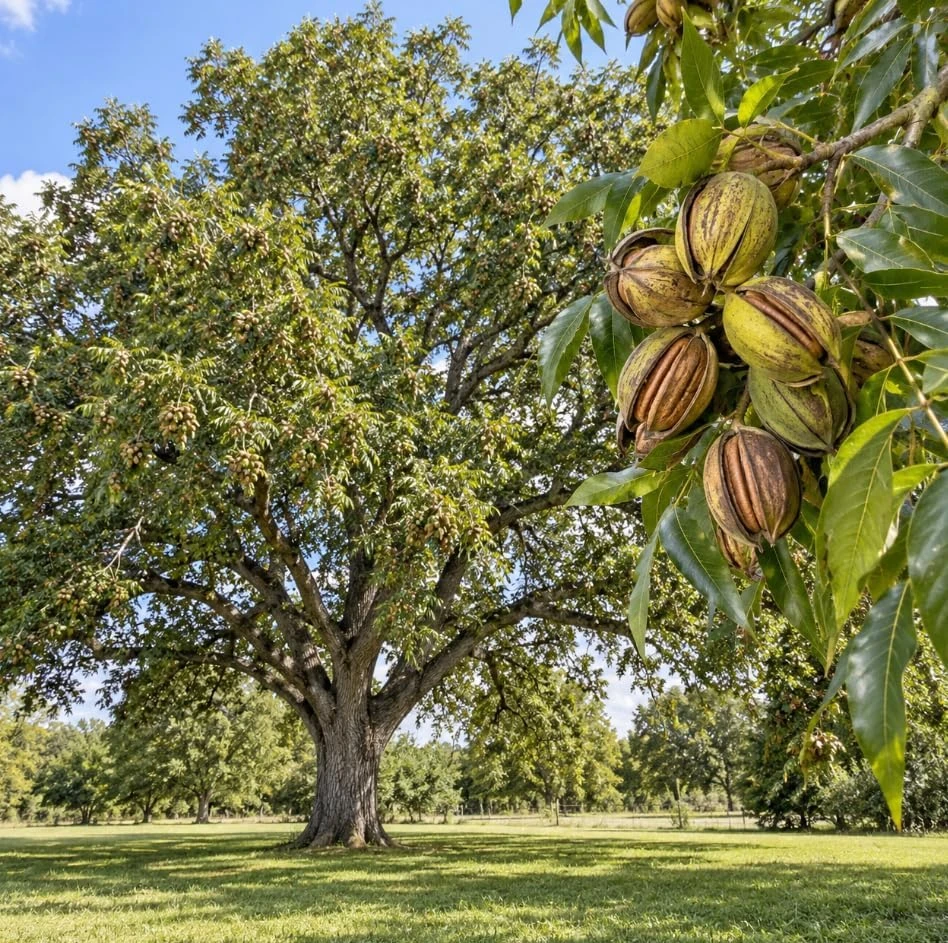
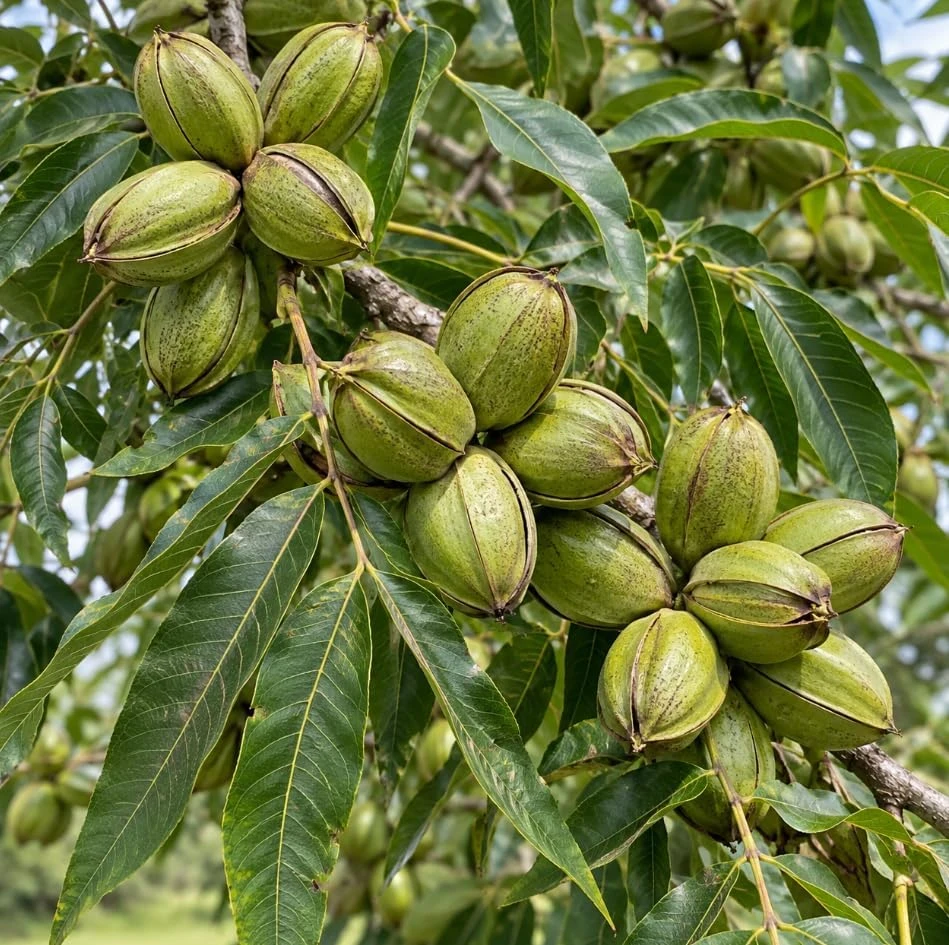
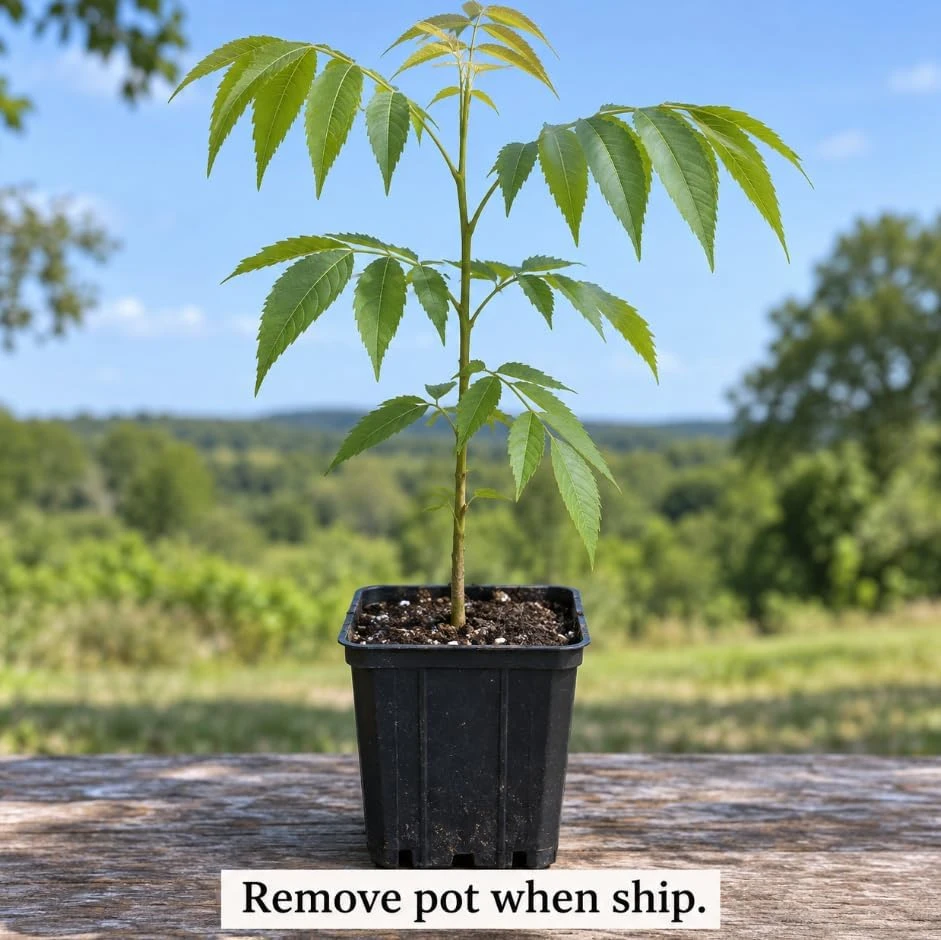
Start your own pecan grove with this 2-pack of pecan tree seedlings. These live pecan trees are hardy, measuring 7-12 inches tall, and are perfect for planting in your garden or landscape to enjoy delicious nuts for years to come.
Estimated arrival
Oct 15
Oct 20 - Oct 22
Oct 22 - Oct 27
See our Shipping Policy.
Get in touch with us via email, and our team will review your concerns.
Our Alive & Thrive Guarantee covers issues with your plants within the first 30 days. Read our Refund & Returns Policy.
-
USDA Hardiness Zone
USDA Zones 6-9 -
Soil Type
Well-draining loamy or sandy soil -
Sunlight Exposure
Full sun -
Expected Planting Period
Early spring or fall
Overview
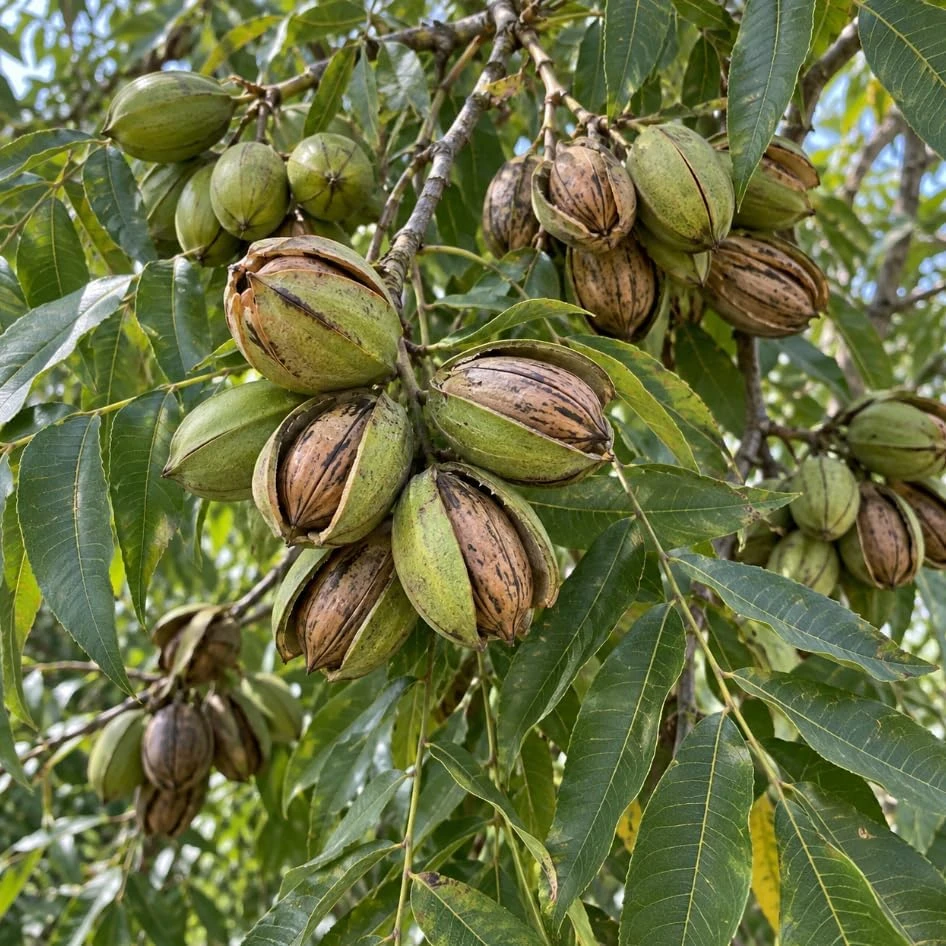
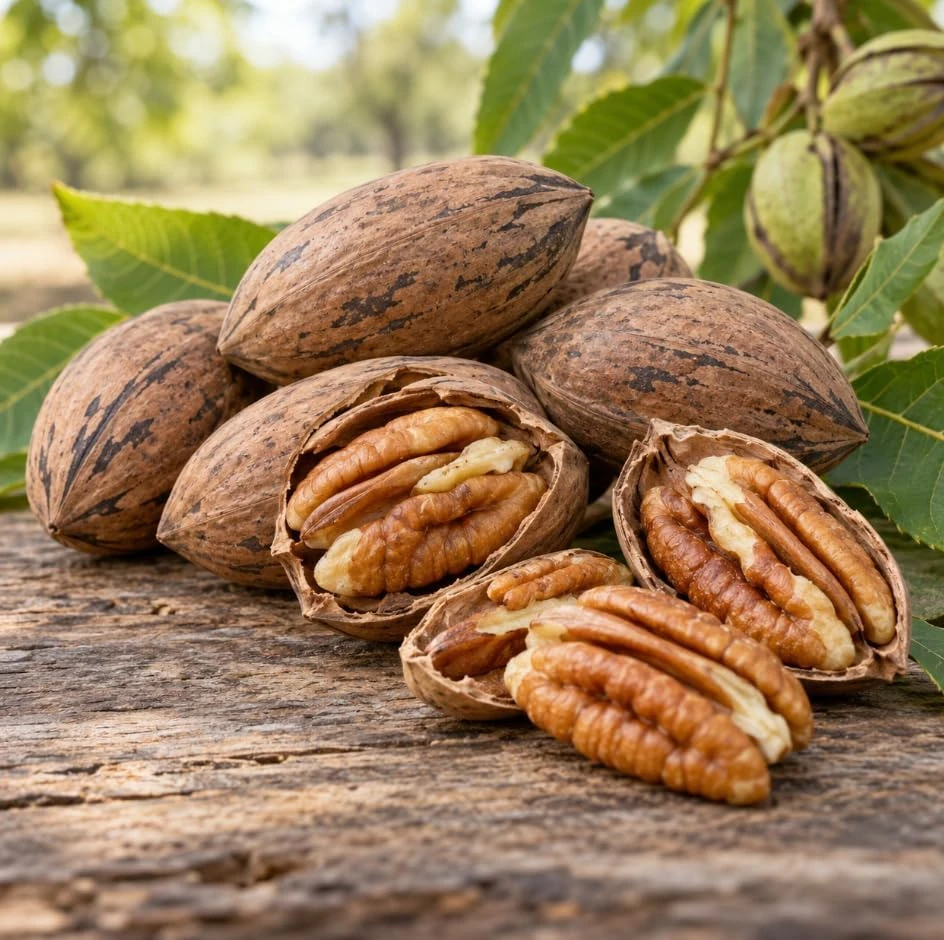
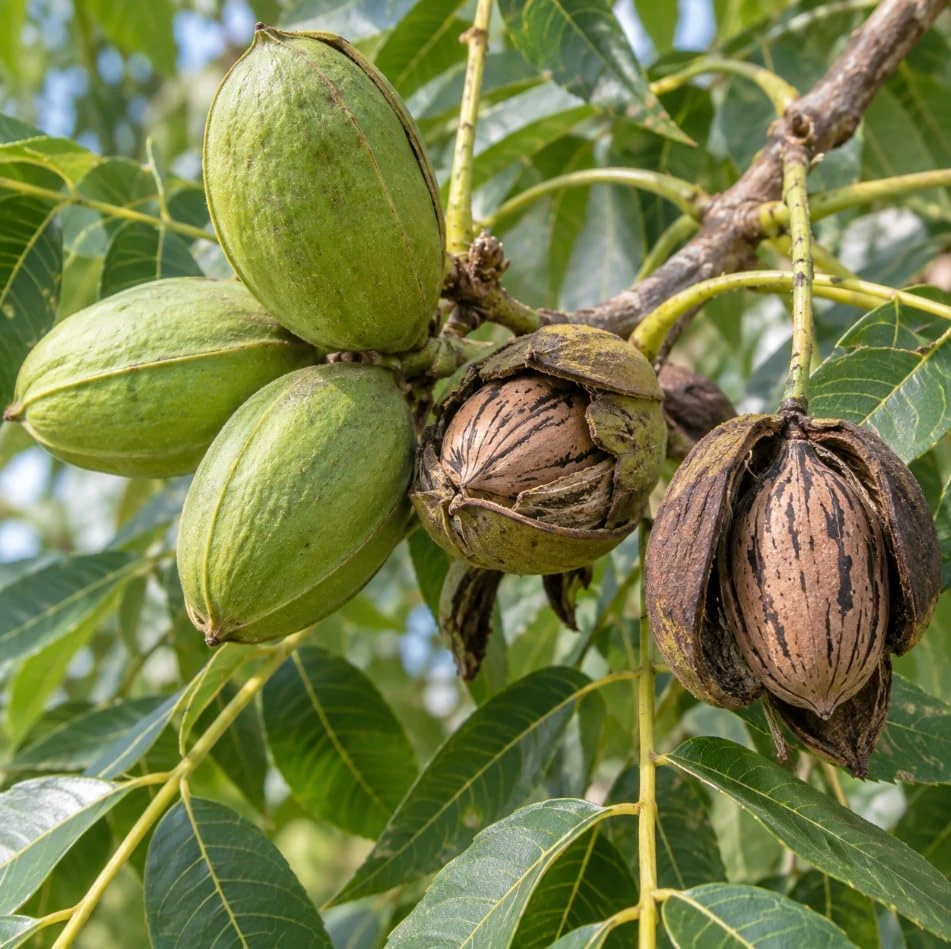
Embark on the rewarding journey of cultivating your own nut-producing trees with our premium pecan tree seedlings. This offering includes two robust, young pecan trees, each standing between 7 and 12 inches tall, providing you with a significant head start in establishing your very own pecan grove. Known for their resilience and adaptability, these live pecan trees are an excellent choice for gardeners and homeowners looking to add both aesthetic beauty and practical value to their outdoor spaces. Pecan trees, scientifically known as Carya illinoinensis, are deciduous trees native to central and southern North America, celebrated for their delicious and nutritious nuts. Planting these seedlings means investing in a long-term, sustainable food source and a beautiful addition to your landscape that will thrive for decades.
Our pecan tree seedlings are carefully selected for their hardiness, ensuring they can withstand a variety of growing conditions once established. They are shipped well-rooted and ready for immediate planting, minimizing transplant shock and maximizing their chances of successful growth. Whether you’re an experienced horticulturist or a budding gardener, these young trees offer an accessible entry point into growing a productive orchard. Imagine harvesting your own fresh pecans, perfect for baking, snacking, or sharing with family and friends. These trees are not just about the nuts; they also provide ample shade and contribute significantly to the biodiversity of your garden.
Key Benefits
Investing in these live pecan trees brings a multitude of benefits to your home and garden. From fresh produce to environmental advantages, these trees are a valuable addition:
- Delicious Homegrown Nuts: Enjoy the unparalleled taste of fresh pecans straight from your own backyard. Pecans are a versatile nut, perfect for pies, cookies, salads, or simply as a healthy snack. Having your own trees ensures a fresh, organic supply.
- Long-Term Landscape Value: Pecan trees are long-lived and can become a majestic feature in your landscape, providing shade and beauty for generations. Their strong structure and attractive foliage enhance any large garden or property.
- Environmental Contribution: As mature trees, pecans help improve air quality, reduce carbon dioxide, and provide habitat for local wildlife. They are a natural and sustainable way to enhance your local ecosystem.
- Hardy and Resilient: These hardy pecan nut seedlings are chosen for their ability to adapt to various climates and resist common plant diseases, making them a reliable choice for many regions. Their robust nature means less worry for the gardener.
- Educational Opportunity:Growing pecan trees from seedlings offers a fantastic educational experience for families, teaching about plant life cycles, sustainable food sources, and the patience required in gardening.
- Potential for Increased Property Value: Mature, well-maintained pecan trees can significantly enhance the appeal and value of your property, offering both aesthetic and practical benefits.
- Start with a Head Start: Arriving at 7-12 inches tall, these seedlings bypass the delicate germination phase, giving you a faster track to establishing mature, nut-producing trees compared to planting from seed.
Plant Care & Growing Tips
Proper care is essential for ensuring your pecan tree seedlings thrive and develop into productive trees. Pecan trees require specific conditions to reach their full potential. When considering pecan tree care, the first step is selecting the right location. They need a spot that receives full sun, meaning at least 6-8 hours of direct sunlight per day. Adequate sunlight is crucial for nut production and overall tree health. Ensure the planting site has well-drained soil; pecan trees do not tolerate standing water, which can lead to root rot. A loamy, sandy soil with a pH between 6.0 and 7.0 is ideal.
When planting, dig a hole that is twice as wide as the root ball and just as deep. Carefully place the seedling in the hole, ensuring the root collar is level with the soil surface. Backfill with soil, gently tamping down to remove air pockets. Water thoroughly immediately after planting. Regular watering is critical during the first few years of growth, especially during dry periods. Aim for deep, infrequent watering to encourage strong root development. Once established, pecan trees are more drought-tolerant but will benefit from supplemental watering during prolonged dry spells.
Pecan trees are typically hardy in USDA zones 6-9, though specific varieties may vary. They are dormant in winter, shedding their leaves and conserving energy. Fertilization can begin in the second year after planting. Use a balanced fertilizer, or one specifically formulated for nut trees, in early spring before new growth appears. Follow product instructions for application rates. Pruning should focus on removing dead, damaged, or crossing branches to maintain a strong central leader and good air circulation. Protect young trees from pests and diseases by monitoring regularly and addressing issues promptly. With consistent pecan tree care, your seedlings will grow into magnificent, nut-bearing trees.
Size & Details
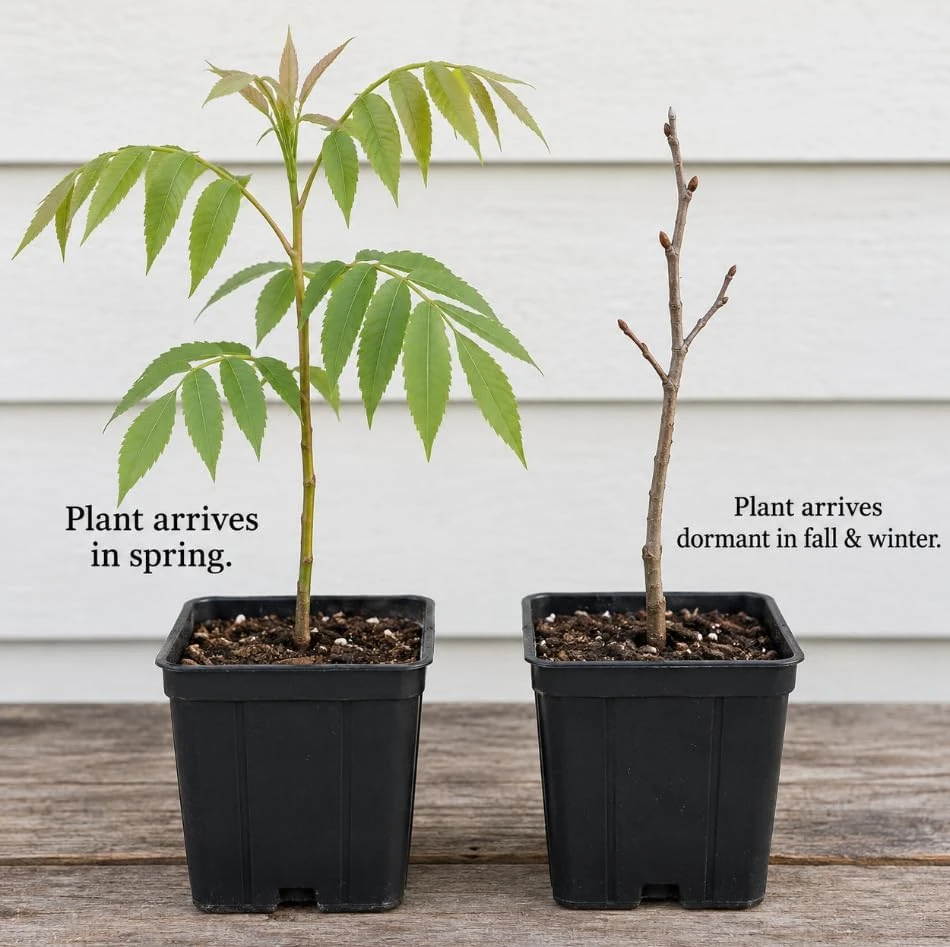
This offering includes two individual pecan tree seedlings, each a live plant ready for transplanting. Upon arrival, each seedling will measure approximately 7 to 12 inches in height, providing a robust young specimen with a well-developed root system. These plants are shipped in a dormant or semi-dormant state, particularly during cooler months, which is ideal for successful transplanting. Pecan trees are known for their moderate to fast growth rate, typically adding 1-2 feet per year under optimal conditions. They can eventually grow into large, stately trees, reaching heights of 70-100 feet with a spread of 40-75 feet at maturity. Expect several years before the trees begin producing nuts, with significant harvests usually starting after 7-10 years. These seedlings are designed for outdoor planting and will require ample space for their mature size.
Frequently Asked Questions
- Q: How big do these pecan tree seedlings get? A: These pecan tree seedlings arrive 7-12 inches tall. At maturity, established pecan trees can grow to impressive sizes, typically reaching 70-100 feet in height and 40-75 feet in width, so ensure you have adequate space for their growth.
- Q: Is this an indoor or outdoor plant? A: These are outdoor live pecan trees. They require full sun exposure and ample space to grow into large, nut-producing trees, making them unsuitable for indoor cultivation.
- Q: How much sunlight does a pecan tree need? A: Pecan trees require full sun exposure, meaning at least 6-8 hours of direct sunlight per day, for optimal growth and nut production. This is crucial for successful growing pecan trees.
- Q: What condition will the seedlings arrive in? A: The seedlings will arrive well-rooted and ready for planting. Depending on the season, they may be dormant or semi-dormant, which is a natural and healthy state for transplanting.
- Q: When is the best time to plant pecan tree seedlings? A: The best time for planting pecan tree seedlings is typically in early spring after the last frost, or in the fall before the ground freezes, allowing the roots to establish before extreme temperatures.
- Q: What kind of soil is best for pecan trees? A: Pecan trees thrive in deep, well-drained loamy or sandy soil with a slightly acidic to neutral pH (6.0-7.0). Good drainage is paramount for healthy root development and overall pecan tree care.
- Q: How long until these trees produce nuts? A: While these hardy pecan nut seedlings give you a head start, it generally takes 7-10 years for pecan trees to begin producing a significant harvest of nuts. Patience is key when growing fruit and nut trees.
- Q: Are these pecan trees self-pollinating? A: While some pecan varieties are self-pollinating to an extent, planting at least two different varieties is often recommended to ensure good cross-pollination and maximize nut yield. This enhances the success of growing pecan trees.
- Q: What USDA Hardiness Zones are suitable for these pecan trees? A: These pecan tree seedlings are generally suitable for USDA Hardiness Zones 6-9, but it’s always best to check for specific variety recommendations if known.
- Q: What is the recommended watering schedule for young pecan trees? A: Young pecan trees require consistent moisture. Water deeply once or twice a week, especially during dry periods, for the first few years to encourage strong root growth. Reduce frequency as the tree matures.
Be the first to review “Pecan Tree Seedlings – Live Plants – Hardy Nut Trees – 2-Pack – 7-12 Inches Tall – Outdoor”
Related products


You May Like

Hardneck vs. Softneck Garlic: Which Should You Grow?
Have you ever stood in front of a seed catalog in mid-September, staring at dozens [...]
Oct

When to Plant Music Garlic: Ultimate US Fall Guide
Have you ever spent your fall weekend placing carefully chosen garlic cloves into rich, dark [...]
1 Comment
Oct

5 Best Bulbs for Fall Planting: Brighten Your Garden This Spring
Are you dreaming of a garden full of vibrant colors in the spring? The key [...]
Aug

10 Houseplants That Will Thrive in Your Kitchen
Are you tired of your kitchen feeling dull and lifeless? Want to add a little [...]
1 Comment
Aug
Reviews
There are no reviews yet.