
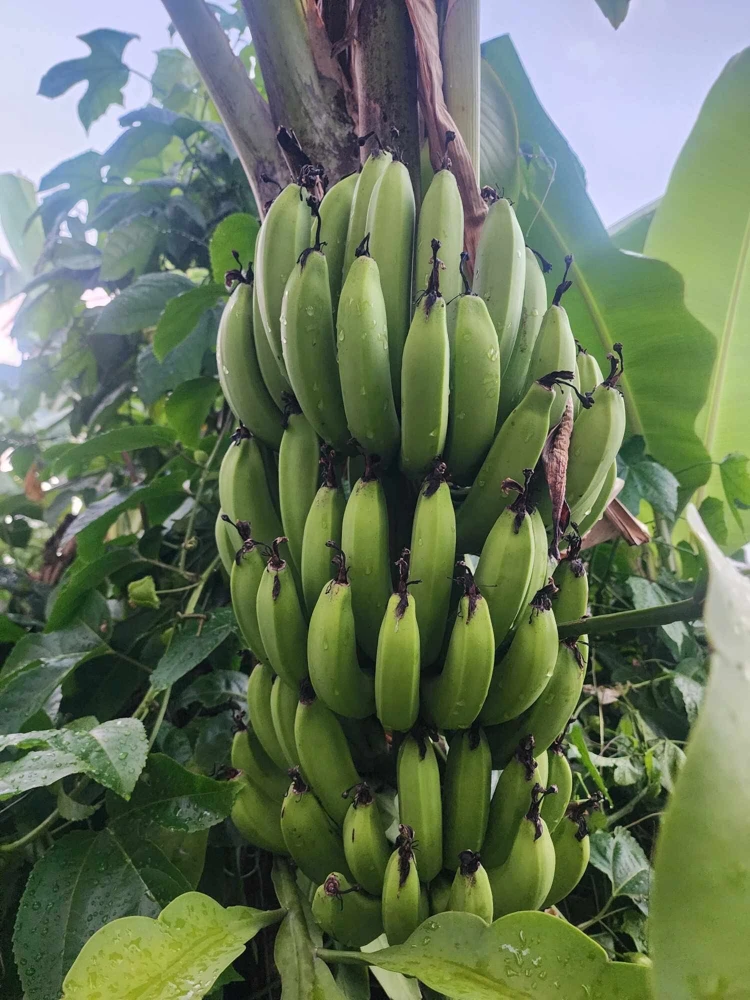
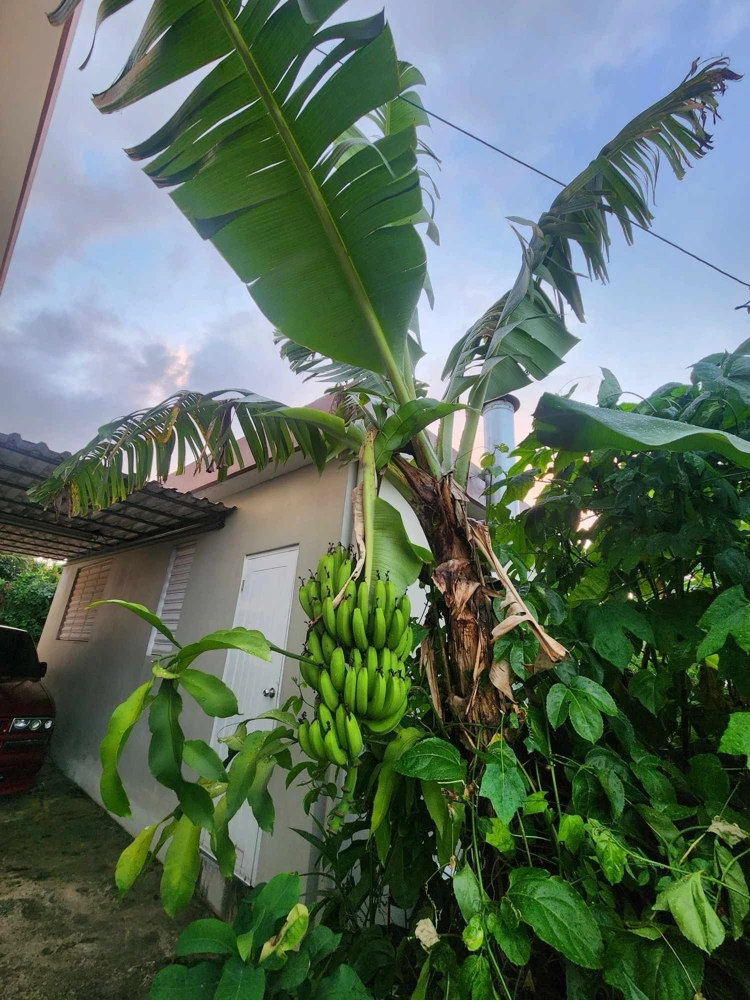
Banana Tree Seeds – Musa acuminata – Grow Your Own Bananas
Original price was: 118.18 $.68.18 $Current price is: 68.18 $.
Cultivate your own tropical paradise with our premium banana tree seeds (Musa acuminata). These high-quality seeds are perfect for gardeners looking to grow banana from seed, offering robust growth and delicious homegrown fruit. Ideal for both home gardens and larger farms, they are easy to plant and maintain.
Estimated arrival
Sep 18
Sep 23 - Sep 25
Sep 25 - Sep 30
See our Shipping Policy.
Get in touch with us via email, and our team will review your concerns.
Our Alive & Thrive Guarantee covers issues with your plants within the first 30 days. Read our Refund & Returns Policy.
-
USDA Hardiness Zone
USDA zones 9-11 (outdoors) or indoors -
Soil Type
Rich, well-draining potting mix -
Sunlight Exposure
Full sun (6-8 hours daily) -
Expected Planting Period
Year-round indoors, spring to early summer outdoors
Overview
Embark on the rewarding journey of growing your own tropical fruits with our premium banana tree seeds. Sourced from healthy and robust Musa acuminata plants, these seeds offer an exciting opportunity to cultivate your very own banana plantation right in your backyard or greenhouse. The Musa acuminata species is renowned for producing some of the most popular and delicious banana varieties enjoyed worldwide. Whether you’re a seasoned gardener or a curious beginner, these high-quality seeds provide the foundation for a thriving and productive banana crop. Experience the joy of harvesting fresh, homegrown bananas, a truly unique and satisfying endeavor that brings a taste of the tropics to your home. Our musa acuminata seeds are carefully selected to ensure viability and strong germination rates, setting you up for success in your gardening adventure.
These banana tree seeds are perfect for those who appreciate organic gardening and wish to have complete control over their food source. Growing bananas from seed allows you to witness the entire life cycle of this magnificent plant, from a tiny seed to a fruit-bearing tree. This process is not only educational but also deeply gratifying, connecting you with nature in a profound way. Imagine the delight of picking your own ripe, sweet bananas, free from pesticides and grown with your own care. These seeds are a fantastic choice for anyone looking to add an exotic touch to their garden while enjoying the benefits of fresh, healthy produce.
Key Benefits
Our banana tree seeds offer a multitude of benefits for both the enthusiastic gardener and the home food producer. They provide an accessible way to cultivate a tropical staple, enriching your garden and your diet.
- Fresh, Homegrown Produce: Enjoy the unparalleled taste of freshly ripened bananas, picked directly from your own plants. Growing your own ensures you have access to fruit free from commercial treatments and picked at peak ripeness.
- Organic Cultivation: Our seeds are ideal for organic gardening practices, allowing you to grow bananas without synthetic pesticides or fertilizers, ensuring a healthier product for you and your family.
- Rewarding Gardening Experience: Witnessing the growth of a banana plant from a tiny seed to a large, fruit-bearing specimen is incredibly satisfying and a unique gardening challenge.
- Exotic Garden Addition: Add a lush, tropical aesthetic to your landscape or greenhouse. Banana plants are striking and can transform any space into a vibrant, exotic haven.
- Educational Value: A fantastic project for families or classrooms to learn about plant biology, tropical agriculture, and sustainable food production.
- Adaptable Growth: While tropical, with proper care, these musa acuminata seeds can be grown in various climates, either outdoors in warm regions or in containers indoors in cooler zones.
- Potential for Abundant Harvests: With successful cultivation, your banana plants can yield plentiful harvests, providing a continuous supply of delicious fruit.
Plant Care & Growing Tips
Growing banana tree seeds requires patience and specific environmental conditions to thrive. Begin by soaking the seeds in warm water for 24-48 hours to soften the seed coat and encourage germination. Plant the seeds about 1/2 inch deep in a well-draining, fertile potting mix. A mixture of peat moss, perlite, and compost works well. Maintain a consistent soil temperature of 65-75°F (18-24°C) for optimal germination, which can take anywhere from a few weeks to several months. Using a heat mat can significantly improve germination rates and speed up the process for your banana plant seeds.
Once sprouted, young banana plants require plenty of sunlight, ideally 6-8 hours of direct sun per day. If growing indoors, place them in a south-facing window or under grow lights. Keep the soil consistently moist but not waterlogged; good drainage is crucial to prevent root rot. Fertilize every 2-4 weeks during the growing season with a balanced, organic fertilizer to support vigorous growth. Banana plants are heavy feeders. They prefer humid environments, so misting the leaves regularly or using a humidity tray can be beneficial, especially in dry indoor conditions. Protect young plants from strong winds, which can damage their large leaves. For optimal fruit production, consider planting in USDA Zones 9-11, or providing winter protection in cooler climates.
Proper care is essential to ensure your tropical fruit seeds develop into strong, productive plants. Monitor for pests like spider mites or aphids and treat them promptly with organic pest control methods. Pruning is generally not required for banana plants, but removing dead or damaged leaves can help maintain plant health. As the plant matures, it will produce ‘suckers’ or ‘pups’ from the base; these can be removed to concentrate energy into the main plant or allowed to grow to produce additional plants. With dedicated care, your banana plants will reward you with lush foliage and, eventually, delicious fruit.
Size & Details
These banana tree seeds are provided for you to start your own cultivation journey. Each seed is carefully selected to ensure quality and viability. The mature size of a banana plant (Musa acuminata) can vary significantly depending on the specific variety, growing conditions, and climate. Typically, these plants can reach heights of 10-25 feet (3-7.5 meters) with a spread of 5-15 feet (1.5-4.5 meters) when grown outdoors in ideal conditions. Indoor container-grown plants will remain smaller, often reaching 5-10 feet (1.5-3 meters) with careful pruning and pot size management. The growth rate is relatively fast in warm, humid environments, with plants potentially fruiting within 1-2 years from germination under optimal care.
The seeds are supplied as individual units, allowing you to plant as many as you desire. Each seed has the potential to grow into a robust banana plant, capable of producing its own bunches of bananas. The time to first harvest will depend on various factors, including the specific variety, climate, and care provided, but typically ranges from 12 to 24 months after planting. We recommend starting seeds indoors in a controlled environment to give them the best possible start before transplanting them to their final growing location, whether that be a large pot or an outdoor garden bed. These banana plant seeds are a fantastic investment for anyone passionate about growing their own food.
Frequently Asked Questions
- Q: How long does it take for banana tree seeds to germinate? A: Germination times for banana tree seeds can vary widely, from a few weeks to several months, depending on the variety, seed freshness, and environmental conditions like warmth and moisture. Patience is key.
- Q: What is the best way to plant musa acuminata seeds? A: Soak the seeds in warm water for 24-48 hours, then plant them about 1/2 inch deep in a well-draining seed-starting mix. Maintain a consistent soil temperature of 65-75°F (18-24°C) for best results.
- Q: Can I grow banana plants from these seeds indoors? A: Yes, you can successfully grow banana plant seeds indoors, especially in cooler climates. They will require a large pot, plenty of bright light (or grow lights), consistent warmth, and high humidity.
- Q: How much sunlight do banana plants need? A: Banana plants are sun-loving and thrive with at least 6-8 hours of direct sunlight per day. If growing indoors, place them in the brightest available window or supplement with artificial grow lights.
- Q: How often should I water my banana plant? A: Keep the soil consistently moist but never waterlogged. Allow the top inch or two of soil to dry out slightly between waterings. Reduce watering in cooler months.
- Q: What kind of soil is best for growing bananas? A: Banana plants prefer rich, fertile, well-draining soil with a slightly acidic to neutral pH. A good quality potting mix amended with compost works well for container growing.
- Q: Are these banana plant seeds suitable for beginners? A: While growing banana tree seeds can be a rewarding experience, it does require some specific conditions and patience. They are suitable for enthusiastic beginners willing to learn and provide consistent care.
- Q: What USDA zones are suitable for growing bananas outdoors? A: Banana plants are tropical and thrive outdoors in USDA Hardiness Zones 9-11. In cooler zones, they can be grown in containers and brought indoors for winter protection.
- Q: How tall do banana plants grown from seed get? A: The height of a banana plant grown from musa acuminata seeds can range from 5 to 25 feet, depending on the specific variety and whether it’s grown in a container or directly in the ground in an ideal climate.
- Q: When is the best time to plant tropical fruit seeds? A: It’s generally best to start tropical fruit seeds indoors during late winter or early spring to give them a head start before the warm growing season begins, especially if you plan to move them outdoors.
Be the first to review “Banana Tree Seeds – Musa acuminata – Grow Your Own Bananas”
Related products


Fruit Seeds
Southern Highbush Blueberry Seeds – 50 Pre-Stratified Vaccinium Corymbosum Fruit Bush Seeds

Fruit Seeds
Ruegen Alpine Strawberry Seeds – 60 Count Everbearing Fragaria Vesca Red Fruit White Flower


You May Like
5 Best Bulbs for Fall Planting: Brighten Your Garden This Spring
Are you dreaming of a garden full of vibrant colors in the spring? The key [...]
Aug
How to Repot Houseplants Like a Pro
Do your houseplants look like they’ve outgrown their pots? Are their roots popping out of [...]
Aug
10 Houseplants That Will Thrive in Your Kitchen
Are you tired of your kitchen feeling dull and lifeless? Want to add a little [...]
Aug
Reviews
There are no reviews yet.