
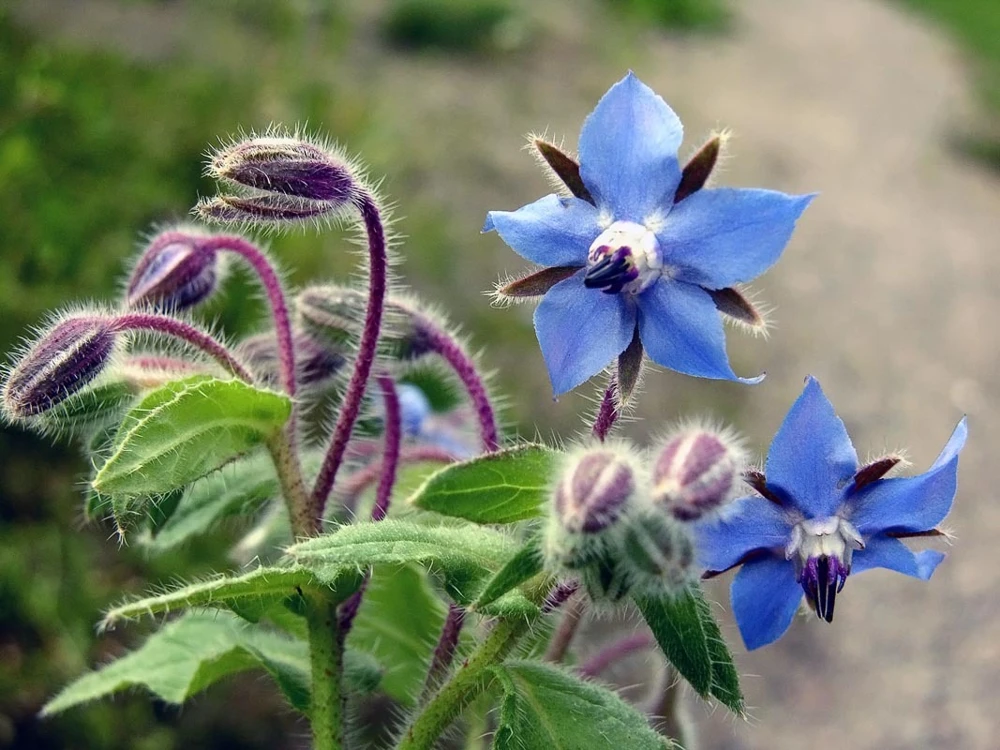
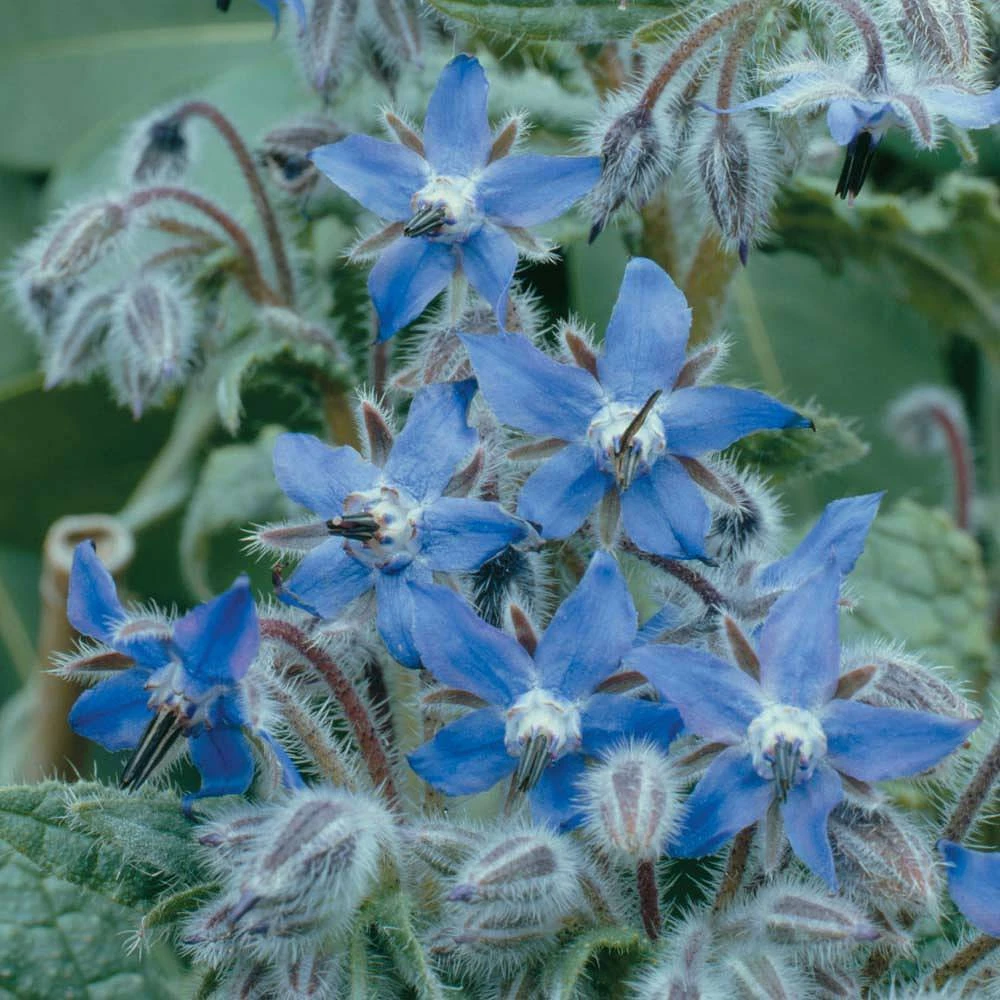
Borage Seeds – Starflower Herb Seeds, Attracts Pollinators, Zones 3-12
From 11.13 $
Cultivate beautiful and beneficial borage seeds in your garden. Also known as starflower seeds, these easy-to-grow annuals produce vibrant blue flowers that attract essential pollinators. Ideal for culinary use and adding beauty to any outdoor space.
Estimated arrival
Sep 19
Sep 24 - Sep 26
Sep 26 - Oct 01
See our Shipping Policy.
Get in touch with us via email, and our team will review your concerns.
Our Alive & Thrive Guarantee covers issues with your plants within the first 30 days. Read our Refund & Returns Policy.
-
USDA Hardiness Zone
Zones 3-12 -
Soil Type
Sandy and Loamy -
Sunlight Exposure
Partial Shade, Full Sun -
Expected Planting Period
Spring to Summer
Overview
Discover the joy of growing your own herbs with our premium borage seeds. Also widely known as Starflower or Tailwort, Borage (Borago officinalis) is a cherished annual herb celebrated for its striking blue, star-shaped flowers and mild, cucumber-like flavor. These versatile seeds are perfect for gardeners of all skill levels, promising a bountiful harvest and a vibrant addition to your outdoor landscape. Whether you’re looking to enhance your culinary creations, attract beneficial pollinators, or simply enjoy the beauty of nature, growing borage seeds is a rewarding experience. This plant thrives in a variety of climates, making it a popular choice for many home gardens across the United States.
Our borage seeds are sourced to ensure high germination rates and robust plant growth. Borage is not only a beautiful ornamental but also a functional plant, providing both edible leaves and flowers that can be used in salads, drinks, and garnishes. Its vigorous growth habit and ease of cultivation make it an excellent choice for beginner gardeners and seasoned enthusiasts alike. Prepare to transform your garden into a haven for bees and butterflies with these delightful Starflower seeds.
Key Benefits
Growing Borage from seed offers numerous advantages for both your garden and your lifestyle. From its aesthetic appeal to its practical uses, this herb is a must-have. Here are some of the key benefits you’ll enjoy when you choose to grow borage:
- Attracts Pollinators: Borage flowers are a magnet for bees, butterflies, and other beneficial insects, making them excellent companions for vegetable gardens and fruit trees to improve pollination rates. Planting borage seeds directly contributes to local biodiversity.
- Edible & Culinary Uses: Both the vibrant blue flowers and young leaves of Borage are edible. The leaves have a fresh, slightly salty cucumber flavor, perfect for salads, sandwiches, and as a garnish. The flowers add a beautiful touch to drinks and desserts.
- Easy to Grow: Known for its resilience and adaptability, Borage is incredibly easy to cultivate. It’s an ideal choice for gardeners new to growing herbs from seed, requiring minimal fuss once established. Enjoy the simplicity of nurturing your own starflower seeds.
- Soil Improvement: As a dynamic accumulator, Borage can draw up nutrients from deeper in the soil and, when composted, return them to the topsoil, improving overall soil health and fertility for other plants.
- Vibrant Garden Addition: The unique star-shaped blue flowers add a distinctive and charming visual element to any garden bed, container, or herb spiral, enhancing aesthetic appeal throughout the growing season.
- Versatile Climate Adaptability: Thriving in USDA Hardiness Zones 3-12, Borage is highly adaptable to various climates, making it a reliable choice for gardeners across many regions.
Plant Care & Growing Tips
Caring for your borage plant care is surprisingly straightforward, making it a rewarding experience for gardeners of all levels. Borage prefers a location with full sun to partial shade. For optimal growth and abundant flowering, aim for at least 6 hours of direct sunlight per day. While it can tolerate some shade, too little sun may result in leggy growth and fewer blooms. When planting your borage seeds, ensure the soil is well-draining and rich in organic matter. Borage is not particularly fussy about soil type and can thrive in sandy and loamy conditions, with a preferred soil pH between 6.6 and 7.3.
Watering should be medium; keep the soil consistently moist, especially during dry spells, but avoid waterlogging. Once established, Borage is relatively drought-tolerant, but regular watering will promote healthier growth and more prolific flowering. Fertilization is generally not heavily required, especially if planted in rich soil. However, a balanced liquid fertilizer applied once or twice during the growing season can encourage robust development. Borage is an annual plant, meaning it completes its life cycle within one year. It self-seeds readily, so you might find new plants popping up in the same spot next season. Keep an eye out for pests like aphids, though Borage is generally quite resistant. Ensuring proper air circulation can help prevent fungal issues.
Size & Details
Our borage seeds provide the foundation for a beautiful and productive herb garden. Borage typically grows into a bushy, clumping habit, reaching a height of about 2-3 feet and a similar spread, depending on growing conditions and variety. The plant produces distinctive blue, star-shaped flowers that bloom from spring through summer and into fall, offering continuous visual interest and a source of nectar for pollinators. These seeds are easy to sow directly into the garden after the last frost, germinating quickly to establish strong young plants. The optimal growing conditions span USDA Hardiness Zones 3-12, demonstrating its wide adaptability. The plant’s life cycle is annual, but its prolific self-seeding capability often makes it feel like a perennial in the garden. This makes edible borage a sustainable choice for your garden.
Frequently Asked Questions
- Q: How big does a Borage plant get? A: A Borage plant typically grows to be about 2-3 feet tall and wide, forming a bushy, clumping habit. Its size can vary slightly depending on growing conditions, sunlight, and soil fertility.
- Q: Is Borage an indoor or outdoor plant? A: Borage is primarily grown as an outdoor plant. It thrives in garden beds, raised beds, or large containers where it can receive ample sunlight and good air circulation. While it can be started indoors, it’s best suited for outdoor cultivation.
- Q: How much sunlight does Borage need? A: Borage prefers full sun, ideally receiving at least 6 hours of direct sunlight per day. It can tolerate partial shade, especially in hotter climates, but full sun encourages the best flowering and growth for your borage plant care.
- Q: Is this plant easy to care for? A: Yes, Borage is considered very easy to cultivate. It’s known for its resilience and adaptability, making it an excellent choice for beginner gardeners looking to grow borage without much hassle.
- Q: When is the best time to plant Borage seeds? A: The best time to plant borage seeds directly outdoors is in the spring after the last danger of frost has passed. You can also start seeds indoors a few weeks before the last frost to get a head start.
- Q: What condition will the seeds arrive in? A: Your Borage seeds will arrive in a protective packet, ensuring their viability and readiness for planting. They are carefully packaged to maintain quality during transit.
- Q: Can I use Borage in cooking? A: Absolutely! Both the young leaves and the beautiful blue flowers of Borage are edible. The leaves have a fresh, cucumber-like taste, and the flowers make a lovely garnish for salads, drinks, and desserts, offering delightful edible borage.
- Q: Will Borage survive winter in my zone? A: Borage is an annual plant, meaning it typically completes its life cycle in one growing season. However, it readily self-seeds, so new plants often emerge in the same area the following spring, especially in milder climates within USDA Zones 3-12.
- Q: What type of soil does Borage prefer? A: Borage is adaptable but thrives best in well-draining soil that is rich in organic matter. It performs well in sandy and loamy soil types with a slightly acidic to neutral pH (6.6 – 7.3).
- Q: Do these seeds attract pollinators? A: Yes, Borage is highly regarded for its ability to attract pollinators, especially bees. The nectar-rich blue flowers are a favorite among beneficial insects, making it an excellent plant to support local ecosystems and improve garden health.
| Seed Quantity | 10K Seeds Or 1/2 Lb, 1250 Seeds Or 1 Oz, 150 Seeds Or 1/8 Oz, 20K Seeds Or 1 Lb, 2500 Seeds Or 2 Oz, 30 Seeds, 300 Seeds Or 1/4 Oz, 5000 Seeds Or 1/4 Lb, 75 Seeds |
|---|
Be the first to review “Borage Seeds – Starflower Herb Seeds, Attracts Pollinators, Zones 3-12”
Related products


Herb Seeds
Munstead Lavender Seeds – 200 English Lavandula Angustifolia Fragrant Purple Flower Herb Seeds
You May Like
5 Best Bulbs for Fall Planting: Brighten Your Garden This Spring
Are you dreaming of a garden full of vibrant colors in the spring? The key [...]
Aug
How to Repot Houseplants Like a Pro
Do your houseplants look like they’ve outgrown their pots? Are their roots popping out of [...]
Aug
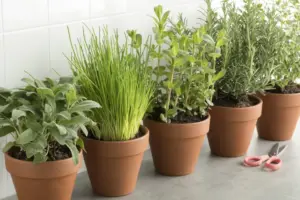
10 Houseplants That Will Thrive in Your Kitchen
Are you tired of your kitchen feeling dull and lifeless? Want to add a little [...]
Aug
Reviews
There are no reviews yet.