
Cumin Herb Seeds – Tex Mex, Jeera – Grow Your Own Culinary Spice
From 10.77 $
Cultivate your own flavorful cumin herb seeds at home. These versatile seeds are perfect for adding authentic taste to Tex Mex, Indian, and Middle Eastern recipes. Easy to grow, offering fresh spice for your culinary adventures.
Estimated arrival
Sep 19
Sep 24 - Sep 26
Sep 26 - Oct 01
See our Shipping Policy.
Get in touch with us via email, and our team will review your concerns.
Our Alive & Thrive Guarantee covers issues with your plants within the first 30 days. Read our Refund & Returns Policy.
-
USDA Hardiness Zone
Zones 5-12 -
Soil Type
Loamy soil, well-draining -
Sunlight Exposure
Full Sun -
Expected Planting Period
Spring to early summer
Overview
Embark on a rewarding gardening journey with our premium cumin herb seeds. Cumin, scientifically known as Cuminum cyminum, is a flowering plant in the family Apiaceae, native from the East Mediterranean to South Asia. Its seeds, used in whole or ground form, are a staple in various global cuisines, celebrated for their distinctive earthy, warm, and slightly bitter flavor. Growing your own cumin herb seeds allows you to enjoy the freshest, most potent spice directly from your garden. These seeds are perfect for both novice and experienced gardeners looking to expand their culinary herb collection and add an exotic touch to their dishes. From vibrant Tex Mex flavors to aromatic Indian curries, fresh cumin elevates any meal. Cultivating jeera seeds for planting is a delightful way to connect with your food source and ensure a steady supply of this indispensable spice.
Key Benefits
Growing your own cumin offers numerous advantages, from enhancing your cooking to providing a fulfilling gardening experience. These benefits make cumin herb seeds a fantastic addition to any home garden:
- Authentic Flavor Enhancement: Freshly harvested cumin boasts a more intense and complex flavor compared to store-bought ground varieties. This richness will undoubtedly elevate your Tex Mex, Indian, Middle Eastern, and North African dishes, making them more aromatic and delicious.
- Culinary Versatility: Cumin is a cornerstone in countless recipes. Having a fresh supply of culinary herb seeds means you can easily incorporate its distinctive taste into rubs, marinades, stews, soups, and even baked goods. It’s an essential spice for many global cuisines.
- Gardening Satisfaction: The process of planting, nurturing, and harvesting your own herbs is incredibly rewarding. Watching your cumin herb seeds sprout and mature into spice-producing plants provides a deep sense of accomplishment and connection to nature.
- Cost-Effective Spice: While a small packet of seeds is an initial investment, the yield can provide a substantial amount of cumin, saving you money in the long run compared to continually purchasing pre-packaged spices.
- Freshness Guarantee: When you grow cumin from seed, you control the entire process, ensuring your spice is free from additives, preservatives, and has peak freshness, translating to superior taste in your cooking.
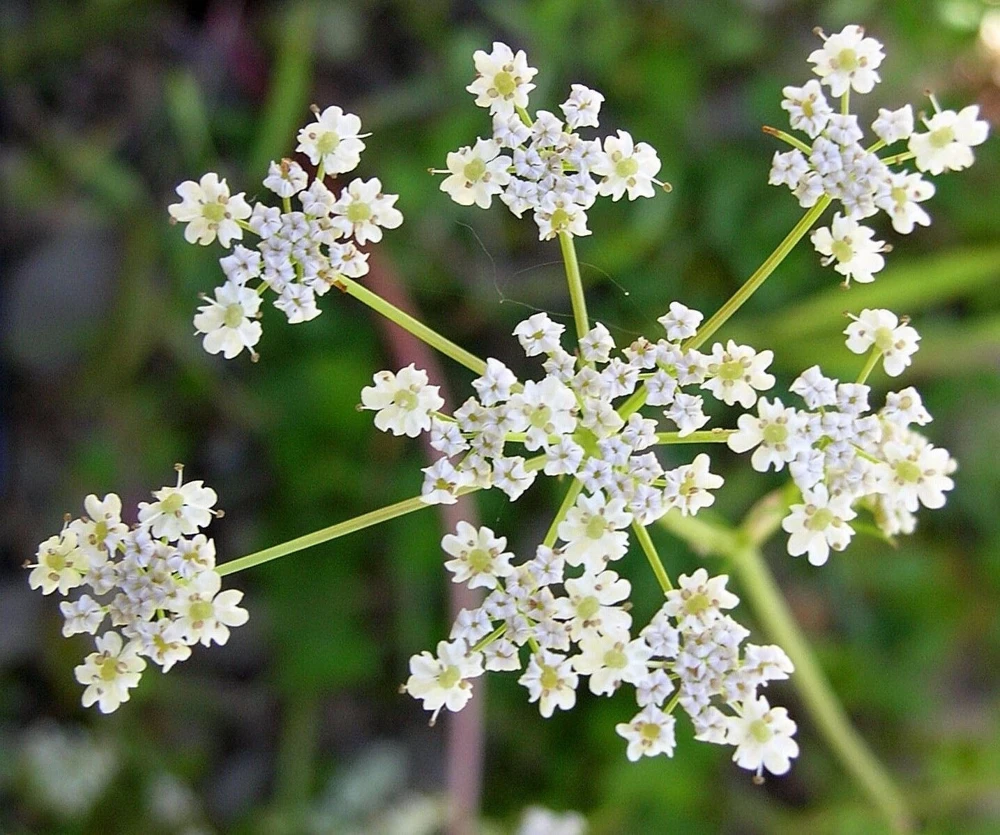
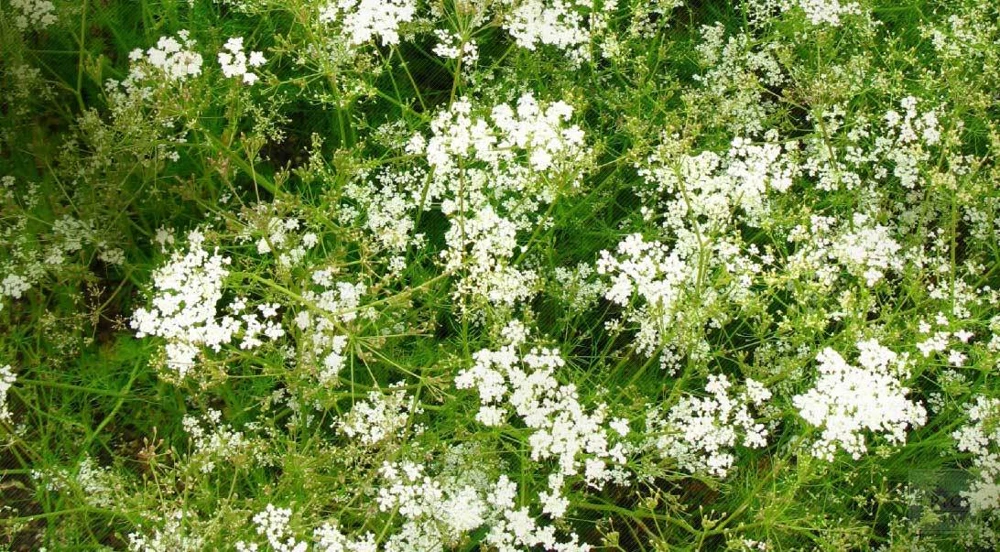
- Attractive Garden Addition: Cumin plants, with their delicate, feathery leaves and small white or pink flowers, add an interesting textural element and subtle beauty to herb gardens, raised beds, or even containers.
- Educational Experience: For families, growing cumin can be an excellent educational tool, teaching children about plant life cycles, where food comes from, and the importance of fresh ingredients.
Plant Care & Growing Tips
Successfully cultivating cumin herb seeds requires attention to specific environmental conditions, but it is generally straightforward for most gardeners. Cumin thrives in warm climates and prefers a long, hot growing season. The ideal temperature range for growth is between 65°F and 85°F (18°C-29°C). For germination, soil temperatures should be consistently above 60°F (15°C).
When it comes to sunlight, cumin plants require Full Sun, meaning at least 6-8 hours of direct sunlight per day. Choose a location in your garden that receives ample sun exposure throughout the day. For soil, loamy soil with a pH between 7.0 and 7.5 is ideal. Good drainage is crucial, as cumin does not tolerate waterlogged conditions. Amend heavy clay soils with organic matter like compost or sand to improve drainage and aeration. Regarding watering, cumin plants prefer Medium moisture. Water regularly, especially during dry spells, but allow the top inch or two of soil to dry out between waterings to prevent root rot. Avoid overhead watering to minimize the risk of fungal diseases.
Cumin is typically grown as an annual. It performs best in USDA Hardiness Zones 5-12, but can be grown in cooler zones if started indoors and transplanted after the last frost. Fertilization is generally not heavily required if the soil is rich in organic matter. A balanced, all-purpose fertilizer can be applied once early in the growing season if soil nutrients are poor. Watch out for common pests like aphids and spider mites, which can be managed with insecticidal soap or neem oil. Proper spacing (about 4-6 inches apart) and good air circulation can help prevent fungal issues. Learning how to grow cumin from seed effectively means providing these consistent conditions.
Size & Details
These cumin herb seeds will grow into mature plants typically reaching a height of 12 to 24 inches (30-60 cm) with a similar spread. The seeds are small, oblong, and light brown, characteristic of the spice. Each packet contains a generous quantity of seeds, allowing for multiple plantings or a sizable crop. Cumin plants have a relatively fast growth rate, with harvest typically occurring 120-150 days after planting, once the seed pods have dried on the plant. The plant produces delicate, feathery foliage and small, umbrella-like clusters of white or pink flowers before forming the valuable seeds. These seeds are shipped ready for planting, providing everything you need to start cultivating your own jeera seeds for planting. The plants are well-suited for both in-ground gardening and container cultivation, making them versatile for various garden sizes and styles. They are an excellent choice for those interested in growing their own tex mex spices.
Frequently Asked Questions
- Q: How big does a cumin plant get? A: A mature cumin plant typically grows to about 12 to 24 inches (30-60 cm) in height and can have a similar spread. Its size makes it suitable for most garden beds or larger containers.
- Q: Is this an indoor or outdoor plant? A: Cumin is primarily an outdoor plant as it requires ample direct sunlight and warm temperatures to thrive and produce seeds. While it can be started indoors, it needs to be transplanted outside for optimal growth.
- Q: How much sunlight does cumin herb seeds need? A: Cumin plants require full sun, meaning at least 6-8 hours of direct sunlight per day. Choosing a sunny location is crucial for successful growth and seed production.
- Q: Is this plant easy to care for? A: Cumin is considered moderately easy to care for, especially in warm climates. Its main requirements are plenty of sun, well-draining soil, and consistent watering. It’s a great option for those looking to expand their herb gardening skills.
- Q: What condition will the cumin herb seeds arrive in? A: Your cumin herb seeds will arrive in a sealed packet, ensuring their freshness and viability for planting. They are ready to be sown upon arrival.
- Q: Can I use the harvested cumin in cooking? A: Absolutely! The primary purpose of growing these culinary herb seeds is for their delicious and aromatic seeds, which are perfect for use in a wide array of dishes, including tex mex spices, Indian curries, and Middle Eastern recipes.
- Q: How long until I can harvest the cumin seeds? A: Cumin typically takes about 120-150 days from planting to harvest. The seeds are ready when the pods on the plant have dried and turned brown.
- Q: What’s the minimum temperature for growing cumin? A: Cumin prefers warm temperatures, ideally between 65°F and 85°F (18°C-29°C). It is sensitive to frost, so it should be planted after all danger of frost has passed.
- Q: What kind of soil is best for grow cumin from seed? A: Cumin thrives in well-draining, loamy soil with a pH between 7.0 and 7.5. Good drainage is essential to prevent waterlogging and root issues.
- Q: Can I plant these jeera seeds for planting in a container? A: Yes, cumin can be successfully grown in containers, provided the container is large enough (at least 8-10 inches deep) and has good drainage holes. Ensure it’s placed in a location that receives full sun.
| Seed Amount | 10K Seeds Or 1 Oz, 1250 Seeds Or 1/8 Oz, 160K Seeds Or 1 Lb, 20K Seeds Or 2 Oz, 2500 Seeds Or 1/4 Oz, 300 Seeds Or 1 Gram, 40K Seeds Or 1/4 Lb, 5000 Seeds Or 1/2 Oz, 600 Seeds Or 2 Grams, 80K Seeds Or 1/2 Lb |
|---|
Be the first to review “Cumin Herb Seeds – Tex Mex, Jeera – Grow Your Own Culinary Spice”
Related products


Herb Seeds
Munstead Lavender Seeds – 200 English Lavandula Angustifolia Fragrant Purple Flower Herb Seeds

You May Like
5 Best Bulbs for Fall Planting: Brighten Your Garden This Spring
Are you dreaming of a garden full of vibrant colors in the spring? The key [...]
Aug
How to Repot Houseplants Like a Pro
Do your houseplants look like they’ve outgrown their pots? Are their roots popping out of [...]
Aug
10 Houseplants That Will Thrive in Your Kitchen
Are you tired of your kitchen feeling dull and lifeless? Want to add a little [...]
Aug
Reviews
There are no reviews yet.