


Elderberry Live Plant – 12″ Tall Sambucus Canadensis – 1 Quart Pot – Outdoor
Original price was: 55.99 $.21.99 $Current price is: 21.99 $.
Cultivate your own elderberry live plant with this healthy 12-inch tall specimen. Grown in a 1-quart pot, this sambucus canadensis is ready for outdoor planting, promising delicious, antioxidant-rich berries for your garden. Enjoy the benefits of fresh american black elderberry.
Estimated arrival
Sep 19
Sep 24 - Sep 26
Sep 26 - Oct 01
See our Shipping Policy.
Get in touch with us via email, and our team will review your concerns.
Our Alive & Thrive Guarantee covers issues with your plants within the first 30 days. Read our Refund & Returns Policy.
-
USDA Hardiness Zone
USDA zones 3–9 -
Soil Type
Moist, well-drained loam; pH 5.5–6.5 -
Sunlight Exposure
Full sun to partial shade -
Expected Planting Period
Early spring or fall
Overview
Introduce a robust and beneficial addition to your garden with this premium elderberry live plant. Standing at a healthy 12 inches tall and rooted in a 1-quart pot, this Sambucus Canadensis, also known as American Black Elderberry, is ready for outdoor planting. Elderberry plants are cherished for their ornamental appeal and their highly nutritious dark purple berries. These berries are a powerhouse of antioxidants and Vitamin C, commonly used in culinary creations such as syrups, teas, and jams. Our elderberry live plant is propagated from strong, healthy stock, ensuring it will thrive in your landscape and provide a bountiful harvest for years to come. Remember that raw berries and leaves contain toxins, so they should always be cooked before consumption.
Key Benefits
Adding an elderberry live plant to your garden brings a multitude of advantages, from its aesthetic value to its health-promoting fruit. This versatile plant is a must-have for any enthusiast looking to combine beauty with utility.
- Nutrient-Rich Harvest: The dark purple berries are packed with antioxidants and Vitamin C, supporting overall wellness and immune health. Growing your own ensures a fresh, organic supply.
- Culinary Versatility: Harvested berries can be transformed into delicious syrups, jams, pies, and teas, offering a unique flavor profile to your homemade goods.
- Attracts Wildlife: Elderberry flowers provide nectar for pollinators like bees, while the berries are a food source for birds, enhancing biodiversity in your garden.
- Hardy & Adaptable: This sambucus canadensis is robust, thriving in USDA zones 3–9 and tolerating a range of soil conditions, making it an excellent choice for many climates.
- Easy to Grow: With proper care, growing elderberry bushes is straightforward, even for novice gardeners. They require consistent moisture and moderate sunlight.
- Medicinal Properties: Historically, various parts of the elderberry plant have been used in traditional medicine, particularly for their immune-boosting qualities.
- Attractive Landscape Plant: Beyond its fruit, the plant offers attractive foliage and delicate white flower clusters in spring, adding visual interest to your garden.
Plant Care & Growing Tips
Caring for your elderberry live plant is a rewarding experience that ensures a healthy plant and abundant harvests. This hardy shrub thrives with consistent attention to its basic needs. For optimal fruit production, the plant prefers full sun to partial shade, requiring at least 6 hours of direct sunlight daily. While it can tolerate some shade, more sun generally leads to more berries. When considering your elderberry planting guide, remember that early spring or fall, when the plant is dormant, are the best times to plant. Both bare-root and container plants are suitable for these periods.
The ideal soil for growing elderberry bushes is a moist, well-drained loam with a pH between 5.5 and 6.5. Elderberries are quite tolerant and can handle clay and wetter soils better than many other fruiting plants, but good drainage is still crucial to prevent root rot. Consistent moisture is vital, especially during the first year after planting and throughout the fruiting season. Avoid waterlogging, but ensure the soil remains evenly damp. Spacing is important for good air circulation; plant bushes 6–10 feet apart in rows spaced 10–12 feet apart. This american black elderberry is hardy in USDA zones 3–9, preferring temperate climates and tolerating cold winters well. Fertilize in early spring with a balanced slow-release fertilizer. Pruning should be done in late winter or early spring to remove dead or weak canes and encourage new growth. Harvest typically occurs mid to late summer, when berries are fully dark and soft. Harvest entire clusters by cutting the stems.
Size & Details
This offering is for one healthy elderberry live plant, measuring approximately 12 inches in height from the top of the soil. It comes pre-potted in a 1-quart container, providing a well-established root system ready for transplanting into your garden. Elderberry plants are known for their relatively fast growth rate, quickly developing into attractive shrubs that can reach 5–12 feet tall and wide at maturity, depending on growing conditions and pruning. This specific variety, Sambucus Canadensis, is a North American native, ensuring its adaptability to various US climates within its hardiness zones. You can expect your plant to begin producing fruit within 1-2 years after planting, with full production typically achieved by the third year. The plant will arrive carefully packaged to ensure its health and vitality during transit.
Frequently Asked Questions
- Q: How big does this elderberry live plant get? A: This elderberry live plant is currently 12 inches tall in a 1-quart pot. At maturity, growing elderberry bushes can reach 5–12 feet in both height and width, depending on variety and growing conditions.
- Q: Is this an indoor or outdoor plant? A: This sambucus canadensis is an outdoor plant, specifically suited for garden planting. It requires outdoor conditions to thrive and produce fruit.
- Q: How much sunlight does this elderberry plant need? A: For best fruit production, elderberries need full sun to partial shade, meaning at least 6 hours of direct sunlight daily.
- Q: Is this plant easy to care for? A: Yes, american black elderberry plants are considered relatively easy to care for, making them suitable for gardeners of all experience levels. Consistent watering and appropriate sunlight are key.
- Q: What condition will the elderberry live plant arrive in? A: Your elderberry live plant will arrive carefully packaged in its 1-quart pot, with its root ball intact and protected, ready for transplanting.
- Q: When is the best time to plant this elderberry? A: The best times for elderberry planting guide are early spring or fall, when the plant is dormant, to allow it to establish its root system before extreme temperatures.
- Q: Will this elderberry survive winter in my zone? A: This sambucus canadensis is hardy in USDA zones 3–9, meaning it is well-adapted to tolerate cold winters within this range.
- Q: Can I use the berries from this plant for cooking? A: Yes, the dark purple berries are excellent for making syrups, jams, and teas. However, it’s crucial to cook them thoroughly before consumption, as raw berries and leaves contain toxins.
- Q: What type of soil does this elderberry prefer? A: This plant thrives in moist, well-drained loam with a pH of 5.5–6.5. It can tolerate clay and slightly wetter soils better than many other fruit-bearing plants.
- Q: How long until this elderberry live plant produces fruit? A: You can typically expect your elderberry live plant to begin producing fruit within 1-2 years after planting, with full production usually starting by the third year.
Be the first to review “Elderberry Live Plant – 12″ Tall Sambucus Canadensis – 1 Quart Pot – Outdoor”
Related products


You May Like
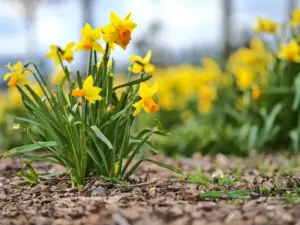
5 Best Bulbs for Fall Planting: Brighten Your Garden This Spring
Are you dreaming of a garden full of vibrant colors in the spring? The key [...]
Aug
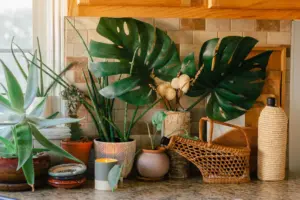
How to Repot Houseplants Like a Pro
Do your houseplants look like they’ve outgrown their pots? Are their roots popping out of [...]
Aug
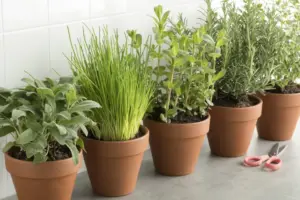
10 Houseplants That Will Thrive in Your Kitchen
Are you tired of your kitchen feeling dull and lifeless? Want to add a little [...]
Aug
Reviews
There are no reviews yet.