


Organic Plantain Tree Live Plant – Tropical Cooking Banana Plant
Original price was: 60.99 $.51.99 $Current price is: 51.99 $.
Bring the tropics to your garden with this organic plantain tree. A live plantain tree, it’s perfect for growing your own delicious cooking bananas. Enjoy the lush foliage and rewarding harvest of this tropical favorite.
Estimated arrival
Sep 19
Sep 24 - Sep 26
Sep 26 - Oct 01
See our Shipping Policy.
Get in touch with us via email, and our team will review your concerns.
Our Alive & Thrive Guarantee covers issues with your plants within the first 30 days. Read our Refund & Returns Policy.
-
USDA Hardiness Zone
USDA Zones 9-11 (or indoors) -
Soil Type
Rich, well-draining soil -
Sunlight Exposure
Full sun -
Expected Planting Period
Year-round in warm climates; spring to summer in others
Overview
Cultivate your own tropical bounty with this magnificent organic plantain tree. This isn’t just any plant; it’s a thriving live plantain tree, ready to transform your garden or patio into an exotic paradise. Known for its robust growth and delicious fruit, the plantain (Musa paradisiaca) is a staple in many cuisines around the world. Unlike dessert bananas, plantains are typically cooked before eating, offering a versatile ingredient for savory dishes, stews, and fried treats. Growing your own ensures a fresh, organic supply right at your fingertips, allowing you to enjoy the unique flavors and nutritional benefits of this incredible tropical fruit.
This tropical banana plant is carefully nurtured to arrive healthy and ready for planting. Whether you’re an experienced gardener or new to tropical horticulture, this plant offers a rewarding experience. Its large, paddle-like leaves create a stunning visual impact, while the promise of homegrown fruit adds an exciting dimension to your gardening endeavors. Embrace the joy of harvesting your very own plantains and discover the culinary possibilities they unlock.
Key Benefits
Adding a organic plantain tree to your landscape offers a wealth of advantages beyond just its striking appearance:
- Fresh, Organic Produce: Enjoy the unparalleled taste and nutritional value of plantains grown without synthetic pesticides or fertilizers. Harvesting your own means you control the quality from soil to plate.
- Tropical Ambiance: The large, vibrant green leaves of this live plantain tree instantly create a lush, tropical feel in any garden, patio, or large indoor space, enhancing aesthetic appeal.
- Culinary Versatility: Plantains are incredibly versatile in the kitchen. They can be baked, fried, boiled, or grilled, serving as a starchy vegetable side dish or a key ingredient in countless savory recipes.
- Nutritional Powerhouse: Rich in vitamins A, C, and B6, as well as potassium and dietary fiber, plantains are a healthy and energy-boosting food source for the whole family.
- Educational Experience: Growing a tropical banana plant provides a fantastic educational opportunity for children and adults alike, teaching about tropical agriculture and sustainable food practices.
- Rewarding Harvest: There’s immense satisfaction in nurturing a plant from its initial stage to producing its own fruit, providing a tangible reward for your gardening efforts.
Plant Care & Growing Tips
To ensure your organic plantain tree thrives and produces abundant fruit, understanding its specific care requirements is essential. Plantains are tropical plants, so they flourish in warm, humid conditions. When planting, choose a location that receives full sun, ideally 6-8 hours of direct sunlight per day. In extremely hot climates, some afternoon shade can prevent leaf scorch. The soil should be rich, well-draining, and slightly acidic to neutral (pH 6.0-7.0). Amending the soil with compost or other organic matter will provide essential nutrients and improve drainage. This is crucial for successful plantain tree care.
Watering is critical, especially during dry spells and the growing season. Plantains are heavy feeders and require consistent moisture, but avoid waterlogging, which can lead to root rot. Deep watering two to three times a week, depending on your climate and soil type, is generally recommended. Fertilize regularly with a balanced, slow-release fertilizer or a high-potassium formula once the plant is established, typically every 4-6 weeks during the active growing season. Pruning mainly involves removing dead or damaged leaves and trimming off suckers (new shoots) to direct the plant’s energy into fruit production. Leave 1-2 strong suckers to replace the main plant after it fruits.
Protect your live plantain tree from frost, as it is highly susceptible to cold damage. In regions with cold winters, consider growing it in a large container that can be moved indoors or providing adequate winter protection. With proper plantain tree care, you will be rewarded with a healthy, productive plant that yields delicious fruit for years to come. Remember, consistency in watering and feeding is key to a robust and fruitful cooking banana plant.
Size & Details
This organic plantain tree is a live plant, typically shipped in a nursery pot, ready for transplanting. While specific dimensions can vary based on the current growth stage, you can generally expect a young, healthy plant with established roots and several leaves. Plantain trees are fast-growing and can reach impressive heights, often between 10-20 feet (3-6 meters) in ideal conditions, though container-grown plants tend to be smaller. The fruit typically matures within 10-18 months of planting, depending on growing conditions and variety.
The plant will arrive carefully packaged to ensure its health during transit. Upon arrival, it’s recommended to acclimate the plant to its new environment gradually before full planting. With proper care, this tropical banana plant will quickly establish itself and begin its journey towards producing delicious fruit. The size of the plant at maturity depends heavily on climate, soil quality, and ongoing cultural practices.
Frequently Asked Questions
- Q: How big does this plant get? A: A live plantain tree can grow quite large, typically reaching 10-20 feet tall in the ground. If grown in a large container, its size can be somewhat restricted, but it will still require significant space.
- Q: Is this an indoor or outdoor plant? A: This organic plantain tree is a tropical plant best suited for outdoor growing in USDA Zones 9-11. In colder climates, it can be grown in a container and moved indoors during winter or treated as an annual.
- Q: How much sunlight does it need? A: Plantain trees thrive in full sun, requiring at least 6-8 hours of direct sunlight daily for optimal growth and fruit production. In very hot climates, a little afternoon shade can be beneficial.
- Q: Is this plant easy to care for? A: While plantains require consistent watering and feeding, they are relatively straightforward to care for if their basic needs for warmth, sun, and moisture are met. Good plantain tree care involves regular attention.
- Q: How long until it produces fruit? A: Under ideal conditions, a cooking banana plant can start producing fruit within 10-18 months after planting. The ripening process for the fruit can take several weeks after the bunch has formed.
- Q: What kind of soil is best for a plantain tree? A: Plantains prefer rich, well-draining soil with a slightly acidic to neutral pH (6.0-7.0). Incorporating plenty of organic matter will help retain moisture and provide nutrients.
- Q: Will it survive winter in my zone? A: Plantain trees are not cold-hardy. They will only survive outdoors year-round in frost-free climates (USDA Zones 9-11). In colder zones, winter protection or indoor overwintering is necessary for your tropical banana plant.
- Q: What condition will it arrive in? A: Your live plantain tree will arrive carefully packed and healthy, typically in a nursery pot with established roots, ready for transplanting into your garden or a larger container.
- Q: Can I grow this plant in a pot? A: Yes, plantain trees can be successfully grown in large pots (20-gallon or larger is recommended) provided they receive adequate light, water, and nutrients. This is a common method for those outside tropical zones.
- Q: What is the main difference between plantains and bananas? A: While botanically related, plantains are generally larger, starchier, and lower in sugar than dessert bananas. They are typically cooked before eating, while bananas are usually eaten raw. This cooking banana plant is specifically for plantains.
Be the first to review “Organic Plantain Tree Live Plant – Tropical Cooking Banana Plant”
Related products


You May Like
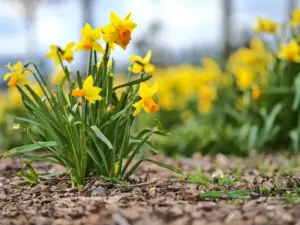
5 Best Bulbs for Fall Planting: Brighten Your Garden This Spring
Are you dreaming of a garden full of vibrant colors in the spring? The key [...]
Aug
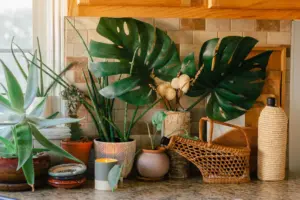
How to Repot Houseplants Like a Pro
Do your houseplants look like they’ve outgrown their pots? Are their roots popping out of [...]
Aug
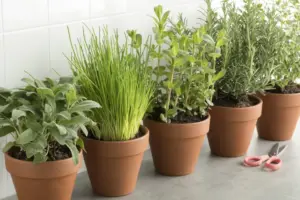
10 Houseplants That Will Thrive in Your Kitchen
Are you tired of your kitchen feeling dull and lifeless? Want to add a little [...]
Aug
Reviews
There are no reviews yet.