


Heirloom Catnip Seeds – 1000 Nepeta Cataria Herb Flower Seeds – Attracts Cats & Pollinators – USDA Zones 3-9
Original price was: 32.99 $.12.99 $Current price is: 12.99 $.
Cultivate your own heirloom catnip seeds (Nepeta Cataria) with this packet of 1000 seeds. Perfect for creating a cat friendly garden, these fragrant herb plants are also known to attract beneficial pollinators like bees, birds, and butterflies. Easy to grow catnip from seed, suitable for USDA Zones 3-9.
Estimated arrival
Sep 18
Sep 23 - Sep 25
Sep 25 - Sep 30
See our Shipping Policy.
Get in touch with us via email, and our team will review your concerns.
Our Alive & Thrive Guarantee covers issues with your plants within the first 30 days. Read our Refund & Returns Policy.
-
USDA Hardiness Zone
3 - 9 -
Soil Type
Average, well-draining soil -
Sunlight Exposure
Full sun - Part shade -
Expected Planting Period
Outdoors after frost / Indoors weeks before last frost
Overview
Bring joy to your feline companions and enhance your garden with these premium heirloom catnip seeds. Each packet contains 1000 seeds of Nepeta Cataria, commonly known as Catnip, a beloved herb renowned for its intoxicating effect on cats. Beyond its appeal to pets, catnip is a beautiful and fragrant addition to any garden, featuring delicate white to pink flowers that bloom from mid-summer to fall. This versatile herb thrives in a variety of conditions, making it an excellent choice for gardeners looking to grow catnip from seed, whether for medicinal uses, culinary applications, or simply to delight their furry friends. It’s an easy-to-grow plant that promises a rewarding experience for both novice and experienced gardeners, contributing to a vibrant and biodiverse outdoor space.
Nepeta Cataria seeds are perfect for establishing a thriving patch of this aromatic herb. Catnip plants are not only cherished by cats but also serve as excellent attractants for local wildlife, including bees, birds, and butterflies, promoting a healthier ecosystem in your backyard. Discover the simple pleasure of cultivating this classic herb and enjoy its many benefits.
Key Benefits
Growing heirloom catnip seeds offers a multitude of advantages for your home and garden, creating a truly enriching environment for both humans and animals alike. This resilient herb is a fantastic choice for those seeking low-maintenance yet high-impact plants.
- Feline Enrichment: Catnip is famous for its stimulating effects on cats, providing natural entertainment and stress relief for your pets. A fresh supply of catnip can encourage playfulness and relaxation, making it a staple for a truly cat friendly garden.
- Pollinator Magnet: The fragrant flowers of Nepeta Cataria are a strong draw for beneficial insects, including bees, butterflies, and even some bird species, helping to support local pollination and biodiversity in your garden.
- Aromatic Appeal: Beyond its effects on cats, catnip possesses a pleasant, mint-like aroma that can deter certain garden pests while adding a delightful fragrance to your outdoor living spaces.
- Medicinal & Culinary Uses: Historically, catnip has been used in herbal teas for its calming properties and can be incorporated into various culinary dishes, offering a mild, minty flavor.
- Easy to Grow: These Nepeta Cataria seeds are known for their robust nature, making them relatively simple to cultivate from seed. They adapt well to different soil types and light conditions, suitable for gardeners of all skill levels.
- Drought Tolerant: Once established, catnip plants are quite resilient and can tolerate periods of drought, requiring less frequent watering compared to many other garden plants.
- Hardy & Perennial: As a perennial herb in USDA Zones 3-9, catnip returns year after year, providing a continuous supply of fresh leaves and flowers without the need for annual replanting. This makes it a sustainable choice for your garden.
Plant Care & Growing Tips
To successfully grow catnip from seed, understanding its basic care requirements is essential. Catnip (Nepeta Cataria) is a remarkably hardy and adaptable herb, making it a great choice for both beginners and experienced gardeners. These heirloom catnip seeds will flourish with proper attention to sunlight, soil, and watering. For optimal growth, ensure your plants receive plenty of light and are not overwatered.
Catnip prefers a location with full sun to part shade. This means at least 6 hours of direct sunlight per day for full sun, or 3-6 hours for part shade. In hotter climates, some afternoon shade can be beneficial to prevent scorching. These plants are incredibly tolerant and will adapt to various light conditions. The ideal soil for catnip is average, well-draining soil. It’s not particularly fussy about soil pH but prefers something neutral to slightly alkaline. Avoid heavy, waterlogged soils, as this can lead to root rot. If your soil is clay-heavy, consider amending it with compost or sand to improve drainage. Watering should be consistent during the germination phase and while the seedlings are establishing. Once mature, catnip is quite drought-tolerant and prefers to dry out slightly between waterings. Overwatering is a common mistake and can be detrimental to the plant’s health. Fertilization isn’t usually necessary for catnip, especially if grown in reasonably fertile soil. If your soil is very poor, a light application of a balanced, all-purpose fertilizer in spring can encourage vigorous growth. The hardiness of catnip spans USDA Zones 3-9, meaning it can withstand cold winters and hot summers across a wide range of climates. Common problems are few, but watch out for aphids or spider mites, which can be managed with organic pest control methods or a strong spray of water. Harvesting leaves regularly encourages bushier growth and prolongs the plant’s vigor, contributing to a healthy cat friendly garden.
Size & Details
These heirloom catnip seeds (Nepeta Cataria) are designed to produce robust and healthy plants that will thrive in your garden. Each packet contains 1000 seeds, providing ample opportunity to establish a significant patch of this beneficial herb. The plants typically reach a height of 24 to 48 inches (2-4 feet) with a spread of 15 to 18 inches, creating a substantial and fragrant presence in your garden. Catnip is a fast grower, and you can expect it to establish quickly after germination. Bloom time occurs from mid-summer through fall, presenting delicate white to pink flowers that are attractive to pollinators.
Catnip is a perennial herb, meaning it will return year after year in suitable climates, specifically USDA Hardiness Zones 3 through 9. It prefers average soil conditions and is quite adaptable to various light exposures, from full sun to partial shade. The seeds are best planted outdoors after the last frost or can be started indoors several weeks before the last frost for an earlier start. With proper care, you’ll soon have a flourishing supply of catnip for your feline friends and a vibrant addition to your landscape.
Frequently Asked Questions
- Q: How big does a catnip plant get from these seeds? A: Catnip plants grown from these heirloom catnip seeds typically reach a height of 24 to 48 inches (2 to 4 feet) with a spread of 15 to 18 inches. This makes them a prominent, yet manageable, addition to most garden spaces.
- Q: Is this an indoor or outdoor plant? How much sunlight does it need? A: Catnip can be grown both indoors and outdoors. For outdoor cultivation, it thrives in full sun to part shade, meaning at least 3-6 hours of direct sunlight. Indoors, place it in a bright, sunny window. It’s a versatile plant perfect for a cat friendly garden.
- Q: Is this plant easy to care for? Is it good for beginners? A: Yes, catnip is considered a very easy plant to care for and is excellent for beginners. It’s quite resilient and tolerant of various conditions, making it simple to grow catnip from seed.
- Q: What condition will the seeds arrive in? Is it shipped in soil? A: This product consists of 1000 high-quality Nepeta Cataria seeds. They will arrive in a protective packet, ready for planting. No soil is included, as these are seeds for you to sow.
- Q: Can I use catnip for other purposes besides my cats? Is it pet-safe? A: Yes, catnip has traditional uses in herbal teas for calming effects and can be used in some culinary applications. It is generally considered safe for cats to consume in moderation. Always ensure any plants are pesticide-free if intended for consumption by pets or humans.
- Q: How long until it blooms? When is the best time to plant these heirloom catnip seeds? A: Catnip typically blooms from mid-summer to fall after establishing. The best time to plant outdoors is after the last frost. For an earlier start, you can sow the seeds indoors several weeks before the last frost.
- Q: Will it survive winter in my zone? What’s the minimum temperature? A: Catnip is a hardy perennial and is suitable for USDA Hardiness Zones 3-9. This means it can tolerate cold winters and will typically return year after year, even after experiencing freezing temperatures.
- Q: What kind of soil does catnip prefer? A: Catnip prefers average, well-draining soil. It is not overly particular but will not thrive in heavy, waterlogged conditions. Amending heavy soils with compost or sand can improve drainage for your Nepeta Cataria seeds to germinate successfully.
- Q: How often should I water my catnip plants? A: While seedlings are establishing, keep the soil consistently moist. Once mature, catnip is quite drought-tolerant and prefers to dry out slightly between waterings. Overwatering should be avoided.
- Q: Will growing heirloom catnip seeds attract other animals to my garden? A: Yes, in addition to cats, the fragrant flowers of catnip are known to attract beneficial pollinators such as bees, birds, and butterflies, contributing to a lively and diverse garden ecosystem.
Be the first to review “Heirloom Catnip Seeds – 1000 Nepeta Cataria Herb Flower Seeds – Attracts Cats & Pollinators – USDA Zones 3-9”
Related products
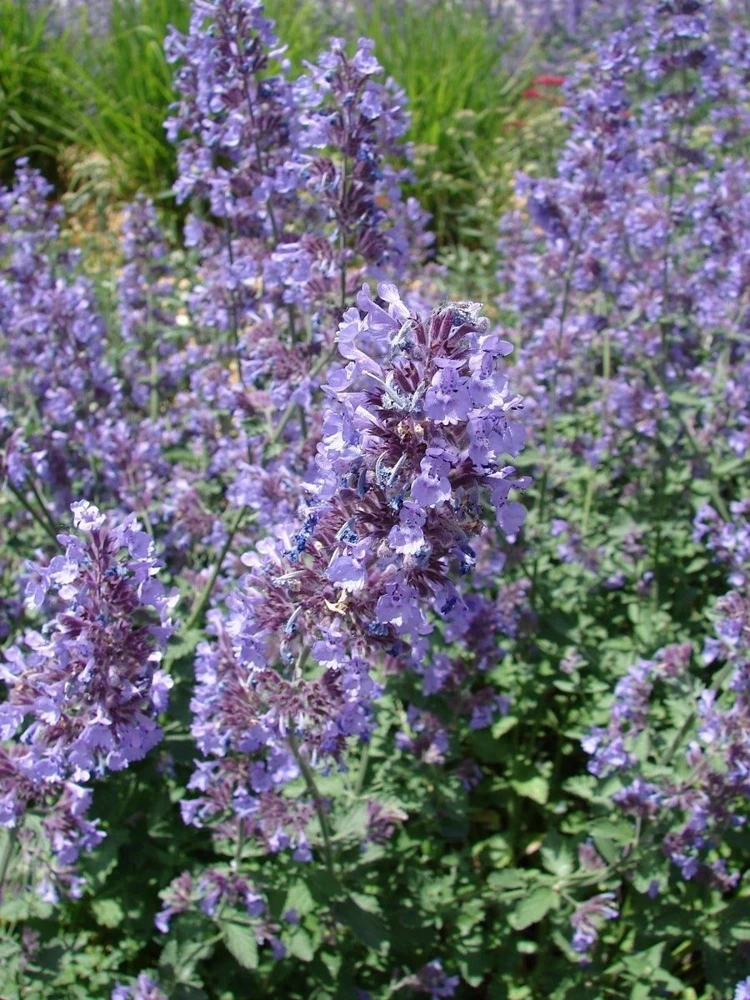

Herb Seeds
Organic Catnip Seeds – Nepeta cataria – 300 Seed Pack – Fragrant Herb – Attracts Cats & Pollinators

Herb Seeds
Great Saint John’s Wort Seeds – Hypericum Pyramidatum – 1500 Count – Yellow Flower Herb – Zones 2-10


You May Like
5 Best Bulbs for Fall Planting: Brighten Your Garden This Spring
Are you dreaming of a garden full of vibrant colors in the spring? The key [...]
Aug
How to Repot Houseplants Like a Pro
Do your houseplants look like they’ve outgrown their pots? Are their roots popping out of [...]
Aug
10 Houseplants That Will Thrive in Your Kitchen
Are you tired of your kitchen feeling dull and lifeless? Want to add a little [...]
Aug
Reviews
There are no reviews yet.