
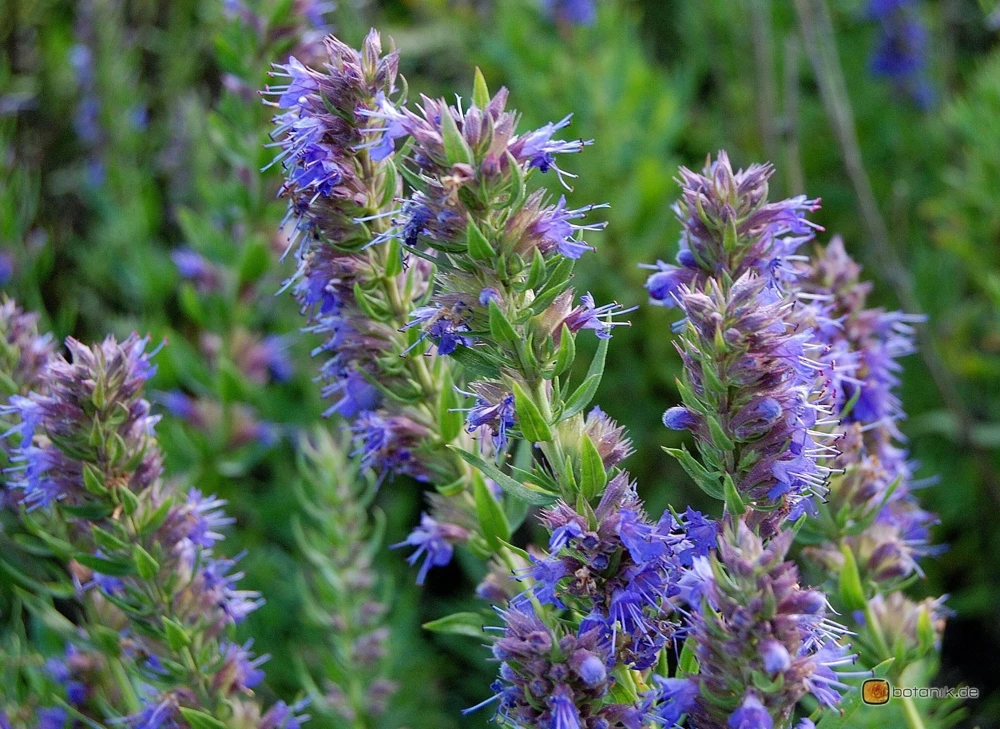
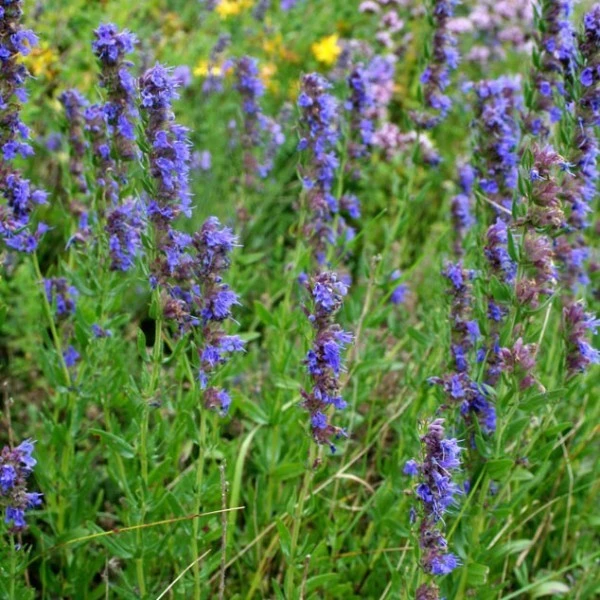
Hyssop Seeds – Blue-Violet Flower Seeds for Pollinators – Perennial
From 10.77 $
Cultivate beautiful hyssop seeds to bring vibrant blue-violet blooms and beneficial pollinators to your garden. These perennial flower seeds are ideal for attracting bees and butterflies, offering easy growth and a fragrant addition to any outdoor space.
Estimated arrival
Sep 19
Sep 24 - Sep 26
Sep 26 - Oct 01
See our Shipping Policy.
Get in touch with us via email, and our team will review your concerns.
Our Alive & Thrive Guarantee covers issues with your plants within the first 30 days. Read our Refund & Returns Policy.
-
USDA Hardiness Zone
Zones 3-12 -
Soil Type
Loam, Sand -
Sunlight Exposure
Partial Shade, Full Sun -
Expected Planting Period
Spring to Summer
Overview
Discover the joy of growing your own hyssop seeds, a delightful addition to any garden that appeals to both gardeners and local wildlife. Hyssop, scientifically known as Hyssopus officinalis, is a fragrant perennial herb celebrated for its striking blue-violet flowers and its incredible ability to attract pollinators. These hyssop seeds will transform your garden into a vibrant haven for bees, butterflies, and other beneficial insects, enhancing biodiversity and natural beauty. Known for its pleasant aroma and traditional uses, hyssop is a versatile plant that thrives in various conditions, making it an excellent choice for both novice and experienced gardeners. Cultivating hyssop herb seeds allows you to enjoy fresh hyssop for culinary or ornamental purposes right from your backyard.
Originating from Southern Europe, the Middle East, and the Caspian Sea region, hyssop has a rich history as a medicinal and culinary herb. Its beautiful spikes of flowers appear from summer to fall, providing continuous visual interest and a steady food source for pollinators. This plant is not only aesthetically pleasing but also remarkably easy to establish from seed, promising a rewarding gardening experience. Whether you’re looking to create a dedicated herb garden, a pollinator-friendly border, or simply add a touch of charming blue to your landscape, these hyssop seeds are an excellent starting point.
Key Benefits
Planting hyssop seeds offers a multitude of advantages for your garden and the environment. These resilient perennial herbs provide continuous beauty and ecological benefits year after year. Here are some of the key benefits you’ll enjoy when you choose to grow hyssop from seed:
- Exceptional Pollinator Attraction: Hyssop is a renowned magnet for bees, butterflies, and other beneficial insects. Its nectar-rich, blue-violet flowers provide a vital food source, supporting local ecosystems and improving garden health. Planting these pollinator friendly seeds helps sustain these crucial creatures.
- Stunning Blue-Violet Blooms: The vibrant, spiky flowers of hyssop add a unique splash of color to any garden. These attractive blooms create a beautiful visual display from summer through fall, enhancing curb appeal and garden aesthetics.
- Fragrant Foliage and Flowers: Both the leaves and flowers of hyssop emit a pleasant, minty-camphor aroma. This makes it a wonderful plant for sensory gardens, borders, or near patios where its fragrance can be enjoyed.
- Versatile Culinary and Medicinal Uses: Hyssop has a long history of use as an herb in cooking, particularly in savory dishes, and in traditional herbal remedies. Growing your own hyssop provides fresh, organic material for these purposes.
- Low Maintenance and Drought Tolerant: Once established, hyssop is remarkably self-sufficient. It tolerates dry conditions and requires minimal care, making it an ideal choice for busy gardeners or those in drier climates. This ease of care makes it simple to grow hyssop successfully.
- Deer and Rabbit Resistant: The strong aromatic qualities of hyssop tend to deter common garden pests like deer and rabbits, protecting your plants naturally without the need for chemical deterrents.
- Perennial Growth Habit: As a perennial, hyssop returns year after year, saving you the effort and expense of replanting annually. This makes it a sustainable and enduring choice for your garden. These perennial flower seeds offer long-term beauty.
Plant Care & Growing Tips
Successfully cultivating hyssop seeds is a straightforward process, thanks to the plant’s robust nature. To ensure your hyssop thrives and produces abundant blooms, pay attention to its specific requirements for sunlight, soil, and water. Hyssop prefers a location that receives ample sunlight. It performs best in full sun, meaning at least 6 hours of direct sunlight per day. While it can tolerate partial shade, too little sun may result in leggy growth and fewer flowers. For optimal growth and flowering, choose an outdoor spot that is open and sunny.
When it comes to soil, hyssop is quite adaptable but truly flourishes in well-draining conditions. A soil type of loam or sand with a pH between 6.7 and 7.5 is ideal. Good drainage is crucial to prevent root rot, so if you have heavy clay soil, consider amending it with organic matter or sand to improve porosity. Once established, hyssop is drought-tolerant and requires only light watering. Water thoroughly when the top inch or two of soil feels dry to the touch, but avoid overwatering. During prolonged dry spells, occasional deep watering will help maintain plant vigor. These conditions are perfect for growing healthy hyssop herb seeds.
Hyssop is a hardy perennial, typically thriving in USDA Hardiness Zones 3-12. It can withstand a wide range of temperatures, making it suitable for many climates from sub-tropical to temperate. Planting time is approximately 11 weeks before the last frost for indoor starting, or directly outdoors after the danger of frost has passed. Fertilization is generally not heavily required; hyssop can often grow well in average garden soil without supplemental feeding. If your soil is particularly poor, a light application of a balanced, slow-release fertilizer in spring can be beneficial. Pruning after the first flush of blooms can encourage a second flowering and maintain a tidy growth habit. With these simple care tips, you can enjoy vibrant blooms and a thriving herb garden from your hyssop seeds.
Size & Details
These hyssop seeds will grow into robust perennial plants, typically reaching a height of 1 to 2 feet (30-60 cm) and spreading about 1 to 1.5 feet (30-45 cm) wide. The plant develops an upright, bushy growth habit with numerous spiky flower stalks. The blue-violet flowers are small but prolific, clustered along the stems, providing a continuous display of color and nectar throughout its season of interest. Hyssop has a moderate growth rate, establishing itself well in its first year and returning with increased vigor in subsequent seasons. It is shipped as high-quality seeds, ready for planting in your garden. The expected time to bloom from seed is typically within the first growing season, generally 11 weeks after planting, with continuous flowering through summer and fall. Hyssop is a long-lived perennial, offering many years of beauty and benefit to your landscape. This plant is well-suited for outdoor cultivation, providing blooming interest during Spring, Summer, and Fall.
Frequently Asked Questions
- Q: How big does hyssop get from these seeds? A: When fully mature, hyssop plants grown from these hyssop seeds typically reach a height of 1 to 2 feet and spread about 1 to 1.5 feet wide, forming a bushy, upright plant with numerous flower spikes.
- Q: Is hyssop an indoor or outdoor plant? A: Hyssop is primarily an outdoor plant, thriving in garden beds, borders, and containers where it can receive adequate sunlight and air circulation. It is well-suited for outdoor cultivation in a wide range of climates.
- Q: How much sunlight does hyssop need? A: Hyssop prefers full sun, which means it needs at least 6 hours of direct sunlight per day for optimal growth and abundant flowering. It can tolerate partial shade, but flowering may be reduced.
- Q: Is this plant easy to care for? A: Yes, hyssop is considered very easy to cultivate. Once established, it is drought-tolerant and requires minimal watering and fertilization, making it an excellent choice for beginners and busy gardeners. This makes it easy to grow hyssop successfully.
- Q: When is the best time to plant hyssop seeds? A: You can start hyssop seeds indoors about 11 weeks before the last expected frost, or sow them directly outdoors after all danger of frost has passed in spring.
- Q: What condition will the seeds arrive in? A: The product consists of high-quality hyssop flower seeds, packaged to ensure freshness and viability upon arrival, ready for planting in your garden.
- Q: Can I use hyssop in cooking? A: Yes, hyssop leaves and flowers have a slightly bitter, minty flavor and can be used sparingly in cooking, particularly in savory dishes, salads, and as an herbal tea.
- Q: Will hyssop attract pollinators to my garden? A: Absolutely! Hyssop is a fantastic choice if you want to attract pollinators. Its blue-violet flowers are a favorite of bees, butterflies, and other beneficial insects, making these pollinator friendly seeds an excellent addition.
- Q: What type of soil does hyssop prefer? A: Hyssop thrives in well-draining soil, with loam and sand being ideal. A soil pH between 6.7 and 7.5 is preferred. Good drainage is key to preventing root issues.
- Q: Will hyssop survive winter in my zone? A: Hyssop is a hardy perennial and is suitable for USDA Hardiness Zones 3-12, meaning it will generally survive winter and return year after year in most temperate and sub-tropical climates. These are robust perennial flower seeds.
| Seed Quantity | 100K Seeds Or 2 Oz, 12.5K Seeds Or 1/4 Oz, 1500 Seeds, 200K Seeds Or 1/4 Lb, 25K Seeds Or 1/2 Oz, 3000 Seeds, 400K Seeds Or 1/2 Lb, 50K Seeds Or 1 Oz, 6250 Seeds Or 1/8 Oz |
|---|
Be the first to review “Hyssop Seeds – Blue-Violet Flower Seeds for Pollinators – Perennial”
Related products


Herb Seeds
Great Saint John’s Wort Seeds – Hypericum Pyramidatum – 1500 Count – Yellow Flower Herb – Zones 2-10


You May Like
5 Best Bulbs for Fall Planting: Brighten Your Garden This Spring
Are you dreaming of a garden full of vibrant colors in the spring? The key [...]
Aug
How to Repot Houseplants Like a Pro
Do your houseplants look like they’ve outgrown their pots? Are their roots popping out of [...]
Aug
10 Houseplants That Will Thrive in Your Kitchen
Are you tired of your kitchen feeling dull and lifeless? Want to add a little [...]
Aug
Reviews
There are no reviews yet.