
Italian Sage Seeds – Salvia Officinalis Herb Seeds for Garden & Kitchen
From 10.77 $
Cultivate your own flavorful Italian Sage seeds (Salvia Officinalis) for a fresh supply of this beloved culinary herb. These perennial herb seeds are easy to grow indoors or outdoors, providing beautiful, aromatic foliage for your garden and kitchen.
Estimated arrival
Sep 18
Sep 23 - Sep 25
Sep 25 - Sep 30
See our Shipping Policy.
Get in touch with us via email, and our team will review your concerns.
Our Alive & Thrive Guarantee covers issues with your plants within the first 30 days. Read our Refund & Returns Policy.
-
USDA Hardiness Zone
Zones 4-9 -
Soil Type
Loam, Peat, Sand -
Sunlight Exposure
Full Sun -
Expected Planting Period
Spring to early summer (or year-round indoors)
Overview
Transform your garden and culinary creations with premium Italian Sage seeds. Also known as Salvia Officinalis, Garden Sage, Common Sage, and Kitchen Sage, this versatile perennial herb is a must-have for any home gardener or chef. These seeds offer an easy and rewarding way to cultivate your own supply of fresh, aromatic sage, renowned for its distinctive flavor and beautiful green foliage. Whether you’re an experienced gardener or just starting out, growing Salvia Officinalis seeds from scratch allows you to enjoy the full life cycle of this incredible plant, from germination to harvest. Sage is not only a culinary delight but also adds an attractive, bushy growth habit to herb gardens, borders, or containers.
Our high-quality Italian Sage seeds are perfect for those looking to enhance their cooking with fresh ingredients or simply enjoy the beauty and fragrance of a thriving herb garden. Sage is a resilient plant, thriving in a variety of climates from sub-tropical to temperate, making it suitable for many regions across the United States. Start your sage journey today and discover the satisfaction of growing your own herbs.
Key Benefits
Cultivating Italian Sage seeds offers a myriad of advantages, from culinary enrichment to garden aesthetics. This robust herb provides continuous harvests and a delightful sensory experience.
- Culinary Versatility: Fresh sage leaves are indispensable in the kitchen, perfect for flavoring meats, poultry, stuffings, sauces, and roasted vegetables. Growing your own ensures a constant supply of potent, fresh leaves superior to dried alternatives.
- Aromatic Foliage: The distinctive, earthy aroma of sage leaves is a pleasure in itself. Brushing against the plant releases its fragrance, making it a wonderful addition to sensory gardens or near pathways.
- Perennial Growth: As a perennial herb, sage returns year after year, saving you the effort of replanting annually. Once established, your Salvia Officinalis seeds will mature into a long-lasting and productive plant.
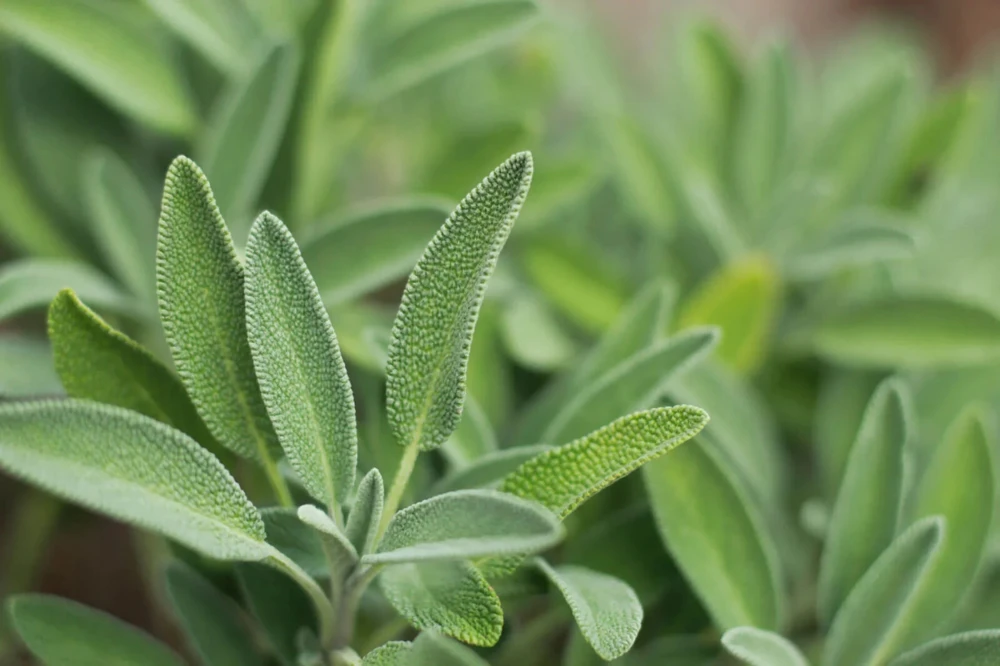
- Attractive Garden Addition: With its bushy growth habit and soft, silvery-green leaves, sage is an ornamental plant that can enhance the beauty of herb beds, rock gardens, or container arrangements.
- Easy to Grow: Sage is known for its resilience and relatively low maintenance, making it an excellent choice for beginners and experienced gardeners alike. It tolerates various soil conditions and is drought-resistant once established.
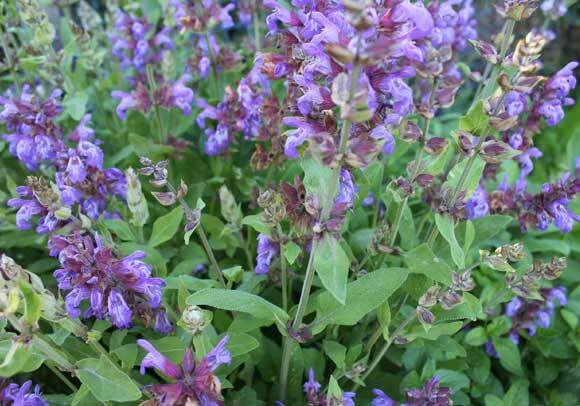
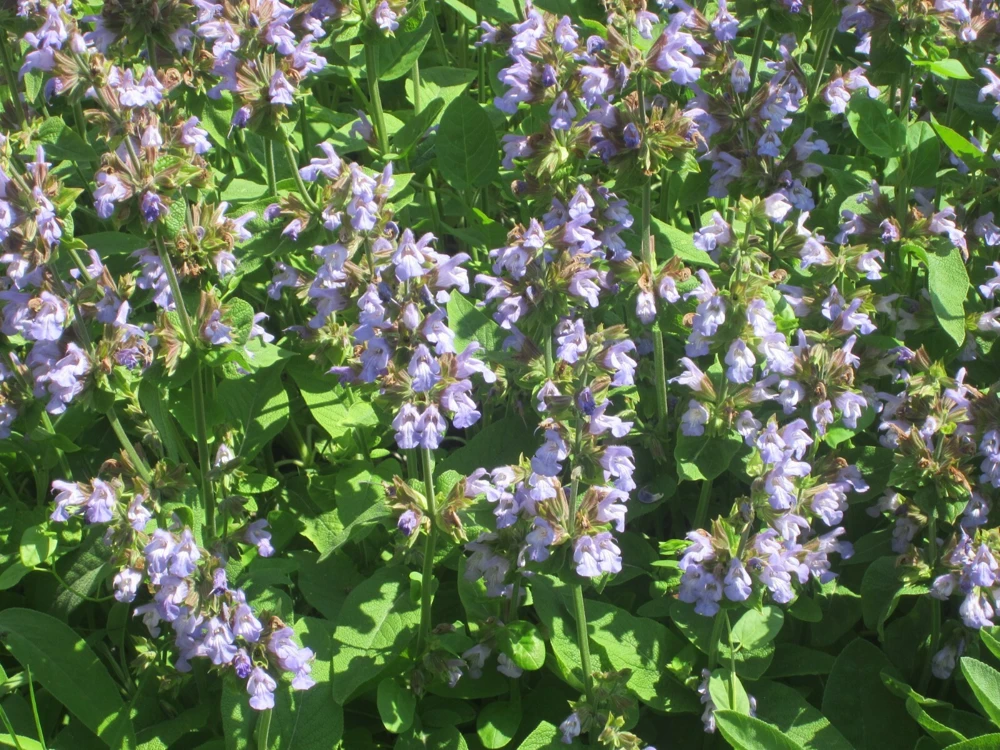
- Pollinator Friendly: Sage plants often produce small, attractive flowers that are appealing to bees and other beneficial pollinators, contributing to the health of your local ecosystem.
- Health & Wellness: Beyond its culinary uses, sage has a long history in traditional medicine for its potential anti-inflammatory and antioxidant properties.
Plant Care & Growing Tips
Growing Italian Sage seeds is a rewarding experience, especially with the right care. This hardy perennial thrives with minimal fuss, making it an ideal choice for both novice and experienced gardeners. For successful germination, sow seeds indoors 12 weeks before the last frost, or directly outdoors after the danger of frost has passed. Ensure a soil temperature of around 65-70°F (18-21°C) for optimal sprouting. Lightly cover the seeds with about 1/8 inch of fine soil and keep consistently moist until germination, which typically takes 10-21 days.
Once established, sage prefers a location with Full Sun, meaning at least 6 hours of direct sunlight per day. Good air circulation is also beneficial to prevent fungal issues. Sage is not particular about soil type but thrives in well-draining soil with a pH between 6.0 and 7.0, such as a mix of loam, peat, and sand. Avoid heavy, waterlogged soils. Watering should be medium; allow the soil to dry out slightly between waterings to prevent root rot. Sage is quite drought-tolerant once mature. For optimal growth, fertilize sparingly with a balanced organic fertilizer once or twice during the growing season. Prune regularly to encourage bushy growth and prevent the plant from becoming leggy. Sage is remarkably easy to cultivate and rarely suffers from serious pest or disease problems.
This perennial herb is suited for USDA Hardiness Zones 4-9, making it adaptable to a wide range of climates across the US. It can be grown both indoors and outdoors. If growing indoors, ensure it receives ample sunlight from a south-facing window or under grow lights. For those wondering how to grow sage from seed, patience and consistent moisture during germination are key. Once seedlings are strong enough, transplant them to their final location, spacing them about 18-24 inches apart. Regular harvesting of leaves will also promote new growth and a healthier plant.
Size & Details
These Italian Sage seeds will grow into robust, bushy perennial plants, typically reaching a mature height of 18-30 inches and a similar spread. The growth habit is dense and bushy, making it an excellent choice for filling out garden beds or large containers. Each packet contains high-quality herb seeds, ready for planting. Sage plants are known for their moderate growth rate, establishing themselves well within the first season and becoming more prolific in subsequent years. They will provide a continuous harvest of aromatic green leaves throughout the growing seasons.
Sage is a versatile plant, offering year-round interest from Fall to Spring, Summer, and Winter in suitable climates. The leaves are typically a soft, velvety green. The seeds are packaged to ensure viability and are ready for planting upon arrival. Expect a full-sized, productive plant within one to two growing seasons, providing ample fresh sage for all your culinary and aromatic needs. These seeds are ideal for anyone looking to add the authentic flavor of kitchen sage seeds to their home garden.
Frequently Asked Questions
- Q: How big does Italian Sage get? A: Italian Sage typically grows to a height of 18-30 inches (45-75 cm) and can spread similarly, forming a bushy, rounded plant. Its size can be managed with regular pruning.
- Q: Is this an indoor or outdoor plant? A: Italian Sage is highly versatile and can be grown both indoors and outdoors. Outdoors, it thrives in USDA Zones 4-9. Indoors, ensure it receives plenty of sunlight.
- Q: How much sunlight does Italian Sage need? A: For optimal growth and flavor, Italian Sage requires full sun, meaning at least 6 hours of direct sunlight per day. If growing indoors, a south-facing window or supplemental grow light is recommended.
- Q: Is Italian Sage easy to care for? A: Yes, Italian Sage is considered an easy-to-cultivate herb. It’s drought-tolerant once established and generally pest and disease resistant, making it suitable for beginner gardeners. These Italian Sage seeds are a great starting point for easy gardening.
- Q: Can I use Italian Sage in cooking? A: Absolutely! Italian Sage (Salvia Officinalis) is a staple culinary herb, perfect for seasoning meats, poultry, stuffings, sauces, and roasted vegetables. Growing your own kitchen sage seeds ensures the freshest flavor.
- Q: When is the best time to plant Italian Sage seeds? A: You can sow seeds indoors about 12 weeks before the last expected frost or directly outdoors after all danger of frost has passed in spring. They can also be planted in early fall in warmer climates.
- Q: What kind of soil does Italian Sage prefer? A: Italian Sage thrives in well-draining soil with a pH between 6.0 and 7.0. A mix of loam, peat, and sand is ideal. Avoid heavy, waterlogged soils to prevent root rot.
- Q: How often should I water my Italian Sage plant? A: Water moderately, allowing the soil to dry out slightly between waterings. Sage is drought-tolerant once mature, so overwatering is more detrimental than underwatering.
- Q: Will Italian Sage survive winter in my zone? A: Italian Sage is perennial in USDA Hardiness Zones 4-9. In colder zones, it may die back to the ground but often re-emerges in spring. In very cold zones, consider mulching or growing in containers to bring indoors.
- Q: What condition will the Italian Sage seeds arrive in? A: The Salvia Officinalis seeds will arrive as high-quality, viable seeds, carefully packaged to ensure their integrity and readiness for planting upon delivery.
| Seed Amount | 100 Seeds, 1500 Seeds Or 1/2 Oz, 25 Seeds, 3000 Seeds Or 1 Oz, 375 Seeds Or 1/8 Oz, 50 Seeds, 750 Seeds Or 1/4 Oz |
|---|
Be the first to review “Italian Sage Seeds – Salvia Officinalis Herb Seeds for Garden & Kitchen”
Related products


Herb Seeds
Munstead Lavender Seeds – 200 English Lavandula Angustifolia Fragrant Purple Flower Herb Seeds

Herb Seeds
Great Saint John’s Wort Seeds – Hypericum Pyramidatum – 1500 Count – Yellow Flower Herb – Zones 2-10


You May Like
5 Best Bulbs for Fall Planting: Brighten Your Garden This Spring
Are you dreaming of a garden full of vibrant colors in the spring? The key [...]
Aug
How to Repot Houseplants Like a Pro
Do your houseplants look like they’ve outgrown their pots? Are their roots popping out of [...]
Aug
10 Houseplants That Will Thrive in Your Kitchen
Are you tired of your kitchen feeling dull and lifeless? Want to add a little [...]
Aug
Reviews
There are no reviews yet.