


Purple Wood Mint Seeds – Blephilia Ciliata Flower Seeds – 200 Seeds, Zones 4-8
Original price was: 32.99 $.12.99 $Current price is: 12.99 $.
Cultivate vibrant purple blooms with our purple wood mint seeds. These Blephilia Ciliata seeds grow into resilient plants, ideal for attracting pollinators like butterflies and bees. Enjoy their fragrant, deer and rabbit-resistant foliage in sun to part shade conditions.
Estimated arrival
Sep 18
Sep 23 - Sep 25
Sep 25 - Sep 30
See our Shipping Policy.
Get in touch with us via email, and our team will review your concerns.
Our Alive & Thrive Guarantee covers issues with your plants within the first 30 days. Read our Refund & Returns Policy.
-
USDA Hardiness Zone
4 - 8 -
Soil Type
Average, well-draining soil (tolerates clay & gravel) -
Sunlight Exposure
Sun - Part Shade -
Expected Planting Period
Fall sow or cold stratify for Spring planting
Overview
Discover the charm of growing your own purple wood mint seeds, scientifically known as Blephilia Ciliata. This delightful native perennial, also called downy pagoda horsemint or Ohio Horsemint, offers a unique blend of beauty and resilience to any garden. Each packet contains 200 high-quality seeds, ready to transform your outdoor space into a haven for beneficial insects. The Purple Wood Mint is characterized by its fuzzy stems and dense clusters of beautiful purple flowers, typically 2-3 inches long, that bloom from June through August. This plant is not only visually appealing but also a fantastic choice for supporting local ecosystems, as it actively attracts butterflies, bumble bees, and honey bees. Unlike some other mint varieties, Blephilia Ciliata is less aggressive, making it a well-behaved addition to perennial borders, herb gardens, or naturalized areas.
Growing from wood mint flower seeds allows you to experience the full life cycle of this fascinating plant. It’s a particularly rewarding experience for gardeners looking to enhance biodiversity and enjoy a low-maintenance yet impactful floral display. The fragrant foliage is an added bonus, contributing a pleasant aroma to your garden space, while also deterring deer and rabbits. Whether you’re an experienced horticulturist or a budding enthusiast, these purple wood mint seeds provide an excellent opportunity to cultivate a plant that is both environmentally valuable and aesthetically pleasing. Its adaptability to various soil types, including clay and gravel, further solidifies its reputation as a robust and easy-to-grow option for many garden settings.
Key Benefits
The Purple Wood Mint offers a multitude of benefits, making it an exceptional choice for a diverse range of garden designs and ecological purposes. Planting purple wood mint seeds enriches your garden with natural beauty and ecological value.
- Pollinator Magnet: These plants are renowned for their ability to attract a wide array of pollinators, including butterflies, bumble bees, and honey bees. By planting Blephilia Ciliata seeds, you contribute directly to supporting local insect populations, which are vital for ecosystem health and the pollination of other plants in your garden.
- Deer and Rabbit Resistant: Enjoy your garden without the worry of common garden pests. The fragrant foliage of Purple Wood Mint naturally deters deer and rabbits, ensuring your plants remain untouched and vibrant throughout the growing season.
- Drought Tolerant: Once established, Purple Wood Mint exhibits impressive drought tolerance, requiring less frequent watering than many other mint varieties. This makes it an excellent choice for xeriscaping or gardens in regions with limited water resources.
- Adaptable to Various Soils: This resilient plant thrives in a wide range of soil conditions, including average garden soil, clay, and even gravel. This versatility means you can incorporate downy pagoda horsemint into almost any part of your landscape.
- Native US Plant: As a native species to the US, Purple Wood Mint is well-suited to the local climate and environment. Growing native plants promotes regional biodiversity and contributes to a healthier, more balanced ecosystem.
- Fragrant Foliage: The leaves of the Purple Wood Mint emit a pleasant, minty fragrance, adding an aromatic dimension to your garden. This natural scent is enjoyable for humans and acts as a deterrent for unwanted animals.
- Less Aggressive Spreader: Unlike some other mints, Blephilia Ciliata is less aggressive in its spreading habit, maintaining a more upright and contained growth. This characteristic makes it easier to manage and integrate into mixed plantings without it overtaking other species.
Plant Care & Growing Tips
Cultivating Purple Wood Mint from purple wood mint seeds is a straightforward and rewarding endeavor. To ensure successful germination and robust plant growth, proper care and attention to its environmental needs are crucial. The seeds can be fall-sown directly into the garden or cold stratified indoors before spring planting. Cold stratification mimics winter conditions, breaking seed dormancy and encouraging germination. Simply place the seeds in a moist medium (like sand or peat moss) in a sealed bag and refrigerate for 30-60 days before planting.
When it comes to light requirements, Purple Wood Mint thrives in locations that receive either full sun or partial shade. Full sun encourages denser blooming, while partial shade can be beneficial in hotter climates to prevent scorching. The ideal soil for blephilia ciliata seeds is average garden soil with good drainage. While it tolerates various soil types, including clay and gravel, ensuring adequate drainage will prevent root rot. Maintain consistent moisture during the germination period and while the plants are establishing. Once mature, Purple Wood Mint becomes more drought tolerant, requiring less frequent watering. It is hardy in USDA Zones 4 through 8, making it suitable for a wide range of climates across the United States. Fertilization is generally not heavily required in average garden soils; however, a light application of a balanced slow-release fertilizer in spring can encourage vigorous growth.
Regarding spacing, mature plants should be spaced approximately 12-15 inches apart to allow for proper air circulation and growth. The plants typically reach a height of 12-24 inches, forming an upright habit. Watch out for common garden pests, though its deer and rabbit resistance makes it less prone to these. Keeping the area free of weeds will also help the young wood mint flower seeds establish without competition. With these simple care guidelines, you’ll be able to enjoy a thriving patch of Purple Wood Mint, bringing beauty and beneficial insects to your garden.
Size & Details
This offering includes 200 Purple Wood Mint seeds, providing ample opportunity to establish a beautiful patch of this native perennial. These blephilia ciliata seeds will grow into plants that typically reach a height of 12 to 24 inches, showcasing an upright growth habit. For optimal development, mature plants should be spaced 12 to 15 inches apart. The bloom time for Purple Wood Mint generally occurs from June to August, offering a prolonged period of lovely purple flowers that are highly attractive to pollinators. The plants are hardy in USDA Zones 4 through 8, indicating their suitability for a broad range of temperate climates. Planting these seeds allows you to cultivate a beneficial herb that is less aggressive than many other mint varieties, making it a manageable and welcome addition to various garden designs. Expect to see germination after proper stratification and planting, with established plants providing a fragrant and visually appealing presence.
Frequently Asked Questions
- Q: How big does Purple Wood Mint get, and what is its spacing requirement? A: Purple Wood Mint plants typically grow 12 to 24 inches tall. For healthy development and good air circulation, they should be spaced 12 to 15 inches apart, allowing each plant to reach its full potential.
- Q: Is this an indoor or outdoor plant, and how much sunlight does it need? A: Purple Wood Mint is primarily an outdoor plant, thriving in garden settings. It prefers full sun to partial shade, meaning it needs at least 6 hours of direct sunlight daily for full sun, or 3-6 hours for partial shade.
- Q: Is this plant easy to care for, and is it good for beginners? A: Yes, Purple Wood Mint is relatively easy to care for, especially once established. Its drought tolerance and adaptability to various soil types make it a good choice for beginner gardeners looking for a resilient and low-maintenance plant.
- Q: How many purple wood mint seeds are included in this packet? A: Each packet contains 200 high-quality purple wood mint seeds, providing a generous quantity for planting a significant area or for multiple planting seasons.
- Q: When is the best time to plant downy pagoda horsemint seeds? A: You can fall sow the seeds directly outdoors, allowing nature to provide the cold stratification. Alternatively, you can cold stratify them indoors for 30-60 days in your refrigerator and plant them in the spring after the last frost.
- Q: Will Purple Wood Mint attract pollinators to my garden? A: Absolutely! Purple Wood Mint is an excellent pollinator plant, known for attracting butterflies, bumble bees, and honey bees. Planting these wood mint flower seeds will significantly boost the biodiversity of your garden.
- Q: Is Purple Wood Mint resistant to deer and rabbits? A: Yes, the fragrant foliage of Purple Wood Mint acts as a natural deterrent to both deer and rabbits, making it a great choice for gardens where these animals are a concern.
- Q: What kind of soil does Purple Wood Mint prefer? A: Purple Wood Mint is quite adaptable and will grow well in average, well-draining soil. It can tolerate a range of soil types, including clay and gravel, making it versatile for many garden conditions.
- Q: What USDA hardiness zones is Purple Wood Mint suitable for? A: This plant is cold hardy in USDA Zones 4 through 8, indicating its ability to withstand winter temperatures in a broad range of climates across the United States.
- Q: How long until the Purple Wood Mint plants bloom from seed? A: While germination time varies, established plants typically begin to bloom from June through August in their first or second year, providing beautiful purple flowers throughout the summer months.
Be the first to review “Purple Wood Mint Seeds – Blephilia Ciliata Flower Seeds – 200 Seeds, Zones 4-8”
Related products

Herb Seeds
Great Saint John’s Wort Seeds – Hypericum Pyramidatum – 1500 Count – Yellow Flower Herb – Zones 2-10


Herb Seeds
500 English Lavender Vera Seeds – Lavandula Angustifolia – Fragrant Purple Flower Herb – Outdoor


Herb Seeds
10 Mouse Garlic Allium Angulosum Wild Garlic Pink Flower Herb Seeds Pink Flowers Zones 4-8

You May Like
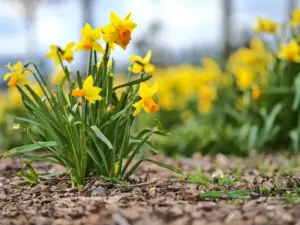
5 Best Bulbs for Fall Planting: Brighten Your Garden This Spring
Are you dreaming of a garden full of vibrant colors in the spring? The key [...]
Aug
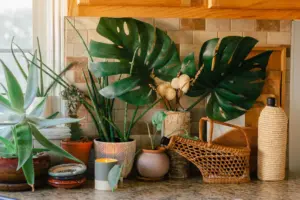
How to Repot Houseplants Like a Pro
Do your houseplants look like they’ve outgrown their pots? Are their roots popping out of [...]
Aug
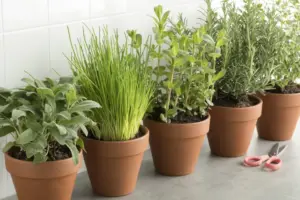
10 Houseplants That Will Thrive in Your Kitchen
Are you tired of your kitchen feeling dull and lifeless? Want to add a little [...]
Aug
Reviews
There are no reviews yet.