
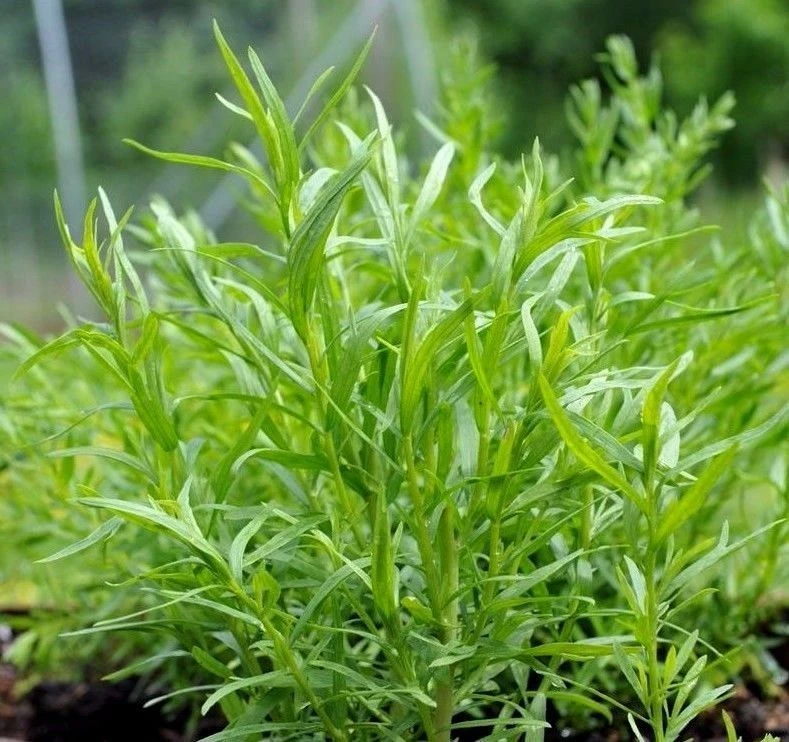
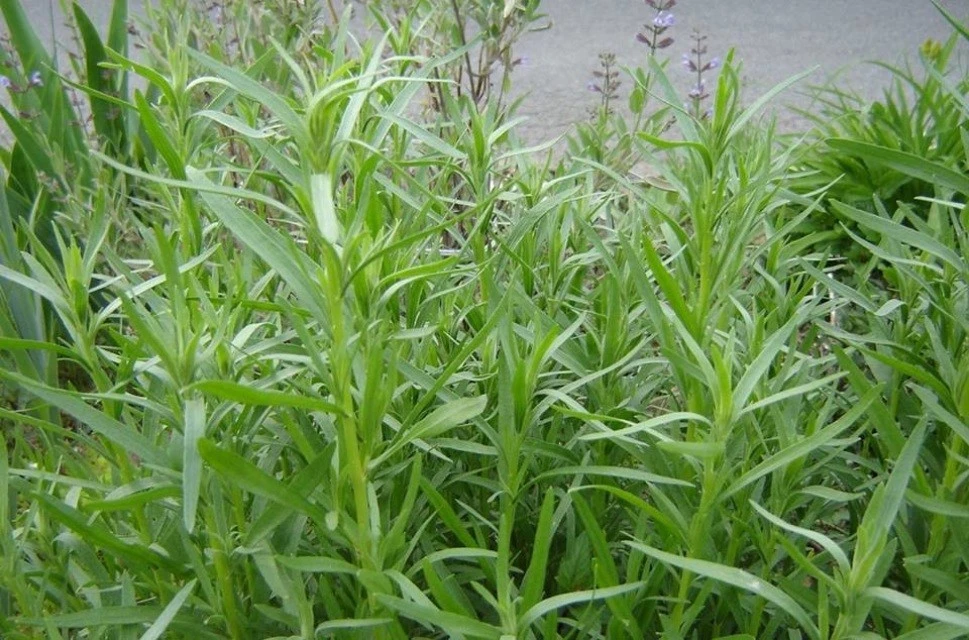
Russian Tarragon Herb Seeds – Dragon Wort Perennial Herb Seeds Outdoor
From 10.77 $
Cultivate your own flavorful russian tarragon herb seeds, also known as dragon wort seeds. These perennial herb seeds are perfect for outdoor gardens, offering a unique anise-like flavor for culinary dishes and vigorous growth. Enjoy fresh tarragon season after season with moderate care.
Estimated arrival
Sep 19
Sep 24 - Sep 26
Sep 26 - Oct 01
See our Shipping Policy.
Get in touch with us via email, and our team will review your concerns.
Our Alive & Thrive Guarantee covers issues with your plants within the first 30 days. Read our Refund & Returns Policy.
-
USDA Hardiness Zone
Zones 4-12 -
Soil Type
Loam, Peat, Sand -
Sunlight Exposure
Full Sun -
Expected Planting Period
Spring to Early Summer
Overview
Embark on a rewarding gardening journey by planting russian tarragon herb seeds. This esteemed perennial herb, scientifically known as Artemisia dracunculus, is also commonly referred to as dragon wort seeds or Little Dragon. Unlike its French counterpart, Russian Tarragon is known for its hardiness, vigorous growth, and ability to thrive in a wider range of climates, making it an excellent choice for gardeners across many USDA zones. These seeds offer a cost-effective and satisfying way to establish a robust tarragon patch that will produce fresh, aromatic leaves for years to come. Ideal for culinary enthusiasts and those seeking a low-maintenance yet productive herb garden, growing tarragon from seed provides the foundation for a resilient and flavorful addition to your outdoor space.
Our russian tarragon herb seeds are carefully selected to ensure high germination rates and strong, healthy plants. This variety of tarragon is celebrated for its slightly more robust flavor profile, making it a versatile ingredient in various cuisines. Whether you’re a seasoned gardener or just starting out, cultivating perennial herb seeds like Russian Tarragon is a rewarding experience that connects you directly to the source of your food. Enjoy the satisfaction of harvesting your own fresh herbs, knowing they were grown with care from seed.
Key Benefits
Planting russian tarragon herb seeds brings a multitude of advantages to your garden and kitchen. This resilient herb is not only easy to grow but also offers a continuous supply of fresh, flavorful leaves throughout the growing season. Its robust nature makes it a reliable choice for gardeners.
- Hardy Perennial: Once established, Russian Tarragon returns year after year, providing a consistent harvest without the need for annual replanting. This makes it a sustainable and enduring choice for your herb garden.
- Vigorous Growth: Known for its strong growth habit, Russian Tarragon quickly establishes itself, filling out garden beds or containers with lush, green foliage. This ensures a plentiful supply of leaves for all your culinary needs.
- Culinary Versatility: The distinctive anise-like flavor of tarragon is a staple in French cuisine and beyond. Use fresh leaves in sauces, vinegars, poultry dishes, fish, and salads to elevate your cooking.
- Adaptable to Various Climates: Thriving in USDA Hardiness Zones 4-12, this herb is highly adaptable, making it suitable for a broad range of environmental conditions across the United States.
- Low Maintenance: After initial establishment, Russian Tarragon requires minimal care, primarily needing consistent watering and occasional pruning to encourage bushier growth. This makes growing tarragon from seed an accessible project for gardeners of all skill levels.
- Attracts Beneficial Insects: The plant’s small, yellow-green flowers can attract pollinators and beneficial insects to your garden, contributing to a healthy ecosystem.
- Medicinal Properties: Historically, tarragon has been used in traditional remedies for various ailments, adding another layer of value to these perennial herb seeds.
Plant Care & Growing Tips
Successful cultivation of russian tarragon herb seeds begins with understanding its basic needs. This hardy perennial thrives in full sun, requiring at least 6 hours of direct sunlight per day to achieve optimal growth and flavor development. While it can tolerate some partial shade, too little sun may result in leggy growth and reduced aromatic intensity. Ensure your planting location offers ample light for these dragon wort seeds to flourish.
When it comes to soil, Russian Tarragon prefers well-draining soil with a pH between 6.6 and 7.5. A mixture of loam, peat, and sand provides the ideal conditions, preventing waterlogging which can lead to root rot. Good drainage is crucial for its health. Watering should be light and consistent, allowing the soil to dry out slightly between waterings. Overwatering is a common mistake that can harm this herb. In terms of temperature, Russian Tarragon is quite resilient, thriving in temperate climates and hardy in USDA Zones 4-12. Fertilization is generally not heavily required; a balanced, slow-release fertilizer applied in spring can support vigorous growth. Watch out for common pests like aphids, though Russian Tarragon is generally pest-resistant. Pruning regularly encourages bushier growth and prevents the plant from becoming woody.
Growing tarragon from seed typically begins with sowing indoors about 6-8 weeks before the last frost, or directly outdoors after all danger of frost has passed. Seeds should be sown shallowly, as they require light to germinate. Germination can take up to 2-3 weeks. Once seedlings are established, thin them to about 12-18 inches apart to allow for proper air circulation and growth. These artemisia dracunculus seeds will develop into robust plants with proper care, providing you with fresh herbs for many seasons.
Size & Details
These russian tarragon herb seeds will mature into plants that typically reach a height of 24-36 inches (60-90 cm) and a similar spread, forming a bushy, upright habit. The growth habit is described as climbing, though it’s more accurately a vigorous, upright grower that can sometimes sprawl if not pruned. The leaves are slender, lance-shaped, and a vibrant green, with small, inconspicuous yellow flowers appearing in late summer or fall. This perennial herb has a moderate cultivating difficulty, making it suitable for gardeners with some experience or enthusiastic beginners. The life cycle is perennial, meaning it will return each year from its rootstock.
You will receive a quantity of high-quality perennial herb seeds, ready for planting. The ideal planting time is typically in the spring, after the last frost, for outdoor sowing, or earlier for indoor starting. Expect to see vigorous growth throughout the spring and summer seasons, with interest extending into the fall. The plant’s hardiness ensures it can withstand a range of conditions, making it a reliable addition to your garden. These dragon wort seeds are an excellent investment for a long-lasting and productive herb patch.
Frequently Asked Questions
- Q: How big does this plant get? A: Mature Russian Tarragon plants typically reach a height of 24-36 inches (60-90 cm) and can spread similarly, forming a dense, bushy perennial. Regular harvesting and pruning can help manage its size and encourage new growth.
- Q: Is this an indoor or outdoor plant? A: Russian Tarragon is primarily an outdoor plant, thriving in full sun and well-draining soil in garden beds. While it can be grown in containers, it generally performs best when planted directly in the ground, especially when starting from russian tarragon herb seeds.
- Q: How much sunlight does it need? A: For optimal growth and flavor, Russian Tarragon requires full sun, meaning at least 6 hours of direct sunlight per day. Adequate sunlight is crucial for developing the characteristic aroma and taste of these perennial herb seeds.
- Q: Is this plant easy to care for? A: Russian Tarragon is considered to have moderate cultivating difficulty. Once established from growing tarragon from seed, it is relatively low-maintenance, requiring well-draining soil, consistent watering, and occasional pruning.
- Q: What condition will it arrive in? A: You will receive a packet of high-quality artemisia dracunculus seeds, ready for you to sow. The seeds are carefully packaged to ensure their viability upon arrival, providing a fresh start for your herb garden.
- Q: Can I use Russian Tarragon in cooking? A: Absolutely! Russian Tarragon is a versatile culinary herb with a distinct anise-like flavor, though often milder than French tarragon. It’s excellent in poultry, fish, egg dishes, vinegars, and sauces, making these dragon wort seeds a flavorful addition to your kitchen.
- Q: How long until it blooms? A: While Russian Tarragon is grown primarily for its leaves, it typically produces small, yellow-green flowers in late summer to early fall. The focus for these russian tarragon herb seeds is on foliage production for culinary use.
- Q: Will it survive winter in my zone? A: Russian Tarragon is very hardy and can survive winters in USDA Hardiness Zones 4-12. In colder zones, the plant will die back to the ground but will re-emerge in spring from its established root system.
- Q: What’s the minimum temperature it can tolerate? A: This herb is hardy down to approximately -30°F (-34°C), making it suitable for a wide range of climates and resilient against cold temperatures, a testament to the strength of these artemisia dracunculus seeds.
| Seed Amount | 1400 Seeds, 14K Seeds Or 2 Grams, 200K Seeds Or 1 Oz, 25K Seeds Or 1/8 Oz, 3500 Seeds Or 1/2 Gram, 50K Seeds Or 1/4 Oz, 7000 Seeds Or 1 Gram |
|---|
Be the first to review “Russian Tarragon Herb Seeds – Dragon Wort Perennial Herb Seeds Outdoor”
Related products


Herb Seeds
Munstead Lavender Seeds – 200 English Lavandula Angustifolia Fragrant Purple Flower Herb Seeds


Herb Seeds
Great Saint John’s Wort Seeds – Hypericum Pyramidatum – 1500 Count – Yellow Flower Herb – Zones 2-10

Herb Seeds
10 Mouse Garlic Allium Angulosum Wild Garlic Pink Flower Herb Seeds Pink Flowers Zones 4-8
You May Like
5 Best Bulbs for Fall Planting: Brighten Your Garden This Spring
Are you dreaming of a garden full of vibrant colors in the spring? The key [...]
Aug
How to Repot Houseplants Like a Pro
Do your houseplants look like they’ve outgrown their pots? Are their roots popping out of [...]
Aug
10 Houseplants That Will Thrive in Your Kitchen
Are you tired of your kitchen feeling dull and lifeless? Want to add a little [...]
Aug
Reviews
There are no reviews yet.