
Sugar Baby Watermelon Seeds – Icebox Variety, Compact Fruit Seeds, Outdoor
From 10.77 $
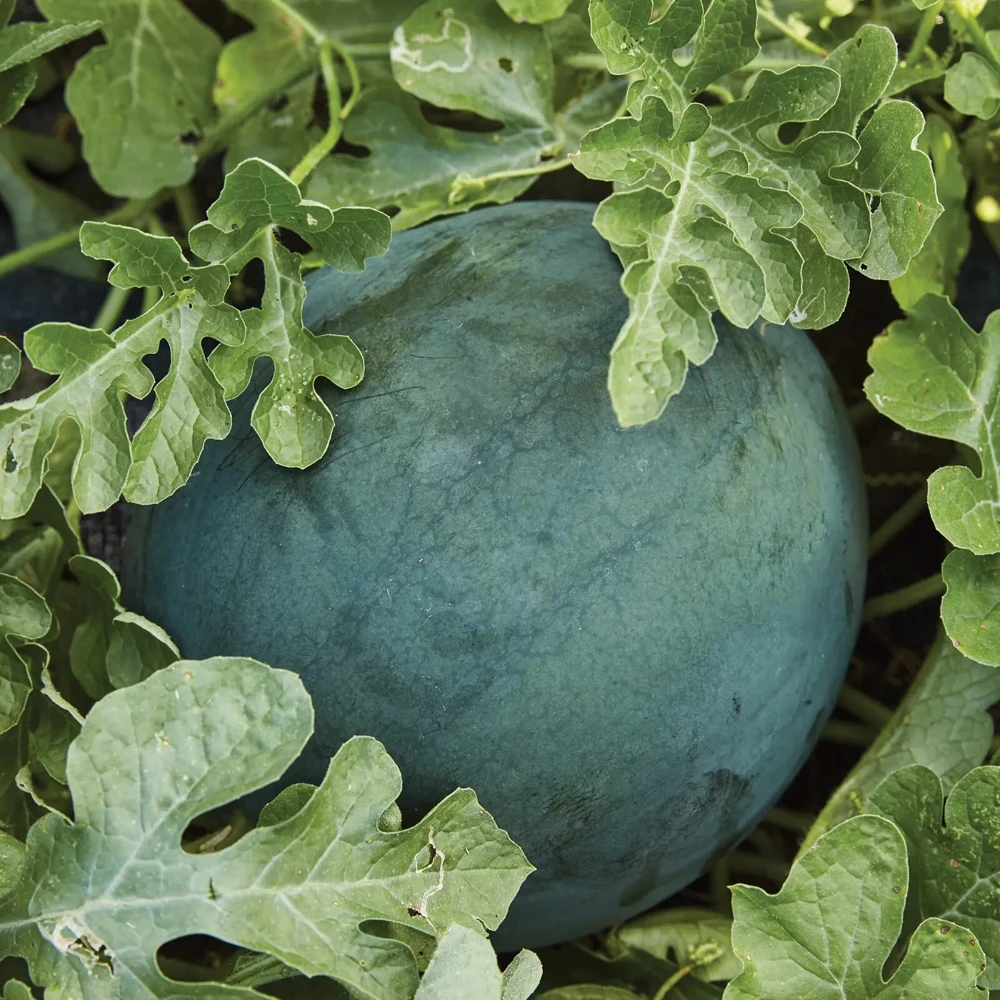
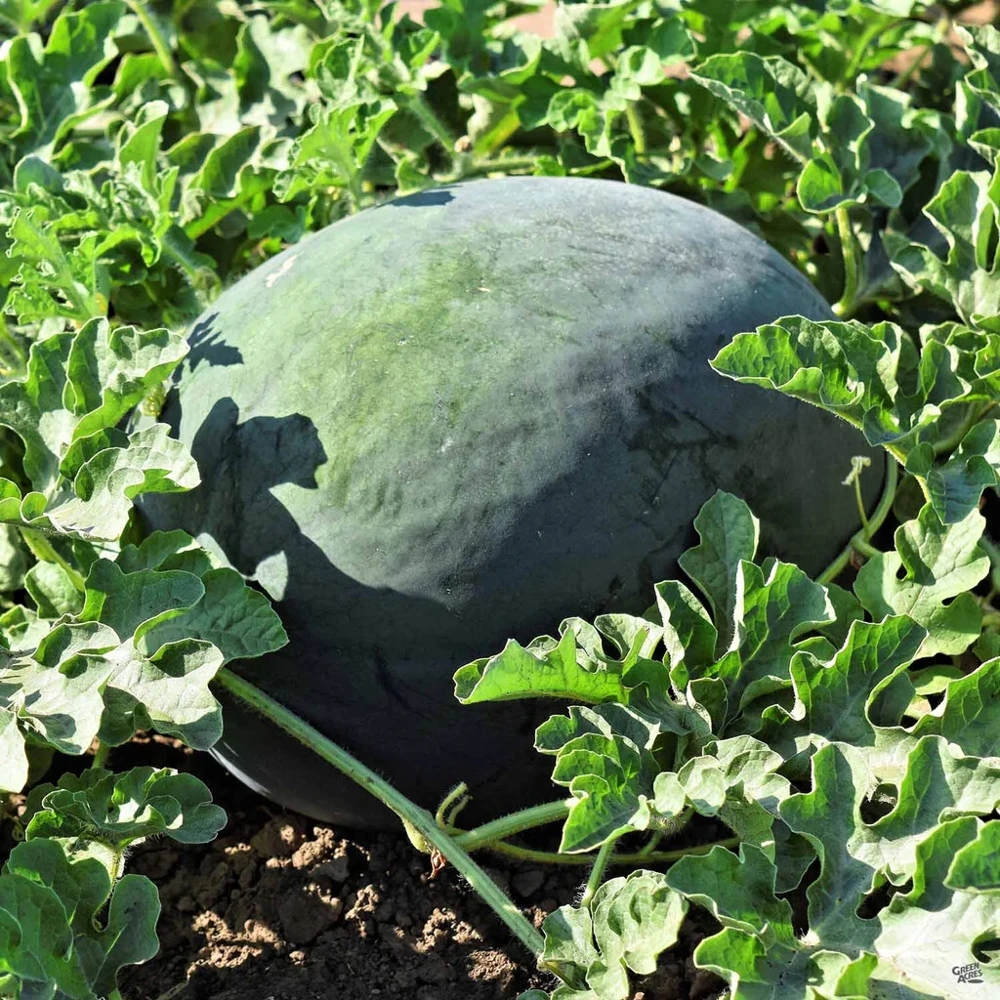
Cultivate your own sweet and juicy Sugar Baby Watermelon seeds, an ideal icebox variety for smaller spaces. These compact watermelon seeds are perfect for home gardens, producing delicious fruit with dark green rinds and medium red flesh. Enjoy easy growing and a bountiful harvest.
Estimated arrival
Sep 18
Sep 23 - Sep 25
Sep 25 - Sep 30
See our Shipping Policy.
Get in touch with us via email, and our team will review your concerns.
Our Alive & Thrive Guarantee covers issues with your plants within the first 30 days. Read our Refund & Returns Policy.
-
USDA Hardiness Zone
Zones 3-12 -
Soil Type
Loam, Sand, Well-Drained -
Sunlight Exposure
Full Sun -
Expected Planting Period
Spring to early summer (after last frost)
Overview
Embark on a rewarding gardening journey with Sugar Baby Watermelon seeds, the quintessential choice for home growers seeking a delightful and manageable fruit. This popular icebox variety is renowned for its compact size, making it an excellent option for gardens where space is at a premium, or for those who prefer individual-serving watermelons. Each seed promises the potential for a sweet, juicy, and refreshing treat, straight from your own backyard. Known botanically as Citrullus lanatus, the Sugar Baby Watermelon is an annual plant that thrives in warm climates, producing abundant fruit with minimal fuss. These compact watermelon seeds are incredibly easy to cultivate, offering a high success rate even for beginner gardeners. Get ready to enjoy the taste of summer with homegrown, perfectly sized watermelons.
The Sugar Baby Watermelon is a classic open-pollinated variety that has been a favorite for generations. Its name perfectly describes its attributes: ‘Sugar’ for its incredibly sweet, bright red flesh, and ‘Baby’ for its ideal personal or icebox size. Growing your own Citrullus lanatus seeds ensures you have access to fresh, pesticide-free fruit, bursting with natural sugars and hydration. Whether you’re an experienced gardener or just starting out, these seeds provide an accessible path to cultivating one of summer’s most beloved fruits, bringing joy and deliciousness to your table.
Key Benefits
Growing Sugar Baby Watermelon seeds offers a multitude of benefits, from the sheer joy of harvesting your own food to the exceptional quality of the fruit itself. These seeds are a fantastic investment for any gardener looking to add a touch of sweetness to their summer.
- Compact Growth Habit: The ‘icebox’ designation means these watermelons are much smaller than traditional varieties, typically weighing 6-10 pounds. This makes them perfect for smaller gardens, containers, or even raised beds, maximizing your yield in limited spaces.
- Exceptional Sweetness:Sugar Baby Watermelon lives up to its name, offering incredibly sweet and flavorful bright red flesh. It’s a delightful treat that’s often sweeter than store-bought alternatives, providing a superior taste experience.
- Easy to Grow: Known for their robust nature and adaptability, these compact watermelon seeds are considered easy to cultivate. They are a great choice for beginner gardeners looking to successfully grow fruit from seed, requiring basic care to flourish.
- High Yield Potential: Despite their compact size, Sugar Baby Watermelon plants are prolific producers, yielding several fruits per vine. This ensures a generous harvest for your family to enjoy throughout the summer season.
- Versatile Use: Perfect for snacking, desserts, salads, or refreshing drinks, these watermelons are incredibly versatile. Their convenient size also makes them easy to chill in an icebox or refrigerator, ready for any occasion.
- Nutrient-Rich Fruit: Watermelons are packed with vitamins A and C, and are an excellent source of hydration, making them a healthy and refreshing addition to your diet. Growing your own ensures peak freshness and nutrient content.
- Rewarding Gardening Experience: Watching your grow watermelon from seed and transform into a luscious fruit is an incredibly satisfying experience. It connects you to your food source and provides a sense of accomplishment.
Plant Care & Growing Tips
To successfully grow watermelon from seed, particularly the Sugar Baby Watermelon variety, providing the right conditions is key. These plants are annuals that thrive in warm weather and require ample sunlight and well-draining soil to produce sweet, abundant fruit. Start your seeds indoors 3-4 weeks before the last frost date in cooler climates, or sow directly outdoors once soil temperatures consistently reach 70°F (21°C) or higher. Plant seeds about 1 inch deep and 3-4 feet apart in rows, with rows spaced 6-8 feet apart to allow for proper vine growth. Thin seedlings to 1 plant every 3-4 feet once they have developed a few true leaves.
Sugar Baby Watermelon plants need full sun, meaning at least 6-8 hours of direct sunlight per day. They prefer a slightly acidic to neutral soil pH, ideally between 6.0 and 6.8. The soil should be fertile, sandy loam, or well-drained, and rich in organic matter. Incorporate compost or well-rotted manure into the planting bed before sowing. Consistent watering is crucial, especially during flowering and fruiting. Aim for deep watering 1-2 times per week, providing about 1-2 inches of water, and avoid overhead watering to prevent fungal diseases. Reduce watering as fruits mature to enhance sweetness. Fertilize with a balanced fertilizer when vines begin to run, and switch to a high-potassium fertilizer once fruits set. Protect young plants from pests like cucumber beetles and squash bugs, and consider using row covers if necessary. These Citrullus lanatus seeds will reward your efforts with delicious fruit in about 75-80 days from planting.
Size & Details
The Sugar Baby Watermelon is celebrated for its manageable size, making it an excellent choice for a variety of garden settings. The mature fruits typically weigh between 6 to 10 pounds, with a diameter of approximately 6 to 8 inches. This ‘icebox’ size is perfect for single servings or small families, and its compact nature makes it easy to store in a refrigerator. The vines themselves have a running growth habit, spreading approximately 6-8 feet, so ensure adequate space for them to sprawl. These compact watermelon seeds are shipped in a standard seed packet, containing enough seeds for multiple plantings or a generous harvest.
From planting to harvest, you can expect to enjoy your first ripe watermelons in about 75 to 80 days. The fruit features a dark green rind, often with faint stripes, and an intensely sweet, medium red flesh. Each plant is capable of producing several watermelons throughout the growing season, providing a continuous supply of refreshing treats. The seeds are annual, meaning they complete their life cycle within one season, but you can save seeds from your healthiest fruits for next year’s crop to continue enjoying your homegrown icebox watermelon seeds.
Frequently Asked Questions
- Q: How big do Sugar Baby Watermelons get? A: Sugar Baby Watermelon fruits typically grow to be 6-10 pounds and about 6-8 inches in diameter, making them ideal for an icebox or personal consumption. The vines have a running growth habit and can spread 6-8 feet.
- Q: Is this an indoor or outdoor plant? A: Sugar Baby Watermelon seeds are meant for outdoor cultivation. They require full sun and warm temperatures to thrive and produce fruit. They are not suitable for indoor growing.
- Q: How much sunlight does a Sugar Baby Watermelon plant need? A: These plants need at least 6-8 hours of direct sunlight per day to grow vigorously and produce sweet fruit. Full sun exposure is crucial for the best results when you grow watermelon from seed.
- Q: Is this plant easy to care for? A: Yes, Sugar Baby Watermelon is generally considered easy to care for, making it a great choice for beginner gardeners. Consistent watering, full sun, and well-draining soil are the primary requirements for these compact watermelon seeds.
- Q: What condition will the seeds arrive in? A: The Citrullus lanatus seeds will arrive in a protective seed packet, ensuring their viability and readiness for planting. They are carefully packaged to prevent damage during transit.
- Q: When is the best time to plant Sugar Baby Watermelon seeds? A: The best time to plant is after the last frost date when soil temperatures are consistently above 70°F (21°C). In cooler climates, you can start seeds indoors 3-4 weeks before transplanting outdoors.
- Q: What is the ideal USDA Hardiness Zone for Sugar Baby Watermelon? A: Sugar Baby Watermelon thrives in USDA Hardiness Zones 3-12, indicating its adaptability to a wide range of climates as long as warm growing conditions are met during the season.
- Q: Can I save seeds from my Sugar Baby Watermelon? A: Yes, as an open-pollinated variety, you can save seeds from your ripe Sugar Baby Watermelon fruits. Ensure the fruit is fully mature, then clean and dry the seeds thoroughly before storing them in a cool, dry place for next season’s planting.
| Seed Quantity | 100 Seeds Or 1/4 Oz, 15 Seeds Or 1 Gram, 1700 Seeds Or 1/4 Lb, 30 Seeds Or 2 Grams, 3400 Seeds Or 1/2 Lb, 425 Seeds Or 1 Oz, 50 Seeds Or 1/8 Oz, 6800 Seeds Or 1 Lb, 850 Seeds Or 2 Oz |
|---|
Be the first to review “Sugar Baby Watermelon Seeds – Icebox Variety, Compact Fruit Seeds, Outdoor”
Related products


You May Like

5 Best Bulbs for Fall Planting: Brighten Your Garden This Spring
Are you dreaming of a garden full of vibrant colors in the spring? The key [...]
Aug
How to Repot Houseplants Like a Pro
Do your houseplants look like they’ve outgrown their pots? Are their roots popping out of [...]
Aug
10 Houseplants That Will Thrive in Your Kitchen
Are you tired of your kitchen feeling dull and lifeless? Want to add a little [...]
Aug
Reviews
There are no reviews yet.