
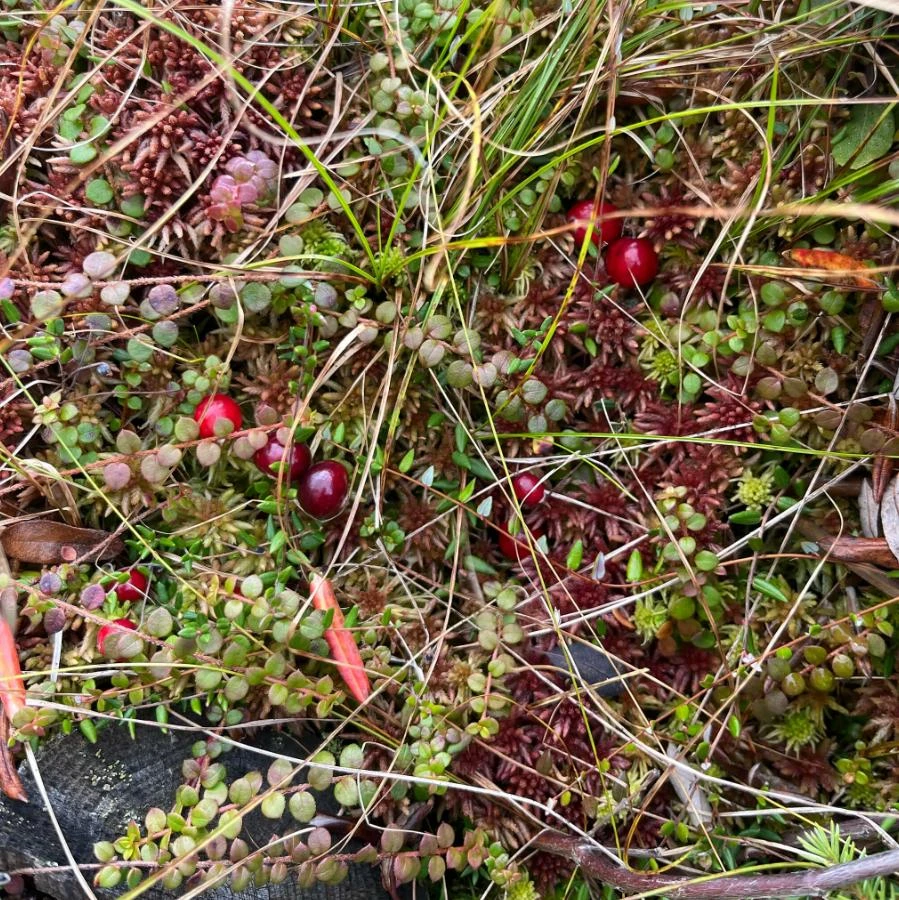
Live Cranberry Plant – Small Evergreen Groundcover Vine – Edible Tart Berries – 3-inch Pot
Original price was: 33.59 $.13.59 $Current price is: 13.59 $.
Cultivate your own tart, nutritious berries with this cranberry live plant. A small, cold-hardy evergreen groundcover, ideal for edible landscapes and wetland-style gardens, arriving in a 3-inch nursery pot.
Estimated arrival
Oct 19
Oct 24 - Oct 26
Oct 26 - Oct 31
See our Shipping Policy.
Get in touch with us via email, and our team will review your concerns.
Our Alive & Thrive Guarantee covers issues with your plants within the first 30 days. Read our Refund & Returns Policy.
-
USDA Hardiness Zone
USDA zones 2-7 -
Soil Type
Acidic, peat-rich, consistently moist soil -
Sunlight Exposure
Full sun -
Expected Planting Period
Spring to early summer
Overview
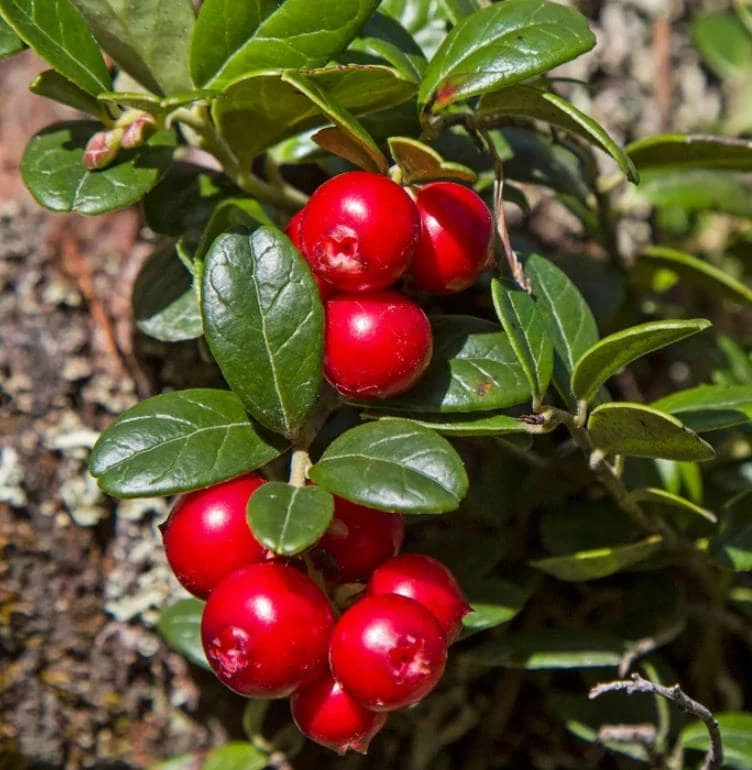
Introduce a classic, cold-hardy fruiting groundcover to your garden with this cranberry live plant. This small, potted American Cranberry (Vaccinium macrocarpon) is renowned for its vibrant red, tart berries and its distinctive low, spreading growth habit. Perfect for those looking to create an edible landscape, a wetland-style garden, or a natural groundcover, this plant offers both beauty and a bountiful harvest. Native to North America, the American cranberry plant is well-suited to cooler climates and will form dense, attractive mats of evergreen foliage that reliably produce delicious fruit once mature. It’s an excellent choice for a sustainable and productive garden.
This evergreen perennial vine thrives in full sun and requires consistently moist, acidic soil conditions to flourish. Whether you’re a seasoned gardener or just starting your edible garden journey, growing your own cranberry live plant is a rewarding experience, providing fresh, nutritious berries for years to come. Its robust nature makes it a fantastic addition, especially for gardeners in regions with cold winters, as it’s a truly cold hardy fruit plant.
Key Benefits
Adding a cranberry plant to your garden offers a multitude of advantages, from its aesthetic appeal to its practical uses. This versatile plant is not only a beautiful groundcover but also a source of nutritious fruit, making it a valuable asset to any landscape.
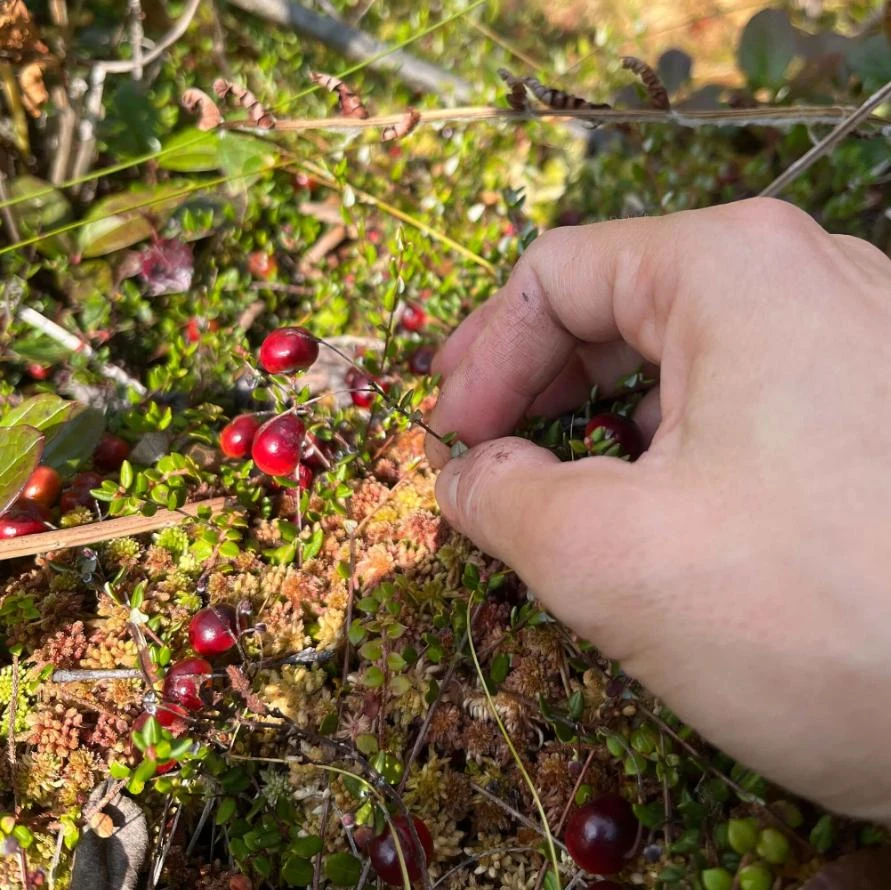
- Produces Edible Tart Berries: Enjoy a harvest of flavorful, bright red cranberries directly from your garden. These berries are excellent for cooking, baking, juices, and sauces, providing a healthy and delicious addition to your diet.
- Attractive Evergreen Groundcover: The low-growing, spreading habit of the cranberry groundcover creates a lush, green carpet throughout the year. Its dense foliage suppresses weeds and adds a natural, appealing look to your garden beds or slopes.
- Cold-Hardy and Resilient: Designed to withstand cooler climates, this plant is a cold hardy fruit plant, requiring minimal winter protection in many regions. Its resilience makes it a low-stress option for gardeners facing harsh winters.
- Ideal for Edible Landscapes: Integrate food production seamlessly into your ornamental garden design. The cranberry plant contributes to a functional and beautiful edible landscape, providing both visual interest and a food source.
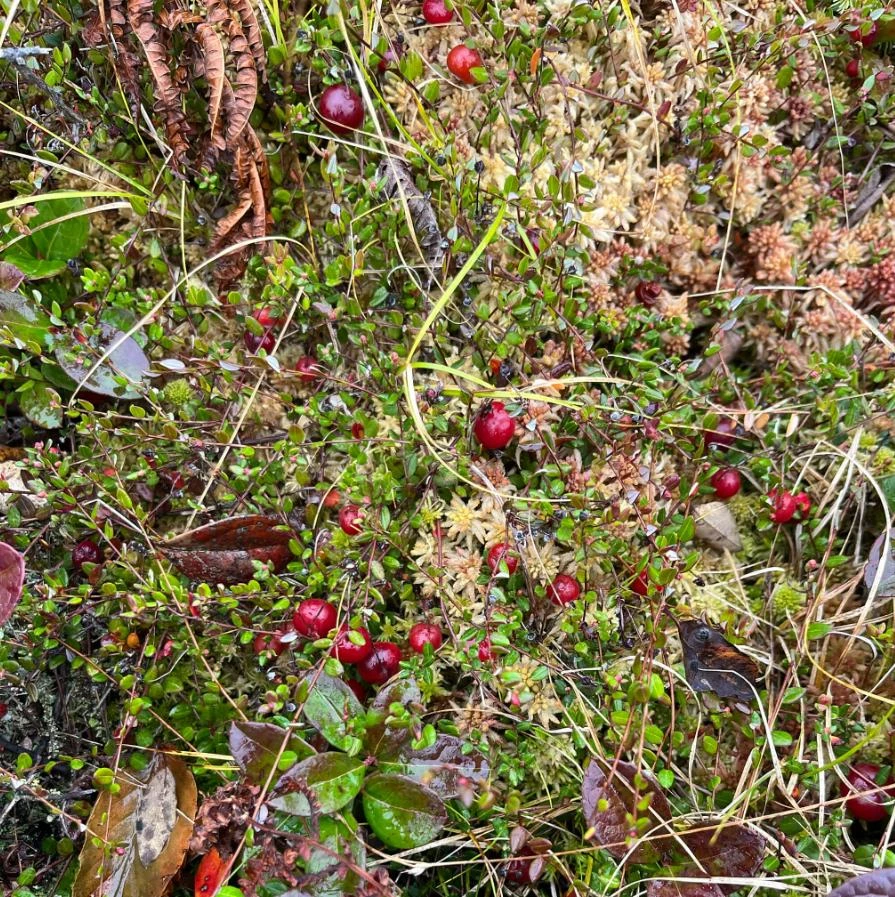
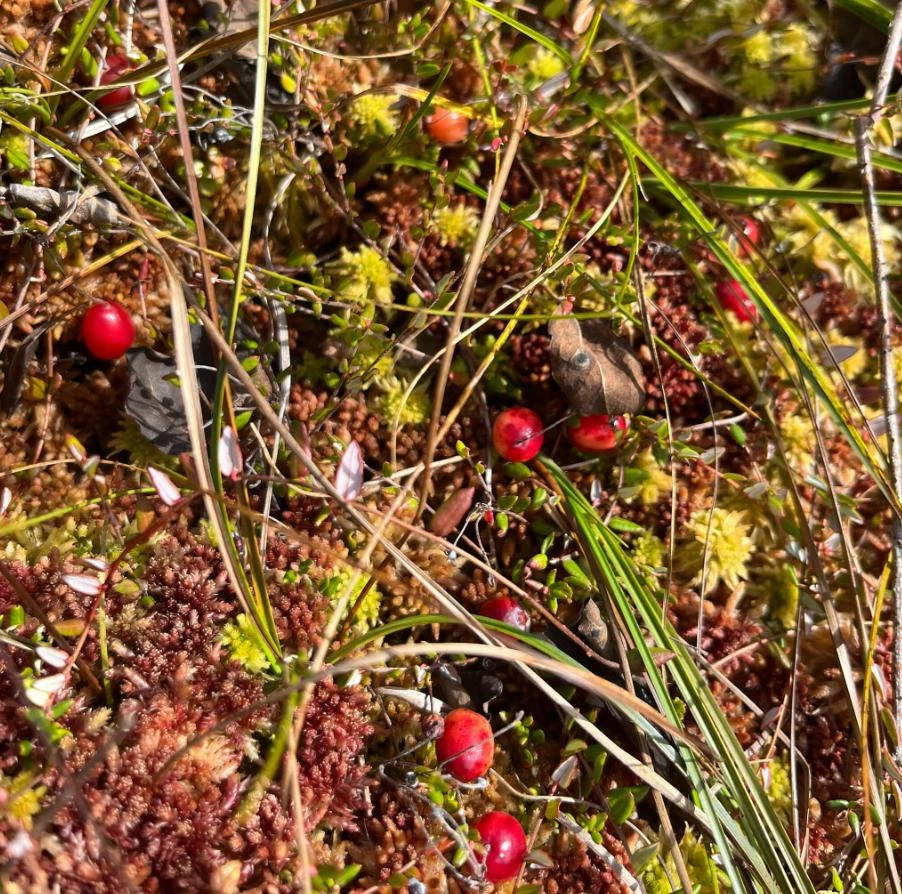
- Supports Wetland-Style Gardens: For areas with consistently moist or boggy conditions, the cranberry plant is a perfect fit. It thrives in these environments, making use of otherwise challenging garden spots.
- Low Maintenance Once Established: After its initial establishment, this cranberry live plant requires relatively little ongoing care. Minimal pruning is needed, primarily for shape or to control spread, allowing you more time to enjoy your garden.
- Botanical Interest: As Vaccinium macrocarpon, this plant offers an interesting botanical specimen for enthusiasts. Its unique growth habit and fruiting cycle provide educational value and a connection to nature.
Plant Care & Growing Tips
Caring for your cranberry live plant is straightforward, especially when you understand its specific needs for sunlight, moisture, and soil. Providing the right environment will ensure a healthy plant and abundant berry production. This plant thrives when its requirements are met, making it a rewarding addition to your garden.
For optimal growth, plant your cranberry in a location that receives full sun, meaning at least 6-8 hours of direct sunlight daily. The soil is crucial for cranberries; they demand consistently moist, acidic conditions. A peat-rich, well-draining yet moisture-retentive soil mix is ideal. Consider amending your soil with peat moss or other acidic composts to achieve the desired pH level. Keep the soil evenly moist at all times; cranberries naturally prefer wet or bog-like conditions and do not tolerate drying out. Regular watering is essential, especially during dry spells.
Fertilize lightly in early spring with a fertilizer specifically formulated for acid-loving plants. Avoid over-fertilization, as this can harm the plant. Pruning is generally minimal; trim to control spreading if necessary or to remove any dead or damaged vines. The American cranberry plant is very cold-hardy, typically requiring no special winter protection in most climates within its hardiness zones. However, in extremely harsh conditions or for young plants, a layer of mulch can provide extra insulation. Monitor for common garden pests and diseases, though cranberries are generally quite robust. Ensuring proper air circulation can help prevent fungal issues.
Size & Details
This offering is for one small cranberry live plant, shipped in an individual 3-inch nursery pot. The pot size is based on the root system, ensuring a healthy and established start for your plant. While the plant size at shipping is a small starter specimen, it is ready for transplanting into its permanent garden location. Photos may depict mature plants for illustrative purposes; your shipped plant will be smaller, allowing you to enjoy its growth and development over time. Expect this cranberry groundcover to develop into a spreading mat, typically reaching a height of 6-12 inches and spreading several feet wide once mature, producing berries after a few seasons of establishment.
The growth rate is moderate, and with proper care, you can anticipate your first significant berry harvest within 2-3 years. This plant is a perennial, meaning it will return year after year, providing long-term harvests of tart, nutritious berries. Its evergreen foliage ensures year-round interest in your garden. The small size at shipping makes it easy to handle and transplant, providing a flexible option for various garden designs.
Frequently Asked Questions
- Q: How big does this cranberry live plant get? A: This plant is a spreading groundcover, typically reaching a height of 6-12 inches and spreading several feet wide. Its low profile makes it excellent for covering large areas.
- Q: What size pot does it come in? A: Your cranberry plant will arrive in an individual 3-inch nursery pot, providing a healthy root system ready for transplanting into your garden.
- Q: Is this an indoor or outdoor plant? A: This is primarily an outdoor plant, suited for garden beds, edible landscapes, and wetland-style gardens. It requires full sun and specific soil conditions that are best met outdoors.
- Q: How much sunlight does it need? A: The American cranberry plant thrives in full sun, meaning it needs at least 6-8 hours of direct sunlight each day to produce the best fruit.
- Q: Is this plant easy to care for? A: Once established and its specific needs for moist, acidic soil and full sun are met, the cranberry plant is relatively low maintenance. It’s a great choice for those who can provide the right environmental conditions.
- Q: What condition will it arrive in? A: Your plant will arrive as a young starter specimen in a pot, carefully packaged to ensure its health during transit. It may vary slightly in size and appearance from mature plant photos.
- Q: Can I use the cranberries for cooking? A: Absolutely! The berries from this cold hardy fruit plant are perfect for making sauces, jams, juices, and baked goods, offering a delicious tart flavor.
- Q: How long until it produces fruit? A: With proper care, you can expect your first significant berry harvest within 2-3 years after planting, with increasing yields in subsequent years.
- Q: Will it survive winter in my zone? A: Yes, this Vaccinium macrocarpon is a very cold-hardy plant and will survive winter in most climates within its recommended USDA hardiness zones without special protection.
- Q: What type of soil is best for cranberry plants? A: Cranberries require consistently moist, acidic, peat-rich soil that drains well but retains moisture. Amending with peat moss is often recommended.
Be the first to review “Live Cranberry Plant – Small Evergreen Groundcover Vine – Edible Tart Berries – 3-inch Pot”
Related products


You May Like

Hardneck vs. Softneck Garlic: Which Should You Grow?
Have you ever stood in front of a seed catalog in mid-September, staring at dozens [...]
Oct

When to Plant Music Garlic: Ultimate US Fall Guide
Have you ever spent your fall weekend placing carefully chosen garlic cloves into rich, dark [...]
1 Comment
Oct

5 Best Bulbs for Fall Planting: Brighten Your Garden This Spring
Are you dreaming of a garden full of vibrant colors in the spring? The key [...]
Aug

10 Houseplants That Will Thrive in Your Kitchen
Are you tired of your kitchen feeling dull and lifeless? Want to add a little [...]
1 Comment
Aug
Reviews
There are no reviews yet.