

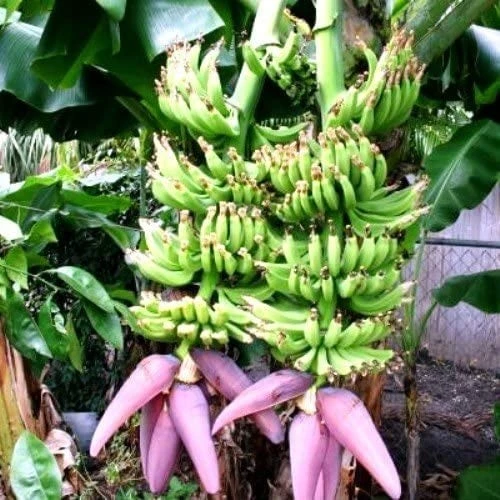
Dwarf Cavendish Banana Tree Live Plant – Cold Hardy Tropical Fruit Tree
Original price was: 64.99 $.54.99 $Current price is: 54.99 $.
Cultivate your own delicious bananas with this dwarf cavendish banana tree. A cold hardy banana plant that thrives indoors or outdoors, perfect for container growing. Enjoy fresh tropical fruit right from your home.
Estimated arrival
Oct 17
Oct 22 - Oct 24
Oct 24 - Oct 29
See our Shipping Policy.
Get in touch with us via email, and our team will review your concerns.
Our Alive & Thrive Guarantee covers issues with your plants within the first 30 days. Read our Refund & Returns Policy.
-
USDA Hardiness Zone
5 (-20 to -10 °F) -
Soil Type
Clay, Loam, Peat, Saline, Sand, Silt -
Sunlight Exposure
Partial Shade, Full Shade, Full Sun -
Expected Planting Period
Year-round indoors, Spring to Summer outdoors
Overview
Bring a touch of the tropics to your home or garden with the magnificent dwarf cavendish banana tree. This live plant offers the unique opportunity to grow your own sweet, flavorful bananas. Known for its compact size, the Dwarf Cavendish is an ideal tropical fruit tree for those with limited space, making it suitable for both indoor cultivation in larger pots and outdoor planting in warmer climates. Despite its tropical origins, this variety is recognized as a cold hardy banana plant, demonstrating resilience in cooler temperatures than many other banana varieties, making it a versatile choice for a broader range of gardeners. Its scientific name is Musa acuminata ‘Dwarf Cavendish’, and it’s celebrated not only for its fruit but also for its lush, broad green foliage that adds an exotic flair to any setting. Growing your own bananas can be a rewarding experience, providing fresh, organic fruit and a stunning ornamental display.
The dwarf cavendish banana tree is a fantastic choice for enthusiasts looking to grow exotic fruits. It’s a highly productive variety, known for its ability to produce a good yield of small to medium-sized bananas that are famously sweet and creamy. This plant typically reaches a manageable height, making harvesting easier and integrating well into various garden designs or as a prominent feature in a sunroom. Whether you’re an experienced gardener or just starting, this tropical fruit tree offers a relatively straightforward growing experience with spectacular results.
Key Benefits
Growing a dwarf cavendish banana tree provides numerous advantages beyond just fresh fruit. This plant is a fantastic addition to any home or garden, offering both aesthetic and practical benefits:
- Fresh, Homegrown Fruit: Enjoy the unparalleled taste of your own organically grown bananas. The Dwarf Cavendish produces sweet, creamy fruit, often preferred over store-bought varieties.
- Compact Size: Ideal for smaller spaces, this dwarf variety reaches a manageable height, making it perfect for container gardening on patios, balconies, or as an indoor banana plant.
- Exotic Ornamental Appeal: Its large, vibrant green leaves create a lush, tropical ambiance, enhancing the beauty of your indoor or outdoor environment. It’s a stunning focal point.
- Air Purifying Qualities: Like many broadleaf plants, the dwarf cavendish banana tree contributes to cleaner indoor air by absorbing toxins and releasing oxygen, improving your home’s air quality.
- Relatively Cold Hardy: Compared to other banana varieties, the Dwarf Cavendish shows better tolerance to cooler temperatures, qualifying it as a cold hardy banana plant, which expands its growing range.
- Educational Experience: Growing a fruit-bearing plant from scratch can be a rewarding and educational experience for gardeners of all ages, teaching about plant life cycles and cultivation.
- Year-Round Interest: With proper care, this plant can provide continuous growth and even fruit production, offering visual interest and delicious rewards throughout the year.
Plant Care & Growing Tips
Caring for your dwarf cavendish banana tree is key to ensuring a healthy plant and bountiful harvest. These plants thrive in conditions that mimic their native tropical environment. They require abundant sunlight; ideally, provide at least 6-8 hours of direct sun daily. If grown indoors, place your indoor banana plant near a south-facing window or supplement with a grow light to ensure it receives adequate light intensity. Insufficient light can lead to stunted growth and reduced fruit production. Rotate the plant regularly to ensure even growth and light exposure on all sides.
Watering is critical for the Dwarf Cavendish. These plants are thirsty and prefer consistently moist, but not waterlogged, soil. During warm, active growing seasons, you may need to water daily, especially if planted in a container. Always check the top inch of soil; if it feels dry, it’s time to water thoroughly until water drains from the bottom of the pot. Reduce watering slightly in cooler months or during dormancy. The ideal soil for your tropical fruit tree should be rich, well-draining, and slightly acidic to neutral (pH 6.0-7.0). A good quality potting mix amended with compost or perlite works well for container growing. For outdoor planting, ensure your garden soil is loose and fertile.
The dwarf cavendish banana tree is a heavy feeder. Fertilize regularly during the growing season (spring through fall) with a balanced, slow-release fertilizer or a liquid feed rich in potassium. Follow the product instructions for application rates. Maintain a warm environment, ideally between 65°F and 80°F (18°C-27°C). While it’s a cold hardy banana plant compared to others, prolonged exposure to temperatures below 50°F (10°C) can damage the plant. For USDA Hardiness Zones 5-11, outdoor planting is possible, but in colder zones, it’s best grown in a container and brought indoors before the first frost. Pruning typically involves removing dead or damaged leaves and any suckers (new shoots) that emerge from the base, unless you wish to propagate or allow the plant to form a clump. Keep an eye out for common pests like spider mites and mealybugs, especially on indoor plants, and treat with horticultural oil or insecticidal soap if necessary.
Size & Details
This offering is for one dwarf cavendish banana tree live plant, typically shipped as a young plant ready to establish in your preferred growing environment. Mature Dwarf Cavendish plants grown in optimal conditions can reach an average height of 6-10 feet, making them considerably smaller than standard banana varieties and highly suitable for container growth. When planted in the ground, they may occasionally reach up to 12 feet. The plant is shipped as a rooted plant, often in a nursery pot, ensuring it arrives healthy and ready for transplanting. Expect vigorous growth under ideal conditions, with the potential for fruit production within 1-2 years from planting, depending on care and climate. The broad, green foliage can span several feet, creating a dramatic visual impact.
Each tropical fruit tree is carefully inspected before shipping to ensure quality. The plant form is a live plant, ready to be nurtured into a fruit-bearing specimen. This particular variety, Musa acuminata ‘Dwarf Cavendish’, is known for its relatively fast growth rate and ability to produce multiple hands of sweet bananas. With proper care and attention to its needs, you can look forward to harvesting your own delicious fruit. The plant is ideal for those seeking a productive and ornamental addition to their garden or indoor plant collection.
Frequently Asked Questions
- Q: How big does this plant get? A: The dwarf cavendish banana tree typically grows to a height of 6-10 feet when mature, making it a manageable size for both indoor and outdoor container growing. In ideal outdoor conditions, it can sometimes reach up to 12 feet.
- Q: Is this an indoor or outdoor plant? A: This is a versatile plant that can thrive both indoors and outdoors. It makes an excellent indoor banana plant when provided with sufficient light, and can be grown outdoors in USDA Zones 5-11, though it may need winter protection in colder regions.
- Q: How much sunlight does it need? A: The Dwarf Cavendish banana tree requires abundant sunlight, ideally 6-8 hours of direct sun per day. If growing indoors, place it in your brightest window, preferably south-facing, or use a supplemental grow light.
- Q: Is this plant easy to care for? A: While bananas are heavy feeders and drinkers, the dwarf cavendish banana tree is considered relatively easy to care for once its basic needs for sun, water, and nutrients are met. It’s a good choice for intermediate gardeners.
- Q: What condition will it arrive in? A: Your dwarf cavendish banana tree will arrive as a healthy, rooted live plant, typically in a nursery pot, carefully packaged to ensure its safe journey and readiness for transplanting into its permanent home.
- Q: How long until it blooms? A: Under optimal growing conditions, a healthy Dwarf Cavendish banana plant can begin to flower and produce fruit within 1-2 years from planting. Consistent warmth, light, and nutrients are crucial for timely fruiting.
- Q: Will it survive winter in my zone? A: As a cold hardy banana plant, it has better tolerance than many others. It can survive outdoors in USDA Zones 5-11, but in zones below 9, it is often grown in containers and brought indoors during winter to protect it from frost.
- Q: What type of soil is best for this plant? A: This tropical fruit tree prefers rich, well-draining soil with a slightly acidic to neutral pH (6.0-7.0). A high-quality potting mix with added compost or perlite is ideal for container growing.
- Q: Can I grow this plant from seed? A: Banana plants, especially fruit-bearing varieties like the Dwarf Cavendish, are typically propagated from suckers (offsets) or tissue culture, not usually from seed, as seeds from cultivated bananas are often sterile or produce inconsistent results. This offering is for a live plant.
- Q: Is the fruit edible? A: Yes, the dwarf cavendish banana tree produces delicious, sweet, and creamy bananas that are fully edible and perfect for fresh consumption, smoothies, or baking.
Be the first to review “Dwarf Cavendish Banana Tree Live Plant – Cold Hardy Tropical Fruit Tree”
Related products


Trees
Guava Tree Live Plant Pink Tropical Fruit 4-10in Tall Well Rooted for Gardening USDA Zones 9-11




You May Like

Hardneck vs. Softneck Garlic: Which Should You Grow?
Have you ever stood in front of a seed catalog in mid-September, staring at dozens [...]
Oct

When to Plant Music Garlic: Ultimate US Fall Guide
Have you ever spent your fall weekend placing carefully chosen garlic cloves into rich, dark [...]
1 Comment
Oct

5 Best Bulbs for Fall Planting: Brighten Your Garden This Spring
Are you dreaming of a garden full of vibrant colors in the spring? The key [...]
Aug

10 Houseplants That Will Thrive in Your Kitchen
Are you tired of your kitchen feeling dull and lifeless? Want to add a little [...]
1 Comment
Aug
Reviews
There are no reviews yet.