
Star Apple Live Fruit Tree – Caimito (Chrysophyllum Cainito) – 12-24 inch
Original price was: 129.20 $.79.20 $Current price is: 79.20 $.
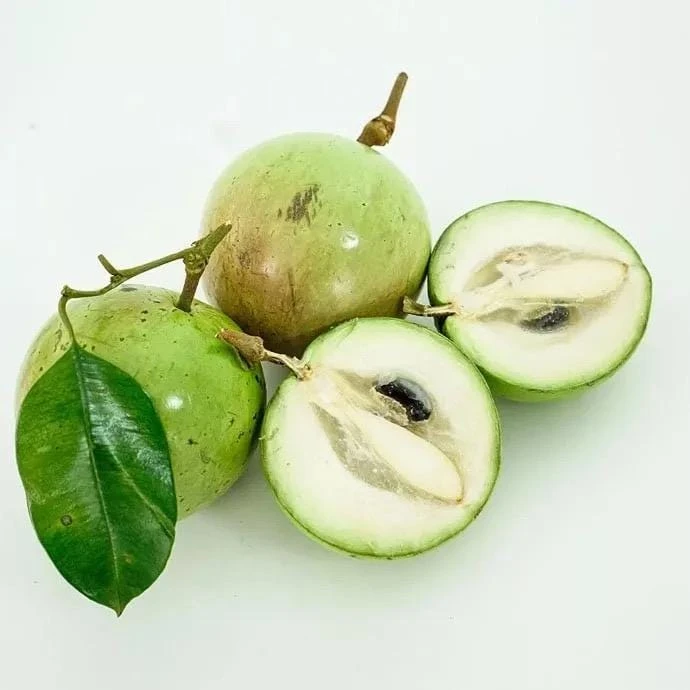
Bring the tropics to your garden with a star apple live fruit tree. Also known as caimito fruit tree, this beautiful plant produces sweet, juicy fruit with a unique star-shaped interior and boasts attractive foliage. Easy to grow in warm climates.
Estimated arrival
Oct 18
Oct 23 - Oct 25
Oct 25 - Oct 30
See our Shipping Policy.
Get in touch with us via email, and our team will review your concerns.
Our Alive & Thrive Guarantee covers issues with your plants within the first 30 days. Read our Refund & Returns Policy.
-
USDA Hardiness Zone
USDA Zones 9-11 -
Soil Type
Well-draining, rich, slightly acidic to neutral soil -
Sunlight Exposure
Full sun -
Expected Planting Period
Spring to early summer
Overview
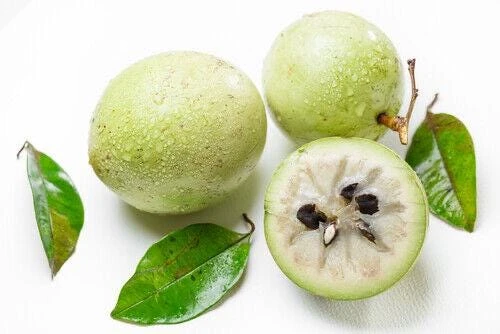
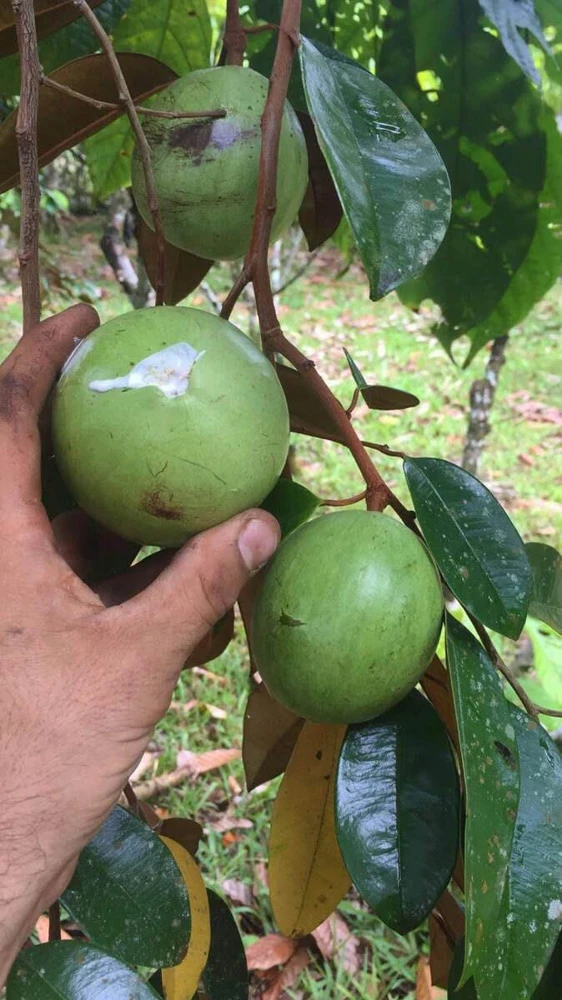
Cultivate your own exotic produce with this magnificent star apple live fruit tree. The Caimito, scientifically known as chrysophyllum cainito plant, is a captivating tropical tree celebrated for its delectable fruit and ornamental appeal. Originating from the Caribbean and Central America, this evergreen tree can transform any garden into a lush, productive oasis. The star apple fruit is renowned for its sweet, juicy pulp and distinct star pattern visible when cut horizontally. Beyond its culinary delights, the tree features glossy green leaves with a striking golden-brown underside, adding a vibrant splash of color and texture to your landscape. This resilient and relatively low-maintenance tree is perfect for gardeners seeking to add a unique and rewarding tropical element to their collection.
Whether you’re an experienced horticulturist or a budding enthusiast, growing a caimito fruit tree offers immense satisfaction. It provides not only a source of fresh, homegrown fruit but also a stunning visual centerpiece. Its robust nature allows it to adapt well to warm climates, thriving with minimal fuss once established. Enjoy the continuous beauty of its foliage and the seasonal bounty of its sweet fruit, making it a truly exceptional addition to any tropical-themed garden or patio. The Caimito is more than just a fruit tree; it’s a statement of tropical elegance and an invitation to enjoy nature’s sweet rewards.
Key Benefits
Choosing a star apple live fruit tree for your garden brings a multitude of advantages, blending aesthetic appeal with practical benefits. This tropical gem is an excellent investment for anyone looking to enhance their outdoor space with a unique and rewarding plant.
- Delicious and Unique Fruit: Enjoy the incredibly sweet, juicy fruit with its distinctive star pattern when sliced. Perfect for fresh eating, smoothies, desserts, or making refreshing juices. The unique flavor profile makes it a gourmet treat not commonly found in stores.
- Stunning Ornamental Value: The Caimito tree boasts glossy, dark green leaves with a beautiful golden-brown underside, creating a striking contrast and adding a lush, tropical ambiance to any landscape. It provides year-round visual interest, even when not fruiting.
- Relatively Easy to Grow: Once established, the chrysophyllum cainito plant is surprisingly low-maintenance, thriving in warm climates with adequate sunlight and well-drained soil. It’s a hardy choice for gardeners looking for an exotic fruit tree that doesn’t demand constant attention.
- Health Benefits: Star apples are rich in vitamins A and C, calcium, and phosphorus, offering a healthy and delicious addition to your diet. They are also a good source of dietary fiber, aiding in digestion.
- Attracts Wildlife: The flowers and fruits can attract beneficial pollinators and local wildlife, contributing to a healthy and vibrant garden ecosystem.
- Year-Round Interest: With its evergreen foliage and seasonal fruit production, the caimito fruit tree provides continuous beauty and interest throughout the year, making it a focal point in any garden design.
Plant Care & Growing Tips
Caring for your star apple live fruit tree is a rewarding experience, leading to bountiful harvests and a beautiful landscape. Understanding its specific needs will ensure your chrysophyllum cainito plant thrives and produces delicious fruit. This tropical beauty prefers warm conditions and a consistent care routine.
Sunlight: The Caimito tree thrives in full sun, requiring at least 6-8 hours of direct sunlight daily to produce the best fruit and maintain vigorous growth. In extremely hot climates, some afternoon shade can be beneficial for young trees to prevent leaf scorch. For indoor cultivation, ensure it receives ample bright, direct light, possibly supplemented with grow lights during shorter daylight months. Proper sunlight is crucial for fruit development and overall plant health, influencing the sweetness and size of your star apples.
Watering: Regular and consistent watering is essential, especially during dry periods and for young trees. The soil should be kept consistently moist but never waterlogged. Allow the top inch or two of soil to dry out slightly between waterings. Reduce watering frequency during cooler months or when the tree is dormant. Good drainage is paramount to prevent root rot, which can be detrimental to the health of your tropical fruit trees. Always check soil moisture before watering to avoid over or under-watering.
Soil: This tree prefers rich, well-drained soil with a slightly acidic to neutral pH (6.0-7.0). A sandy loam enriched with organic matter is ideal. If planting in a container, use a high-quality potting mix designed for fruit trees or tropical plants, ensuring excellent drainage. Amending heavy clay soils with compost and sand can improve drainage and aeration, creating an optimal environment for root growth. Good soil structure is vital for nutrient uptake and overall tree vigor, contributing to a healthy star apple care routine.
Temperature and Hardiness: The Caimito is a tropical tree, sensitive to cold. It thrives in USDA Hardiness Zones 9-11. It can tolerate brief periods of temperatures just above freezing, but extended exposure to cold will damage or kill the tree. If you live in a cooler zone, it’s best to grow it in a container that can be moved indoors during winter. Protect young trees from frost with covers or blankets if unexpected cold snaps occur. Ideal growing temperatures are between 70-95°F (21-35°C).
Fertilization: Feed your star apple live fruit tree with a balanced, slow-release fertilizer designed for fruit trees, typically in spring and summer. Young trees benefit from more frequent, lighter applications, while mature trees can be fertilized less often. Follow the product instructions carefully to avoid over-fertilization, which can burn the roots. Organic fertilizers like compost and well-rotted manure can also be incorporated into the soil to improve fertility and soil structure. Regular feeding supports healthy growth and abundant fruit production.
Pruning: Prune your chrysophyllum cainito plant to maintain a desirable shape, remove dead or diseased branches, and encourage air circulation within the canopy. Pruning can also help manage the tree’s size and make fruit harvesting easier. The best time to prune is after the fruiting season. Avoid heavy pruning during flowering or fruiting periods. Consistent pruning contributes to the overall health and productivity of the caimito fruit tree.
Size & Details
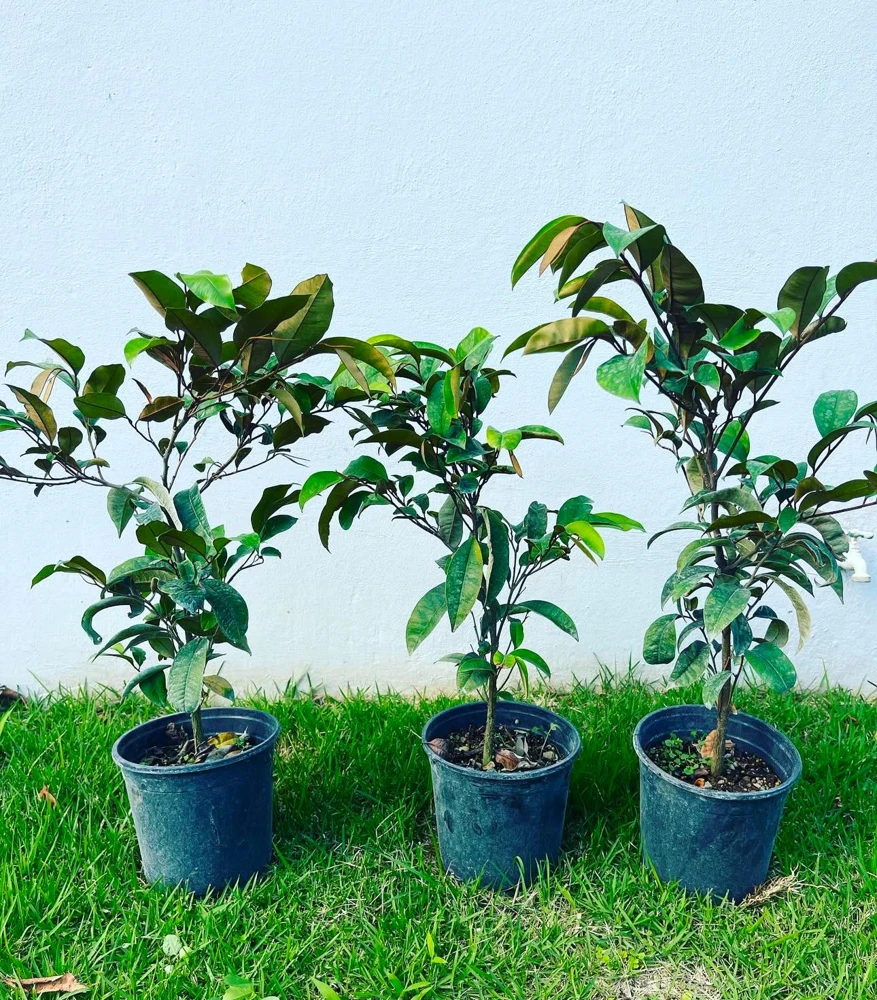
This star apple live fruit tree is typically offered as a young plant, ranging from 12 to 24 inches in height. These are actively growing specimens, ready to establish quickly in your garden or a larger container. The growth rate of the chrysophyllum cainito plant is moderate, meaning it will steadily increase in size each year under optimal conditions, eventually reaching a mature height of 25-50 feet in the ground, though it can be kept smaller with regular pruning in containers. You can expect your tree to begin fruiting within 3-5 years of planting, depending on growing conditions and care.
Each plant is carefully selected and packaged to ensure its safe arrival. It ships as a healthy, rooted seedling in a nursery pot, maintaining its soil and root ball integrity during transit. The mature tree will develop a dense canopy, providing excellent shade and a beautiful silhouette. The size you receive is ideal for transplanting into a larger pot for continued growth on a patio or directly into your garden if your climate permits. With proper star apple care, your tree will grow into a robust and productive member of your garden.
Frequently Asked Questions
- Q: How big does this star apple live fruit tree get? A: In optimal conditions, a chrysophyllum cainito plant can reach heights of 25-50 feet when planted in the ground. However, it can be maintained at a smaller, more manageable size through regular pruning, especially when grown in a large container.
- Q: Is this an indoor or outdoor plant? A: The star apple live fruit tree is primarily an outdoor plant, thriving in warm, tropical, and subtropical climates (USDA Zones 9-11). In colder regions, it can be grown in containers and moved indoors during the winter months as a tropical fruit trees specimen.
- Q: How much sunlight does the caimito fruit tree need? A: For best growth and fruit production, the caimito fruit tree requires full sun, meaning at least 6-8 hours of direct sunlight per day. Adequate light is crucial for the development of sweet, abundant fruit.
- Q: Is this plant easy to care for? A: Once established, the star apple care requirements are relatively low. It needs consistent watering, well-drained soil, and protection from cold temperatures. It is considered an easy-to-moderate plant for experienced gardeners.
- Q: What condition will the star apple live fruit tree arrive in? A: Your star apple live fruit tree will arrive as a healthy, actively growing plant, carefully packaged in a nursery pot with its root ball intact. We take great care to ensure it reaches you in excellent condition, ready for planting.
- Q: When is the best time to plant a chrysophyllum cainito plant? A: The best time to plant a chrysophyllum cainito plant is in spring or early summer, after all danger of frost has passed and when temperatures are consistently warm. This allows the tree ample time to establish its root system before cooler weather.
- Q: What is the minimum temperature this tropical fruit tree can tolerate? A: The caimito fruit tree is sensitive to cold. While mature trees can tolerate brief dips just above freezing (around 32°F or 0°C), young trees and prolonged exposure to temperatures below 40°F (4°C) can cause significant damage or be fatal.
- Q: How long until the star apple live fruit tree produces fruit? A: Typically, a star apple live fruit tree grown from a seedling will begin to produce fruit within 3-5 years after planting, given optimal growing conditions and proper care.
Be the first to review “Star Apple Live Fruit Tree – Caimito (Chrysophyllum Cainito) – 12-24 inch”
Related products


You May Like

Hardneck vs. Softneck Garlic: Which Should You Grow?
Have you ever stood in front of a seed catalog in mid-September, staring at dozens [...]
Oct

When to Plant Music Garlic: Ultimate US Fall Guide
Have you ever spent your fall weekend placing carefully chosen garlic cloves into rich, dark [...]
1 Comment
Oct

5 Best Bulbs for Fall Planting: Brighten Your Garden This Spring
Are you dreaming of a garden full of vibrant colors in the spring? The key [...]
Aug

10 Houseplants That Will Thrive in Your Kitchen
Are you tired of your kitchen feeling dull and lifeless? Want to add a little [...]
1 Comment
Aug
Reviews
There are no reviews yet.