
50 Fort Laramie Strawberry Bare Roots – Everbearing, Cold Hardy, USDA Zones 3-9
Original price was: 112.00 $.102.99 $Current price is: 102.99 $.
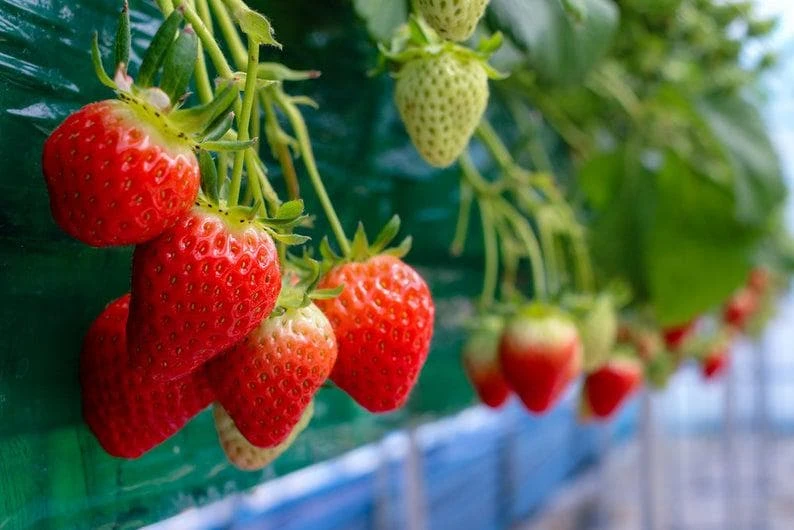
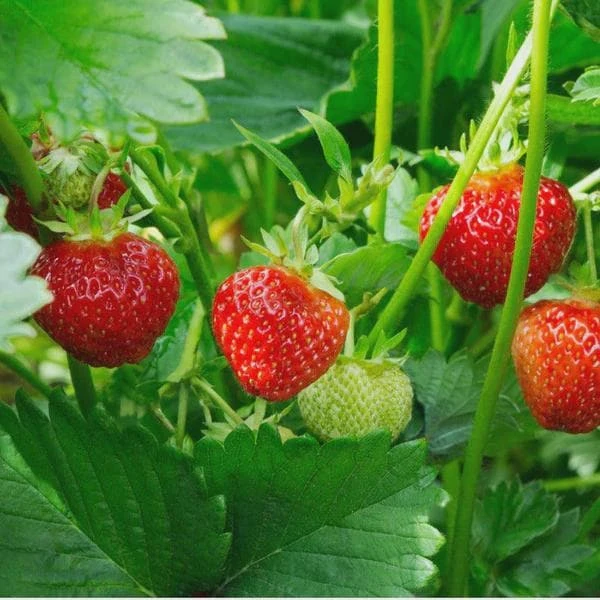
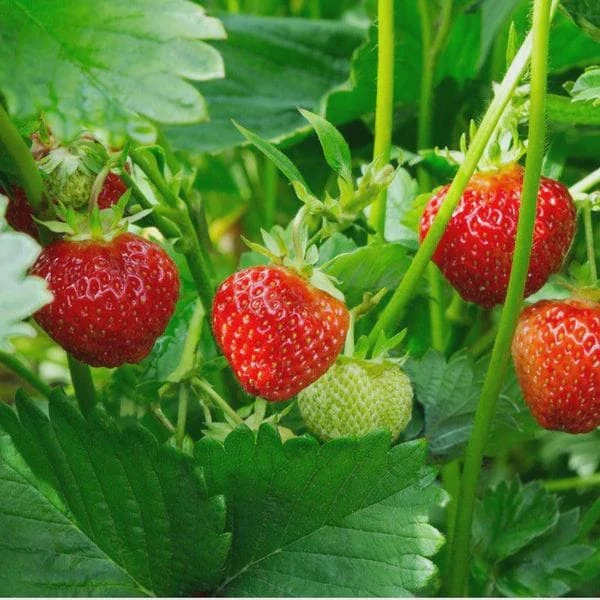
Cultivate your own sweet and juicy strawberries with these 50 Fort Laramie strawberry bare roots. This everbearing strawberry plant is renowned for its exceptional cold hardiness, thriving in challenging climates and producing fruit throughout the season. Ideal for northern gardens, these robust plants deliver a continuous harvest of delicious berries.
Estimated arrival
Oct 19
Oct 24 - Oct 26
Oct 26 - Oct 31
See our Shipping Policy.
Get in touch with us via email, and our team will review your concerns.
Our Alive & Thrive Guarantee covers issues with your plants within the first 30 days. Read our Refund & Returns Policy.
-
USDA Hardiness Zone
USDA Zones 3-9 -
Soil Type
Well-draining, slightly acidic (pH 5.5-6.8) -
Sunlight Exposure
Full sun (6-8+ hours daily) -
Expected Planting Period
Early spring
Overview
Transform your garden into a berry haven with 50 Fort Laramie strawberry bare roots. This exceptional variety of Fragaria × ananassa is celebrated for its remarkable resilience and productivity. Developed by the USDA Cheyenne Experiment Station, the Fort Laramie strawberry is specifically bred to excel in cold, dry climates, making it an ideal choice for gardeners in northern regions. These everbearing strawberry plant specimens promise a continuous yield of sweet, firm, and juicy fruit from spring until frost. Planting Fort Laramie strawberry bare roots is an investment in a season-long harvest of delicious homegrown berries, perfect for fresh eating, preserves, or desserts.
The Fort Laramie strawberry is a popular choice due to its dual benefits of high yield and extreme cold tolerance. Unlike June-bearing varieties that produce a single large crop, everbearing strawberries like Fort Laramie provide a steady supply of fruit, ensuring you always have fresh berries on hand. These robust bare roots establish quickly, developing into healthy plants that are well-equipped to handle diverse weather conditions, particularly cold winters.
Key Benefits
Growing Fort Laramie strawberry bare roots offers a multitude of advantages for both novice and experienced gardeners. Enjoy a prolonged harvest and the satisfaction of cultivating your own delicious fruit.
- Exceptional Cold Hardiness: The Fort Laramie strawberry is incredibly winter hardy, thriving in USDA Zones 3-7 and even performing well up to Zone 9 with proper care. This makes it one of the toughest varieties available for those seeking a cold hardy strawberry.
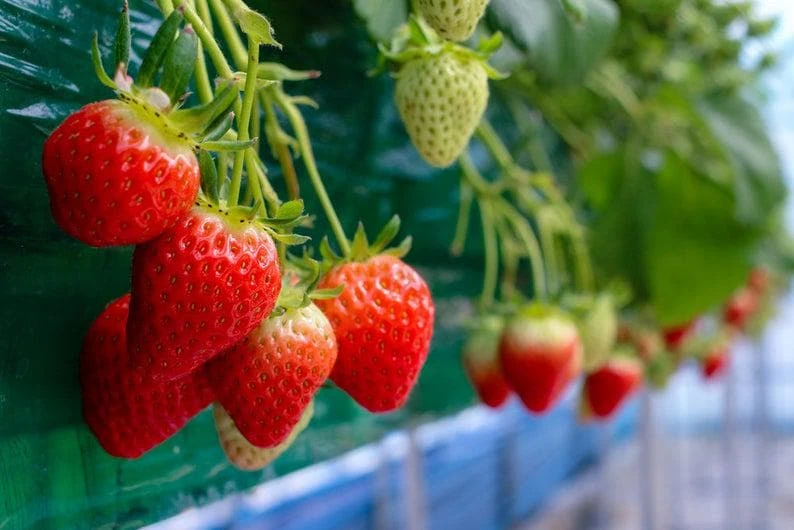
- Everbearing Production: Unlike other types, this everbearing strawberry plant produces fruit continuously throughout the growing season, from late spring until the first hard frost, ensuring a steady supply of fresh berries.
- Sweet and Juicy Flavor: Known for its delicious, sweet, and firm fruit, the Fort Laramie strawberry offers a delightful taste that is perfect for snacking, baking, or making preserves.
- Developed for Tough Climates: This variety was specifically bred by the USDA Cheyenne Experiment Station to thrive in challenging, cold, and dry environments, making it a reliable choice for difficult growing conditions.
- Ideal for Northern Gardens: If you’re looking for a productive and resilient strawberry for a northern garden strawberries, the Fort Laramie is an excellent option that will consistently deliver.
- Versatile Use: The berries are perfect for eating fresh, adding to smoothies, making jams and jellies, or incorporating into various desserts.
- Easy Establishment: These bare roots are easy to plant and establish, quickly growing into productive plants that will yield fruit in their first season under optimal conditions.
Plant Care & Growing Tips
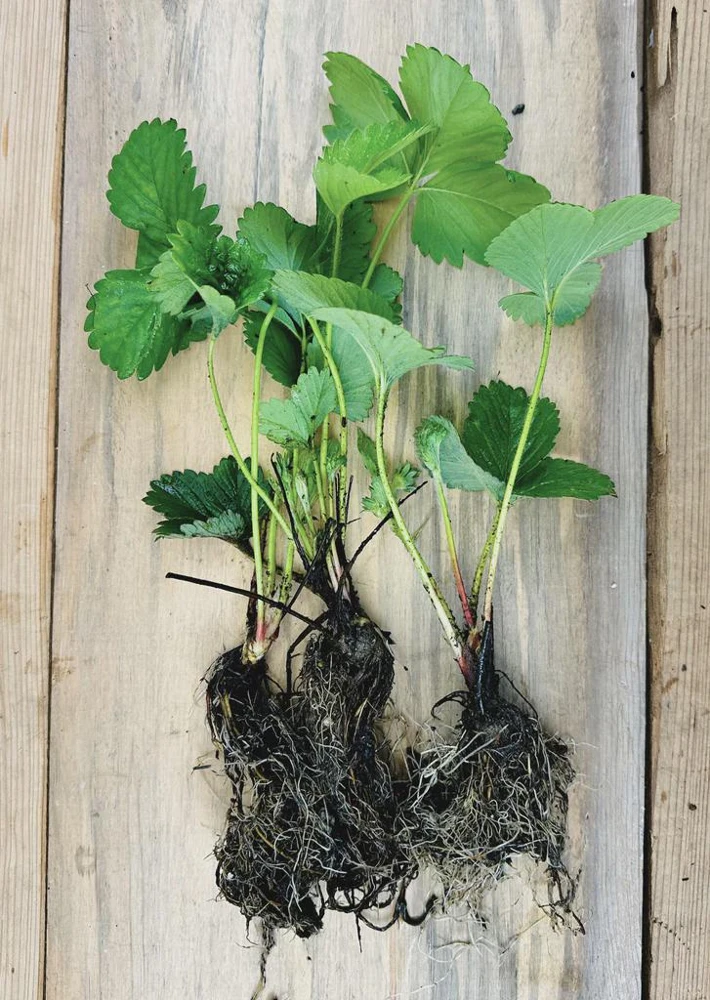
Caring for your Fort Laramie strawberry bare roots is straightforward, ensuring a bountiful harvest. Proper planting and ongoing maintenance will lead to healthy, productive plants. When your Fragaria x ananassa Fort Laramie bare roots arrive, plant them as soon as possible. Dig a hole wide enough to accommodate the roots without bending them, ensuring the crown (where the leaves emerge) is level with the soil surface. Do not bury the crown or leave too much root exposed.
Strawberries thrive in full sun, requiring at least 6-8 hours of direct sunlight per day for optimal fruit production. While they can tolerate partial shade, fruit yields will be lower. They prefer well-draining, slightly acidic soil with a pH between 5.5 and 6.8. Amend heavy clay soils with organic matter like compost to improve drainage. Water newly planted bare roots thoroughly. Once established, provide consistent moisture, especially during flowering and fruiting. Aim for about 1-1.5 inches of water per week, either from rain or irrigation. Avoid overhead watering late in the day to minimize fungal diseases.
Fertilize your everbearing strawberry plant in early spring and again after the first major flush of fruit with a balanced fertilizer. Avoid excessive nitrogen, which can promote foliage growth at the expense of fruit. Mulching around the plants with straw or pine needles helps retain soil moisture, suppress weeds, and keep berries clean. In colder zones, a thick layer of mulch applied after the ground freezes will help protect the plants through winter. Remove runners as they appear, especially in the first year, to encourage the plant to focus energy on fruit production. For a continuous supply of Fort Laramie strawberry bare roots, you may allow some runners to root in subsequent years to replace older plants.
Size & Details
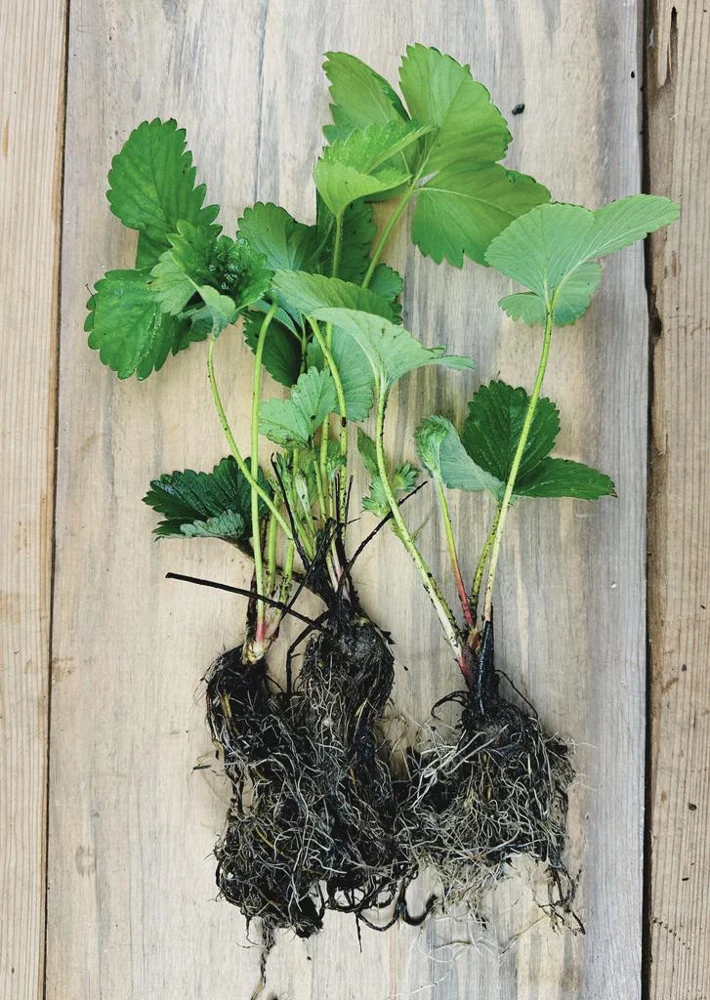
This offering includes 50 Fort Laramie strawberry bare roots. These are dormant, unpotted plants, carefully prepared for shipping to ensure successful establishment in your garden. Each bare root is ready to be planted directly into your prepared garden beds or containers. The Fort Laramie strawberry typically grows to a height of 6-12 inches and spreads about 12-18 inches, forming a compact and productive patch. As an everbearing strawberry plant, you can expect fruit production to begin in the first year, with peak yields in subsequent years. These robust bare roots are an economical and effective way to start a large strawberry patch, providing ample opportunities for a delicious harvest of northern garden strawberries.
Frequently Asked Questions
- Q: How big do these Fort Laramie strawberry plants get? A: Once established, Fort Laramie strawberry bare roots typically grow to about 6-12 inches tall and spread 12-18 inches wide, forming a dense and productive plant.
- Q: What condition will the bare roots arrive in? A: Your 50 Fort Laramie strawberry bare roots will arrive dormant and unpotted, ready for planting. They are carefully packaged to ensure they remain healthy during transit.
- Q: Is this an indoor or outdoor plant? A: The Fort Laramie strawberry is an outdoor plant, specifically bred for garden cultivation. It is highly cold-hardy and thrives in various outdoor climates.
- Q: How much sunlight do Fort Laramie strawberries need? A: For optimal fruit production, these everbearing strawberry plant varieties require at least 6-8 hours of direct sunlight per day. Full sun exposure is highly recommended.
- Q: Is this plant easy to care for? A: Yes, the Fort Laramie strawberry is considered relatively easy to care for, especially given its resilience. Consistent watering, adequate sunlight, and occasional fertilization will ensure a good harvest.
- Q: When is the best time to plant these bare roots? A: The best time to plant Fort Laramie strawberry bare roots is in early spring after the last danger of hard frost, or in late fall in milder climates.
- Q: How long until these strawberries produce fruit? A: Being an everbearing strawberry plant, you can expect your Fort Laramie strawberries to start producing fruit in their first year after planting, with continuous harvests throughout the season.
- Q: Will this cold hardy strawberry survive winter in my zone? A: Yes, the Fort Laramie strawberry is exceptionally cold-hardy, performing well in USDA Zones 3-7 and even up to Zone 9 with proper winter protection, making it perfect for northern garden strawberries.
- Q: What kind of soil is best for Fort Laramie strawberries? A: These strawberries prefer well-draining, slightly acidic soil (pH 5.5-6.8). Amending with organic matter is beneficial for soil structure and fertility.
- Q: Should I remove the runners from my everbearing strawberry plant? A: In the first year, it’s generally recommended to remove runners to encourage the plant to establish a strong root system and focus energy on fruit production for your Fragaria x ananassa Fort Laramie.
Be the first to review “50 Fort Laramie Strawberry Bare Roots – Everbearing, Cold Hardy, USDA Zones 3-9”
Related products


You May Like

Hardneck vs. Softneck Garlic: Which Should You Grow?
Have you ever stood in front of a seed catalog in mid-September, staring at dozens [...]
Oct

When to Plant Music Garlic: Ultimate US Fall Guide
Have you ever spent your fall weekend placing carefully chosen garlic cloves into rich, dark [...]
1 Comment
Oct

5 Best Bulbs for Fall Planting: Brighten Your Garden This Spring
Are you dreaming of a garden full of vibrant colors in the spring? The key [...]
Aug

10 Houseplants That Will Thrive in Your Kitchen
Are you tired of your kitchen feeling dull and lifeless? Want to add a little [...]
1 Comment
Aug
Reviews
There are no reviews yet.