


Tropical Milkweed Seeds – Mexican Butterfly Weed – 2000 Count – Wildflower
Original price was: 35.99 $.15.99 $Current price is: 15.99 $.
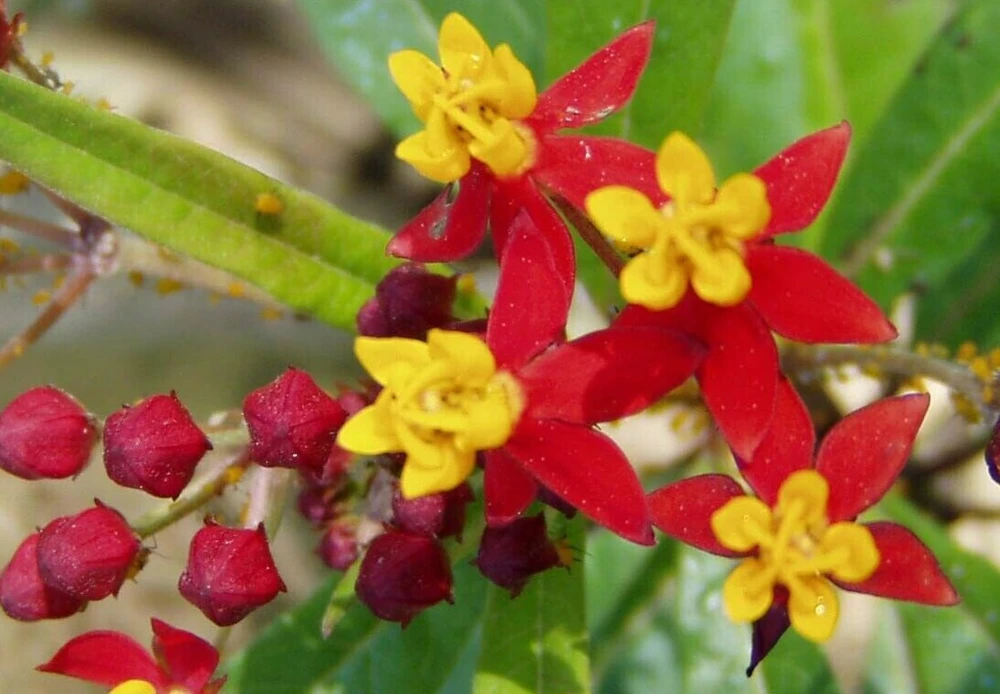
Cultivate a vibrant pollinator garden with tropical milkweed seeds. These mexican butterfly weed seeds (Asclepias Curassavica) produce stunning red, orange, and yellow flowers that are essential for monarch butterflies and other pollinators. Easy to grow and rewarding for any garden.
Estimated arrival
Oct 19
Oct 24 - Oct 26
Oct 26 - Oct 31
See our Shipping Policy.
Get in touch with us via email, and our team will review your concerns.
Our Alive & Thrive Guarantee covers issues with your plants within the first 30 days. Read our Refund & Returns Policy.
-
USDA Hardiness Zone
USDA zones 8-11 (as perennial), grown as annual in colder zones -
Soil Type
Well-draining loam or sandy soil, moderately fertile -
Sunlight Exposure
Full sun (6-8+ hours direct sunlight) -
Expected Planting Period
Spring, after last frost
Overview
Transform your garden into a haven for pollinators with our premium tropical milkweed seeds. Also widely known as Mexican Butterfly Weed or Blood Flower, these seeds (Asclepias Curassavica) promise to bring a burst of vibrant color and life to your outdoor space. Tropical Milkweed is celebrated for its showy red, orange, and yellow blooms that provide a critical food source and habitat for monarch butterflies and other beneficial insects. These tender evergreen perennials are a must-have for any pollinator garden, offering continuous beauty and ecological benefit throughout the growing season. Growing tropical milkweed seeds is a rewarding experience, contributing directly to the conservation of monarch populations while enhancing the aesthetic appeal of your landscape. Each packet contains 2000 seeds, ensuring a bountiful display and ample resources for your local butterfly population. Discover the joy of nurturing these beautiful plants and supporting biodiversity right in your backyard.
Key Benefits
Planting tropical milkweed seeds offers numerous advantages, from supporting local ecosystems to beautifying your garden. These seeds are an excellent choice for gardeners looking to make an environmental impact while enjoying stunning floral displays.
- Supports Pollinators: Tropical Milkweed is a vital host plant for monarch butterfly larvae and provides nectar for adult butterflies, bees, and other beneficial insects, making it essential for pollinator gardens.
- Vibrant Blooms: Enjoy a spectacular display of red, orange, and yellow flowers that add a tropical flair and continuous color to your garden from spring through fall.
- Easy to Grow: These seeds are relatively simple to germinate and grow, making them suitable for both novice and experienced gardeners. Learning to grow milkweed from seed is a straightforward process.
- Drought Tolerant: Once established, Tropical Milkweed is quite resilient and can tolerate periods of drought, requiring less frequent watering than many other flowering plants.
- Continuous Bloom: Unlike some annuals, Tropical Milkweed often blooms continuously over a long season, providing sustained beauty and food for pollinators.
- Low Maintenance: After initial planting and establishment, these plants require minimal care, allowing you to enjoy their beauty without extensive effort.
- Educational Value: Observing the life cycle of monarch butterflies on your monarch butterfly plant provides an incredible educational opportunity for children and adults alike.
Plant Care & Growing Tips
To ensure successful growth of your tropical milkweed seeds and a thriving garden, follow these comprehensive care and growing tips. Understanding the specific needs of Asclepias Curassavica will help you cultivate healthy plants that attract and sustain monarchs.
Sunlight Requirements
Tropical Milkweed thrives in full sun, requiring at least 6-8 hours of direct sunlight per day to produce the most abundant blooms and robust growth. In hotter climates, some afternoon shade can be beneficial to prevent scorching, but generally, the more sun, the better. When you grow milkweed from seed, ensure your chosen location is bright and unshaded by taller plants or structures.
Watering Schedule and Soil Moisture Preferences
While establishing, keep the soil consistently moist but not waterlogged. Once mature, Tropical Milkweed is fairly drought-tolerant. Water deeply when the top inch or two of soil feels dry to the touch. Reduce watering during cooler, dormant periods. Good drainage is crucial to prevent root rot.
Soil Type and Drainage Requirements
These plants prefer well-draining soil that is moderately fertile. A sandy loam or a loamy soil amended with organic matter works best. Avoid heavy clay soils that retain too much moisture. Excellent drainage is paramount for the health of your Asclepias Curassavica.
Temperature Range and USDA Hardiness Zone
Tropical Milkweed is a tender perennial, typically hardy in USDA Zones 8-11. In colder zones, it is often grown as an annual. It prefers warm temperatures and will not tolerate frost. For best results, plant after all danger of frost has passed in spring. If you are outside its perennial range, consider growing it in containers that can be moved indoors during winter.
Fertilization Schedule and Type
Tropical milkweed seeds do not require heavy fertilization. A balanced, slow-release granular fertilizer or a liquid feed at half strength once a month during the active growing season (spring and summer) is usually sufficient. Avoid high-nitrogen fertilizers, which can promote leafy growth at the expense of flowers.
Common Problems and Solutions
Keep an eye out for aphids, which are common pests of milkweed. A strong spray of water can dislodge them, or insecticidal soap can be used as a treatment. Fungal issues are rare but can occur in overly wet conditions, emphasizing the importance of good drainage. Regular inspection will help you maintain a healthy monarch butterfly plant.
Size & Details
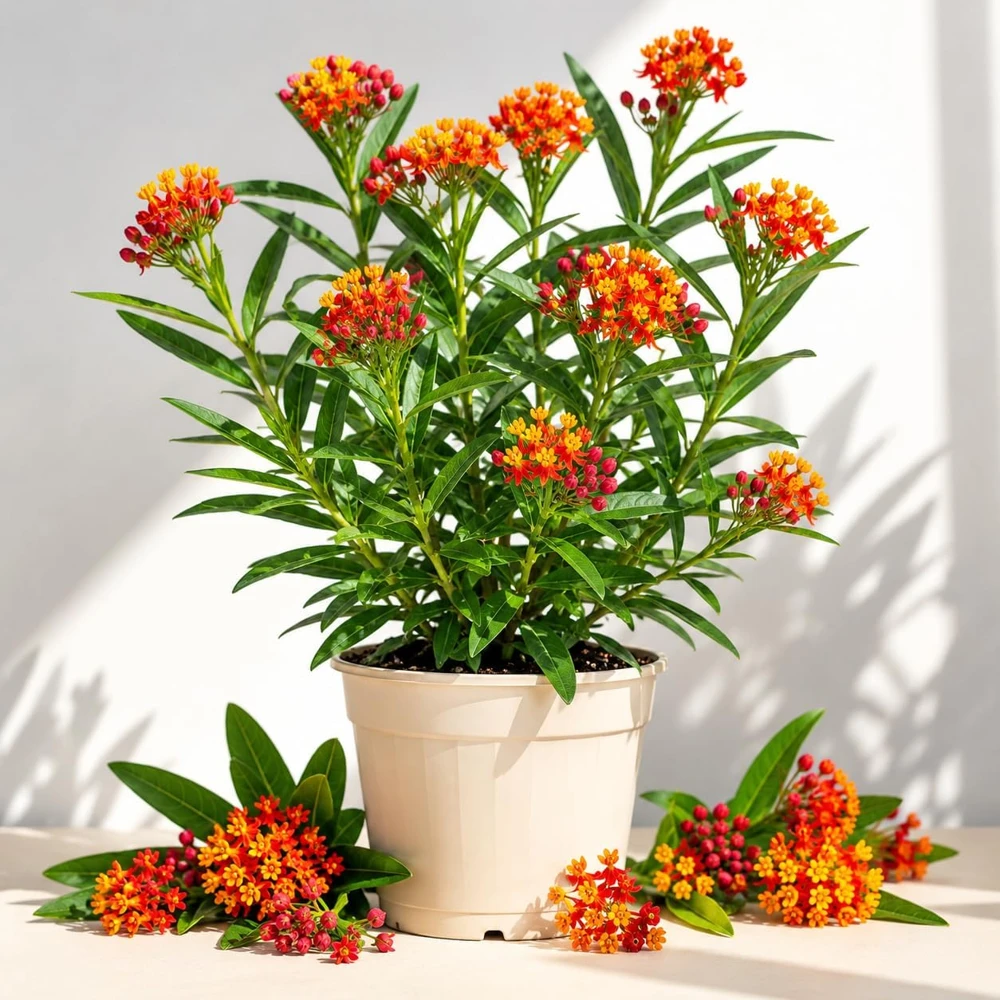
Our tropical milkweed seeds offer the opportunity to cultivate plants that typically grow to a height of 2-4 feet (60-120 cm) with a similar spread, forming bushy, upright clumps. These tender evergreen perennials bloom prolifically from late spring through fall, providing an extended season of color and support for pollinators. Each packet contains a generous count of 2000 seeds, ensuring ample plants for a significant garden area or multiple planting seasons. The seeds are ready to be sown directly into your garden after the last frost or started indoors for an earlier bloom. Plants will establish quickly, with flowering often beginning in the first year from seed, especially when started early. The vibrant red, orange, and yellow flowers are approximately 1 inch in diameter, clustered at the tips of the stems, creating a striking visual impact. This mexican butterfly weed is a fast-growing species, reaching its mature size within one to two growing seasons.
Frequently Asked Questions
- Q: How big does this plant get? A: Tropical Milkweed typically grows to a height of 2-4 feet (60-120 cm) and can spread to a similar width, forming a bushy and upright plant. Its size makes it suitable for various garden settings, from borders to large containers.
- Q: Is this an indoor or outdoor plant? A: While primarily grown as an outdoor plant in full sun, especially in warmer climates (USDA Zones 8-11), it can be grown in containers and brought indoors during colder months. It is most commonly used as an outdoor perennial or annual.
- Q: How much sunlight does it need? A: For optimal growth and flowering, Asclepias Curassavica requires full sun, meaning at least 6-8 hours of direct sunlight per day. Adequate sunlight is crucial for healthy development and abundant blooms.
- Q: Is this plant easy to care for? A: Yes, Tropical Milkweed is considered relatively easy to care for. Once established, it is fairly drought-tolerant and doesn’t require extensive fertilization, making it a good choice for gardeners of all experience levels. Learning to grow milkweed from seed is a straightforward process.
- Q: What condition will the seeds arrive in? A: The product consists of 2000 high-quality tropical milkweed seeds packaged to ensure freshness and viability. They will arrive ready for planting according to your preferred method, whether direct sowing or indoor starting.
- Q: Can I use these seeds to attract monarch butterflies? A: Absolutely! These mexican butterfly weed seeds are specifically chosen for their ability to produce plants that are a vital food source for monarch caterpillars and provide nectar for adult monarch butterflies, making them an excellent monarch butterfly plant.
- Q: How long until it blooms from seed? A: When started early indoors or sown directly after the last frost, Tropical Milkweed often begins to bloom in its first year, typically within 3-4 months after germination, and continues to flower throughout the warm season.
- Q: When is the best time to plant these seeds? A: The best time to plant tropical milkweed seeds is in the spring, after all danger of frost has passed. For an earlier start, seeds can be sown indoors 6-8 weeks before the last expected frost date.
- Q: Will it survive winter in my zone? A: Tropical Milkweed is a tender perennial hardy in USDA Zones 8-11. In zones colder than 8, it will likely not survive the winter outdoors and should be grown as an annual or brought indoors if planted in containers.
- Q: What’s the minimum temperature it can tolerate? A: Tropical Milkweed is sensitive to frost and will not tolerate freezing temperatures. It thrives in warm conditions, typically above 50°F (10°C).
Be the first to review “Tropical Milkweed Seeds – Mexican Butterfly Weed – 2000 Count – Wildflower”
Related products
Flower Plants
Set of 2 Tropical Milkweed Live Plants – Asclepias, Orange Red Flowers, 4-8 Inch Tall, Outdoor




You May Like

Hardneck vs. Softneck Garlic: Which Should You Grow?
Have you ever stood in front of a seed catalog in mid-September, staring at dozens [...]
Oct

When to Plant Music Garlic: Ultimate US Fall Guide
Have you ever spent your fall weekend placing carefully chosen garlic cloves into rich, dark [...]
1 Comment
Oct

5 Best Bulbs for Fall Planting: Brighten Your Garden This Spring
Are you dreaming of a garden full of vibrant colors in the spring? The key [...]
Aug

10 Houseplants That Will Thrive in Your Kitchen
Are you tired of your kitchen feeling dull and lifeless? Want to add a little [...]
1 Comment
Aug
Reviews
There are no reviews yet.