
Sweet Black Huckleberry Live Plant Bush – Outdoor Garden, 2-4 Inch Tall, 1.5 Inch Pot
Original price was: 30.99 $.10.99 $Current price is: 10.99 $.
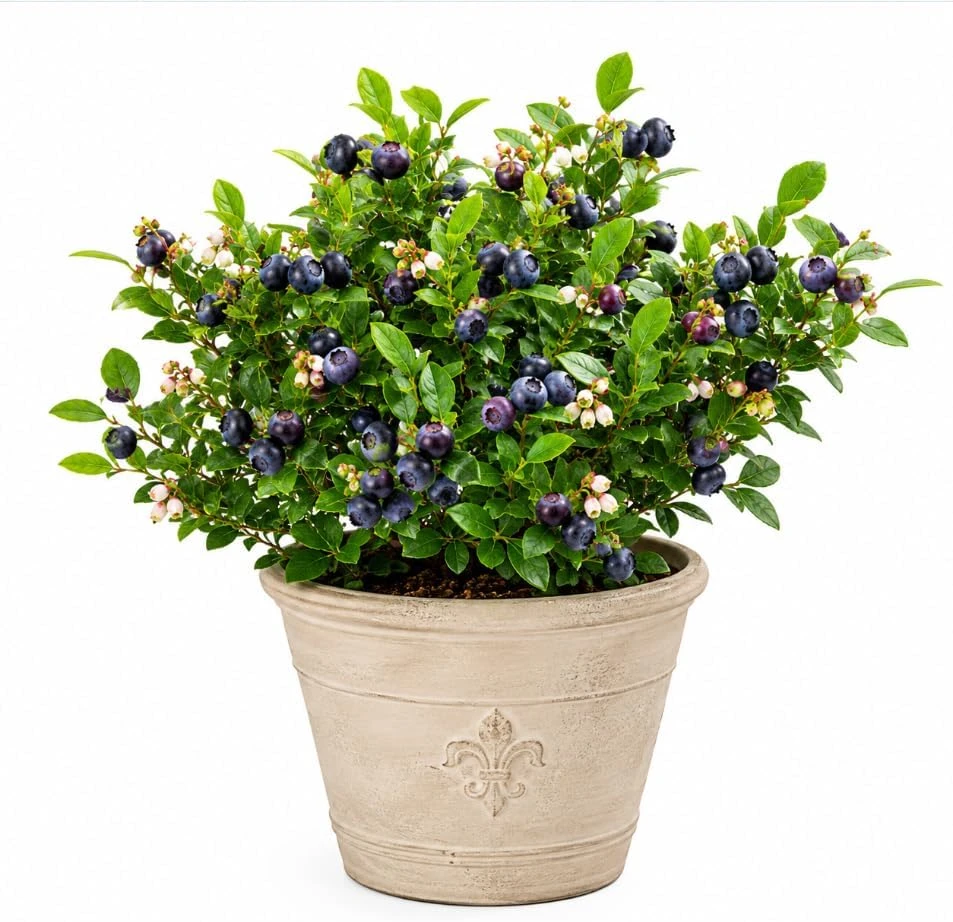
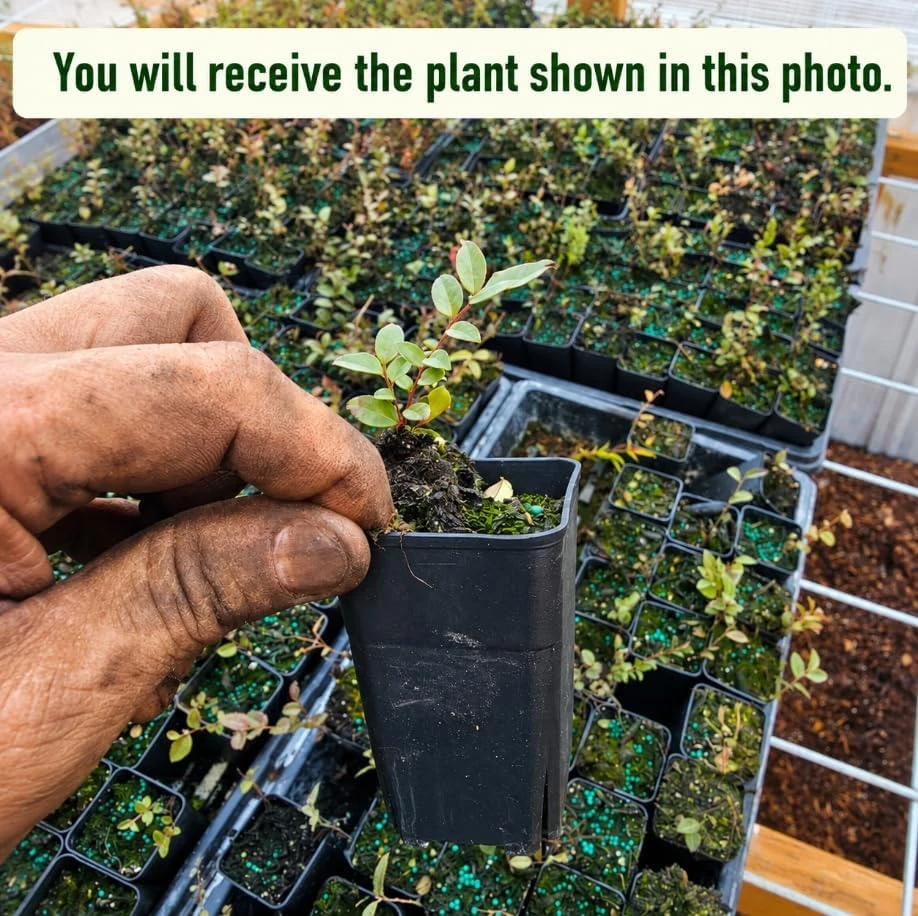
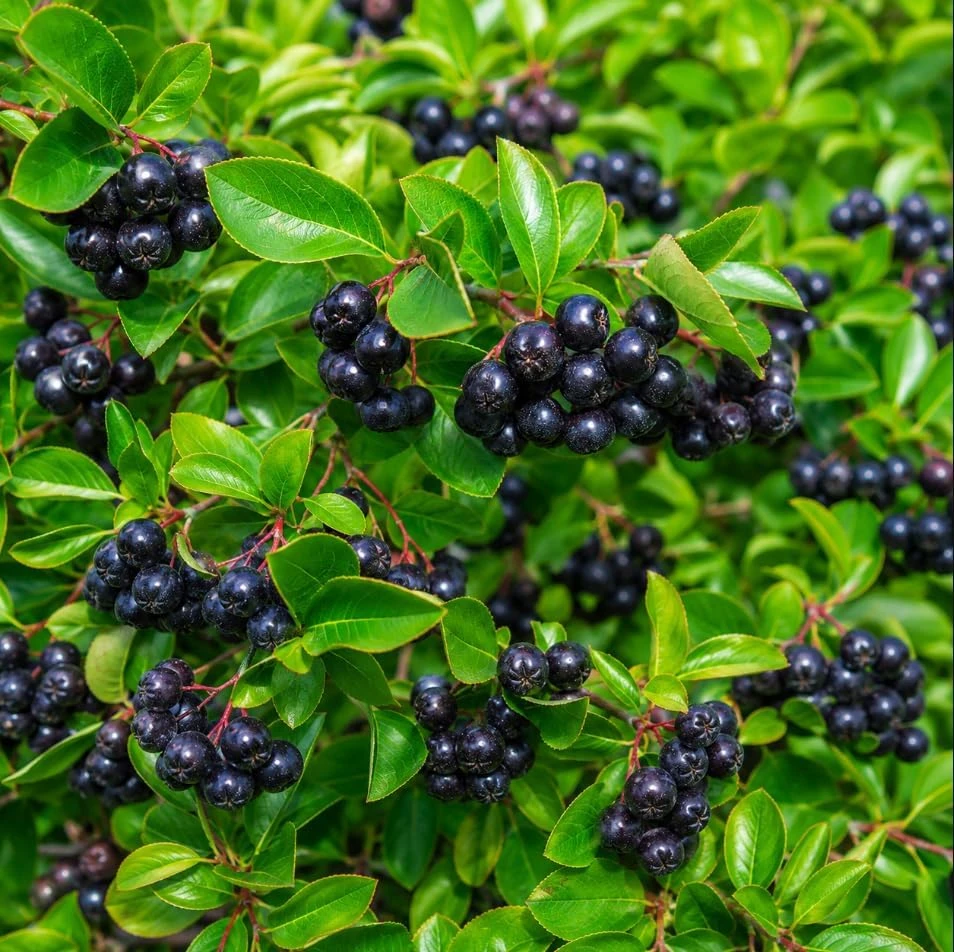
Bring the joy of homegrown berries to your garden with this huckleberry live plant. Perfect for outdoor cultivation, this sweet black huckleberry bush arrives 2-4 inches tall in a 1.5-inch pot, ready for planting. Enjoy delicious fruit and attractive foliage with proper care.
Estimated arrival
Oct 17
Oct 22 - Oct 24
Oct 24 - Oct 29
See our Shipping Policy.
Get in touch with us via email, and our team will review your concerns.
Our Alive & Thrive Guarantee covers issues with your plants within the first 30 days. Read our Refund & Returns Policy.
-
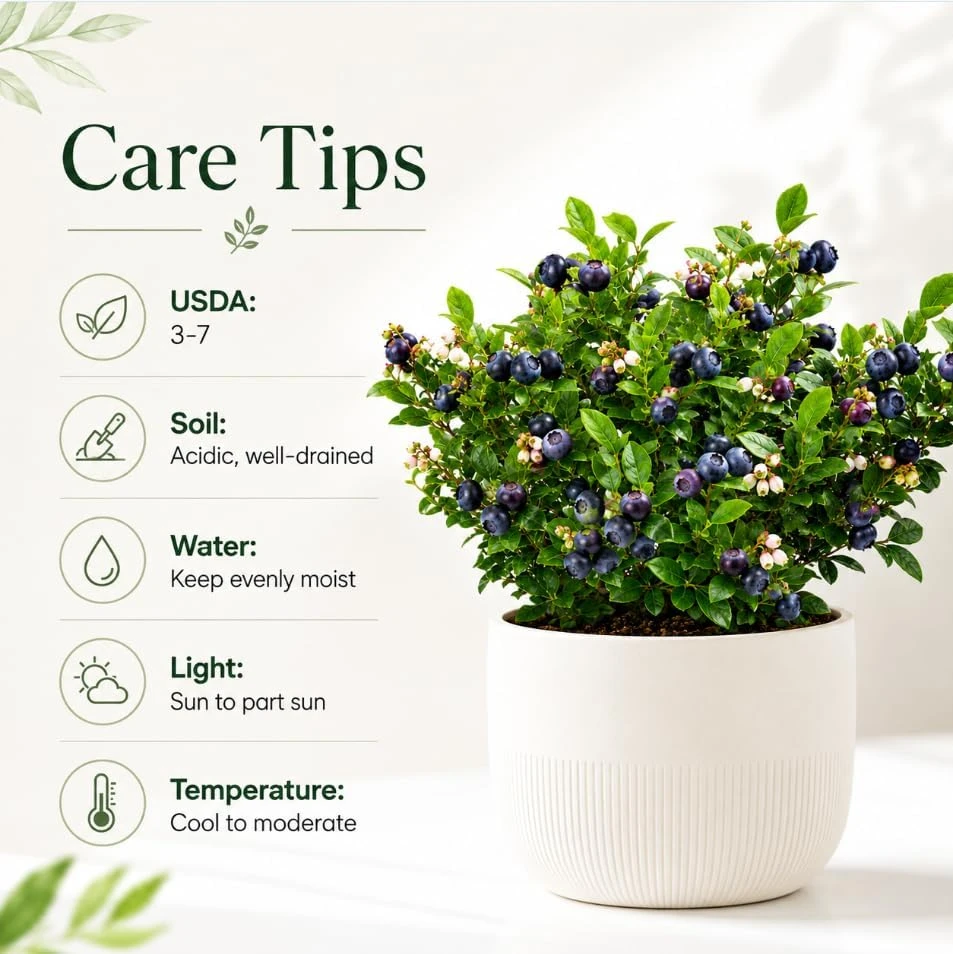
USDA Hardiness Zone
3-8 -
Soil Type
Well-draining, acidic soil (pH 4.5-5.5) -
Sunlight Exposure
Full sun to partial shade -
Expected Planting Period
Spring to early summer
Overview
Cultivate your own delicious berries with this vibrant huckleberry live plant. This offering provides a healthy, young sweet black huckleberry bush, carefully nurtured and ready to thrive in your outdoor garden. Known for their rich flavor and deep color, huckleberries are a delightful addition to any edible landscape, offering both ornamental beauty and a bountiful harvest. Our live huckleberry plant is shipped in a 1.5-inch pot, measuring 2-4 inches tall, ensuring a strong start for your gardening project. These plants are ideal for gardeners looking to grow their own fruit, add biodiversity to their yard, or simply enjoy the charm of a productive berry bush. Get ready to enjoy fresh, wholesome huckleberries straight from your backyard!
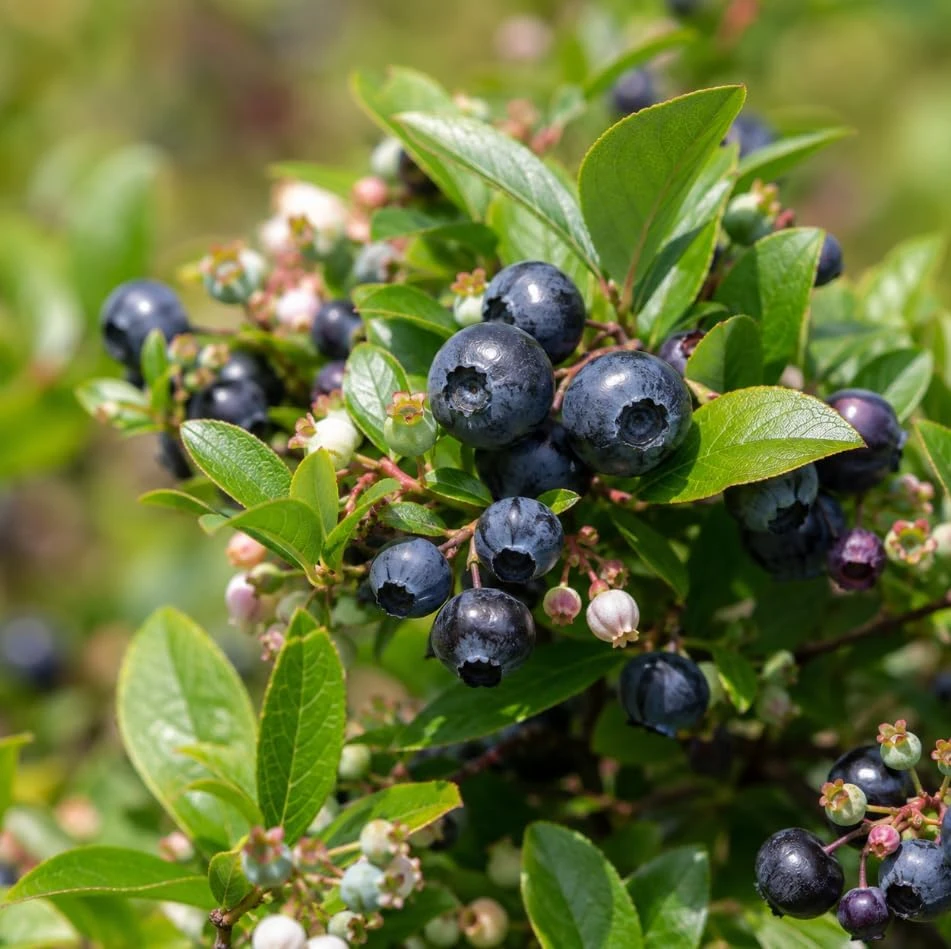
The sweet black huckleberry (Vaccinium membranaceum, though often broadly applied to various species) is a highly sought-after berry plant, prized for its exceptionally flavorful fruit. Unlike blueberries, huckleberries typically have fewer, larger seeds and a more intense, wild berry taste. This live plant offers an excellent opportunity to establish these wonderful fruit producers in your own environment, providing years of enjoyment and delicious harvests. Whether you’re an experienced gardener or just starting out, growing huckleberries can be a rewarding experience that connects you with nature and provides healthy, organic produce.
Key Benefits
Adding a huckleberry live plant to your garden offers numerous advantages, from delicious fruit to ecological benefits. These resilient bushes provide not only a source of fresh, flavorful berries but also contribute to the beauty and health of your outdoor space. Discover the many reasons why this sweet black huckleberry plant is an excellent choice for your home:
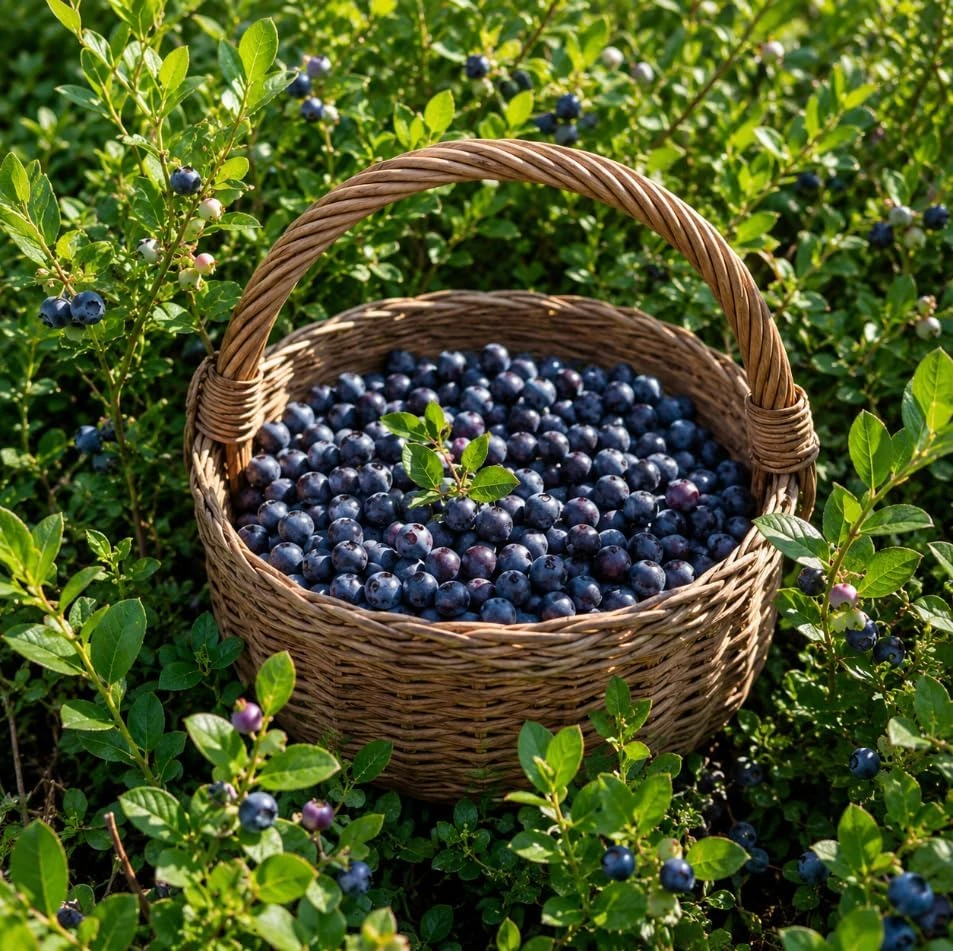
- Delicious, Nutritious Fruit: Enjoy the rich, sweet-tart flavor of homegrown black huckleberries, perfect for eating fresh, baking into pies, jams, or sauces. These berries are packed with antioxidants and vitamins, making them a healthy treat.
- Attractive Garden Addition: Beyond their fruit, huckleberry bushes offer appealing foliage that can add texture and color to your landscape. They provide visual interest throughout the growing season, from delicate spring blooms to vibrant autumn leaves.
- Supports Local Wildlife: The flowers attract pollinators like bees, and the berries provide a food source for birds and other small wildlife, contributing to the local ecosystem’s health and biodiversity.
- Hardy and Resilient: These plants are known for their hardiness, thriving in a range of climates (USDA Zones 3-8) once established, making them a reliable choice for many gardeners.
- Easy to Grow: With proper initial care and suitable growing conditions, growing huckleberries can be relatively straightforward, rewarding gardeners with minimal fuss for their efforts.
- Unique Flavor Profile: Huckleberries offer a distinct taste that sets them apart from more common berries, providing a gourmet experience right from your own garden.
- Sustainable Food Source: Growing your own fruit reduces reliance on store-bought produce, offering a sustainable and satisfying way to enjoy fresh, organic berries.
Plant Care & Growing Tips
Ensuring your huckleberry live plant thrives requires understanding its specific needs for sunlight, soil, and water. These plants generally prefer conditions that mimic their natural woodland habitats. For optimal growth and fruit production, select a site in your garden that receives full sun to partial shade. Full sun (at least 6-8 hours of direct sunlight daily) typically leads to more abundant fruiting, while partial shade can be beneficial in hotter climates to prevent stress during the peak afternoon heat.
The right soil is crucial for a healthy sweet black huckleberry. They prefer well-draining, acidic soil with a pH between 4.5 and 5.5. If your soil is too alkaline, you may need to amend it with peat moss, sulfur, or specific acidic soil amendments. Good drainage is paramount; avoid planting in areas where water tends to collect, as huckleberry roots are susceptible to rot in waterlogged conditions. Consistent moisture is also important, especially during establishment and fruit development. Keep the soil consistently moist but never waterlogged. Regular watering, particularly during dry spells, will encourage robust growth and a good harvest. Mulching around the base of the plant with pine needles or wood chips can help retain soil moisture, suppress weeds, and maintain soil acidity.
When it comes to temperatures, huckleberries are quite resilient. They thrive in temperatures between 50 and 75 degrees Fahrenheit during their active growing season. They are hardy in USDA Zones 3-8, meaning they can tolerate significant winter cold, often requiring a period of chilling to produce fruit. Fertilize sparingly with an acid-loving plant fertilizer in early spring, following package directions to avoid over-fertilization, which can harm the plant. Pruning is generally minimal for young plants, focusing on removing any dead or diseased branches. As the bush matures, light pruning can help maintain shape and encourage new growth. Understanding huckleberry bush care will lead to a productive and beautiful addition to your garden.
Size & Details
This offering is for one healthy huckleberry live plant, carefully cultivated and ready for transplanting into your garden. Each plant arrives securely nestled in a 1.5-inch nursery pot, providing a stable environment for its initial growth. The plant itself stands approximately 2-4 inches tall from the soil line, showcasing young, vibrant foliage and a well-established root system ready to take hold in its new home. These young plants are ideal for gardeners who enjoy watching their plants mature and develop over time, offering a rewarding growing experience.
Upon arrival, your sweet black huckleberry plant will be actively growing and packaged to ensure its health during transit. Huckleberry bushes generally have a moderate growth rate, eventually reaching a mature height of 3-6 feet tall and wide, depending on the specific variety and growing conditions. Expect your plant to begin producing fruit within 2-3 years after planting, with yields increasing as the plant matures. This is a long-lived perennial shrub that will provide many years of delicious fruit and ornamental value to your outdoor space, making it a valuable long-term investment for any gardener interested in growing huckleberries.
Frequently Asked Questions
- Q: How big does this huckleberry plant get? A: This young huckleberry plant arrives 2-4 inches tall in a 1.5-inch pot. At maturity, most sweet black huckleberry bushes can reach 3-6 feet in height and spread, depending on the variety and growing conditions in your garden.
- Q: Is this an indoor or outdoor plant? A: This huckleberry live plant is specifically intended for outdoor cultivation. It requires seasonal changes and specific light conditions that are best met in an outdoor garden environment to thrive and produce fruit.
- Q: How much sunlight does it need? A: Huckleberries perform best in full sun to partial shade. Aim for at least 6-8 hours of direct sunlight daily for optimal fruit production, though some afternoon shade can be beneficial in very hot climates.
- Q: Is this plant easy to care for? A: Huckleberries are moderately easy to care for. They require specific soil conditions (acidic, well-draining) and consistent moisture, especially when establishing. Once these needs are met, huckleberry bush care is relatively straightforward.
- Q: What condition will it arrive in? A: Your huckleberry plant will arrive as a healthy, live plant in a 1.5-inch nursery pot, typically 2-4 inches tall, with its root ball intact and protected to ensure a smooth transition to your garden.
- Q: How long until it blooms and produces fruit? A: Huckleberry plants typically begin blooming in spring to early summer. You can usually expect your young plant to start producing fruit within 2-3 years after planting, with increasing yields as it matures.
- Q: Will it survive winter in my zone? A: Yes, this sweet black huckleberry plant is hardy in USDA Zones 3-8, meaning it is well-equipped to survive cold winter temperatures within this range and often requires a cold dormancy period to produce fruit.
Be the first to review “Sweet Black Huckleberry Live Plant Bush – Outdoor Garden, 2-4 Inch Tall, 1.5 Inch Pot”
Related products


You May Like

Hardneck vs. Softneck Garlic: Which Should You Grow?
Have you ever stood in front of a seed catalog in mid-September, staring at dozens [...]
Oct

When to Plant Music Garlic: Ultimate US Fall Guide
Have you ever spent your fall weekend placing carefully chosen garlic cloves into rich, dark [...]
1 Comment
Oct

5 Best Bulbs for Fall Planting: Brighten Your Garden This Spring
Are you dreaming of a garden full of vibrant colors in the spring? The key [...]
Aug

10 Houseplants That Will Thrive in Your Kitchen
Are you tired of your kitchen feeling dull and lifeless? Want to add a little [...]
1 Comment
Aug
Reviews
There are no reviews yet.