
3 Brown Turkey Fig Tree Starter Plants – Ficus Carica Fruiting Perennial
Original price was: 95.99 $.70.99 $Current price is: 70.99 $.
Cultivate your own orchard with these 3 Brown Turkey Fig Tree Starter Plants. These Ficus Carica fruiting perennials are known for their delicious, sweet figs and robust growth, making them an excellent addition to any garden. Ideal for home growers seeking fresh, homegrown fruit.
Estimated arrival
Oct 16
Oct 21 - Oct 23
Oct 23 - Oct 28
See our Shipping Policy.
Get in touch with us via email, and our team will review your concerns.
Our Alive & Thrive Guarantee covers issues with your plants within the first 30 days. Read our Refund & Returns Policy.
-
USDA Hardiness Zone
USDA zones 7-10 (can be grown in containers in colder zones) -
Soil Type
Well-draining, slightly acidic soil -
Sunlight Exposure
Full sun (6-8 hours direct daily sunlight) -
Expected Planting Period
Early spring
Overview
Embark on a rewarding gardening journey with this set of 3 Brown Turkey Fig Tree Starter Plants. These young Ficus Carica specimens are ready to be planted and nurtured into prolific fruit-bearing trees, offering the unparalleled delight of fresh figs picked right from your backyard. The Brown Turkey fig is a highly favored variety, celebrated for its rich, sweet flavor and tender skin, making it perfect for eating fresh, drying, or preserving. Unlike many other fruits, figs ripen entirely on the branch, ensuring a superior taste experience that store-bought varieties often can’t match. This makes growing fig trees a truly satisfying endeavor for any fruit enthusiast. These perennial plants are renowned for their hardiness and adaptability, thriving in a range of climates and soil conditions, and are an iconic choice for both novice and experienced gardeners seeking to expand their edible landscape.
Each starter plant represents the beginning of a vibrant, productive tree. The Ficus Carica species is self-fruitful, meaning you only need one plant to produce a bountiful harvest, though planting multiples, like these 3, can significantly extend your yield. Figs are not only delicious but also a beautiful addition to your garden, with their distinctive lobed leaves providing lush greenery. These plants are shipped as bare-root specimens, a common and effective method for establishing fruit trees, ensuring they adapt well to their new environment. Prepare to enjoy the sweet rewards of your labor with these exceptional Brown Turkey Fig Tree Starter Plants.
Key Benefits
Adding perennial fruit trees like the Brown Turkey Fig to your garden offers numerous advantages, from delicious harvests to enhanced garden aesthetics. These benefits make them a valuable investment for any home gardener:
- Abundant, Delicious Fruit Production: Enjoy a consistent supply of sweet, juicy Brown Turkey figs, known for their rich flavor and soft texture, perfect for fresh eating, jams, or desserts.
- Self-Pollinating & Easy to Grow: As a self-fruitful variety, these fig trees do not require cross-pollination, simplifying the growing process and ensuring fruit production even with a single plant. They are generally low-maintenance once established.
- Long Harvest Season: With proper care and selection, you can extend your fig harvest from summer into early fall, potentially even yielding a bonus “breba” crop early in the season.
- Drought Tolerance: Once established, growing fig trees are remarkably drought-tolerant, making them a resilient choice for various climates and reducing water requirements.
- Versatile Landscape Addition: The attractive foliage of the Ficus Carica makes it a beautiful ornamental tree, providing shade and visual interest in your garden while also producing edible fruit.
- Health Benefits: Figs are packed with fiber, vitamins, and minerals, offering a nutritious and healthy snack straight from your garden.
- Adaptable to Various Conditions: Brown Turkey figs can thrive in a range of soil types and are suitable for coastal regions, tolerating loamy, clay, or sandy conditions, provided drainage is adequate.
Plant Care & Growing Tips
Caring for your Brown Turkey Fig Tree Starter Plants involves understanding their needs for sunlight, water, and soil to ensure robust growth and an abundant harvest. These plants thrive in warm climates and require ample sunlight. It’s ideal to plant them in an area that receives six to eight hours of direct, daily sunlight. Less sunlight will prevent trees from producing as many figs compared to those planted with adequate light. Full sun is essential not only for an abundant harvest but also for developing the sweetest fruit. Proper light exposure is a cornerstone of successful fig tree care and will directly impact the quality and quantity of your fruit.
Regarding watering, consistency is key, especially during the first year as the plants become established. Water regularly to keep the soil consistently moist but not waterlogged. Once established, figs can become quite drought-tolerant, but regular watering is still important when fruit is developing. Check the soil daily and water as needed. Fig trees grow well in various soil conditions, but slightly acidic and well-drained soils are best. Soil with rich, organic matter helps supplement growth. Regular potting mixes work well for fig trees as long as it retains moisture and is well-aerated. These plants tolerate loamy, clay, or sandy conditions, making them versatile for many garden settings. Understanding these basic principles will greatly assist you in growing fig trees successfully.
For optimal growth, consider mulching around the base of your young fig trees to help retain soil moisture and regulate temperature. While mature trees can reach significant heights (10 to 30 feet), you can manage their size through pruning, especially if you have limited space or wish to grow them in containers. Fertilization can support vigorous growth, particularly in less fertile soils; a balanced, all-purpose fertilizer applied in early spring is generally sufficient. Monitoring for common pests and diseases, though figs are relatively resistant, is also part of comprehensive fig tree care. By following these guidelines, your perennial fruit trees will flourish.
Size & Details
This offering includes 3 Brown Turkey Fig Tree Starter Plants, shipped as bare-root specimens, which is an excellent method for ensuring healthy establishment in their new environment. Bare-root plants are dormant and free of soil, making them lightweight and easy to handle, and they typically establish quickly once planted. While exact starter plant sizes can vary, they are typically young, healthy plants ready for transplanting into your garden or a larger pot. Mature Brown Turkey fig trees can reach heights of 10 to 30 feet, depending on growing conditions and pruning practices. They have a moderate to fast growth rate, allowing you to enjoy fresh fruit within a few years of planting.
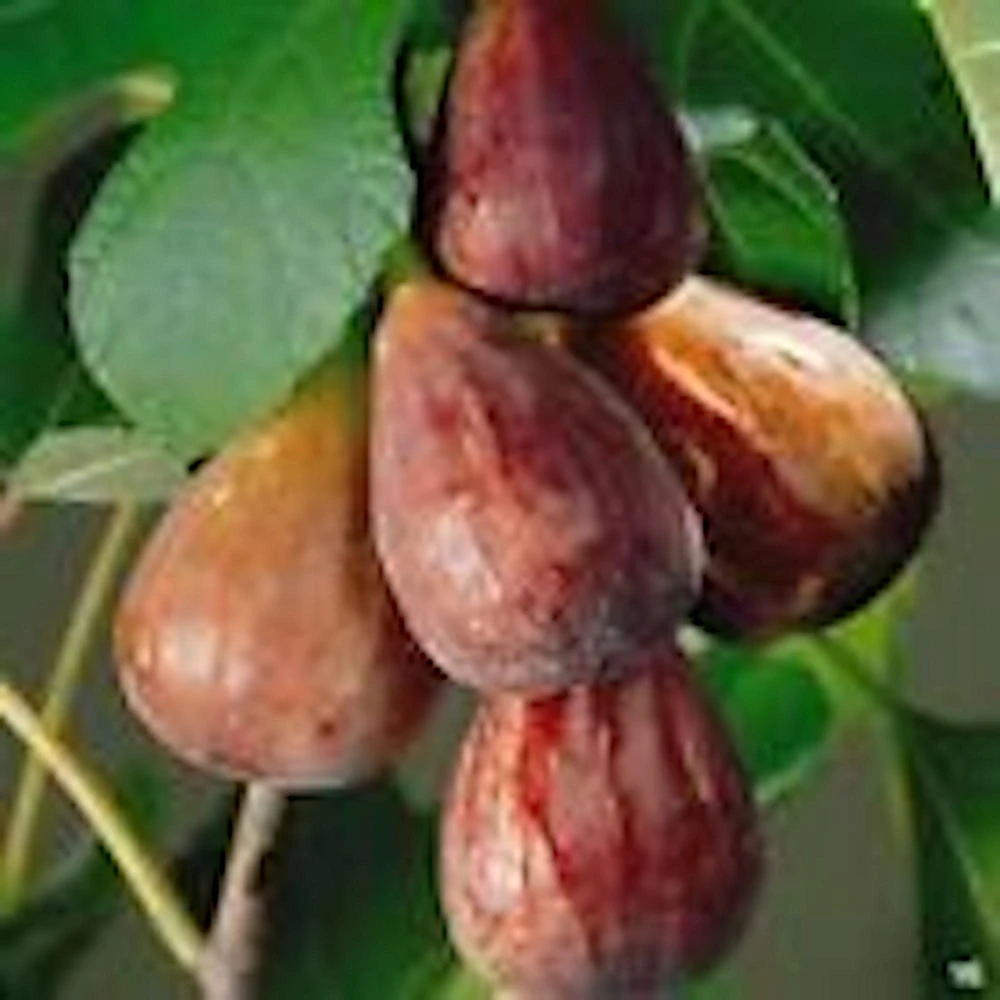
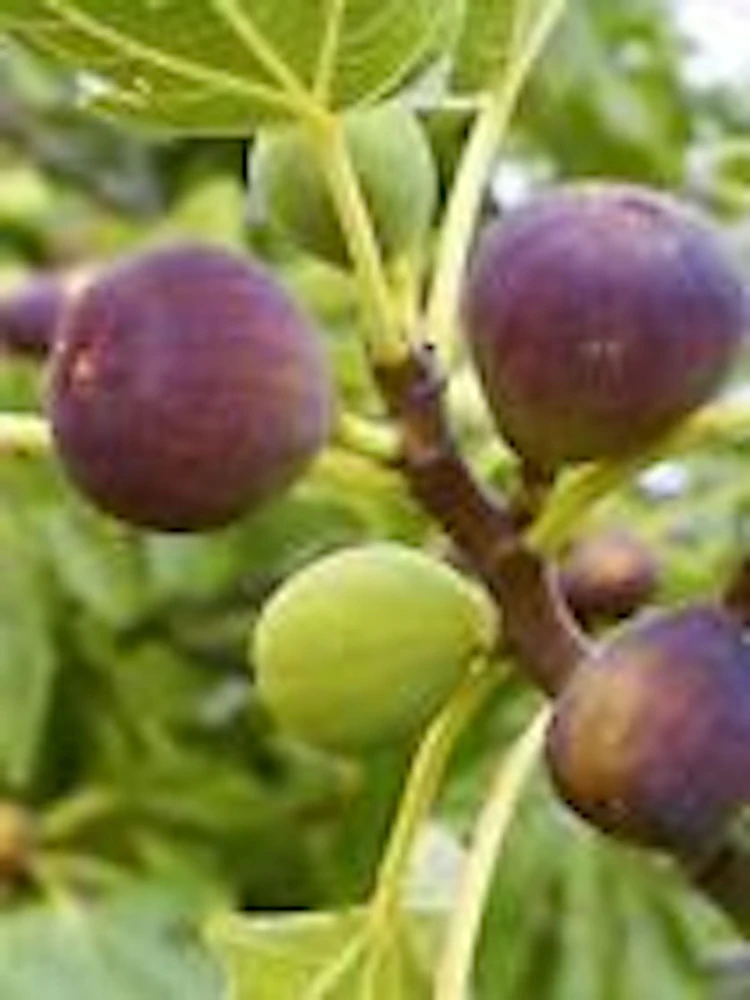
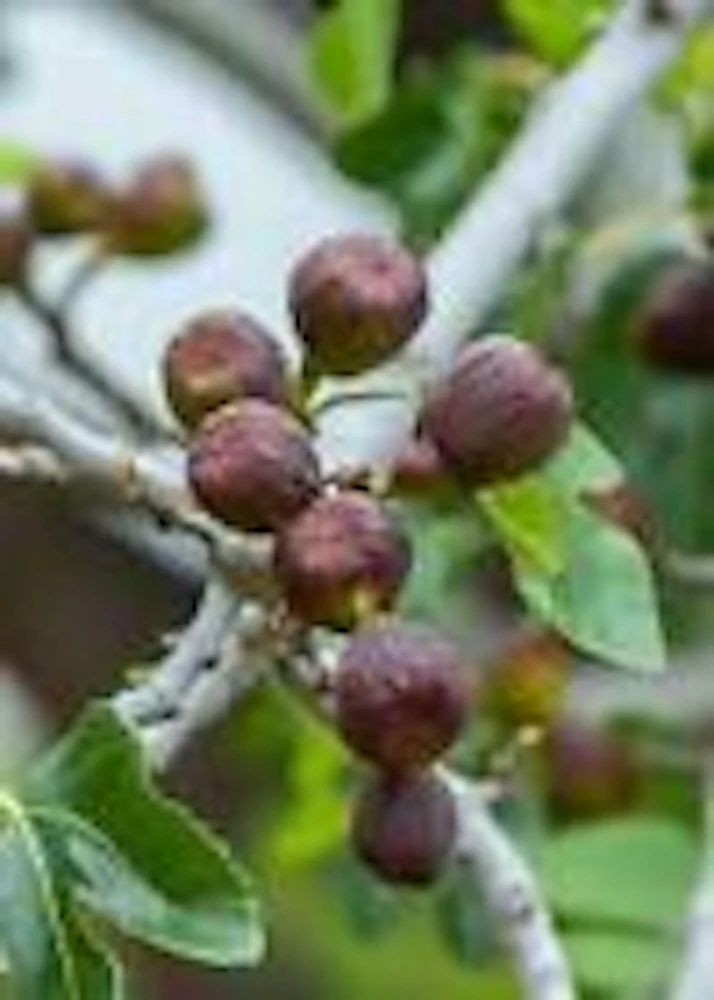
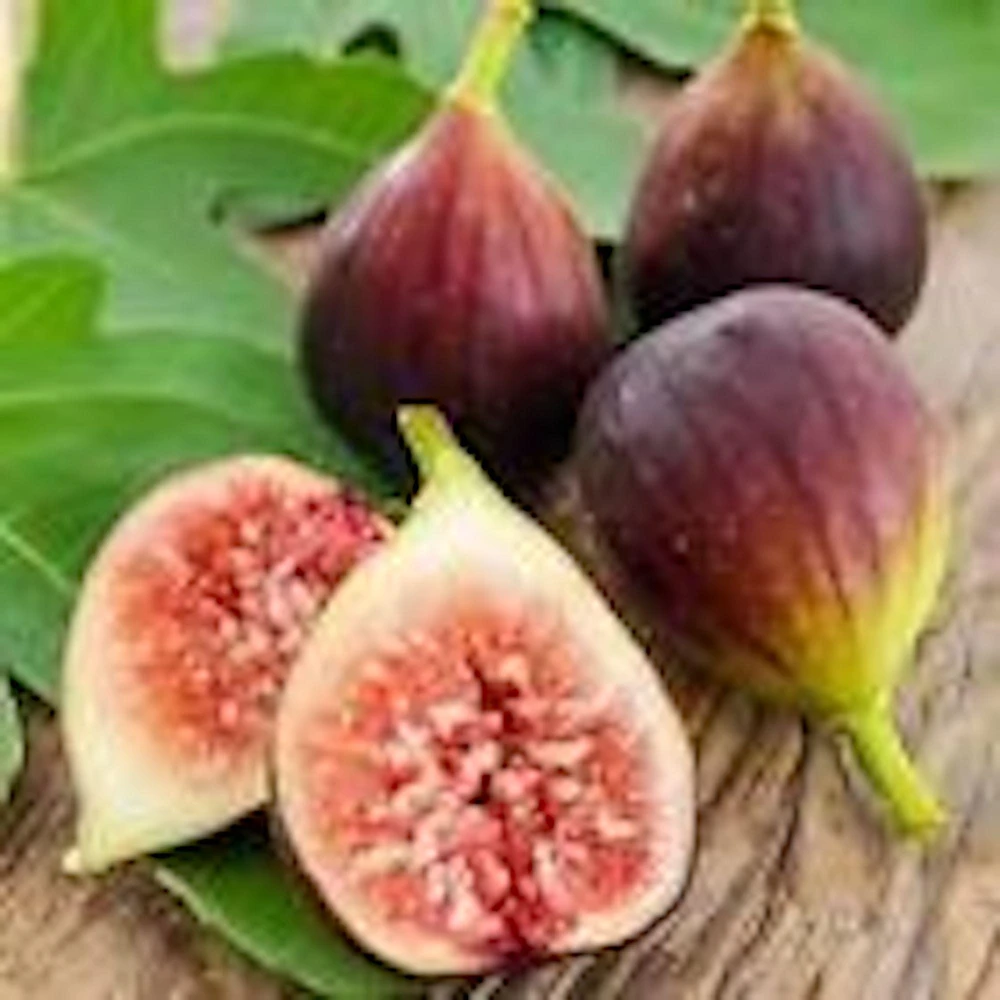
The Brown Turkey fig is a common fig tree (Ficus Carica) that does not require pollination to bear new fruit, making it self-fruitful. This means you only need one plant to produce fruit, but with this set of three, you can anticipate a more substantial and extended harvest. Figs are known to vary in size, shape, flavor, texture, and harvest time, and their skin can be black, green, brown, violet, yellow, or purple. The Brown Turkey variety typically yields medium to large, pear-shaped figs with brownish-purple skin and sweet, reddish flesh. Expect fruit production to begin within 2-3 years, with yields increasing as the trees mature. These perennial fruit trees are a long-term investment in your home orchard.
Frequently Asked Questions
- Q: How big do these Brown Turkey Fig Tree Starter Plants get? A: These are starter plants, so they are young. Once mature, Brown Turkey Fig Tree Starter Plants can grow between 10 to 30 feet tall, depending on growing conditions, climate, and whether they are pruned.
- Q: Is this an indoor or outdoor plant? A: The Brown Turkey Fig is primarily an outdoor plant, thriving in full sun. However, it can be grown in large containers and brought indoors during winter in colder climates, making it a versatile option for growing fig trees.
- Q: How much sunlight does it need? A: Fig trees require full sun, meaning at least six to eight hours of direct sunlight per day, for optimal fruit production and the sweetest figs. This is a crucial aspect of good fig tree care.
- Q: Is this plant easy to care for? A: Yes, Brown Turkey fig trees are generally considered easy to care for, especially once established. They are relatively drought-tolerant and self-fertile, reducing the complexity of their maintenance compared to some other fruit trees.
- Q: What condition will the plants arrive in? A: These plants ship bare root, meaning they will arrive dormant and without soil or a pot. This method promotes healthy root development and reduces transplant shock.
- Q: When is the best time to plant these fig trees? A: The best time to plant bare-root fig trees is typically in late winter or early spring, after the danger of hard frosts has passed, allowing them to establish before the heat of summer.
- Q: Will these fig trees produce fruit in their first year? A: While it’s possible for some young fig trees to produce a small amount of fruit in their first year, significant fruit production usually begins in the second or third year after planting, increasing as the tree matures.
- Q: Do I need more than one Brown Turkey fig tree to get fruit? A: No, the Brown Turkey fig is a self-fruitful variety, meaning it does not require another fig tree for pollination to produce fruit. However, planting multiple perennial fruit trees can lead to a larger harvest.
- Q: What kind of soil is best for fig trees? A: Fig trees prefer well-drained soil that is slightly acidic. They can tolerate a range of soil types including loamy, clay, or sandy conditions, provided there is good drainage and sufficient organic matter.
- Q: Is this Ficus Carica fruiting variety suitable for containers? A: Yes, Brown Turkey fig trees can be successfully grown in large containers, especially in regions with colder winters where they may need to be moved indoors. This is a great way to manage their size and enjoy Ficus Carica fruiting even in smaller spaces.
Be the first to review “3 Brown Turkey Fig Tree Starter Plants – Ficus Carica Fruiting Perennial”
Related products


You May Like

Hardneck vs. Softneck Garlic: Which Should You Grow?
Have you ever stood in front of a seed catalog in mid-September, staring at dozens [...]
Oct

When to Plant Music Garlic: Ultimate US Fall Guide
Have you ever spent your fall weekend placing carefully chosen garlic cloves into rich, dark [...]
1 Comment
Oct

5 Best Bulbs for Fall Planting: Brighten Your Garden This Spring
Are you dreaming of a garden full of vibrant colors in the spring? The key [...]
Aug

10 Houseplants That Will Thrive in Your Kitchen
Are you tired of your kitchen feeling dull and lifeless? Want to add a little [...]
1 Comment
Aug
Reviews
There are no reviews yet.