


3 Sweetie Pie Blackberry Plant Bare Root Perennial Fruit Shrub
Original price was: 95.99 $.70.99 $Current price is: 70.99 $.
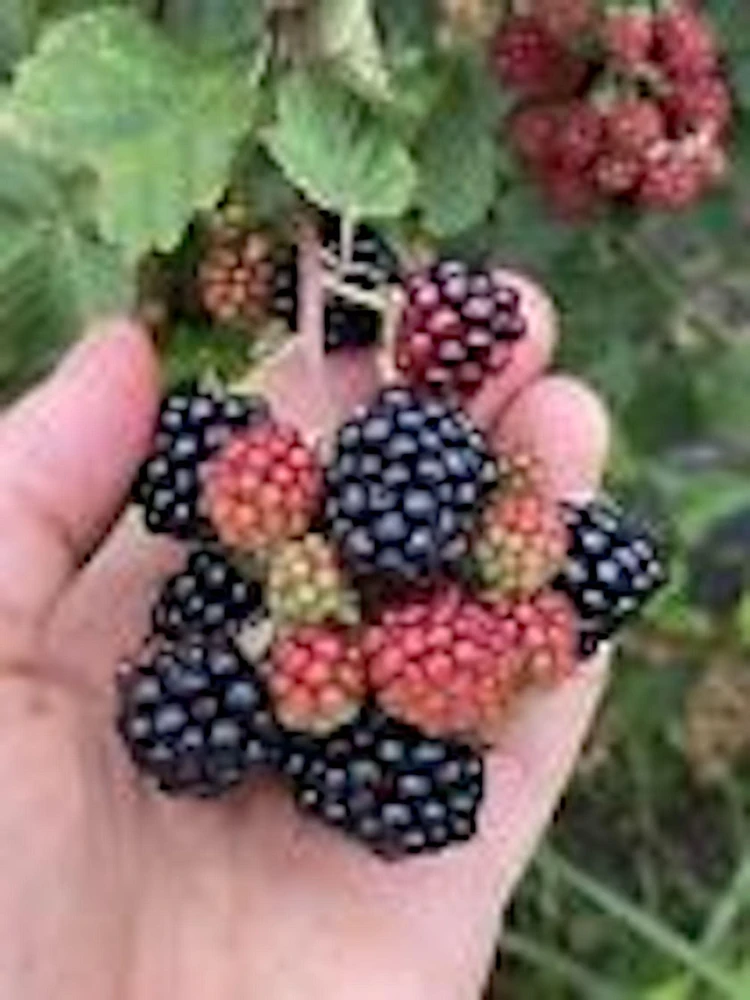
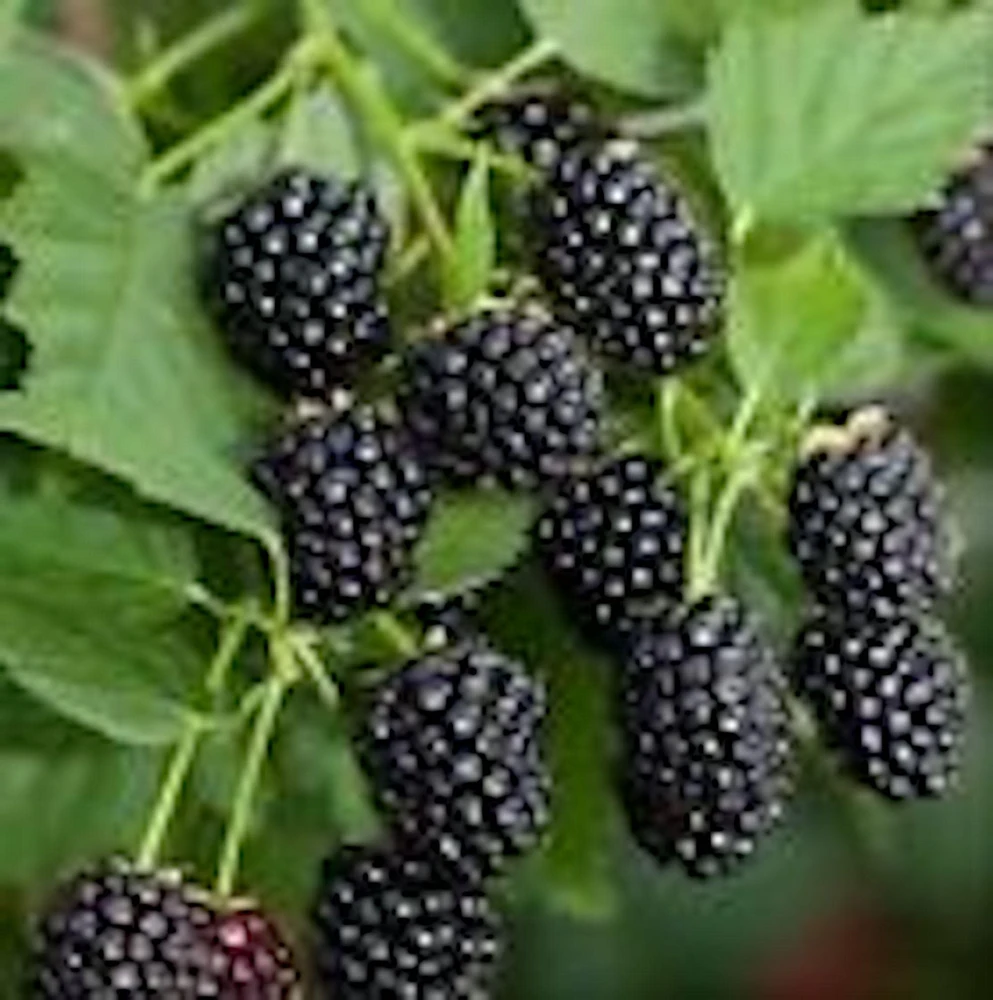
Cultivate your own delicious berries with this sweetie pie blackberry plant. You receive 3 bare root perennial fruit shrubs, ready to be planted in your garden. Known for their ease of care and high antioxidant content, these plants thrive in full sun and produce abundant harvests.
Estimated arrival
Oct 16
Oct 21 - Oct 23
Oct 23 - Oct 28
See our Shipping Policy.
Get in touch with us via email, and our team will review your concerns.
Our Alive & Thrive Guarantee covers issues with your plants within the first 30 days. Read our Refund & Returns Policy.
-
USDA Hardiness Zone
USDA zones 5-9 -
Soil Type
Slightly acidic, well-draining soil -
Sunlight Exposure
Full sun to partial shade -
Expected Planting Period
Early spring
Overview
Embark on a rewarding gardening journey with the sweetie pie blackberry plant, a delightful addition to any home orchard or edible landscape. This offering includes 3 individual bare root perennial plants from the genus Rubus, celebrated for their prolific fruit production and robust nature. The ‘Sweetie Pie’ variety is particularly cherished for its delicious, antioxidant-rich berries, making it an excellent choice for health-conscious gardeners and culinary enthusiasts alike. These fruiting shrubs are known for their relatively easy cultivation, offering a bountiful harvest with proper care. Blackberries, much like their close relatives the raspberries, are packed with essential nutrients, including significant levels of vitamin C, vitamin K, potassium, and dietary fiber, all while being low in fat. Integrating these plants into your garden not only provides a fresh source of healthy fruit but also adds an attractive, productive element to your outdoor space.
The sweetie pie blackberry plant is a versatile shrub that adapts well to various growing conditions, making it suitable for a wide range of climates. As members of the Rosaceae family, their cultivation shares similarities with roses, yet they are far less demanding than hybrid tea roses. This resilience and adaptability contribute to their popularity among both novice and experienced gardeners. When you plant these bare root specimens, you are laying the foundation for years of fresh, homegrown blackberries, perfect for snacking, baking, preserves, or adding to smoothies. Experience the joy of harvesting your own fruit directly from your garden with these robust and rewarding blackberry plants.
Key Benefits
Growing a sweetie pie blackberry plant offers numerous advantages, transforming your garden into a productive and beautiful space while providing you with healthy, delicious fruit. Here are some of the standout benefits:
- Abundant Fruit Production: These perennial shrubs are known for producing a generous harvest of sweet, juicy blackberries year after year, ensuring a steady supply for your household.
- Rich in Antioxidants: Blackberries are a powerhouse of nutrition, high in antioxidants like vitamin C and vitamin K, as well as essential minerals such as potassium and dietary fiber, contributing to a healthy diet.
- Relatively Easy to Grow: Unlike some more demanding fruit plants, the sweetie pie blackberry plant is considered relatively low-maintenance, making it an excellent choice for gardeners of all skill levels. They are closer to wild roses in their ease of care than more finicky cultivated varieties.
- Versatile Culinary Uses: Fresh blackberries are incredibly versatile. Enjoy them straight from the vine, in pies, jams, jellies, smoothies, desserts, or as a delightful topping for breakfast cereals and yogurts.
- Attractive Garden Addition: Beyond their fruit, blackberry bushes add an appealing, natural aesthetic to your garden with their green foliage and eventual dark, ripe berries. They can also serve as a natural hedge or border.
- Long Lifespan: With proper care, bare root blackberry plants can thrive for about a decade, providing many years of delicious fruit and enjoyment from a single planting.
- Supports Local Ecosystems: Planting fruit-bearing shrubs can attract beneficial pollinators and wildlife to your garden, contributing to a healthier local ecosystem.
Plant Care & Growing Tips
Ensuring the success of your sweetie pie blackberry plant begins with proper site selection and consistent care. Blackberries generally prefer sites with full sun, meaning at least 6-8 hours of direct sunlight daily, to ensure the most productive bushes and sweetest fruit. However, in regions with particularly hot summers, some afternoon shade can be beneficial to prevent scorching. Careful site selection is crucial, as these plants can live for a decade or more with the right conditions. The ideal soil for growing sweetie pie blackberry plant is slightly acidic, with a pH between 5.5 and 7.0, and most importantly, it must have excellent drainage. Blackberries do not tolerate heavy clay soils or waterlogged conditions, which can lead to root rot. If your soil is heavy, consider amending it with organic matter like compost or planting in raised beds to improve drainage and aeration.
Watering is another key aspect of care for your rubus fruit plant. Blackberries require moderate amounts of water, approximately 1 inch per week, whether from rainfall or supplemental irrigation. It’s best to provide water at ground level to avoid wetting the foliage, which can encourage fungal diseases. Consistent moisture is especially important during flowering and fruit development. Fertilize your blackberry plants in early spring before new growth begins, using a balanced fertilizer or one higher in phosphorus and potassium to encourage fruiting. Pruning is essential for maintaining plant health and maximizing fruit production. Remove dead, damaged, or diseased canes annually, typically after fruiting. For primocane-fruiting varieties, you can cut all canes back to the ground in late winter for a single, later crop. For floricane-fruiting varieties, prune out the canes that have fruited, leaving the new canes to produce the following year.
Protecting your perennial blackberry care from pests and diseases involves regular inspection and prompt action. Common issues can include fungal diseases like anthracnose or rust, and pests such as cane borers or Japanese beetles. Good air circulation through proper spacing and pruning can help prevent fungal problems. In colder climates, some protection may be needed for canes during winter, although many varieties are quite hardy. Mulching around the base of the plants with organic material like wood chips or straw can help retain soil moisture, suppress weeds, and regulate soil temperature, further contributing to a thriving and productive blackberry patch.
Size & Details
This product includes 3 sweetie pie blackberry plant specimens, provided as bare root perennials. Each plant is carefully prepared for shipping, ensuring that the root system is intact and ready for planting upon arrival. As bare root plants, they do not come with soil or a pot, which allows for easier transplanting and establishment in your garden. The initial size of the bare root plants will vary, but they are typically dormant and ready to emerge with new growth once planted. Once established, the Sweetie Pie blackberry is a vigorous grower, often reaching heights of 4-6 feet and a similar spread, depending on pruning and growing conditions. These plants have a moderate growth rate, establishing themselves within the first year and typically beginning to produce fruit within one to two seasons after planting.
The sweetie pie blackberry plant is a long-lived perennial, capable of producing fruit for approximately 10 years with appropriate care. It is a fruiting shrub belonging to the genus Rubus. These plants are best suited for outdoor cultivation in USDA Hardiness Zones where they can thrive, providing a consistent harvest. The bare root format is ideal for planting directly into garden beds or larger containers, allowing the roots to spread naturally and anchor the plant firmly. Expect your plants to leaf out and begin developing canes as spring progresses, leading to flowering and eventual fruit development during the summer months. The ‘Sweetie Pie’ variety is known for its reliable performance and delicious fruit, making it a valuable addition to any home garden.
Frequently Asked Questions
- Q: How big will the 3 sweetie pie blackberry plant get when mature? A: Once established, the sweetie pie blackberry plant typically grows to a height of 4-6 feet and can spread similarly, depending on pruning and growing conditions. Consistent pruning helps manage their size and encourages better fruit production.
- Q: Is this an indoor or outdoor plant? A: This sweetie pie blackberry plant is an outdoor perennial fruit shrub. It requires full sun exposure and is best suited for planting directly in garden beds or large outdoor containers where it can establish a robust root system.
- Q: How much sunlight does a sweetie pie blackberry plant need? A: For optimal fruit production, your sweetie pie blackberry plant needs at least 6-8 hours of direct sunlight per day. In very hot climates, some afternoon shade can be beneficial to protect the berries and foliage from scorching.
- Q: What condition will the bare root blackberry plants arrive in? A: The plants will arrive as dormant bare root specimens, meaning they will not have leaves or soil. This is a common and effective way to ship perennial plants, ensuring they are ready to establish themselves once planted in your garden.
- Q: Is this plant easy to care for, especially for beginners? A: Yes, the sweetie pie blackberry plant is considered relatively easy to care for, making it a great option for beginner gardeners. Its resilience and adaptability to various conditions, coupled with straightforward care requirements, contribute to its ease of cultivation.
- Q: When is the best time to plant these bare root blackberry plants? A: The ideal time to plant bare root blackberry plants is in early spring, after the danger of hard frosts has passed but before the weather becomes too hot. This allows the plants to establish their root systems before the growing season fully kicks in.
- Q: What kind of soil does a sweetie pie blackberry plant prefer? A: These plants thrive in slightly acidic soil (pH 5.5-7.0) with excellent drainage. They do not tolerate heavy clay or waterlogged conditions, so amending your soil with organic matter or planting in raised beds is recommended if drainage is an issue.
- Q: How long until the sweetie pie blackberry plant starts producing fruit? A: Typically, your sweetie pie blackberry plant will begin producing fruit within one to two seasons after planting. The first year focuses on establishing the plant, with more significant yields expected in subsequent years.
- Q: Will the perennial blackberry care instructions help me grow sweeter berries? A: Following the recommended perennial blackberry care guidelines, particularly regarding sunlight, watering, and soil, will significantly contribute to the health of your plants and the sweetness and abundance of your berry harvest.
- Q: Can I grow this rubus fruit plant in a large container? A: Yes, you can grow this rubus fruit plant in a very large container, such as a half-whiskey barrel or a 15-gallon pot, ensuring it has adequate drainage and room for root development. Container-grown plants may require more frequent watering and feeding.
Be the first to review “3 Sweetie Pie Blackberry Plant Bare Root Perennial Fruit Shrub”
Related products


You May Like

Hardneck vs. Softneck Garlic: Which Should You Grow?
Have you ever stood in front of a seed catalog in mid-September, staring at dozens [...]
Oct

When to Plant Music Garlic: Ultimate US Fall Guide
Have you ever spent your fall weekend placing carefully chosen garlic cloves into rich, dark [...]
1 Comment
Oct

5 Best Bulbs for Fall Planting: Brighten Your Garden This Spring
Are you dreaming of a garden full of vibrant colors in the spring? The key [...]
Aug

10 Houseplants That Will Thrive in Your Kitchen
Are you tired of your kitchen feeling dull and lifeless? Want to add a little [...]
1 Comment
Aug
Reviews
There are no reviews yet.