
Celeste Fig Tree Starter Plant – Cold Hardy Honey/Sugar Fig – Live Plant
Original price was: 85.99 $.60.99 $Current price is: 60.99 $.
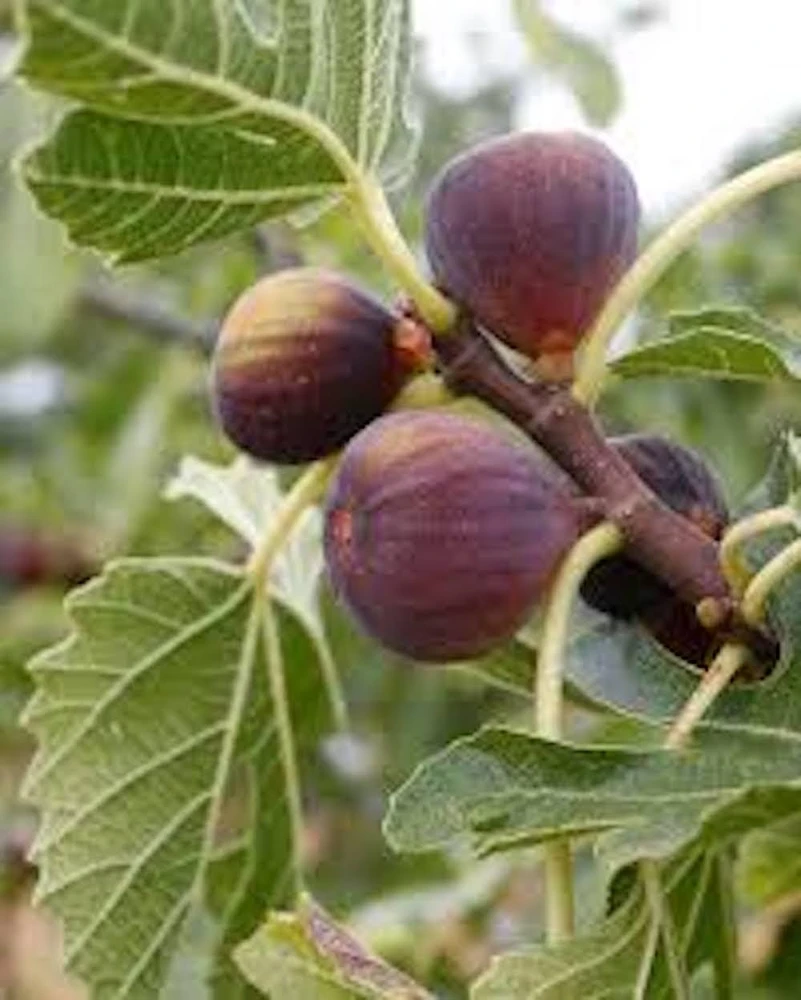
Cultivate your own delicious fruit with the celeste fig tree starter plant. This cold hardy fig variety is self-pollinating and produces abundant, sweet “sugar figs,” ideal for home gardens and containers. Known for disease resistance and a “closed eye” feature, it’s a low-maintenance choice for fruit lovers.
Estimated arrival
Oct 17
Oct 22 - Oct 24
Oct 24 - Oct 29
See our Shipping Policy.
Get in touch with us via email, and our team will review your concerns.
Our Alive & Thrive Guarantee covers issues with your plants within the first 30 days. Read our Refund & Returns Policy.
-
USDA Hardiness Zone
USDA Zones 6-10 -
Soil Type
Well-draining, fertile loamy soil -
Sunlight Exposure
Full sun (6-8+ hours daily) -
Expected Planting Period
Spring to early summer
Overview
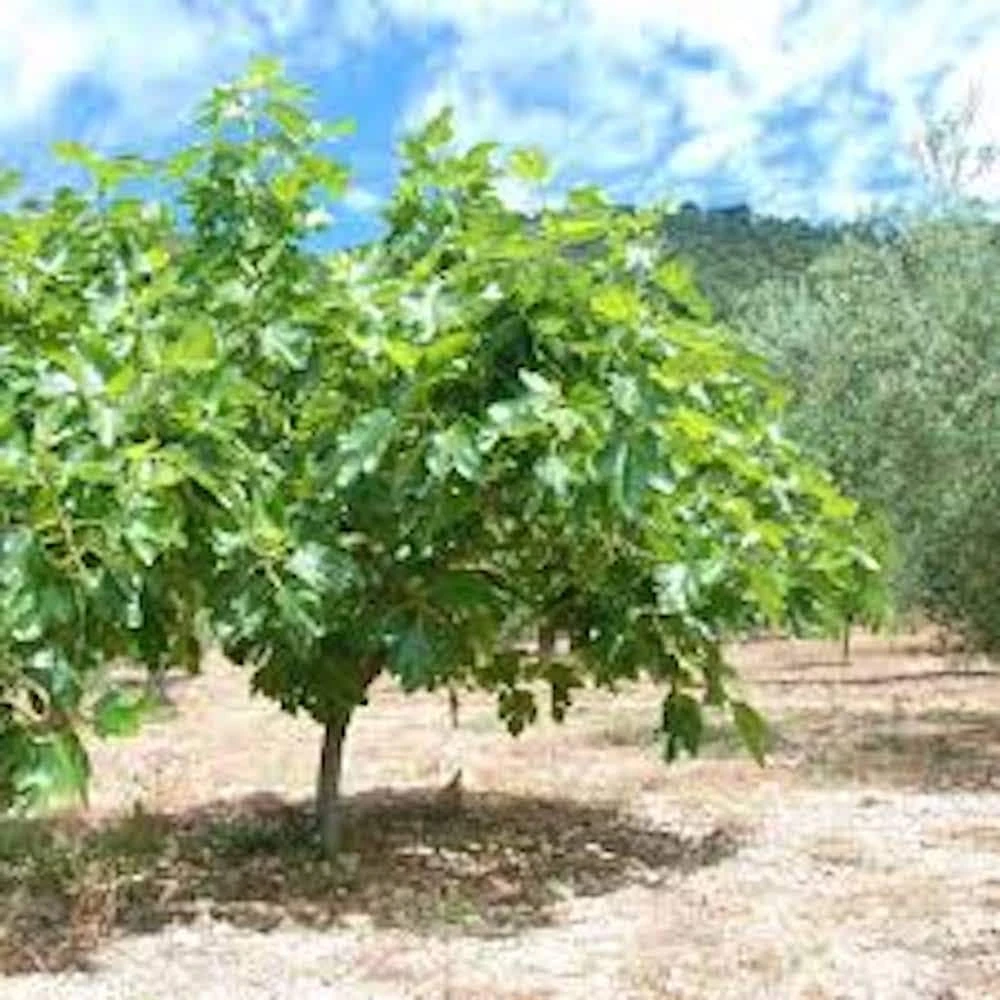
The celeste fig tree is a highly sought-after variety, perfect for gardeners looking to grow their own delicious fruit. This particular offering is a starter plug, providing a robust young plant ready to thrive in your garden or container. Scientifically known as Ficus carica ‘Celeste’, it’s widely recognized as a ‘Honey Fig’ or ‘Sugar Fig’ due to its exceptionally sweet fruit. Originating from the Mediterranean region, this deciduous fruit tree is celebrated for its adaptability and prolific bearing. It’s an excellent choice for both novice and experienced gardeners, promising a bountiful harvest of delectable figs.
This celeste fig tree is a live plant, specifically a starter plug, ensuring a strong foundation for growth. It’s renowned for its cold-hardiness, making it suitable for a wider range of climates compared to many other fig varieties. Its self-pollinating nature means you only need one tree to enjoy a harvest, simplifying the growing process. Whether you envision it as a focal point in your garden or a productive addition to your patio in a container, the Celeste fig offers both ornamental beauty and a generous supply of sweet, juicy figs.
Key Benefits
The celeste fig tree offers numerous advantages for the home gardener, blending ease of care with a rewarding yield. Its popularity stems from a combination of resilience and exceptional fruit quality.
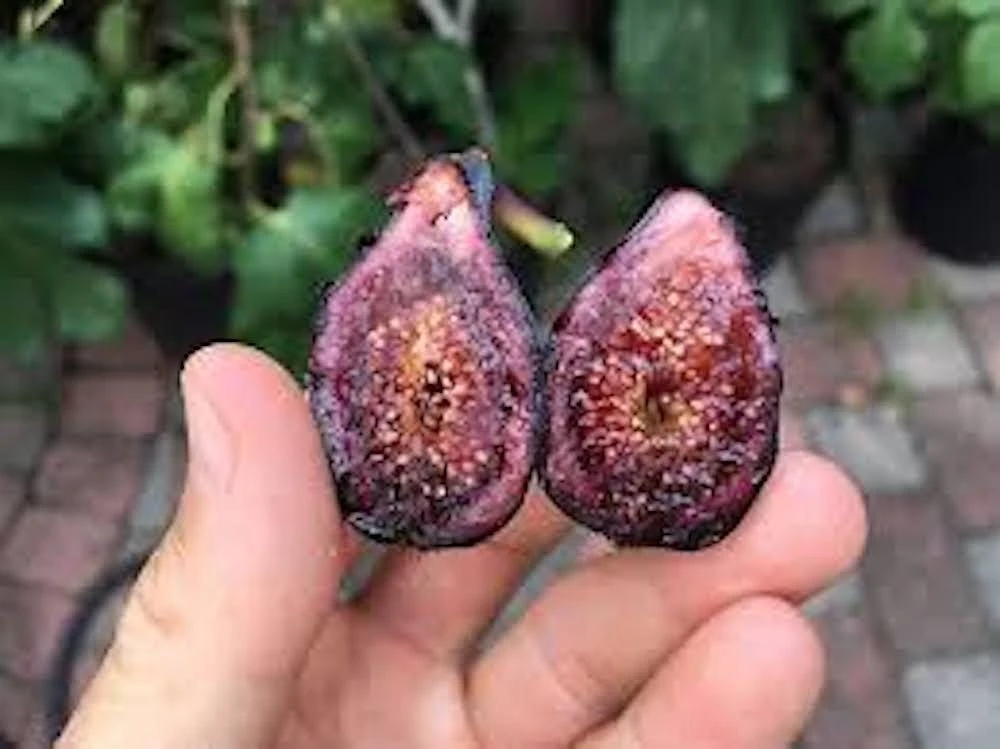
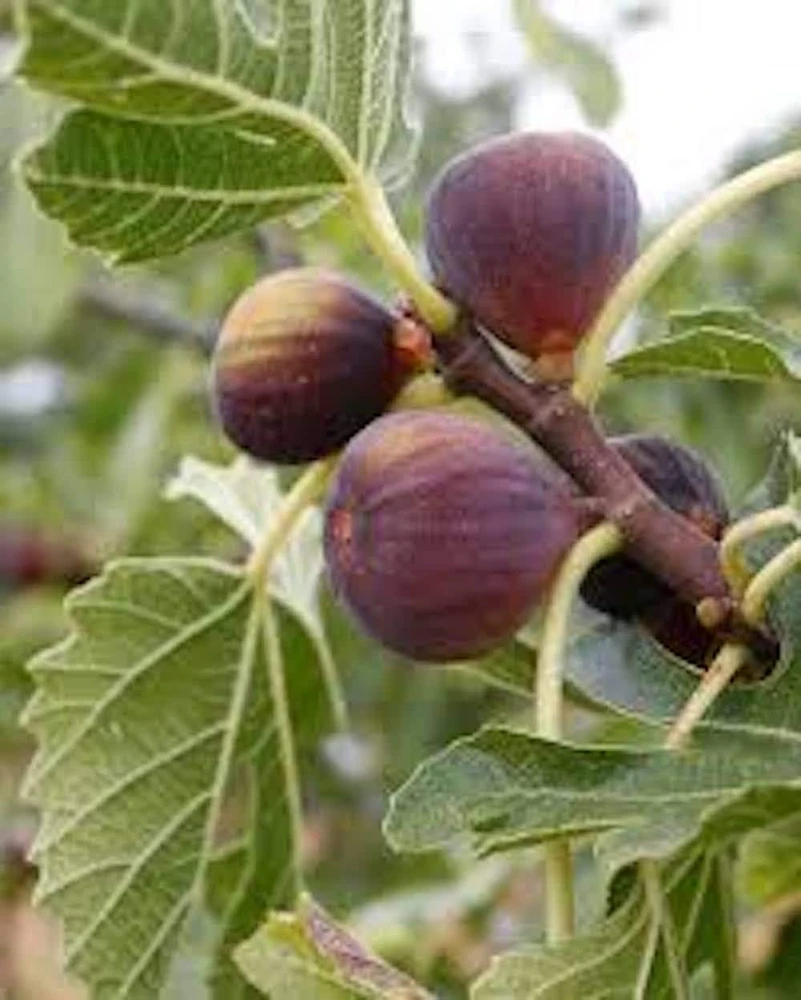
- Abundant Sweet Fruit: Enjoy a prolific harvest of small to medium-sized figs, often referred to as “sugar figs” or “honey figs” due to their incredibly sweet flavor and rich texture. These are perfect for fresh eating, preserves, or baking.
- Cold-Hardiness: This variety is notably cold-hardy, allowing it to thrive in regions where other fig trees might struggle, expanding the possibilities for growing fresh figs.
- Self-Pollinating: The Celeste fig is a self-fertile variety, meaning you only need one tree to produce fruit. This simplifies cultivation and ensures a reliable harvest without the need for cross-pollination.
- Disease Resistance: Known for its robust health, the Celeste fig exhibits good resistance to common fig diseases, reducing the need for extensive care and treatments.
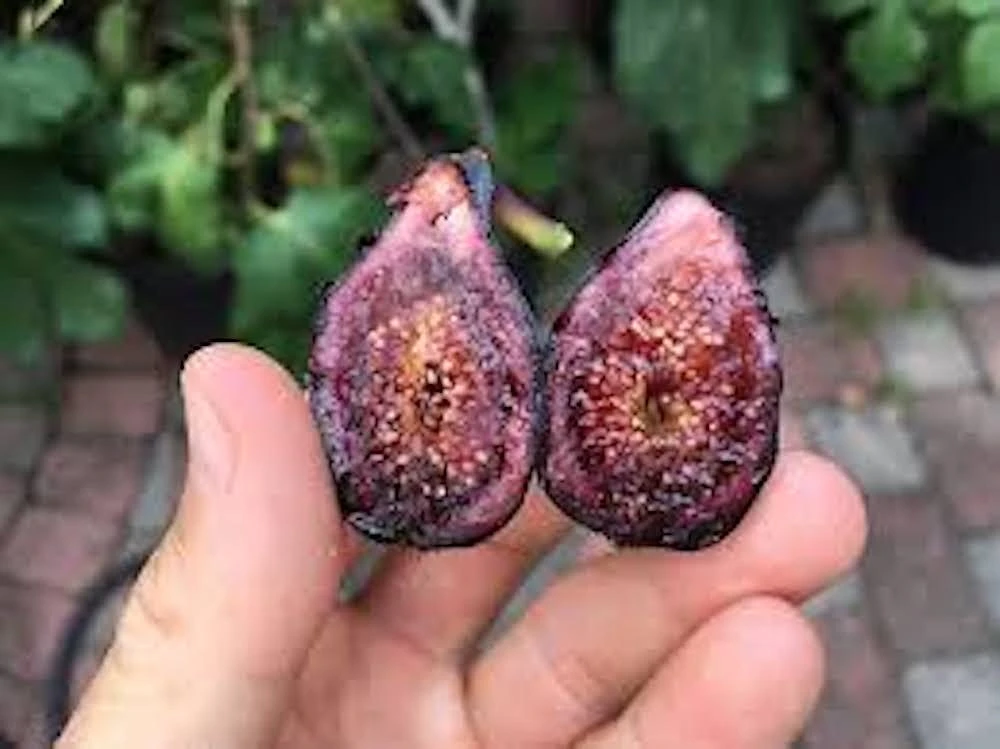
- Pest Resistance with “Closed Eye”: The unique “closed eye” feature of its fruit helps to deter pests and prevent spoilage, ensuring a cleaner and more intact harvest.
- Versatile Growing Options: Ideal for home gardens as a standalone tree, it also performs exceptionally well when grown in containers, making it suitable for patios, balconies, or smaller spaces.
- Adaptability to Humid Climates: Unlike some fig varieties, the Celeste fig tolerates humid conditions well, making it a reliable choice for various environmental settings.
Plant Care & Growing Tips
Caring for your celeste fig tree starter plug is relatively straightforward, ensuring a successful and fruitful plant. This cold hardy fig thrives with proper attention to its environmental needs.
Sunlight Requirements: Celeste figs prefer at least 6-8 hours of direct sunlight per day to produce the best fruit. In hotter climates, some afternoon shade can be beneficial to prevent leaf scorch. If growing indoors or in a container, place it in the sunniest spot available, ideally a south-facing window. For outdoor planting, choose a location with full sun exposure.
Watering: Consistent moisture is key, especially during the fruiting season. Water deeply when the top 1-2 inches of soil feel dry to the touch. Avoid overwatering, as figs do not like soggy roots, which can lead to root rot. Good drainage is crucial. Reduce watering in the dormant season. A young ficus carica celeste will need more frequent watering than an established tree.
Soil Type and Drainage: The Celeste fig prefers well-draining, fertile soil with a pH between 6.0 and 6.5. A loamy soil enriched with organic matter is ideal. If planting in a container, use a high-quality potting mix designed for fruit trees or general-purpose use, ensuring the pot has adequate drainage holes. This helps prevent waterlogging, which can be detrimental to the plant’s health.
Temperature and USDA Hardiness: The celeste fig tree is cold-hardy and can typically withstand temperatures down to USDA Zone 6 with some protection, and reliably in Zones 7-10. In colder zones, it’s best to grow them in containers so they can be moved indoors during winter, or provide significant winter protection. They thrive in warm conditions during their active growing season.
Fertilization: Fertilize your fig tree in early spring before new growth begins, and again in mid-summer. Use a balanced fertilizer (e.g., 8-8-8 or 10-10-10) or a fertilizer specifically formulated for fruit trees. Follow product instructions for application rates. Avoid over-fertilizing, which can lead to excessive foliage growth at the expense of fruit production.
Pruning: Prune in late winter or early spring while the tree is dormant. Remove any dead, damaged, or crossing branches. You can also prune to maintain a desirable size and shape, and to encourage more fruit production on new wood. Regular pruning helps maintain air circulation and sunlight penetration, which are vital for healthy growth and fruit development.
Size & Details
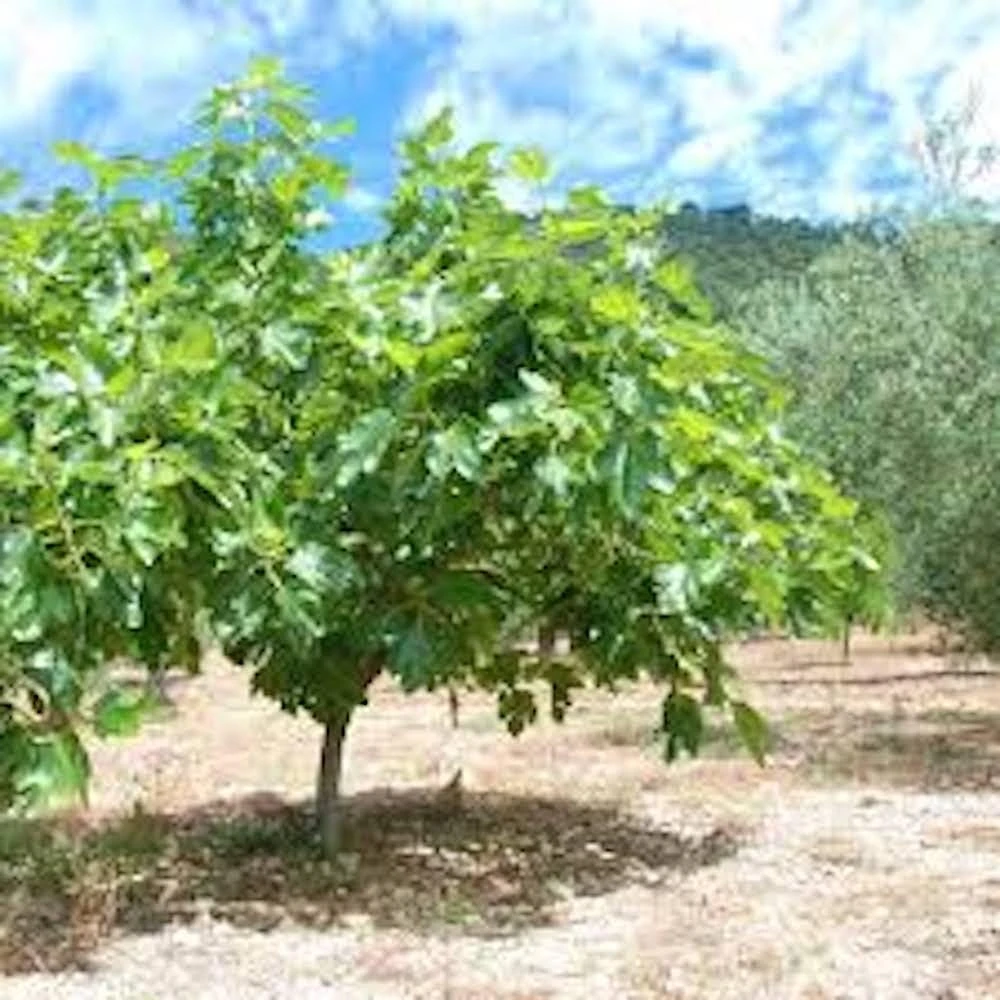
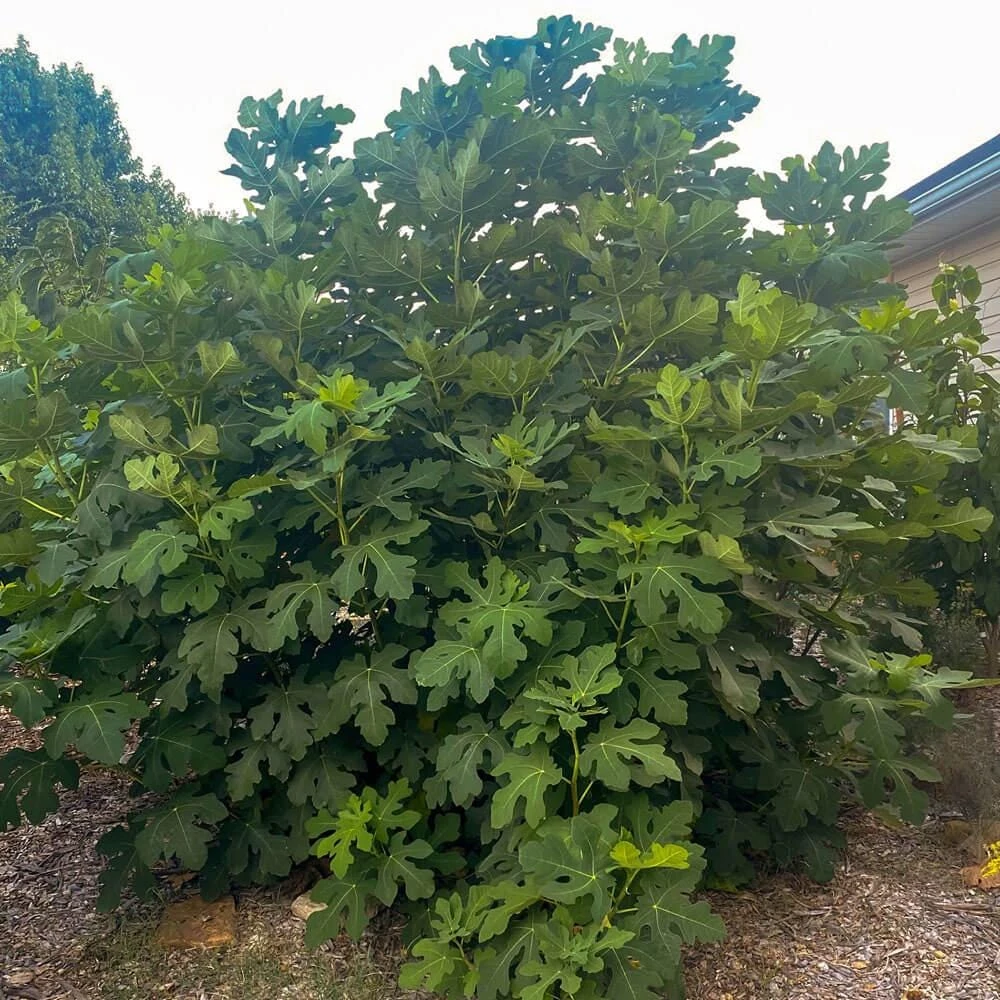
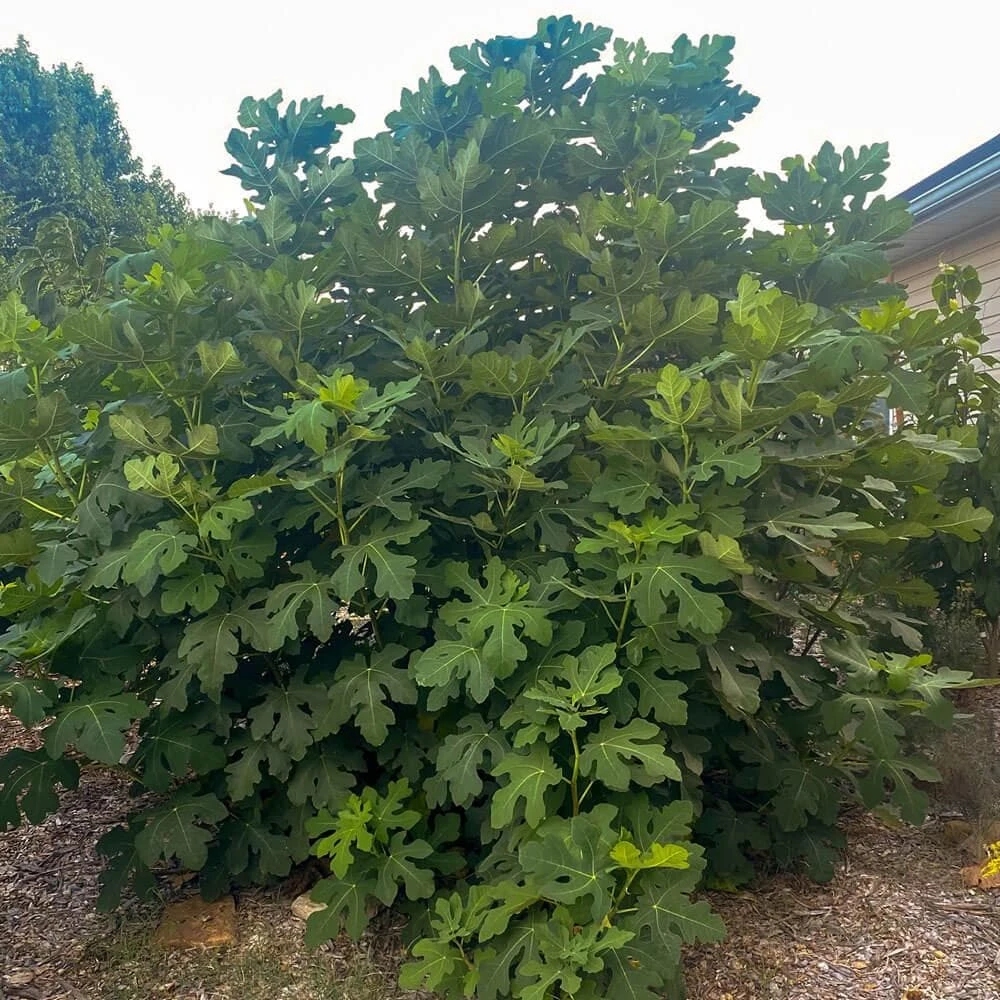
This offering is for a celeste fig tree starter plug, a young plant ready for transplanting. While specific dimensions can vary based on growing conditions and time of year, starter plugs typically stand a few inches tall with a well-developed root system, indicating a healthy start for your future fig harvest. The Celeste fig is known for its moderate growth rate, eventually reaching an average height of 10-15 feet when mature, though it can be kept smaller with regular pruning or by growing it as a fig tree for containers. Its spread can also reach 10-15 feet, creating a lush, productive plant.
The plant ships as a bare root starter plug, meaning it will arrive without soil or a pot. This method minimizes transplant shock and allows the roots to adapt quickly to their new environment. Expect fruit production to begin within 2-3 years after planting, with full maturity and abundant yields occurring in subsequent years. The figs themselves are small to medium-sized, typically ripening in late summer to early fall, offering a sweet and delightful treat.
Frequently Asked Questions
- Q: How big does a celeste fig tree get? A: A mature Celeste fig tree can reach heights of 10-15 feet and a similar spread if grown in the ground. However, its size can be managed effectively through pruning or by growing it in a container, keeping it more compact.
- Q: Is this an indoor or outdoor plant? A: The Celeste fig is primarily an outdoor plant, especially suited for USDA Zones 7-10. In colder climates (Zones 6 and below), it can be grown outdoors with winter protection or successfully in containers and brought indoors during the cold months.
- Q: How much sunlight does a celeste fig tree need? A: For optimal growth and fruit production, the Celeste fig requires at least 6-8 hours of direct sunlight per day. Full sun is generally preferred, though some afternoon shade can be beneficial in extremely hot climates.
- Q: Is this plant easy to care for? A: Yes, the Celeste fig is considered relatively easy to care for, making it a great choice for beginner fruit growers. Its cold-hardiness and disease resistance contribute to its low-maintenance nature.
- Q: What condition will the fig tree for containers arrive in? A: This product is a starter plug and will ship bare root, meaning it will arrive without soil or a pot. This method helps reduce shipping stress and is ideal for immediate planting upon arrival.
- Q: How long until my celeste fig tree produces fruit? A: You can typically expect your Celeste fig tree to start producing fruit within 2-3 years after planting. Production will increase as the tree matures, leading to more abundant harvests.
- Q: What is a “closed eye” fig? A: A “closed eye” fig refers to the small opening at the bottom of the fig fruit (the ostiole) being tightly closed. This feature helps prevent insects from entering and moisture from causing spoilage, contributing to the fruit’s quality and shelf life.
- Q: Can I grow a sugar fig plant in a pot? A: Absolutely! The Celeste fig is an excellent candidate for container growing. This allows you to control its size and move it indoors during winter in colder climates, making it a versatile choice for many gardeners.
- Q: What is the best soil for a Celeste fig? A: The best soil for a Celeste fig is well-draining, fertile, and rich in organic matter. A slightly acidic to neutral pH (6.0-6.5) is ideal. For containers, a good quality potting mix with excellent drainage is recommended.
- Q: Is the Celeste fig self-pollinating? A: Yes, the Celeste fig is a self-pollinating variety, meaning it does not require another fig tree for fruit production. You can grow a single tree and still enjoy a bountiful harvest.
Be the first to review “Celeste Fig Tree Starter Plant – Cold Hardy Honey/Sugar Fig – Live Plant”
Related products


You May Like

Hardneck vs. Softneck Garlic: Which Should You Grow?
Have you ever stood in front of a seed catalog in mid-September, staring at dozens [...]
Oct

When to Plant Music Garlic: Ultimate US Fall Guide
Have you ever spent your fall weekend placing carefully chosen garlic cloves into rich, dark [...]
1 Comment
Oct

5 Best Bulbs for Fall Planting: Brighten Your Garden This Spring
Are you dreaming of a garden full of vibrant colors in the spring? The key [...]
Aug

10 Houseplants That Will Thrive in Your Kitchen
Are you tired of your kitchen feeling dull and lifeless? Want to add a little [...]
1 Comment
Aug
Reviews
There are no reviews yet.