
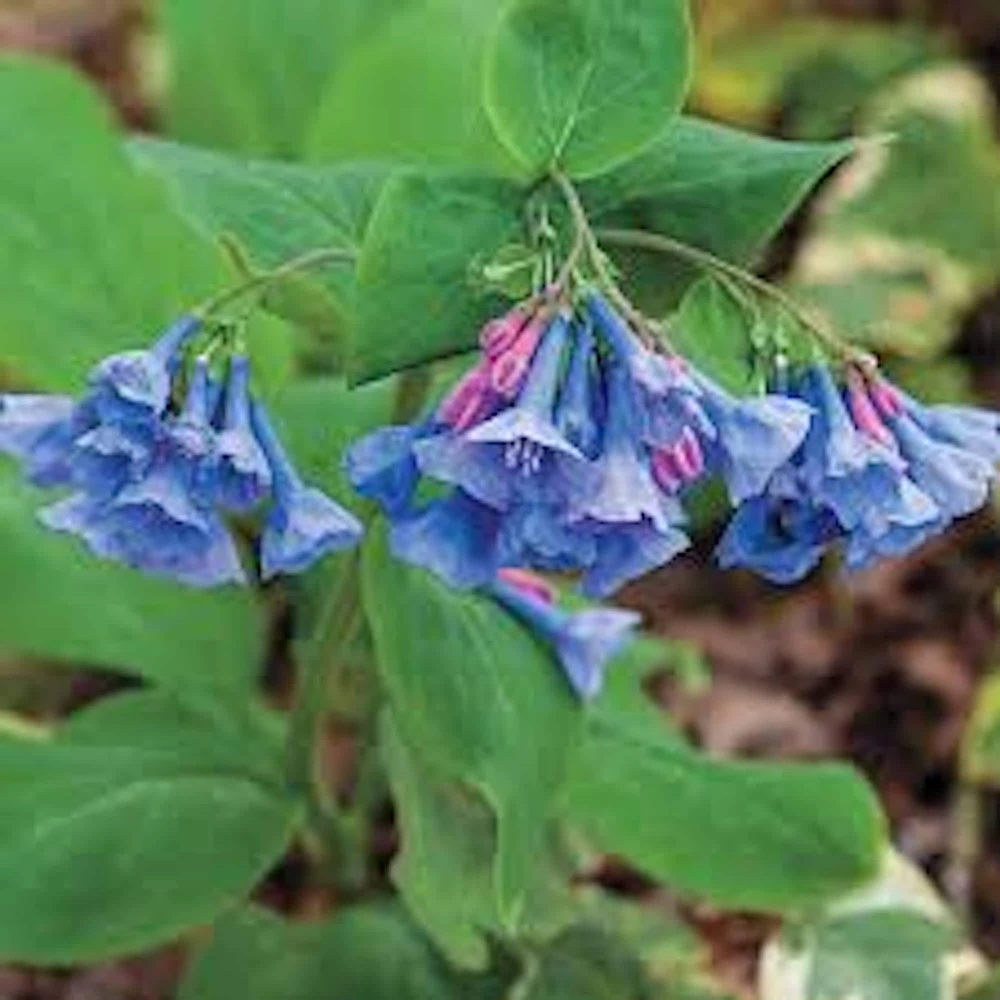
5 Virginia Bluebell Mertensia virginica Wildflower Bare Roots – Outdoor Perennial
Original price was: 69.99 $.44.99 $Current price is: 44.99 $.
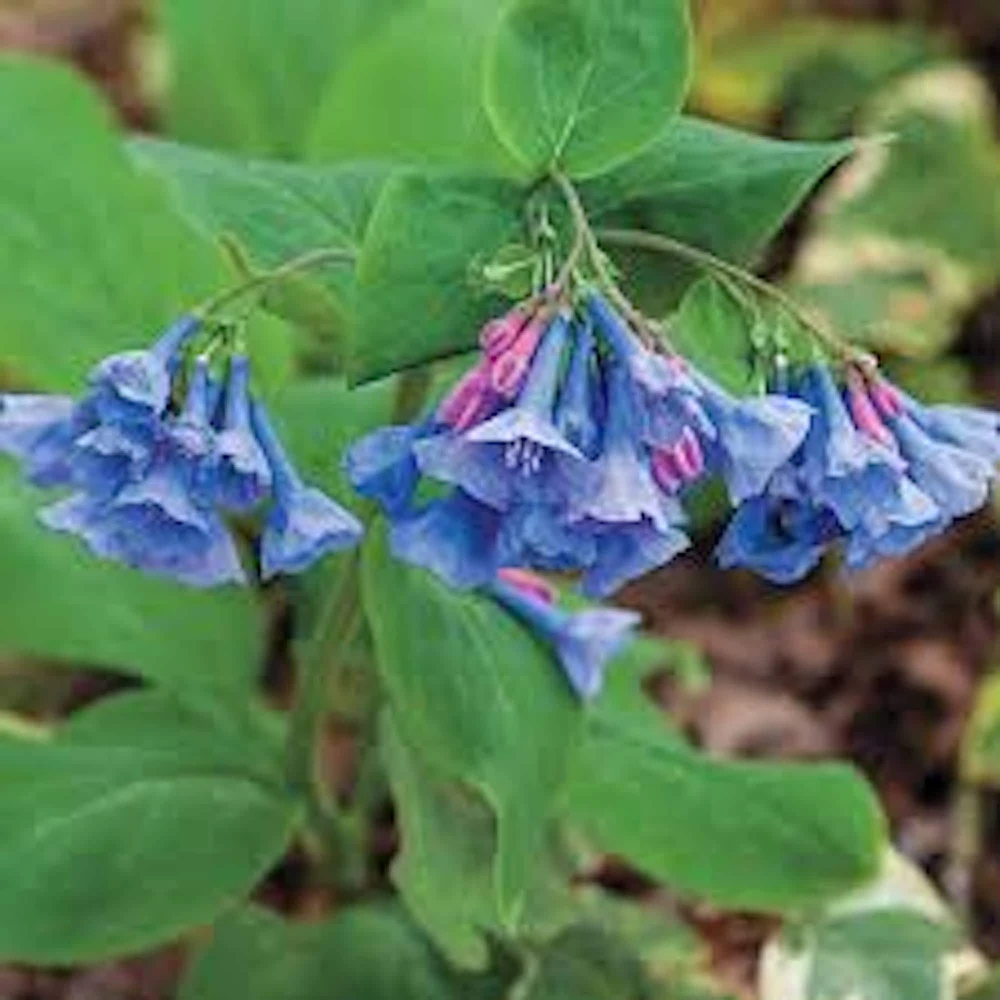
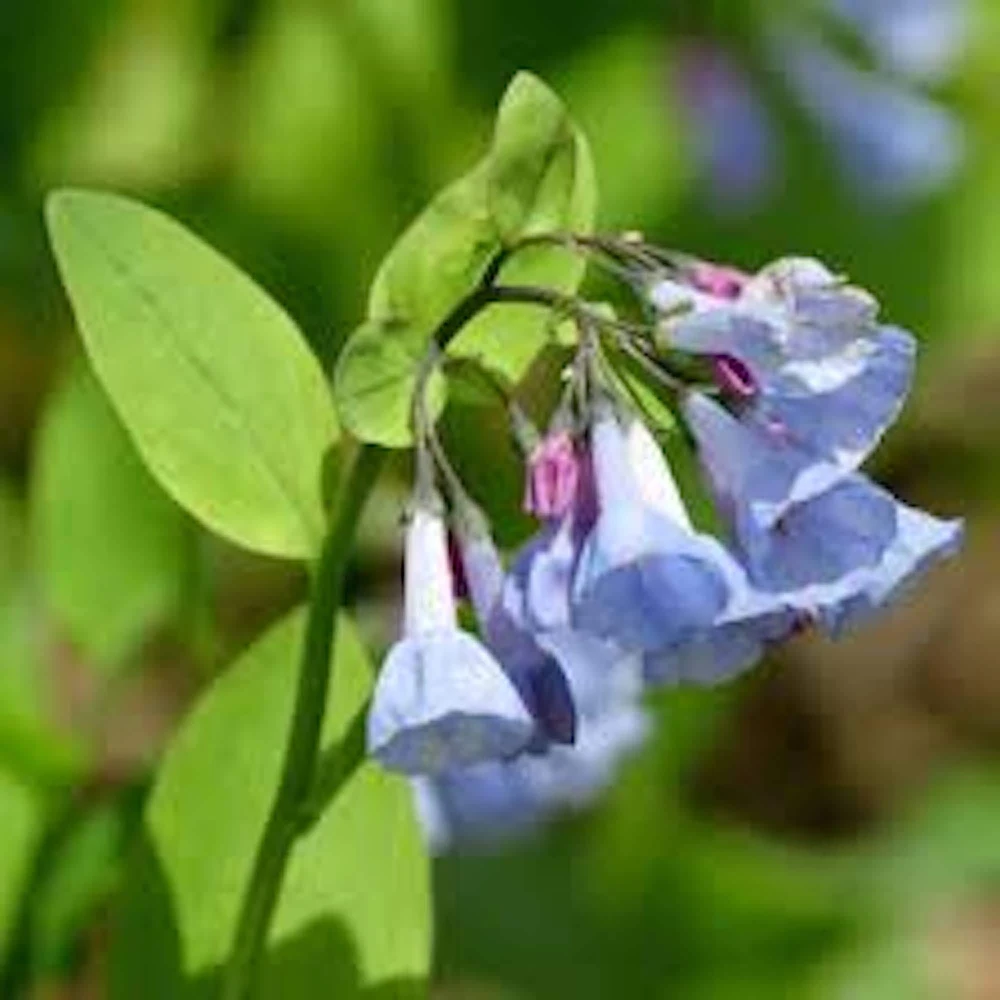
Bring charm to your shaded garden with 5 Virginia Bluebell bare roots (Mertensia virginica). These native, herbaceous perennials display stunning pink-to-blue bell-shaped flowers, making them perfect spring ephemeral plants for naturalizing.
Estimated arrival
Oct 17
Oct 22 - Oct 24
Oct 24 - Oct 29
See our Shipping Policy.
Get in touch with us via email, and our team will review your concerns.
Our Alive & Thrive Guarantee covers issues with your plants within the first 30 days. Read our Refund & Returns Policy.
-
USDA Hardiness Zone
USDA Zones 3-8 -
Soil Type
Moist, rich, well-draining soil -
Sunlight Exposure
Partial to full shade -
Expected Planting Period
Fall to early spring
Overview
Transform your garden into a serene spring sanctuary with these Virginia Bluebell bare roots. Each order includes 5 dormant bare roots of Mertensia virginica, ready to establish and flourish in your landscape. Known for their delicate, bell-shaped flowers that transition from soft pink to vibrant blue, Virginia Bluebells are a cherished native wildflower. These herbaceous perennials are true harbingers of spring, emerging with lush bluish-green foliage before gracing your garden with their captivating blooms. As classic spring ephemeral plants, they provide early-season nectar for pollinators and then gracefully recede as the summer heat arrives, leaving space for other shade-loving plants to take center stage. Ideal for woodland gardens, naturalized areas, or shaded borders, these Mertensia virginica plants offer a touch of natural elegance and ecological benefit.
Mertensia virginica plants are a fantastic choice for gardeners seeking low-maintenance beauty. They are particularly valued for their ability to thrive in dappled light conditions, making them perfect companions for hostas, ferns, and other shade-loving flora. Their distinctive color-changing flowers create a dynamic visual display, attracting early bees and butterflies. Planting these native wildflower roots is an investment in both aesthetic appeal and local biodiversity, supporting the ecosystem with a reliable source of early spring nourishment.
Key Benefits
Adding Virginia Bluebell bare roots to your garden offers a multitude of advantages, enhancing both its beauty and ecological value. These resilient plants are a superb choice for creating a vibrant, yet low-effort, spring display.
- Stunning Spring Blooms: Enjoy a spectacular show of bell-shaped flowers that beautifully change from pink to blue, providing dynamic visual interest in early spring. These blooms are a welcome sight after winter and add a unique charm to any garden setting.
- Native and Eco-Friendly: As native wildflower roots, Virginia Bluebells support local ecosystems by providing essential nectar for early-season pollinators like bees and butterflies, contributing to biodiversity.
- Spring Ephemeral Beauty: Experience the magic of spring ephemeral plants that emerge, bloom, and then disappear by early summer, allowing other plants to fill their space and offering a unique seasonal garden experience.
- Shade Garden Perfection: These plants thrive in shaded or partially shaded areas, making them an excellent choice for difficult-to-plant spots under trees or along north-facing walls where many other flowering plants struggle.
- Low Maintenance & Resilient: Once established, Mertensia virginica plants require minimal care. They are generally pest-resistant and drought-tolerant once dormant, making them a hassle-free addition to your landscape.
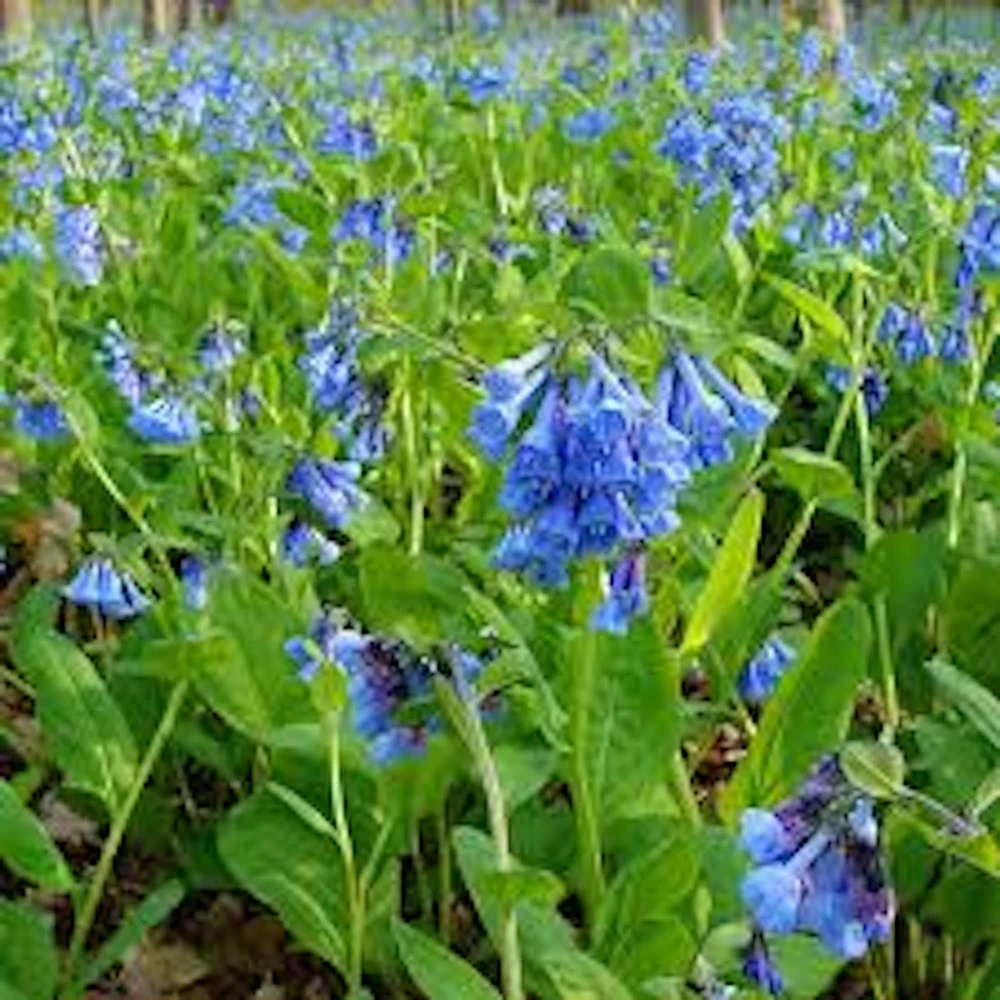
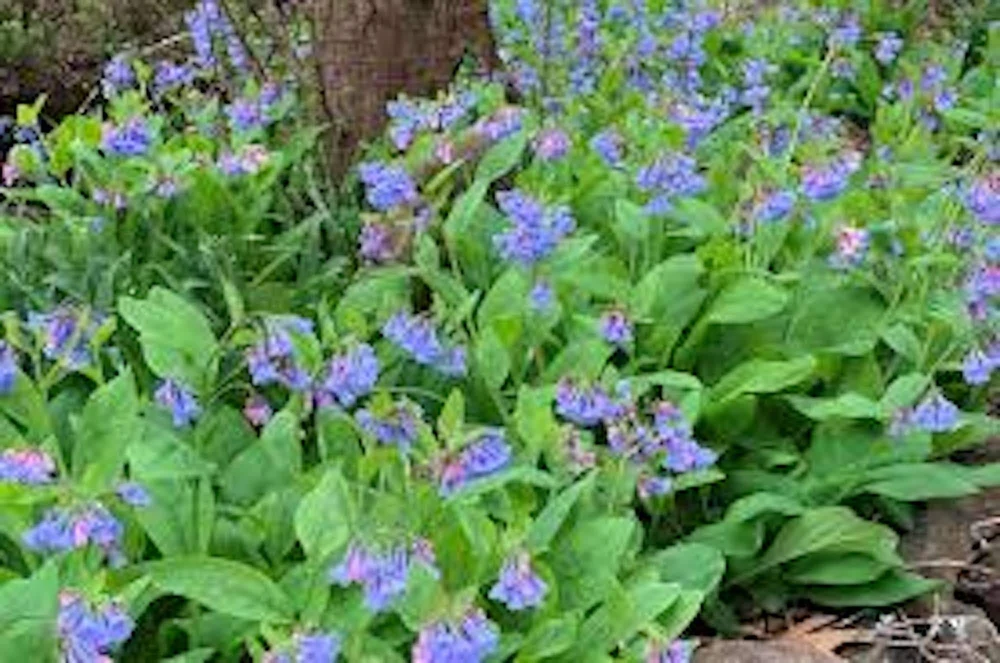
- Naturalizing Capabilities: Virginia Bluebells readily self-seed and spread under optimal conditions, creating beautiful colonies over time and enhancing the naturalistic feel of your woodland or shade garden.
- Distinctive Foliage: The bluish-green leaves provide an attractive backdrop before and during the flowering period, adding textural contrast to your garden design.
Plant Care & Growing Tips
Caring for your Virginia Bluebell bare roots is relatively straightforward, ensuring a beautiful display year after year. These native perennials prefer specific conditions to truly thrive. For optimal growth, plant your Mertensia virginica plants in a location that receives partial to full shade. Morning sun with afternoon shade is ideal, as too much intense direct sunlight can scorch their delicate foliage. They are perfectly suited for woodland settings where dappled light filters through tree canopies.
The key to success with these native wildflower roots lies in providing consistently moist, rich, and well-draining soil. Virginia Bluebells prefer slightly acidic to neutral soil pH. Amend heavy clay soils with organic matter like compost or leaf mold to improve drainage and fertility. While they appreciate moisture, especially during their active growing phase in spring, avoid waterlogged conditions which can lead to root rot. Water regularly during dry spells in spring, but reduce watering as the plants go dormant in late spring or early summer. A layer of mulch can help retain soil moisture and keep roots cool.
These resilient spring ephemeral plants are hardy in USDA Zones 3-8. They do not require heavy fertilization; a light application of a balanced, slow-release granular fertilizer in early spring as new growth emerges is usually sufficient, or simply top-dress with compost. Watch out for slugs and snails, which can sometimes chew on the foliage, especially in moist conditions. Generally, Virginia Bluebells are quite robust and do not suffer from many serious pest or disease issues, making them an excellent choice for a low-intervention shade garden.
Size & Details
This offering includes 5 Virginia Bluebell bare roots (Mertensia virginica), carefully harvested and prepared for planting. Each bare root is a dormant plant ready to awaken and grow in your garden. When mature, these Mertensia virginica plants typically reach a height of 1-2 feet (30-60 cm) and spread about 1-1.5 feet (30-45 cm), forming attractive clumps. Their growth rate is moderate, establishing well in their first year and expanding over subsequent seasons. The flowers are bell-shaped and approximately 1 inch long, appearing in clusters at the top of the stems.
The bare roots are shipped dormant, which is the ideal state for transplanting, minimizing shock and encouraging robust root development once planted. Expect foliage to emerge in early spring, followed by the distinctive pink-to-blue blooms from mid-spring to early summer, depending on your climate zone. As spring ephemeral plants, their foliage will yellow and die back by mid-summer, making them excellent companions for later-emerging shade perennials. Plant these native wildflower roots in groups for a stunning visual impact and to facilitate naturalization.
Frequently Asked Questions
- Q: How big do these Virginia Bluebell plants get? A: When mature, Virginia Bluebell bare roots will grow into plants typically reaching 1 to 2 feet in height and spreading about 1 to 1.5 feet wide. They form attractive clumps that can expand over time through self-seeding.
- Q: Are Virginia Bluebells an indoor or outdoor plant? A: Mertensia virginica plants are outdoor perennials, ideally suited for woodland gardens, shaded borders, and naturalized areas. They are not typically grown as indoor houseplants.
- Q: How much sunlight do Virginia Bluebells need? A: These native wildflower roots thrive in partial to full shade. Morning sun with afternoon shade is ideal, as direct, intense afternoon sun can be too harsh for their foliage.
- Q: Are Virginia Bluebells easy to care for? A: Yes, once established, Virginia Bluebell bare roots are relatively low-maintenance. They require consistently moist, well-draining soil and a shaded location. They are generally pest-resistant and quite hardy.
- Q: What condition will the bare roots arrive in? A: The Virginia Bluebell bare roots will arrive in a dormant state, which is normal and ideal for planting. They will not have foliage or flowers upon arrival but are ready to be planted and begin growing.
- Q: When is the best time to plant Virginia Bluebell bare roots? A: The best time to plant spring ephemeral plants like Virginia Bluebells is in the fall or very early spring, while they are still dormant. This allows them to establish their root system before the active growing season.
- Q: Will Virginia Bluebells survive winter in my zone? A: Yes, Mertensia virginica plants are very cold hardy and are suitable for USDA Zones 3-8. They will naturally go dormant in winter and re-emerge in early spring.
- Q: What kind of soil do Virginia Bluebells prefer? A: They prefer rich, consistently moist, and well-draining soil with a slightly acidic to neutral pH. Amending the soil with organic matter will greatly benefit their growth.
- Q: How long until these bare roots bloom after planting? A: If planted in the fall, you can expect blooms in the following spring. If planted in early spring, they may bloom in their first year, but more robust flowering typically occurs in their second year and beyond.
- Q: Are these plants deer resistant? A: While no plant is entirely deer-proof, Virginia Bluebells are generally considered to be deer resistant, as deer tend to avoid them.
Be the first to review “5 Virginia Bluebell Mertensia virginica Wildflower Bare Roots – Outdoor Perennial”
Related products




You May Like

Hardneck vs. Softneck Garlic: Which Should You Grow?
Have you ever stood in front of a seed catalog in mid-September, staring at dozens [...]
Oct

When to Plant Music Garlic: Ultimate US Fall Guide
Have you ever spent your fall weekend placing carefully chosen garlic cloves into rich, dark [...]
1 Comment
Oct

5 Best Bulbs for Fall Planting: Brighten Your Garden This Spring
Are you dreaming of a garden full of vibrant colors in the spring? The key [...]
Aug

10 Houseplants That Will Thrive in Your Kitchen
Are you tired of your kitchen feeling dull and lifeless? Want to add a little [...]
1 Comment
Aug
Reviews
There are no reviews yet.