
5 Nantahala Red Raspberry Live Plant Starters – Edible Fruit Perennial
Original price was: 113.99 $.88.99 $Current price is: 88.99 $.
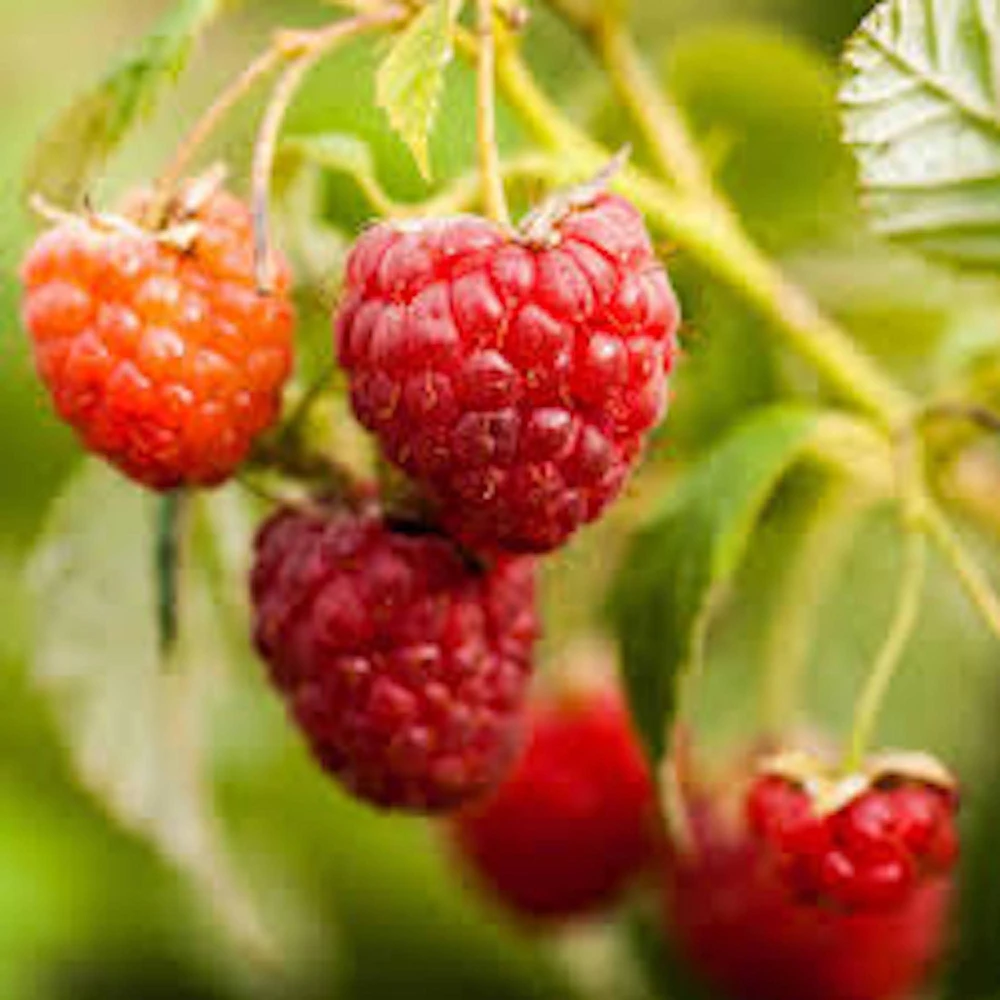
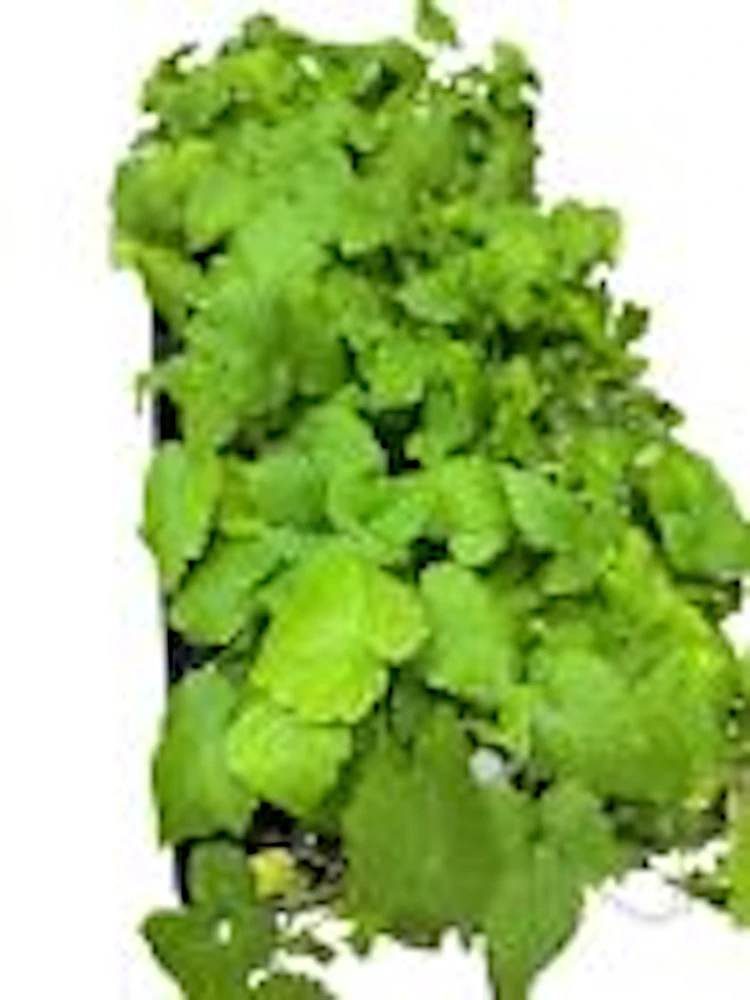
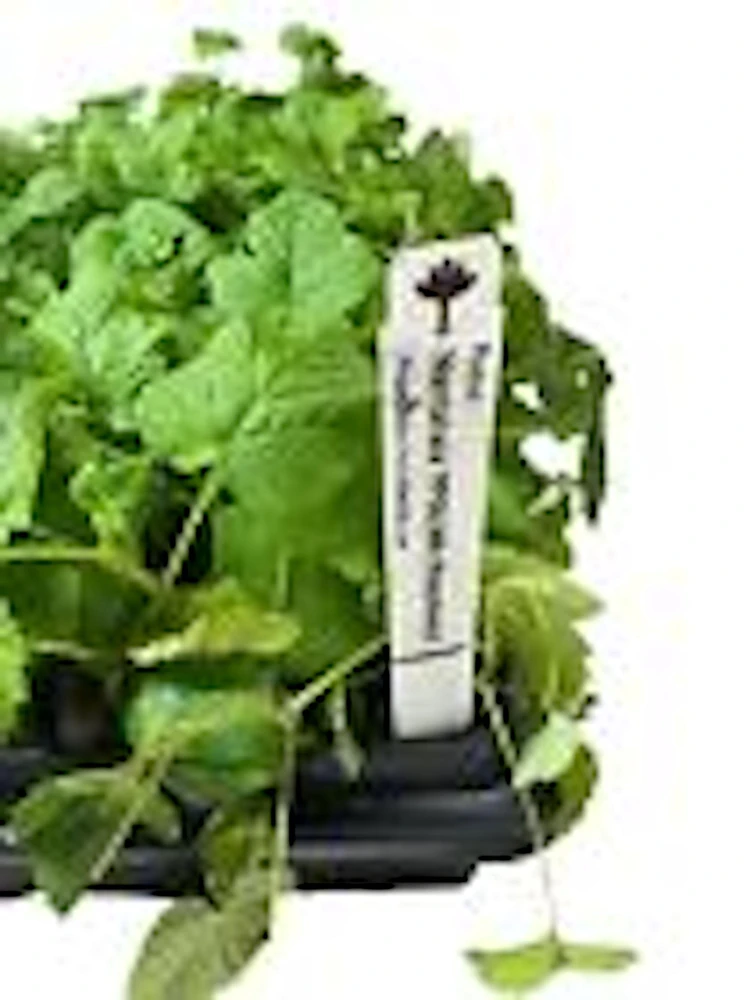
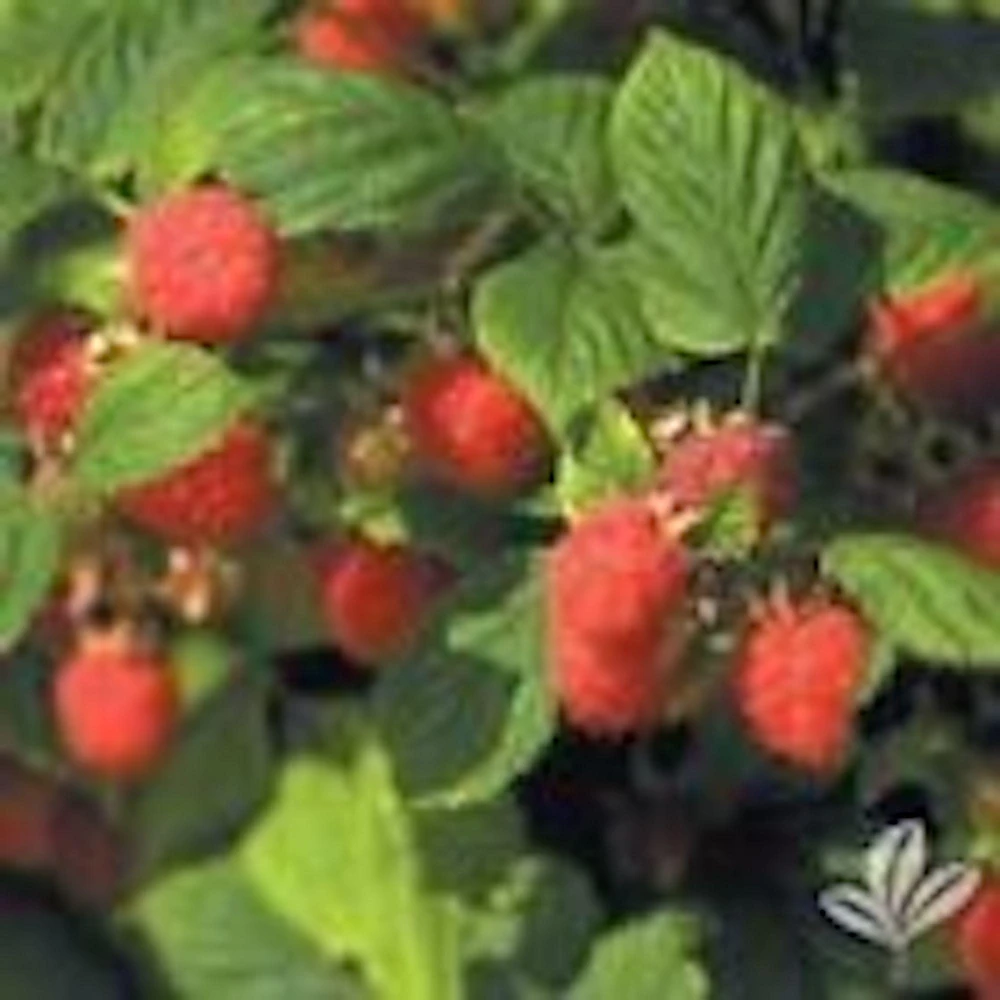
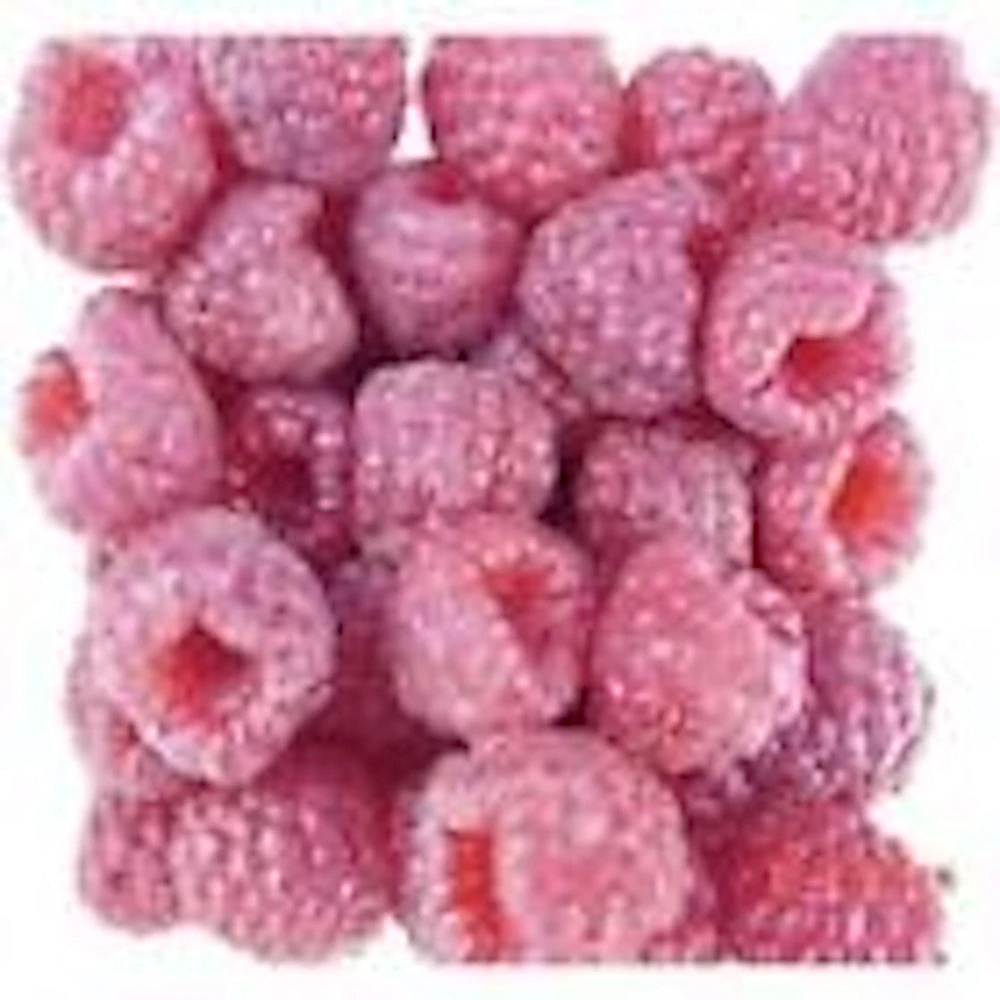
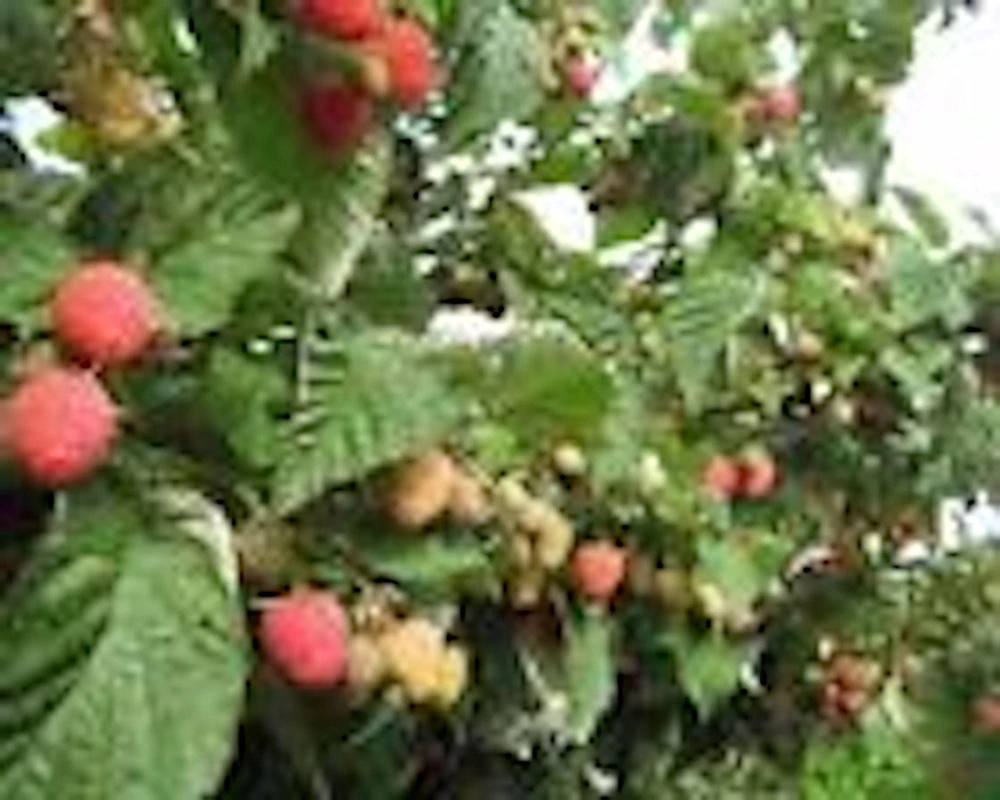
Cultivate your own fresh fruit with these Nantahala Red Raspberry live plant starters. This pack of 5 perennial plants produces delicious red berries in summer and fall. Ideal for outdoor gardening across various climates, offering both beauty and a bountiful harvest. Enjoy fresh, homegrown fruit for years.
Estimated arrival
Oct 16
Oct 21 - Oct 23
Oct 23 - Oct 28
See our Shipping Policy.
Get in touch with us via email, and our team will review your concerns.
Our Alive & Thrive Guarantee covers issues with your plants within the first 30 days. Read our Refund & Returns Policy.
-
USDA Hardiness Zone
USDA Zones 4-9 -
Soil Type
Well-draining, loamy soil -
Sunlight Exposure
Medium to full sun -
Expected Planting Period
Early spring
Overview
Embark on a rewarding gardening journey with this pack of 5 Nantahala Red Raspberry live plant starters. These vigorous perennial plants are renowned for their robust growth and exceptional fruit production, offering a delightful harvest of sweet, juicy red raspberries throughout the summer and fall seasons. Perfect for both seasoned horticulturists and budding gardeners, the Nantahala Red Raspberry live plant is a fantastic addition to any home garden, providing not only delectable fruit but also an attractive landscape element. Originating from the Rubus idaeus species, these plants are celebrated for their adaptability and cold hardiness, making them suitable for a wide range of climates and growing conditions. Imagine picking sun-ripened berries directly from your own backyard!
The Nantahala variety is particularly prized for its extended fruiting season and its ability to thrive in diverse environments. Whether you’re looking to establish a new berry patch or simply add a productive and beautiful plant to your existing garden, these starters offer an excellent foundation. Each plant is ready to be transplanted, promising a future of abundant, flavorful fruit that far surpasses store-bought alternatives. Growing your own edible fruit plants brings immense satisfaction and ensures you have a fresh, organic supply of berries right at your fingertips.
Key Benefits
These Nantahala Red Raspberry live plant starters offer numerous advantages for the home gardener, blending aesthetic appeal with practical benefits:
- Abundant Fruit Production: Enjoy a generous harvest of sweet, flavorful red raspberries from summer through fall. These plants are known for their prolific fruiting, ensuring a steady supply for fresh eating, baking, jams, and more.
- Perennial Growth: As perennial raspberry plants, they return year after year, providing a continuous yield without the need for annual replanting. This makes them a sustainable and low-effort choice for long-term fruit production.
- Adaptable to Various Climates: Thriving in USDA Zones 4-9, these raspberries are incredibly versatile. They can adapt to Mediterranean, marine west coast, arid, temperate, cold, continental, sub-tropical, humid subtropical, humid continental, and highland regions, making them a reliable choice for many gardeners.
- Cold Hardiness: The Nantahala variety exhibits excellent resistance to cold, ensuring their survival and continued productivity even in colder winter climates. This resilience is key for a successful raspberry patch.
- Air Purifying Qualities: Like many plants, raspberry canes contribute to better air quality by absorbing carbon dioxide and releasing oxygen, enhancing the environment of your garden space.
- Ease of Cultivation: Whether you’re a beginner or an experienced gardener, these plants are relatively easy to care for, requiring medium watering and moderate sunlight. This makes them accessible for anyone wanting to grow red raspberries.
- Versatile Use: Perfect for growing as vines or alongside other fruit trees, they add a beautiful, productive element to your garden design. The fresh berries can be used in countless culinary applications, from desserts to smoothies.
Plant Care & Growing Tips
Caring for your Nantahala Red Raspberry live plant starters is straightforward, ensuring a bountiful harvest with proper attention. These resilient plants thrive in a variety of conditions, but a few key practices will help them reach their full potential. They prefer a location that receives medium to full sunlight, ideally 6-8 hours of direct sun per day for optimal fruit production. While they can tolerate some shade, less sun will result in fewer berries. Ensure good air circulation around the plants to prevent fungal diseases, especially in humid climates.
When it comes to watering, these perennial raspberry plants require medium moisture. The soil should be consistently moist but not waterlogged. Water deeply, especially during dry spells and when the plants are fruiting. Well-draining soil is crucial; a loamy soil rich in organic matter is ideal. If your soil is heavy clay, amend it with compost or other organic material to improve drainage and fertility. For fertilization, a balanced slow-release fertilizer in early spring can boost growth and fruit development. Avoid over-fertilizing, which can lead to excessive foliage at the expense of fruit.
These raspberries are hardy in USDA Zones 4-9, making them quite tolerant of cold. Pruning is essential for maintaining plant health and maximizing yields. Nantahala is a primocane-fruiting (everbearing) variety, meaning it produces fruit on first-year canes. For a fall crop, you can cut all canes to the ground after the fall harvest. For a summer and fall crop, prune only the tips of the canes that fruited in the fall, allowing them to fruit again in summer. Watch out for common pests like aphids or spider mites, which can usually be managed with organic insecticidal soaps. Proper care will help your cold hardy raspberry plants flourish.
Size & Details
This offering includes 5 Nantahala Red Raspberry live plant starters, provided as bare root plants ready for immediate planting upon arrival. While specific dimensions for bare root plants can vary, they are typically young, vigorous plants with a developed root system and dormant canes, prepared for successful establishment in your garden. These edible fruit plants are known for their moderate to fast growth rate once established, quickly developing into productive canes that can reach heights of 5-8 feet, depending on growing conditions and support. The plants will begin to produce their characteristic red fruit during the summer and fall months, with an increasing yield as they mature over subsequent years.
Shipping as bare root plants means they arrive without soil or a pot, which is an efficient and effective method for transplanting many perennial fruits. This allows the plants to focus their energy on root development once planted in their new location. Expect these perennial raspberry plants to establish themselves quickly, with the first significant harvest typically occurring in their second year. Providing a trellis or other support structure is recommended as the canes grow, helping to manage their upright habit and facilitate easier harvesting of the delicious red berries.
Frequently Asked Questions
- Q: How big do these Nantahala Red Raspberry plants get? A: Once established, Nantahala Red Raspberry live plant canes can typically grow to a height of 5-8 feet. Providing a trellis or support system is recommended to manage their growth and make harvesting easier.
- Q: What condition will the plants arrive in? A: These plants are shipped as bare root starters, meaning they will arrive without soil or a pot. This method is common for perennials and helps the plants establish a strong root system once planted in your garden.
- Q: How much sunlight do these raspberry plants need? A: For optimal fruit production, Nantahala Red Raspberry live plant starters require medium to full sunlight, ideally 6-8 hours of direct sun per day. They can tolerate some partial shade, but yields may be reduced.
- Q: Are these plants suitable for beginners? A: Yes, these perennial raspberry plants are considered relatively easy to care for, making them a great choice for both experienced gardeners and those new to growing fruit. Basic care like proper watering, sunlight, and occasional pruning will ensure success.
- Q: When is the best time to plant these bare root raspberries? A: Bare root raspberry plants are best planted in early spring, after the last frost, allowing them ample time to establish their root systems before the growing season. Fall planting is also possible in milder climates.
- Q: What USDA Zones are these raspberry plants hardy in? A: These cold hardy raspberry plants are suitable for USDA Hardiness Zones 4 through 9, indicating their ability to withstand a wide range of winter temperatures across many regions.
- Q: How long until I can expect to harvest fruit? A: While you might get a small harvest in the first year, significant fruit production from your edible fruit plants typically begins in the second year after planting, with yields increasing as the plants mature.
- Q: Can I grow red raspberries in containers? A: Yes, it is possible to grow red raspberries in large containers, though they will require more frequent watering and feeding than those planted in the ground. Choose a container at least 15-20 gallons in size.
- Q: Do these plants need a pollinator? A: Nantahala Red Raspberries are self-pollinating, meaning you only need one plant to produce fruit. However, planting multiple bushes can often lead to a more abundant harvest.
- Q: What kind of soil do they prefer? A: These plants thrive in well-draining, loamy soil that is rich in organic matter. Good drainage is key to preventing root rot.
Be the first to review “5 Nantahala Red Raspberry Live Plant Starters – Edible Fruit Perennial”
Related products


You May Like

Hardneck vs. Softneck Garlic: Which Should You Grow?
Have you ever stood in front of a seed catalog in mid-September, staring at dozens [...]
Oct

When to Plant Music Garlic: Ultimate US Fall Guide
Have you ever spent your fall weekend placing carefully chosen garlic cloves into rich, dark [...]
1 Comment
Oct

5 Best Bulbs for Fall Planting: Brighten Your Garden This Spring
Are you dreaming of a garden full of vibrant colors in the spring? The key [...]
Aug

10 Houseplants That Will Thrive in Your Kitchen
Are you tired of your kitchen feeling dull and lifeless? Want to add a little [...]
1 Comment
Aug
Reviews
There are no reviews yet.