
5 Black Mission Fig Tree Starter Plants – Ficus Carica Bare Root
Original price was: 153.99 $.128.99 $Current price is: 128.99 $.
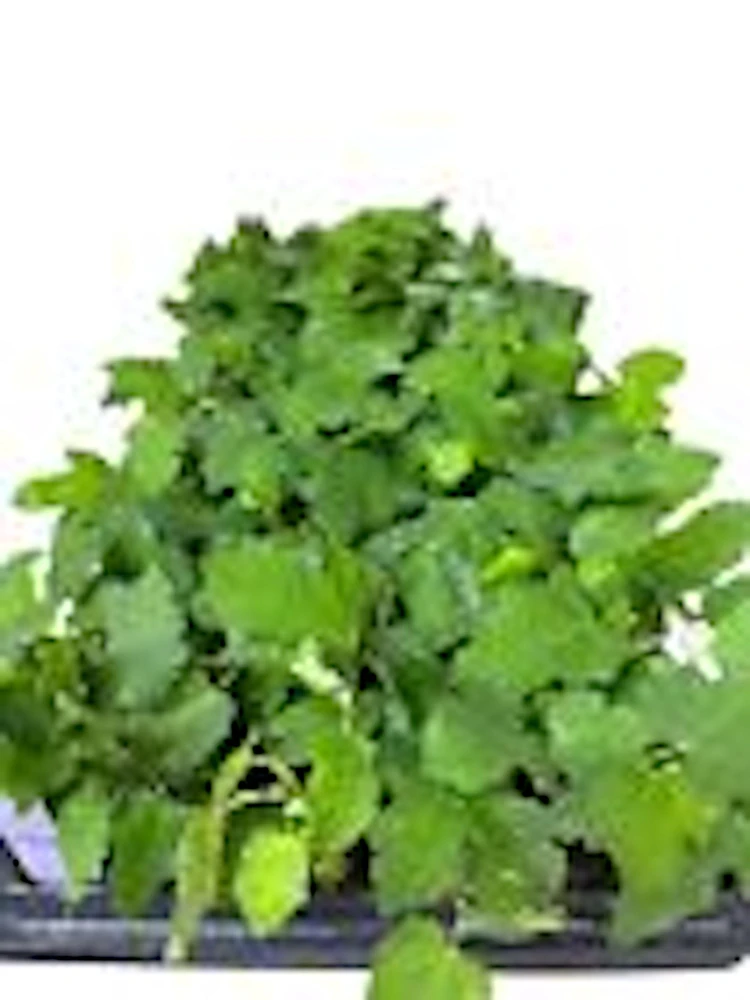
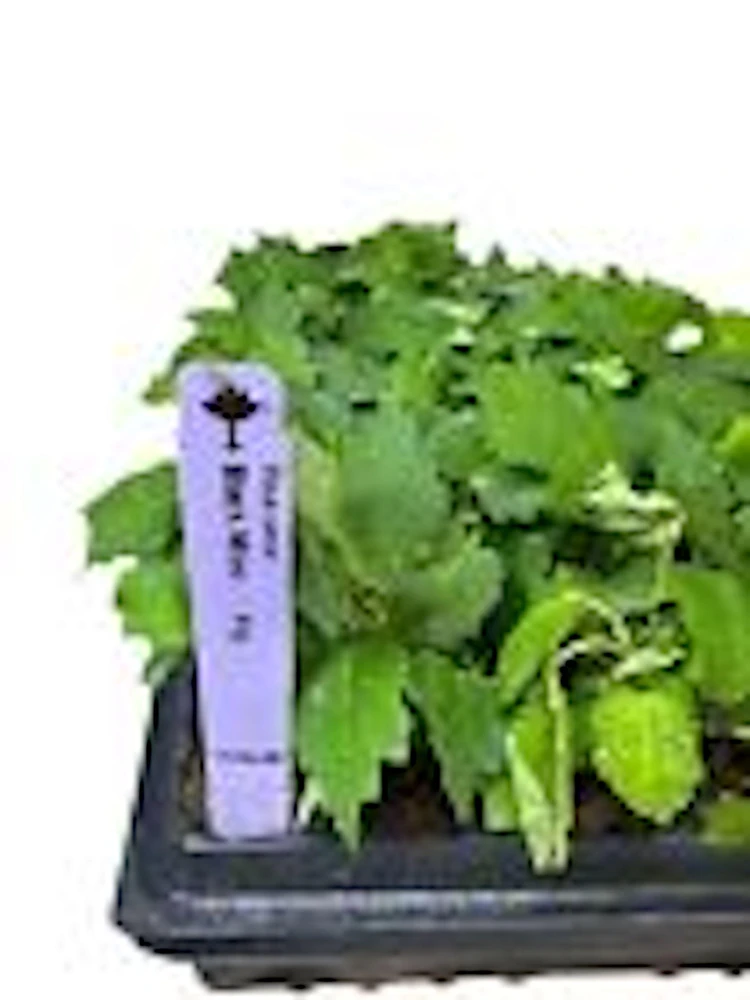
Cultivate your own fruitful harvest with these 5 Black Mission Fig Tree Starter Plants. Each Ficus carica starter plants is a bare root specimen, ready to establish in your garden. Known for their delicious, dark-skinned fruit and robust growth, these trees are a fantastic addition for both seasoned gardeners and beginners alike, offering an everbearing bounty in many climates.
Estimated arrival
Oct 16
Oct 21 - Oct 23
Oct 23 - Oct 28
See our Shipping Policy.
Get in touch with us via email, and our team will review your concerns.
Our Alive & Thrive Guarantee covers issues with your plants within the first 30 days. Read our Refund & Returns Policy.
-
USDA Hardiness Zone
USDA Zones 7-10 -
Soil Type
Well-draining, loamy soil -
Sunlight Exposure
Full sun (6-8+ hours daily) -
Expected Planting Period
Early spring to early summer
Overview
Bring the joy of home-grown fruit to your garden with these 5 Black Mission Fig Tree Starter Plants. These bare root Ficus carica specimens are an excellent choice for gardeners looking to cultivate a reliable and prolific fig variety. The Black Mission fig tree is renowned for its exceptional quality and adaptability, thriving in various regions across the continental U.S. From its large, lobed leaves that provide pleasant shade to its spreading growth habit, this tree offers both ornamental beauty and delicious fruit. As a high-quality, everbearing variety, it promises a generous harvest, making it a favorite among fig enthusiasts. Whether you’re an experienced grower or just beginning your fruit tree journey, these starter plants provide a solid foundation for a thriving fig orchard.
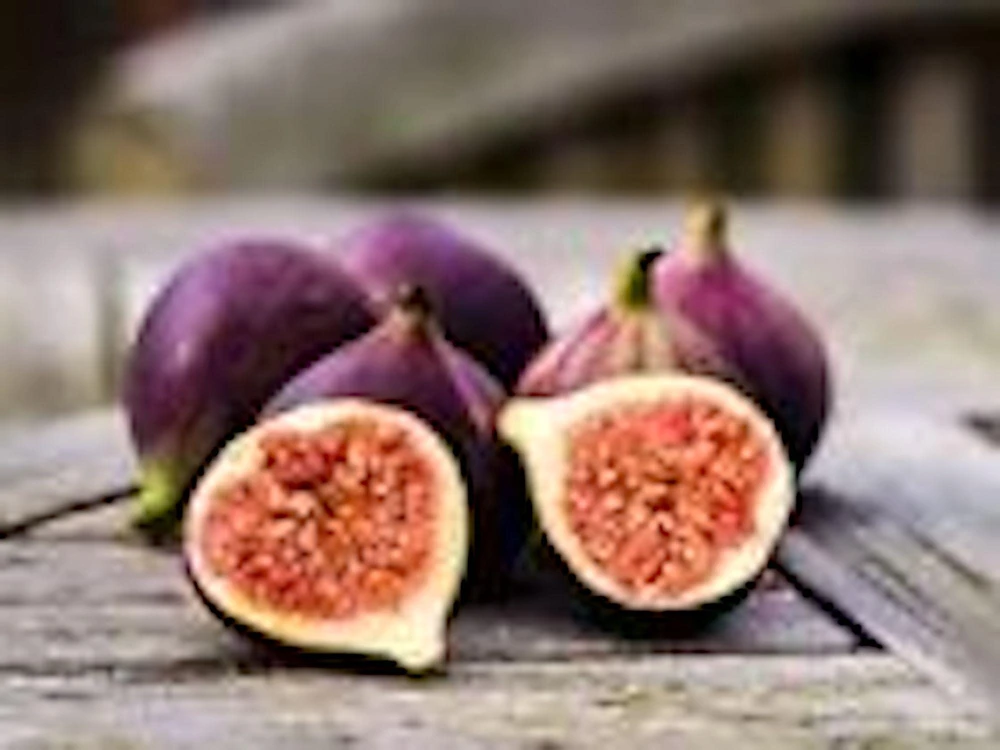
The Black Mission fig tree is a classic choice, celebrated for its robust nature and the delectable fruit it produces. Its scientific name, Ficus carica, signifies its ancient lineage and widespread cultivation. These starter plants are shipped bare root, ensuring they are ready to be planted directly into your garden or a suitable container upon arrival. With proper care, these young trees will quickly establish themselves and begin their journey towards producing abundant crops of sweet, dark-skinned figs with a rich, strawberry-colored interior. This variety is truly a versatile and rewarding addition to any edible landscape.
Key Benefits
The Black Mission fig tree offers a multitude of benefits for the home gardener, blending aesthetic appeal with bountiful harvests. These Ficus carica starter plants are an investment in future delicious fruit and a beautiful landscape element.
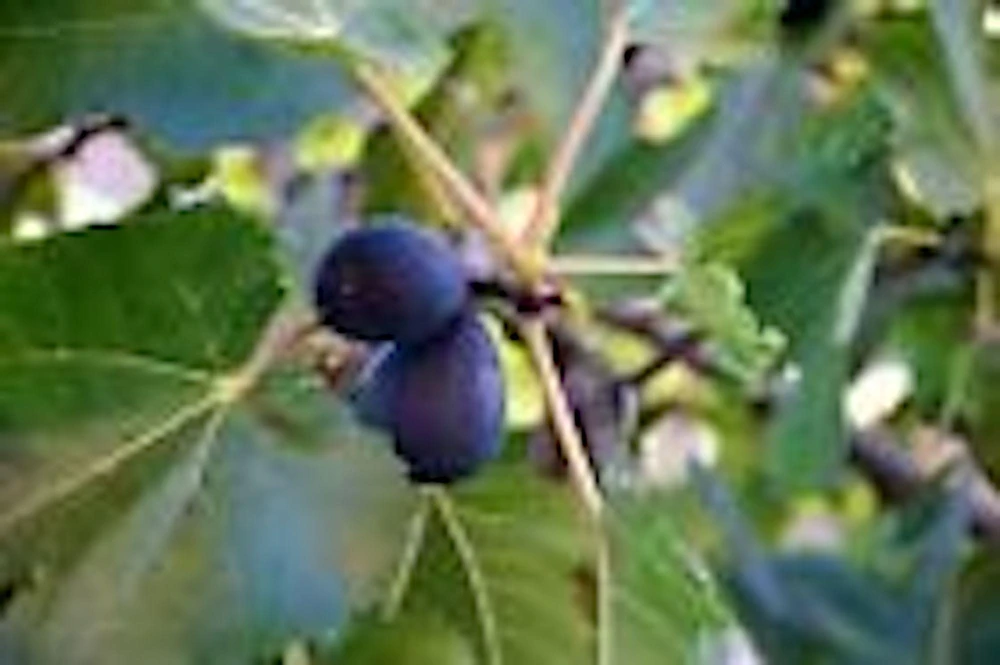
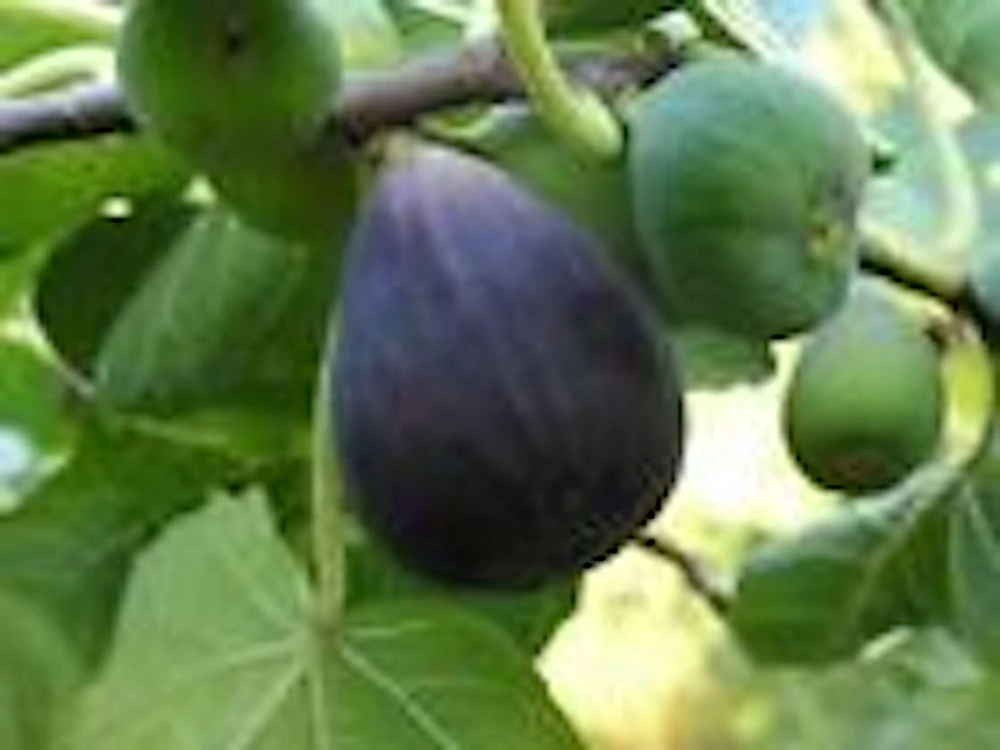
- Exceptional Fruit Production: This variety is known for producing both an early breba crop and a main crop, making it an everbearing fig variety in suitable climates. Enjoy two distinct harvests of sweet, dark-skinned figs with a strawberry-colored interior. The breba crop typically yields large figs, while the main crop provides medium-sized, equally delicious fruit.
- Wide Adaptability: The Black Mission fig tree performs exceptionally well across diverse climates in the continental U.S., from northern to southern regions, and both coastal and inland locations. This makes it a reliable choice for many gardeners.
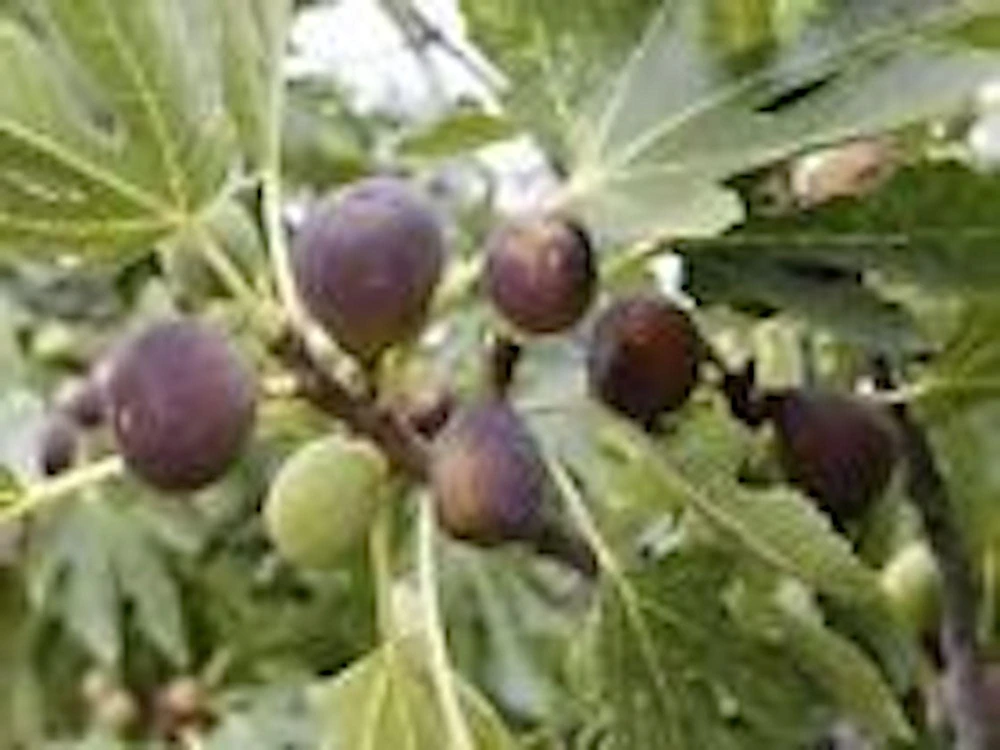
- Ornamental Value: Beyond its fruit, the tree boasts large, attractive lobed leaves and a spreading growth habit, providing excellent shade and a lush, Mediterranean feel to your garden or patio.
- Delicious Flavor Profile: The fruit is characterized by its dark skin and sweet, rich, strawberry-colored flesh. The skin often cracks when ripe, indicating peak flavor and sweetness, perfect for fresh eating, jams, or drying.
- Relatively Low Maintenance: Once established, these fig trees are relatively easy to care for, requiring consistent watering and occasional pruning to maintain health and productivity. Learning how to grow fig trees is a rewarding experience.
- Versatile Use: Enjoy the figs fresh from the tree, dried for a healthy snack, or incorporated into various culinary dishes, from desserts to savory meals.
- Good for All Skill Levels: While providing specific care, growing fig trees, especially a resilient variety like Black Mission, can be a fulfilling project for both novice and experienced gardeners.
Plant Care & Growing Tips
To ensure your 5 Black Mission Fig Tree Starter Plants thrive and produce abundant fruit, understanding their specific care requirements is crucial. These Ficus carica starter plants prefer a location with full sun, meaning at least 6-8 hours of direct sunlight per day. Good air circulation is also beneficial to prevent fungal issues. When planting your bare root trees, choose a site with well-draining soil. Figs are not overly particular about soil type but will perform best in a loamy soil with a neutral to slightly alkaline pH. Amend heavy clay soils with organic matter to improve drainage, or sandy soils to enhance water retention. Dig a hole wide enough to accommodate the roots spread out, and deep enough so that the original soil line on the bare root plant is level with the surrounding ground.
Watering is critical, especially during the establishment phase and dry periods. Provide deep, consistent watering, ensuring the soil remains moist but not waterlogged. Once established, fig trees are somewhat drought-tolerant but will produce better fruit with regular moisture. Fertilize your Black Mission fig tree annually in early spring with a balanced slow-release fertilizer or one formulated for fruit trees. Avoid excessive nitrogen, which can lead to lush foliage at the expense of fruit production. Pruning should be done in late winter or early spring while the tree is dormant. Focus on removing dead, damaged, or crossing branches, and shaping the tree to maintain an open structure for good air and light penetration. This also helps with managing the size and encouraging fruit production. Understanding fig tree care practices will lead to a healthy and productive tree.
Fig trees are generally hardy in USDA zones 7-10, though the Black Mission fig tree shows good adaptability. In colder climates (zones 6 and below), consider planting in large containers that can be moved indoors or protected during winter, or provide substantial winter protection. Monitor for common pests like spider mites or fig rust, addressing issues promptly with appropriate organic or conventional treatments. The everbearing fig variety can also benefit from mulching around the base to conserve moisture, regulate soil temperature, and suppress weeds. With diligent care, your Black Mission fig tree will reward you with years of delicious fruit.
Size & Details
These 5 Black Mission Fig Tree Starter Plants are shipped as bare root specimens, meaning they will arrive without soil or a pot, allowing for easier transplanting and establishment. Each plant is a young, vigorous Ficus carica ready for immediate planting in your garden or a suitable container. The size of the starter plants will vary, but they are typically 6-12 inches in height, with a healthy root system prepared for growth.
Upon planting, these fig trees have a moderate to fast growth rate, quickly developing into a mature tree that can reach heights of 10-20 feet with a similar spread if left unpruned. When mature, the Black Mission fig tree produces a breba crop in early summer and a main crop from late summer into fall, making it a truly productive everbearing fig variety. The fruit is dark-skinned with a sweet, reddish interior, typically medium to large in size. Expect the first significant fruit production within 2-3 years of planting, with increasing yields as the tree matures. Proper fig tree care will ensure robust growth and abundant harvests.
Frequently Asked Questions
- Q: How big do these Black Mission fig tree starter plants get? A: These starter plants are shipped bare root and are typically 6-12 inches tall. When mature, a Black Mission fig tree can reach 10-20 feet tall and wide, but can be kept smaller with pruning.
- Q: Is this an indoor or outdoor plant? A: The Black Mission fig tree is primarily an outdoor plant, thriving in full sun. In colder climates (below USDA Zone 7), it can be grown in large containers and moved indoors for winter protection.
- Q: How much sunlight does a Black Mission fig tree need? A: These trees require at least 6-8 hours of direct sunlight per day to produce the best fruit. Full sun exposure is ideal for vigorous growth and abundant yields.
- Q: Is this plant easy to care for? A: Yes, once established, the Black Mission fig tree is relatively low-maintenance. It requires consistent watering during dry spells and annual fertilization and pruning to maintain health and productivity. Learning to grow fig trees is quite accessible.
- Q: What condition will the plants arrive in? A: These are shipped as bare root plants, meaning they will arrive without soil or a pot, with their roots carefully wrapped to retain moisture during transit.
- Q: How long until it produces fruit? A: You can typically expect your Black Mission fig tree to start producing a significant amount of fruit within 2-3 years after planting, with yields increasing as the tree matures.
- Q: What is the best way to plant these bare root Ficus carica starter plants? A: Upon arrival, soak the roots in water for a few hours. Plant in well-draining soil in a sunny location, spreading the roots out, and ensuring the original soil line is level with the ground. Water thoroughly after planting.
- Q: Will this everbearing fig variety survive winter in my zone? A: The Black Mission fig tree is hardy in USDA Zones 7-10. In colder zones, it will need significant winter protection or should be grown in a container to be brought indoors.
- Q: Can I grow this Black Mission fig tree in a pot? A: Yes, this variety can be successfully grown in large containers, especially beneficial for extending its growing range into colder climates. Ensure the pot is large enough and has good drainage.
- Q: What are the best uses for the fruit from this fig tree? A: The figs are excellent for fresh eating, drying, making jams and preserves, or incorporating into desserts and savory dishes. The rich, sweet flavor of this everbearing fig variety is highly prized.
Be the first to review “5 Black Mission Fig Tree Starter Plants – Ficus Carica Bare Root”
Related products


You May Like

Hardneck vs. Softneck Garlic: Which Should You Grow?
Have you ever stood in front of a seed catalog in mid-September, staring at dozens [...]
Oct

When to Plant Music Garlic: Ultimate US Fall Guide
Have you ever spent your fall weekend placing carefully chosen garlic cloves into rich, dark [...]
1 Comment
Oct

5 Best Bulbs for Fall Planting: Brighten Your Garden This Spring
Are you dreaming of a garden full of vibrant colors in the spring? The key [...]
Aug

10 Houseplants That Will Thrive in Your Kitchen
Are you tired of your kitchen feeling dull and lifeless? Want to add a little [...]
1 Comment
Aug
Reviews
There are no reviews yet.