
3 Salavatski Pomegranate Tree Starter Plant – Cold Hardy Punica granatum
Original price was: 93.99 $.68.99 $Current price is: 68.99 $.
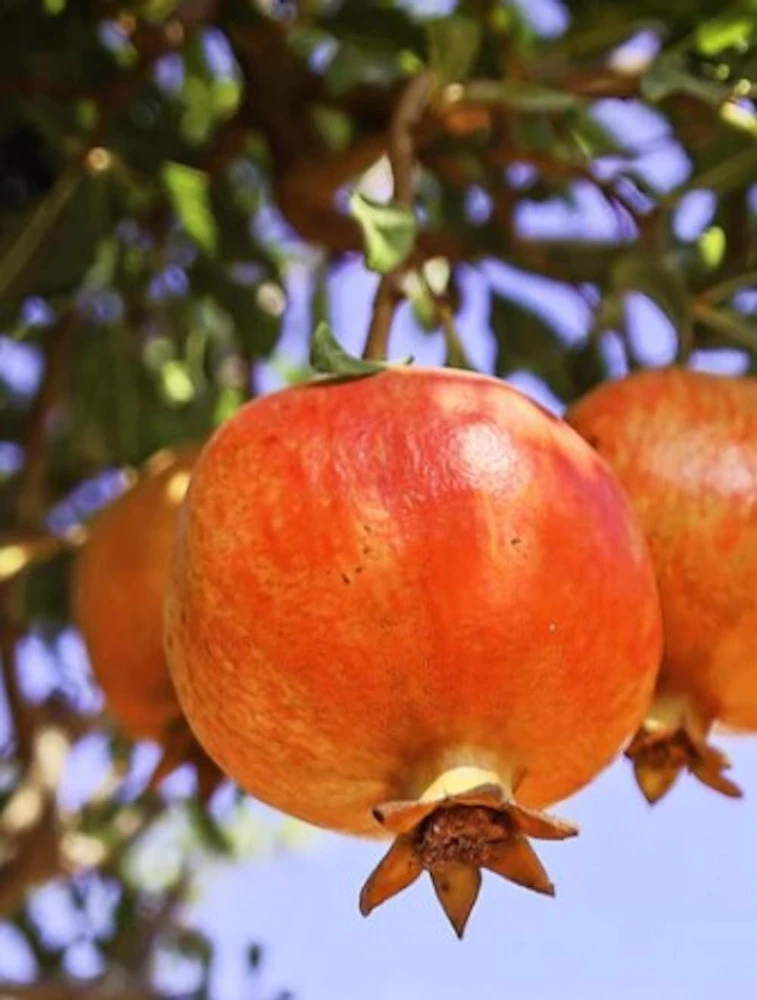
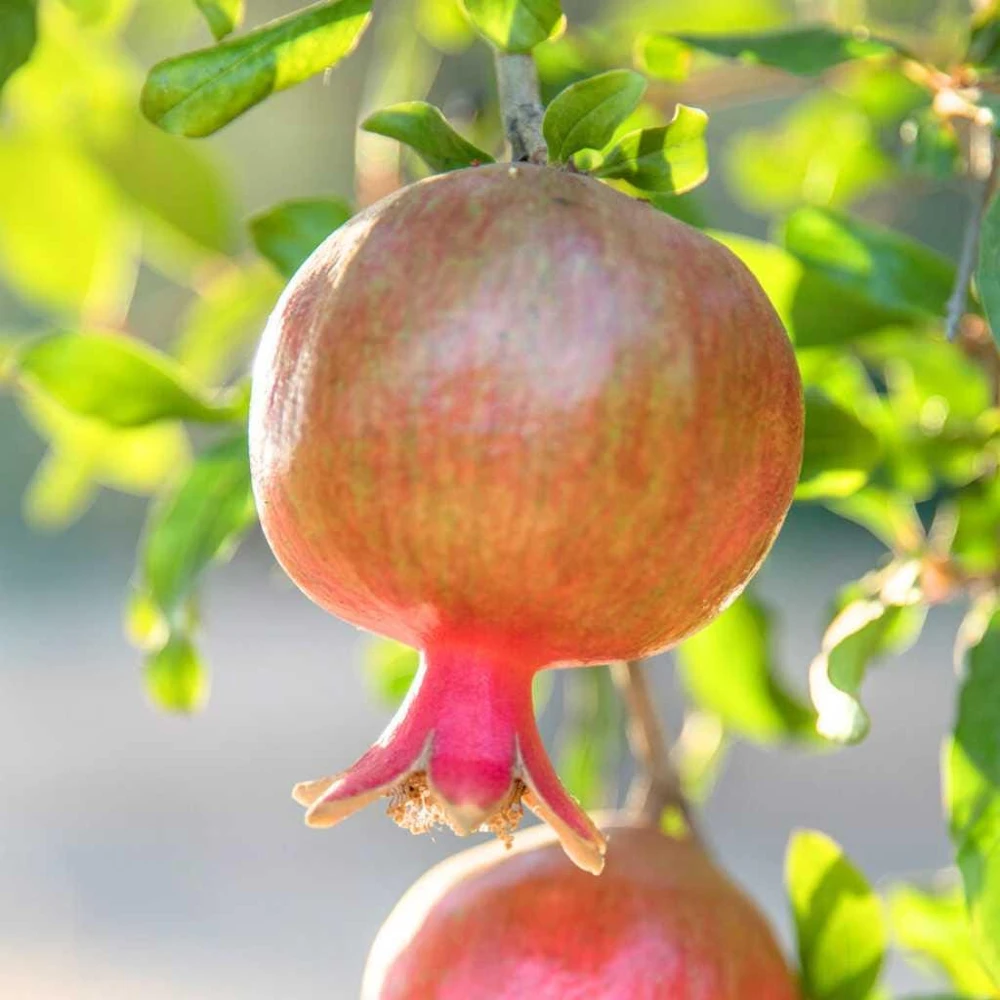
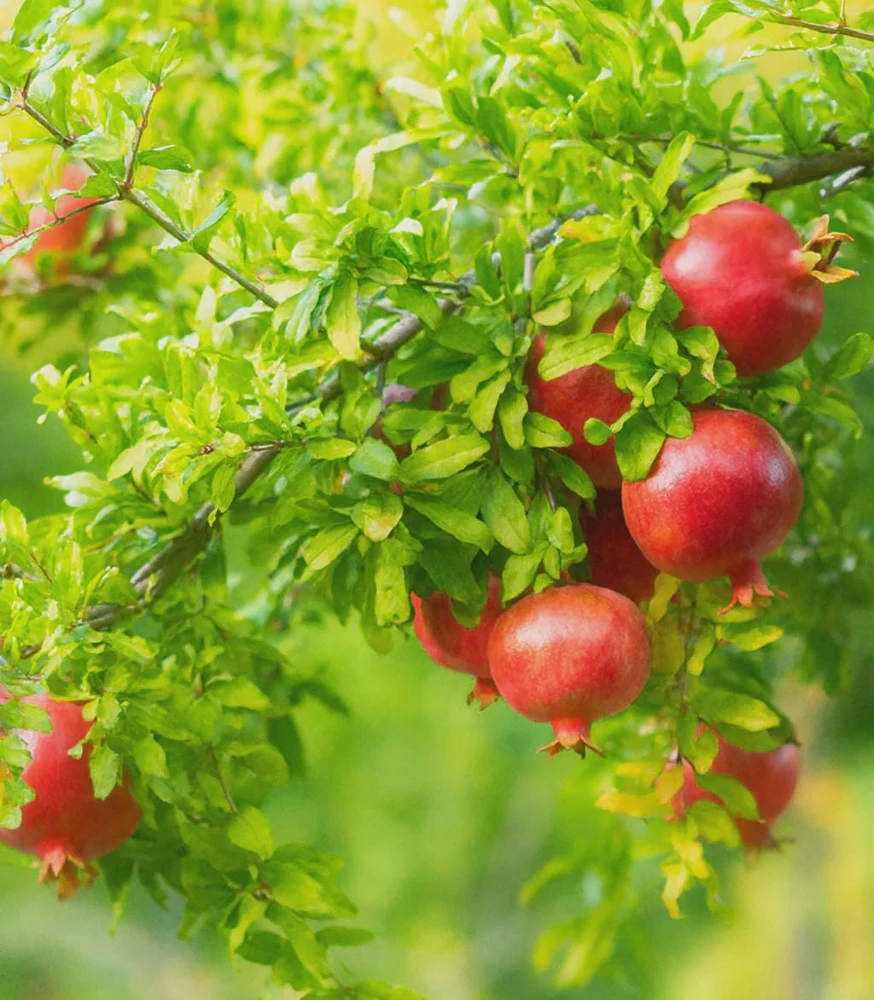
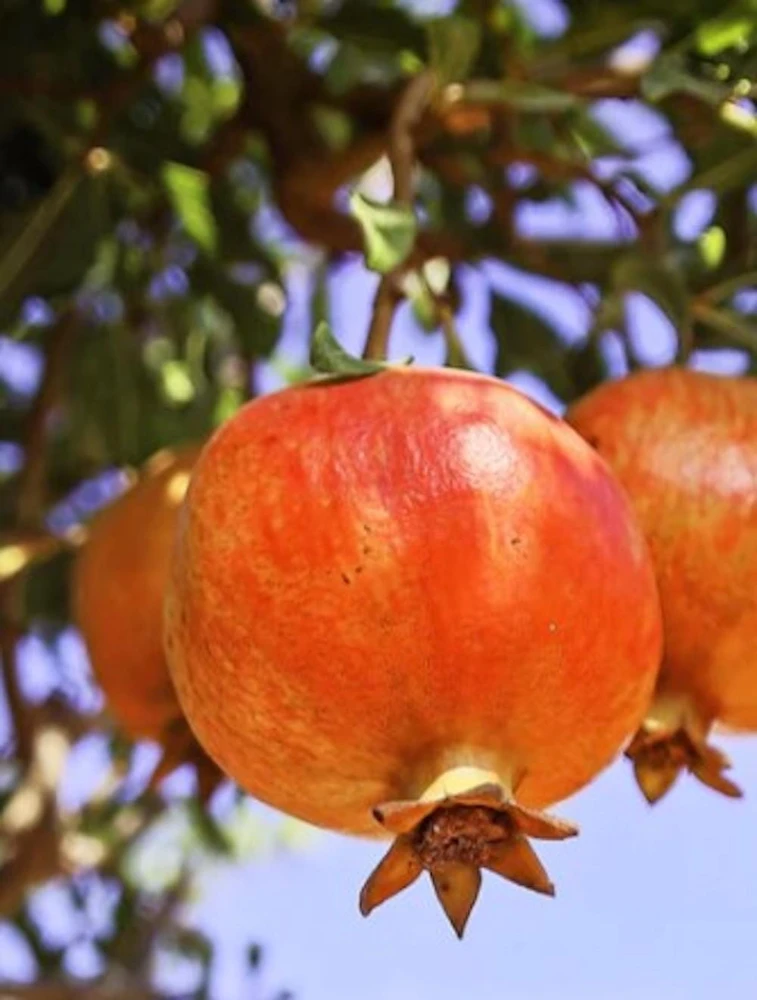
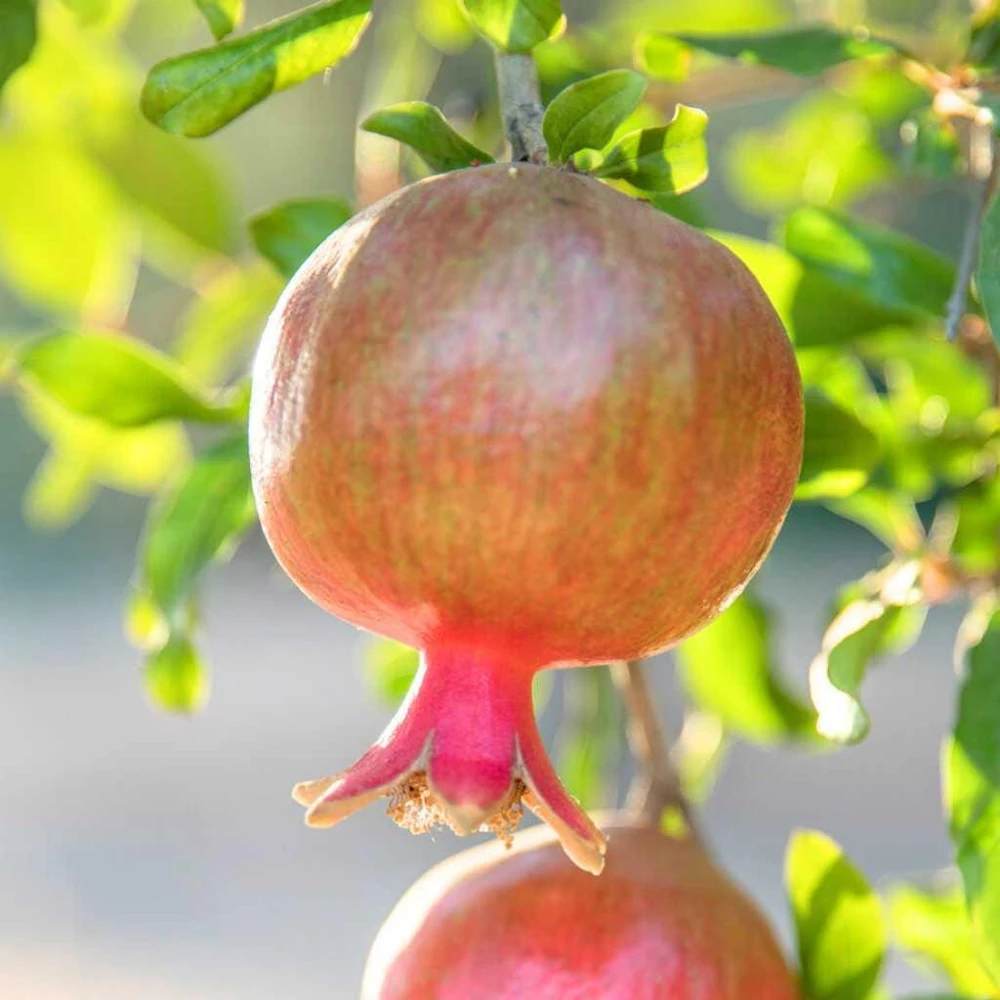
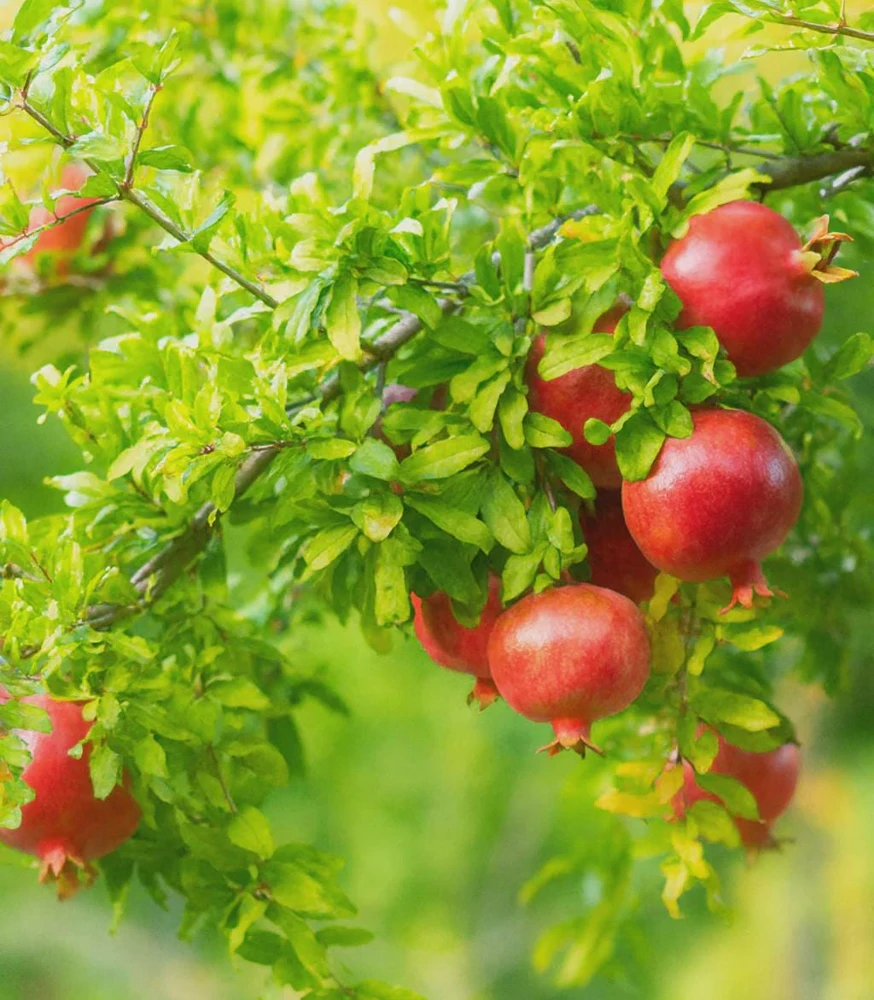
Cultivate your own delicious fruit with this pack of 3 Salavatski pomegranate tree starter plants. This cold hardy pomegranate, Punica granatum ‘Salavatski’, is a vigorous Russian variety known for its large, flavorful fruits and exceptional tolerance to cooler temperatures, making it ideal for gardeners in USDA zones 6-9.
Estimated arrival
Oct 17
Oct 22 - Oct 24
Oct 24 - Oct 29
See our Shipping Policy.
Get in touch with us via email, and our team will review your concerns.
Our Alive & Thrive Guarantee covers issues with your plants within the first 30 days. Read our Refund & Returns Policy.
-
USDA Hardiness Zone
USDA zones 6–9 -
Soil Type
Well-draining soil (pH 5.5-7.0) -
Sunlight Exposure
Full sun (6-8 hours direct light) -
Expected Planting Period
Early spring to early summer
Overview
Introduce a unique and resilient fruit-bearing plant to your garden with the 3 Salavatski pomegranate tree starter plants. The ‘Salavatski’ pomegranate, scientifically known as Punica granatum ‘Salavatski’, is a highly prized Russian variety renowned for its impressive cold hardiness and vigorous growth. Originating from Afghanistan and specifically bred for its adaptability to fluctuating temperatures, this particular Punica granatum Salavatski cultivar offers gardeners in cooler climates the opportunity to grow delicious pomegranates. Each starter plant provides a foundation for developing a robust and productive tree, yielding large, flavorful fruits that are a delight to harvest and consume. This variety is a popular choice for those seeking a fruit tree that can withstand more challenging environmental conditions than typical pomegranate types.
These Salavatski pomegranate tree starter plants are perfect for home gardeners looking to expand their edible landscape. They offer a unique blend of ornamental beauty and practical fruit production. The ‘Salavatski’ is known not only for its resilience but also for the quality of its fruit, which is sweet and juicy, ideal for fresh eating, juicing, or culinary applications. Growing your own pomegranates ensures a fresh, organic supply of this nutritious fruit right from your backyard. The vigorous nature of this Russian pomegranate plant means it establishes well and grows into a healthy, fruit-bearing specimen with proper care.
Key Benefits
The ‘Salavatski’ pomegranate offers numerous advantages for both novice and experienced gardeners. Its unique characteristics make it a standout choice among fruit trees.
- Exceptional Cold Hardiness: The ‘Salavatski’ is celebrated as a truly cold hardy pomegranate, capable of surviving temperatures as low as 5°F and potentially below 0°F with adequate protection. This makes it suitable for USDA zones 6-9, opening up pomegranate cultivation to a wider range of geographical areas that typically cannot support less resilient varieties. Gardeners can enjoy fresh pomegranates even in regions with distinct winter seasons.
- Delicious, Large Fruit Production: This variety produces large, flavorful pomegranates that are perfect for a variety of uses. The arils are sweet and juicy, making them ideal for fresh consumption, adding to salads, juicing, or incorporating into various recipes. The robust flavor profile is highly sought after.
- Vigorous Growth Habit: The Punica granatum Salavatski is a vigorous grower, establishing itself quickly and developing into a strong, productive tree. This ensures a healthy plant that can withstand various environmental stresses and provide a consistent harvest year after year.
- Adaptability to Fluctuating Temperatures: Bred in Afghanistan, a region known for its wide temperature swings, the ‘Salavatski’ has developed an inherent ability to adapt to varying thermal conditions. This makes it a reliable choice for climates with unpredictable weather patterns.
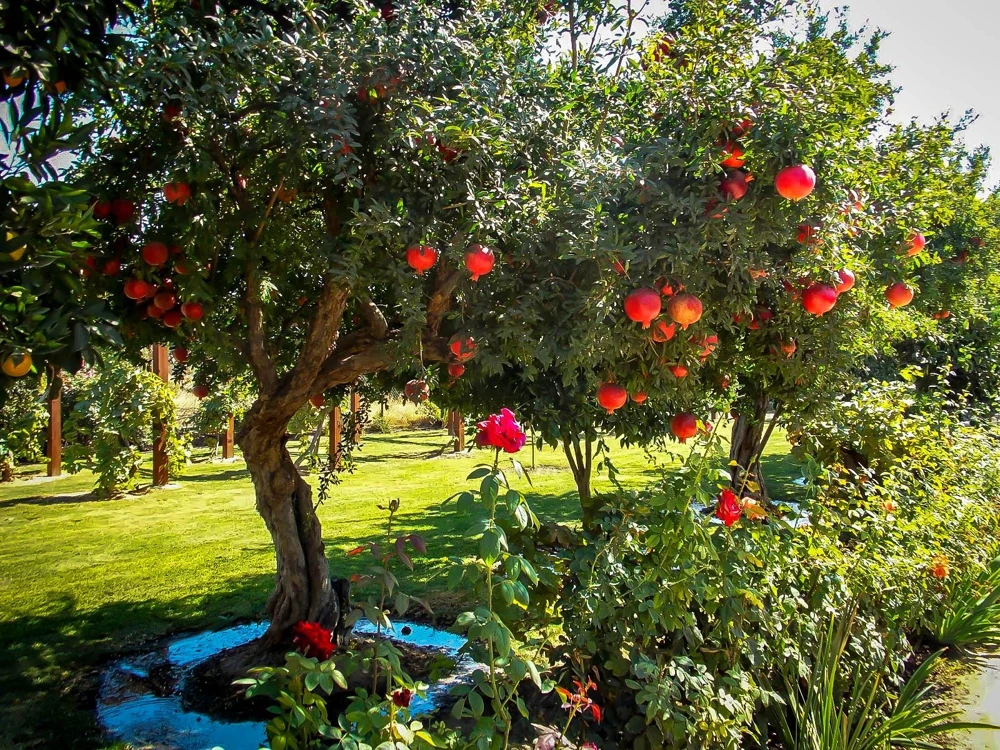
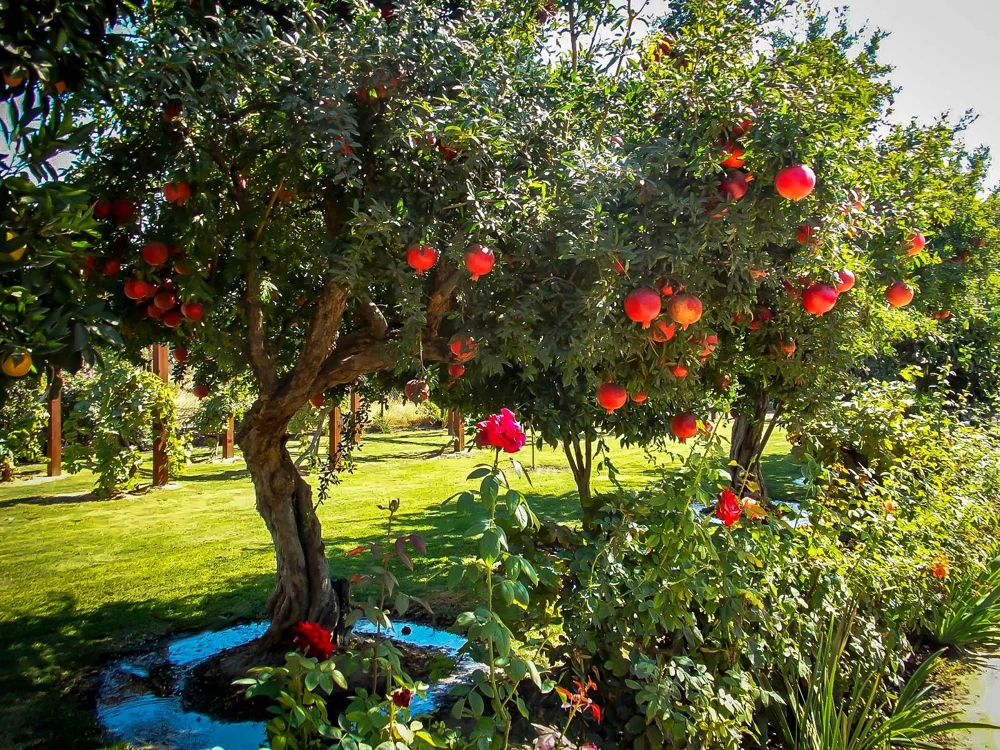
- Ornamental Appeal: Beyond its fruit-bearing capabilities, the Salavatski pomegranate tree also offers significant ornamental value. Its attractive foliage and vibrant, trumpet-shaped flowers in spring add beauty to any garden landscape, even before the fruit begins to ripen.
- Drought Tolerance: Once established, pomegranate trees are generally quite drought-tolerant, making them a water-wise choice for many gardens. This reduces the need for frequent watering, especially in more arid climates.
- Nutritional Benefits: Pomegranates are rich in antioxidants, vitamins, and minerals, offering numerous health benefits. Growing your own ensures a fresh and healthy source of this superfood.
Plant Care & Growing Tips
Caring for your Salavatski pomegranate tree starter plants will ensure they grow into healthy, productive trees. Pomegranates are relatively low-maintenance once established, but proper initial care is crucial. For optimal growth, these plants thrive in a location that receives full sun, meaning at least 6-8 hours of direct sunlight per day. Adequate sunlight is essential for fruit development and ripening. In extremely hot climates, some afternoon shade can be beneficial to prevent scorching, but generally, more sun equals more fruit. When considering how to grow pomegranate in cold climate, choose a sheltered spot or consider container growing for easier winter protection.
When it comes to soil, pomegranates prefer well-draining soil with a pH between 5.5 and 7.0. They are adaptable to various soil types, including sandy, loamy, or even heavy clay, as long as drainage is good. Avoid waterlogged conditions, as this can lead to root rot. Regular watering is important during the plant’s establishment phase and during dry spells, especially when fruit is developing. Once established, they become quite drought-tolerant. Fertilize your Russian pomegranate plant in early spring with a balanced fertilizer, and again in late spring or early summer if needed, avoiding excessive nitrogen which can promote foliage over fruit. Pruning should be done in late winter or early spring to remove dead or crossing branches and to shape the tree, promoting better air circulation and light penetration.
Protection from extreme cold is vital for your cold hardy pomegranate in the lower end of its hardiness range (USDA zone 6). While it can tolerate low temperatures, providing a thick layer of mulch around the base, wrapping the trunk with burlap, or covering smaller trees during severe cold snaps can significantly improve survival rates. Young plants are more susceptible to cold damage, so extra care during their first few winters is recommended. Monitor for common pests like aphids or scale and treat with horticultural oil or insecticidal soap if necessary. With these consistent care practices, your Punica granatum Salavatski will flourish and provide abundant harvests.
Size & Details
This offering includes 3 Salavatski pomegranate tree starter plants, which are typically shipped bare root. Bare root plants are dormant and arrive without soil or a pot, making them ready for immediate planting upon arrival. The size of the starter plants can vary, but they are generally young plants with a well-developed root system, poised for vigorous growth once planted in your garden. Expect these plants to establish quickly and begin their journey towards maturity. The ‘Salavatski’ pomegranate typically grows into a large shrub or small tree, reaching heights of 10-20 feet with a similar spread, depending on pruning and growing conditions. It has a moderate to fast growth rate, and you can expect fruit production to begin within 2-3 years after planting, with increasing yields as the tree matures.
These plants are selected for their health and readiness to thrive. They represent an excellent opportunity to cultivate a resilient and productive fruit tree in your landscape. The specific characteristics of the Russian pomegranate plant ensure that it will be a rewarding addition to gardens in USDA zones 6-9, providing both aesthetic beauty and delicious fruit. The bare root format allows for easy handling and planting, ensuring that your new Salavatski pomegranate tree can quickly adapt to its new home and begin to develop its strong root system.
Frequently Asked Questions
- Q: How big does this Salavatski pomegranate tree get? A: The ‘Salavatski’ pomegranate typically grows as a large shrub or small tree, reaching heights of 10-20 feet and a similar spread. Its ultimate size can be managed with proper pruning.
- Q: Is this an indoor or outdoor plant? A: The Salavatski pomegranate tree is primarily an outdoor plant, especially suited for USDA zones 6-9. While young plants can be overwintered indoors in colder climates, it needs significant light and space to thrive and fruit.
- Q: How much sunlight does the cold hardy pomegranate need? A: This pomegranate variety requires full sun, meaning at least 6-8 hours of direct sunlight per day, for optimal growth and fruit production.
- Q: Is this plant easy to care for? A: Once established, the Punica granatum Salavatski is relatively low-maintenance. It requires consistent watering during establishment and fruit development, and annual pruning. Its cold hardiness makes it easier to care for in cooler regions than other varieties.
- Q: What condition will the Russian pomegranate plant arrive in? A: These are shipped as bare root starter plants, meaning they are dormant and arrive without soil or a pot, ready for planting.
- Q: How long until this Salavatski pomegranate tree blooms and fruits? A: You can typically expect your ‘Salavatski’ pomegranate to begin producing fruit within 2-3 years after planting, with yields increasing as the tree matures.
- Q: Will this cold hardy pomegranate survive winter in my zone? A: The ‘Salavatski’ is cold hardy down to USDA zone 6 (around 5°F and potentially below 0°F with protection). If you are in zone 6 or 7, providing winter protection for young plants is recommended.
- Q: How do I protect my Punica granatum Salavatski in a cold climate? A: To protect your plant in colder zones, apply a thick layer of mulch around the base, wrap the trunk with burlap, or cover smaller trees during severe cold snaps.
- Q: What are the fruits of the Russian pomegranate plant like? A: The ‘Salavatski’ produces large, flavorful pomegranates with sweet and juicy arils, perfect for fresh eating, juicing, or culinary uses.
- Q: What kind of soil does this pomegranate prefer? A: It prefers well-draining soil with a pH between 5.5 and 7.0. It is adaptable to various soil types as long as drainage is good.
Be the first to review “3 Salavatski Pomegranate Tree Starter Plant – Cold Hardy Punica granatum”
Related products


You May Like

Hardneck vs. Softneck Garlic: Which Should You Grow?
Have you ever stood in front of a seed catalog in mid-September, staring at dozens [...]
Oct

When to Plant Music Garlic: Ultimate US Fall Guide
Have you ever spent your fall weekend placing carefully chosen garlic cloves into rich, dark [...]
1 Comment
Oct

5 Best Bulbs for Fall Planting: Brighten Your Garden This Spring
Are you dreaming of a garden full of vibrant colors in the spring? The key [...]
Aug

10 Houseplants That Will Thrive in Your Kitchen
Are you tired of your kitchen feeling dull and lifeless? Want to add a little [...]
1 Comment
Aug
Reviews
There are no reviews yet.