
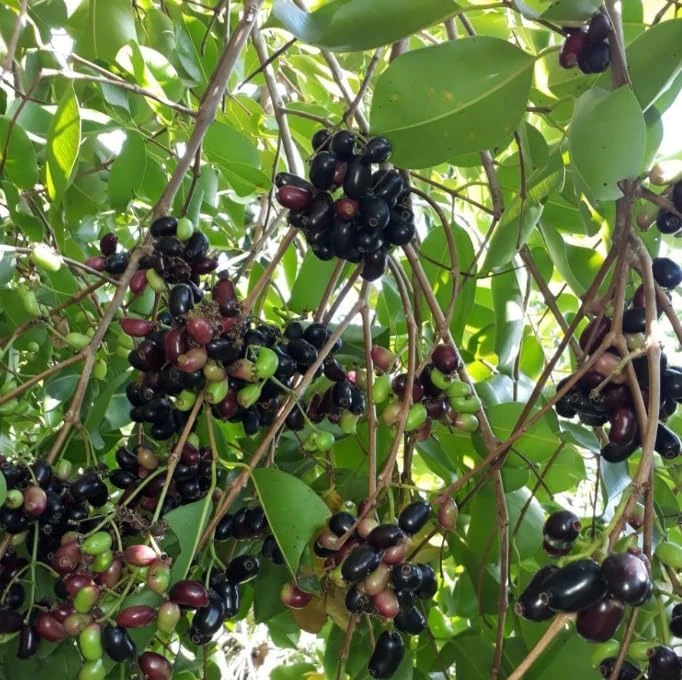
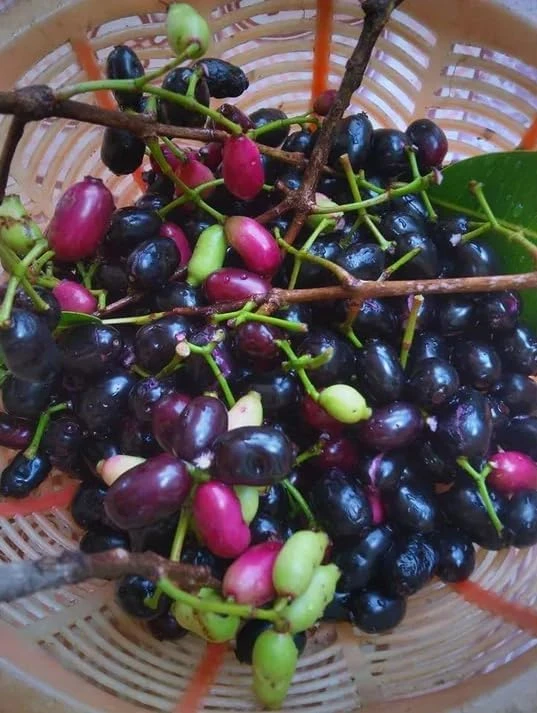
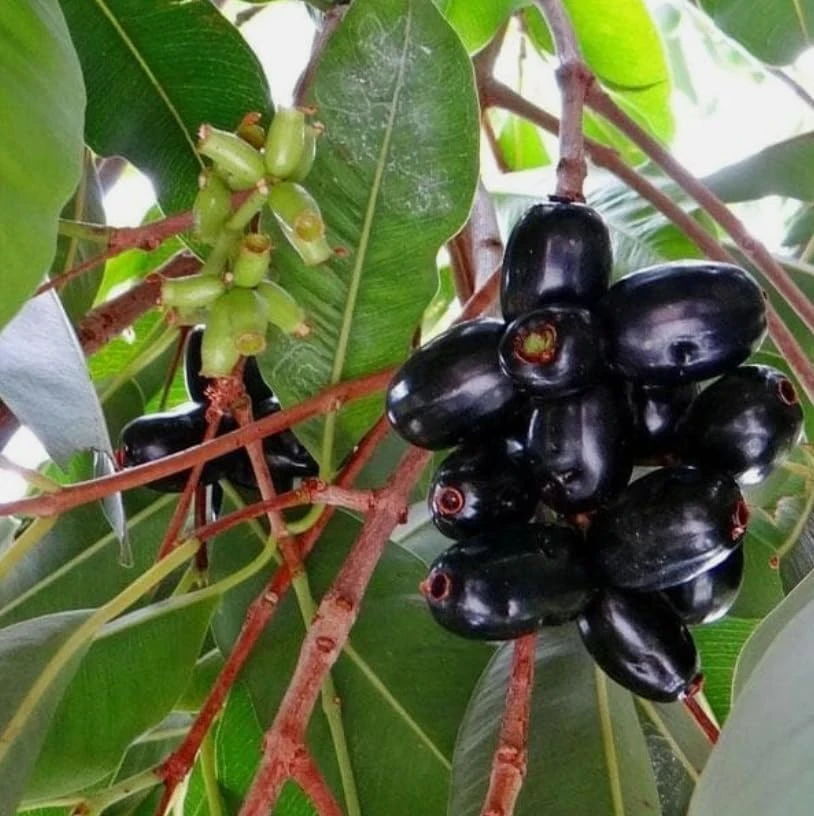
Jamun Tree Live Plant 5-8″ Tall – Syzygium Black Plum Fruit Tree, Jambul
Original price was: 43.98 $.31.99 $Current price is: 31.99 $.
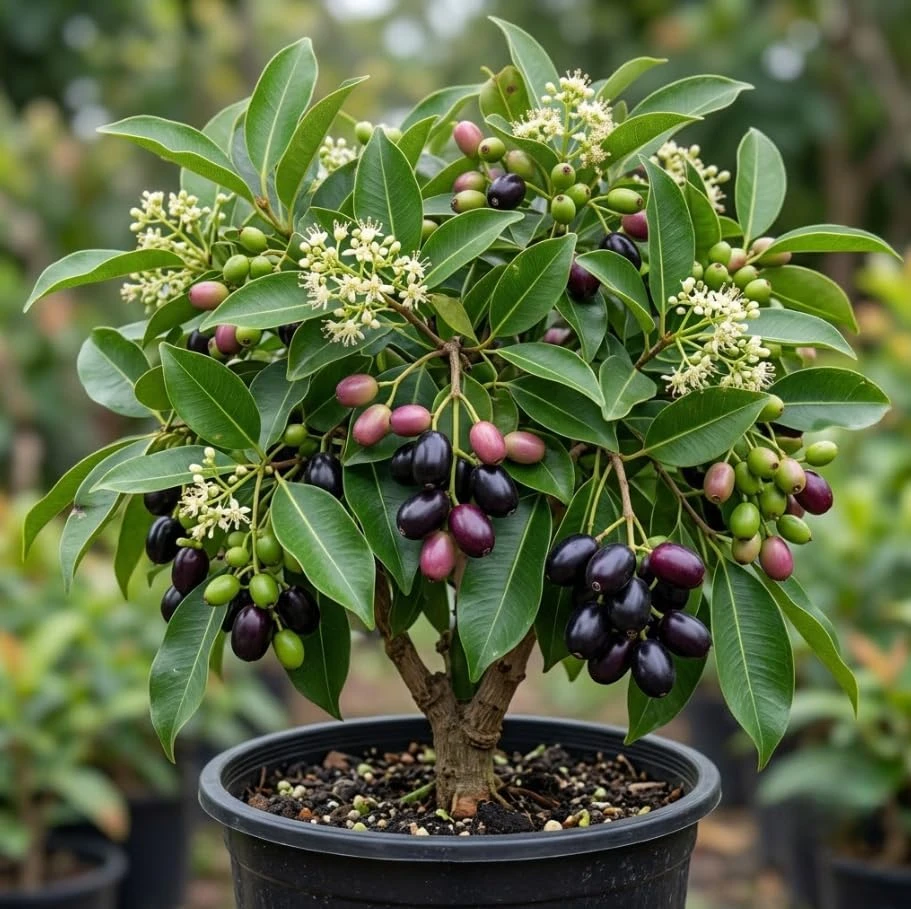
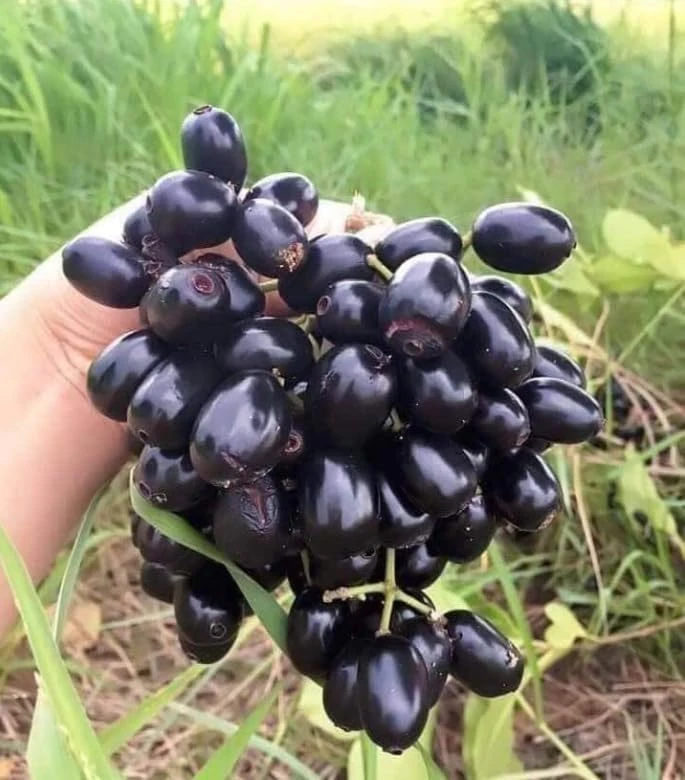
Cultivate a tropical delight with this jamun tree live plant, standing 5-8 inches tall. Also known as Java Plum or Syzygium Cumini, this vigorous grower is perfect for warm climates and produces delicious black-purple fruit.
Estimated arrival
Oct 16
Oct 21 - Oct 23
Oct 23 - Oct 28
See our Shipping Policy.
Get in touch with us via email, and our team will review your concerns.
Our Alive & Thrive Guarantee covers issues with your plants within the first 30 days. Read our Refund & Returns Policy.
-
USDA Hardiness Zone
USDA zones 10-12 -
Soil Type
Well-draining loamy soil -
Sunlight Exposure
Full sun -
Expected Planting Period
Year-round in warm climates; spring to summer in containers
Overview
Bring the exotic taste of the tropics to your garden with a jamun tree live plant. This young and vigorous Syzygium Cumini, also known as Java Plum or Black Plum, arrives standing 5-8 inches tall, ready to be nurtured into a fruit-bearing specimen. Renowned for its deep black-purple fruit, the Jamun tree is a cherished addition to any warm, tropical, or subtropical landscape. Our syzygium cumini plant offers a unique opportunity for gardeners to cultivate a rare and rewarding fruit tree, promising a bounty of sweet and tangy fruits once mature. It’s an ideal choice for those looking to expand their edible garden with something truly special.
The Jamun tree is not only celebrated for its delicious fruit but also for its attractive foliage and robust growth. Originating from the Indian subcontinent, this tree adapts well to various warm environments, making it a popular choice for enthusiastic gardeners in suitable climates. With proper care, your java plum tree will flourish, providing shade and a continuous supply of nutritious fruit. This starter plant is carefully selected to ensure a healthy beginning, setting you up for success in growing your own tropical fruit oasis.
Key Benefits
Cultivating a Jamun tree offers a multitude of benefits, from its unique fruit to its aesthetic appeal in your garden. Here are some of the advantages of growing your own jamun tree live plant:
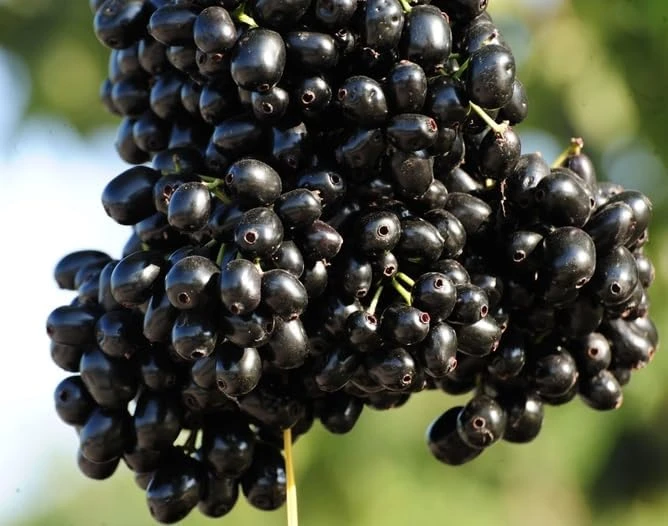
- Delicious, Nutritious Fruit: Enjoy the distinct sweet and tangy flavor of fresh black-purple Jamun fruits, packed with vitamins and antioxidants. Growing your own ensures the freshest produce.
- Exotic Garden Addition: Adds a unique tropical touch to your landscape with its attractive foliage and eventual fruit production, making your garden stand out.
- Vigorous Growth: This starter plant is young and robust, known for its strong growth habit, allowing it to establish quickly in optimal conditions.
- Adaptable to Warm Climates: Thrives in tropical and subtropical regions, making it suitable for USDA hardiness zones 10-12, where it can be planted outdoors.
- Potential for Shade: As it matures, the black plum fruit tree can provide a generous canopy, offering welcome shade during hot summer months.
- Educational Experience: A wonderful plant for gardeners interested in tropical horticulture, offering a rewarding experience of growing a less common fruit tree from a young stage.
- Supports Biodiversity: Attracts local wildlife, such as birds, with its fruit, contributing to the ecological balance of your garden.
Plant Care & Growing Tips
To ensure your jamun tree live plant thrives, proper care and attention are essential. This tropical species requires specific conditions to reach its full potential and produce abundant fruit. Begin by choosing a location that receives ample sunlight.
Sunlight Requirements: The Jamun tree prefers full sun, meaning at least 6-8 hours of direct sunlight per day. In extremely hot climates, some afternoon shade can be beneficial to prevent leaf scorch, especially for young plants. If growing in a container, ensure it can be moved to maximize sun exposure. For a healthy syzygium cumini plant, consistent light is key.
Watering and Soil: This tree prefers consistently moist, but not waterlogged, soil. Water regularly, especially during dry spells and the fruiting period. Allow the top inch or two of soil to dry out slightly between waterings. Well-draining soil is crucial to prevent root rot. A loamy, sandy soil with a slightly acidic to neutral pH (6.0-7.0) is ideal. When planting your java plum tree, consider amending heavy clay soils with organic matter to improve drainage.
Temperature and Hardiness: The Jamun tree is a tropical and subtropical species, best suited for USDA hardiness zones 10-12. It can tolerate brief periods of cool temperatures but is not frost-hardy. If you live in a cooler zone, consider growing it in a large pot that can be moved indoors during winter. Protect young plants from strong winds. Fertilize during the growing season (spring and summer) with a balanced, slow-release fertilizer designed for fruit trees. Prune to maintain shape and remove any dead or diseased branches, typically after the fruiting season. Keep an eye out for common pests and diseases, addressing them promptly with appropriate organic solutions.
Size & Details
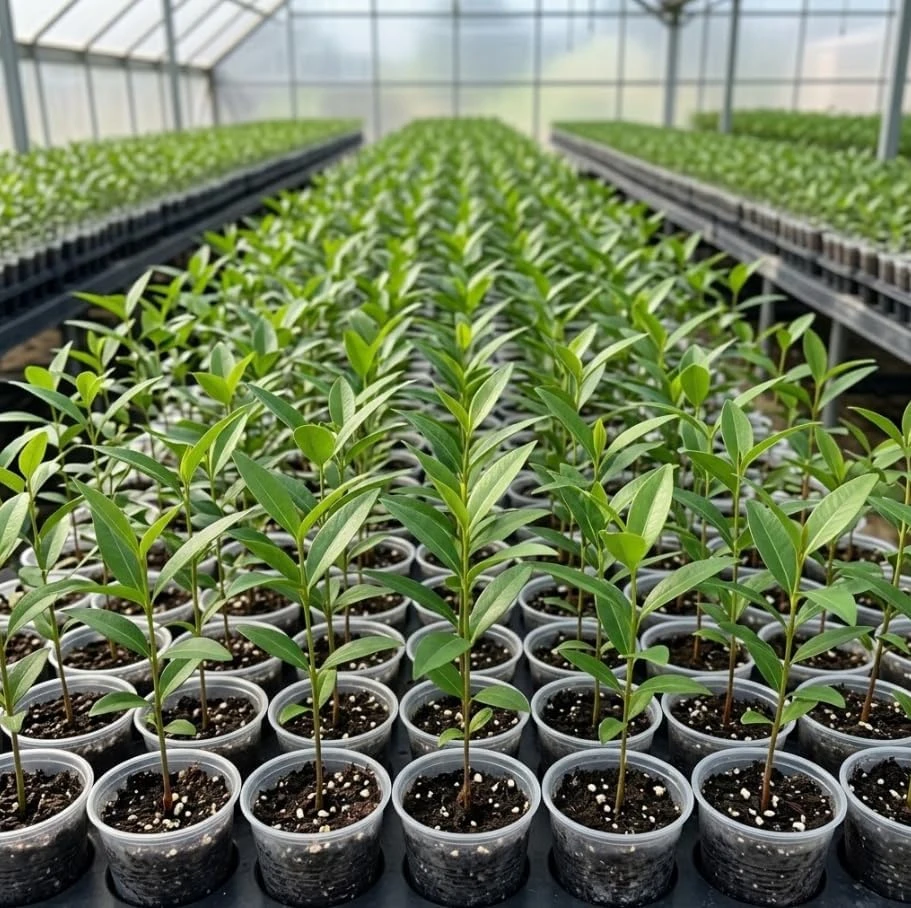
This offering is for one jamun tree live plant, which arrives standing between 5 to 8 inches tall from the base of the soil to the tip of the highest leaf. Each plant is a young, vigorous starter, carefully packed to ensure safe transit. These plants are typically shipped in a small nursery pot or with their root ball protected, ready for immediate potting into a larger container or planting directly into the ground in appropriate climates. The Jamun tree has a moderate to fast growth rate, and while it will take several years to reach maturity and begin fruiting, this starter plant provides a strong foundation for future growth. Expect your black plum fruit tree to develop into a substantial specimen over time, potentially reaching heights of 20-30 feet or more when mature in ideal outdoor conditions. Early care is critical for establishing a robust root system and healthy canopy for your future tropical harvest.
Frequently Asked Questions
- Q: How big will this Jamun tree get when mature? A: A mature jamun tree live plant can reach heights of 20-30 feet or more when planted in optimal outdoor conditions. In containers, its size will be more restricted, but it can still grow quite large.
- Q: Is this an indoor or outdoor plant? A: The Jamun tree thrives outdoors in warm, tropical, and subtropical climates (USDA zones 10-12). In cooler zones, it can be grown in a pot and brought indoors during colder months.
- Q: How much sunlight does a Syzygium Cumini plant need? A: Your syzygium cumini plant requires at least 6-8 hours of direct sunlight per day for best growth and fruit production.
- Q: When can I expect my Java Plum tree to produce fruit? A: A young java plum tree typically begins to bear fruit within 3-5 years after planting, though this can vary based on growing conditions and care.
- Q: What kind of soil is best for a black plum fruit tree? A: A well-draining, loamy soil with a slightly acidic to neutral pH (6.0-7.0) is ideal for your black plum fruit tree. Amend heavy soils with organic matter.
- Q: How often should I water my Jamun tree? A: Water regularly to keep the soil consistently moist but not waterlogged, especially during dry periods and when the plant is actively growing or fruiting. Allow the top soil to dry slightly between waterings.
- Q: Is this tropical fruit tree easy to care for? A: While it has specific requirements for warmth and sunlight, the Jamun tree is generally considered moderately easy to care for once established in the correct climate. Consistent watering and feeding are key.
Be the first to review “Jamun Tree Live Plant 5-8″ Tall – Syzygium Black Plum Fruit Tree, Jambul”
Related products




You May Like

Hardneck vs. Softneck Garlic: Which Should You Grow?
Have you ever stood in front of a seed catalog in mid-September, staring at dozens [...]
Oct

When to Plant Music Garlic: Ultimate US Fall Guide
Have you ever spent your fall weekend placing carefully chosen garlic cloves into rich, dark [...]
1 Comment
Oct

5 Best Bulbs for Fall Planting: Brighten Your Garden This Spring
Are you dreaming of a garden full of vibrant colors in the spring? The key [...]
Aug

10 Houseplants That Will Thrive in Your Kitchen
Are you tired of your kitchen feeling dull and lifeless? Want to add a little [...]
1 Comment
Aug
Reviews
There are no reviews yet.