
Cape Gooseberry Seeds – Physalis peruviana – 10 Count Fruit Seeds
Original price was: 43.99 $.18.99 $Current price is: 18.99 $.
Cultivate your own sweet and tangy fruits with these cape gooseberry seeds. Each packet contains 10 Physalis peruviana seeds, perfect for starting your own garden harvest. Enjoy fresh, nutritious fruit right from your backyard.
Estimated arrival
Oct 15
Oct 20 - Oct 22
Oct 22 - Oct 27
See our Shipping Policy.
Get in touch with us via email, and our team will review your concerns.
Our Alive & Thrive Guarantee covers issues with your plants within the first 30 days. Read our Refund & Returns Policy.
-
USDA Hardiness Zone
USDA zones 8-11 (as perennial), otherwise grown as annual -
Soil Type
Well-draining, fertile soil -
Sunlight Exposure
Full Sun -
Expected Planting Period
Spring after last frost (start indoors earlier)
Overview
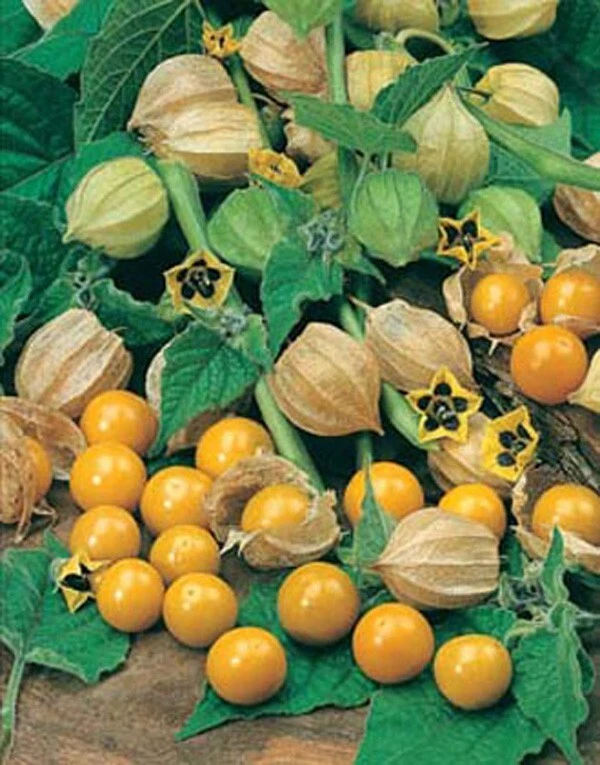
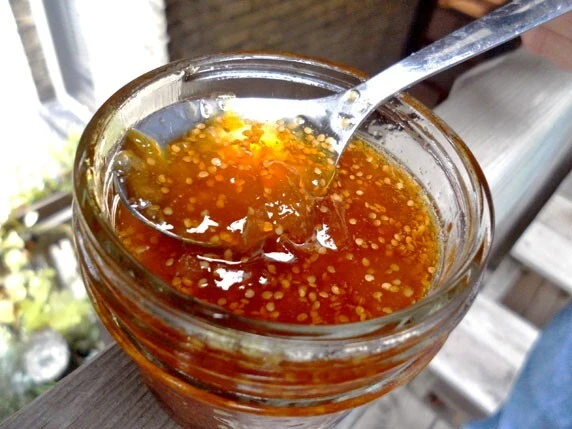
Embark on a rewarding gardening journey with our premium cape gooseberry seeds. These high-quality Physalis peruviana seeds offer the opportunity to cultivate your own supply of this unique and delicious fruit, often known as goldenberry or Inca berry. Originating from the Andes, the cape gooseberry plant produces small, round, orange-yellow fruits encased in a papery husk, resembling a miniature tomatillo. Known for their distinctive sweet-tart flavor, these berries are excellent for fresh eating, jams, pies, and desserts. Growing your own cape gooseberry seeds allows you to enjoy fresh, organic produce and experience the satisfaction of harvesting your own food.
The Physalis peruviana seeds are carefully selected to ensure high germination rates, providing a strong start for your garden. Whether you’re an experienced gardener or a beginner looking to expand your edible landscape, these seeds are a fantastic choice. The plants are relatively easy to grow and can thrive in various climates, making them a versatile addition to almost any home garden. Discover the joy of nurturing these fascinating plants from seed to fruit, and enjoy the abundant harvests they provide.
Key Benefits
Growing cape gooseberry seeds in your garden offers a multitude of benefits, from culinary delights to potential health advantages. These vibrant fruits are not only tasty but also packed with nutrients:
- Delicious and Versatile Fruit: Cape gooseberries offer a unique sweet-tart flavor profile, making them perfect for snacking, adding to salads, baking into pies, or making gourmet jams and sauces.
- Rich in Nutrients: These golden berries are a good source of vitamins C and A, antioxidants, and dietary fiber, contributing to a healthy diet.
- Easy to Grow from Seed: With proper care, Physalis peruviana seeds are straightforward to germinate and cultivate, making them suitable for gardeners of all skill levels.
- Adds Ornamental Value: The plants themselves, with their attractive papery husks protecting the berries, can add an interesting visual element to your garden or patio.
- Harvest Fresh Produce: Enjoy the satisfaction and health benefits of harvesting your own fresh, organic fruit directly from your garden. Knowing how to grow cape gooseberries means you control what goes into your food.
- Container Friendly: These plants can be successfully grown in large pots or containers, making them ideal for patios, balconies, or smaller garden spaces.
- Long Harvest Season: Once established, cape gooseberry plants can produce fruit over an extended period, providing a continuous supply of fresh berries throughout the summer and into fall.
Plant Care & Growing Tips
To successfully grow cape gooseberries from seed, start them indoors 6-8 weeks before the last frost date. Sow Physalis peruviana seeds about 1/4 inch deep in well-draining seed starting mix. Maintain a consistent temperature of 70-75°F (21-24°C) for optimal germination. Once seedlings emerge, provide plenty of light, either from a sunny window or grow lights, to prevent them from becoming leggy. Harden off the young plants gradually before transplanting them outdoors after all danger of frost has passed.
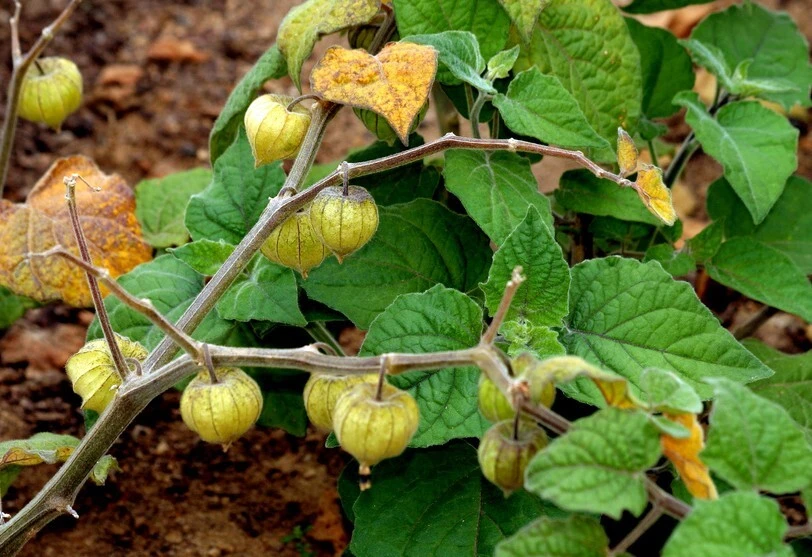
Cape gooseberry plant care involves providing a location with Full Sun, meaning at least 6-8 hours of direct sunlight daily. They prefer well-draining soil with a pH between 6.0 and 7.0. Amend heavy clay soils with compost or organic matter to improve drainage and fertility. Water regularly, especially during dry spells and when fruits are developing, aiming for consistently moist but not waterlogged soil. Avoid overhead watering to minimize fungal diseases. These plants can grow quite large, so provide adequate spacing (2-3 feet apart) or support with stakes or cages if needed. Fertilize with a balanced organic fertilizer every 4-6 weeks during the growing season.
Pest and disease issues are generally minimal for cape gooseberry seeds. Watch out for common garden pests like aphids or whiteflies and treat them with organic insecticidal soap if necessary. The papery husks protect the fruit from many pests. Harvesting begins when the husks turn papery and the fruit inside is golden-orange and easily detaches from the stem. Regular harvesting encourages more fruit production. Understanding cape gooseberry plant care will lead to a bountiful harvest.
Size & Details
This product includes 10 high-quality cape gooseberry seeds (Physalis peruviana), ready for planting. Each seed has the potential to grow into a robust plant that typically reaches 2-3 feet in height and spread, though some varieties can grow larger. The plants are bushy and can benefit from support as they become laden with fruit. They are annuals in most temperate climates but can be perennial in warmer, frost-free regions. From planting the Physalis peruviana seeds to harvest, it generally takes about 70-85 days for the first fruits to mature. The plants are shipped as a seed packet, ensuring they arrive in optimal condition for planting. Begin your journey to grow cape gooseberries today.
Frequently Asked Questions
- Q: How big does a cape gooseberry plant get? A: A typical cape gooseberry plant grown from cape gooseberry seeds can reach a height and spread of 2 to 3 feet. With ideal growing conditions and support, they can sometimes grow larger, producing abundant fruit.
- Q: Is this an indoor or outdoor plant? A: While Physalis peruviana seeds can be started indoors, the resulting plants are primarily grown outdoors in full sun. In colder climates, they are grown as annuals, but in warmer, frost-free zones, they can be perennial.
- Q: How much sunlight does it need? A: Cape gooseberry plants thrive in Full Sun, requiring at least 6-8 hours of direct sunlight per day for optimal growth and fruit production. Plenty of sun is key to a good harvest when you grow cape gooseberries.
- Q: Is this plant easy to care for? A: Yes, cape gooseberry plants are considered relatively easy to care for, making them suitable for gardeners of all experience levels. They require consistent watering, good drainage, and plenty of sunlight.
- Q: What condition will the seeds arrive in? A: The product consists of 10 viable cape gooseberry seeds packaged to ensure their quality and readiness for planting upon arrival. They are not live plants but dormant seeds.
- Q: Can I use cape gooseberry in cooking? A: Absolutely! Cape gooseberries are highly versatile in the kitchen. They can be eaten fresh, added to fruit salads, used in jams, jellies, pies, sauces, or even dipped in chocolate for a gourmet treat.
- Q: When is the best time to plant cape gooseberry seeds? A: For most regions, it’s best to start Physalis peruviana seeds indoors 6-8 weeks before the last expected frost. Transplant them outdoors after all danger of frost has passed and the soil has warmed.
- Q: What is the ideal soil type for cape gooseberries? A: Cape gooseberries prefer well-draining, fertile soil with a slightly acidic to neutral pH (6.0-7.0). Amending with compost will improve soil structure and nutrient content for excellent cape gooseberry plant care.
- Q: How long does it take for cape gooseberries to fruit? A: From the time of planting the cape gooseberry seeds, you can generally expect to start harvesting fruits in about 70-85 days, depending on growing conditions and variety.
- Q: Do I need to prune cape gooseberry plants? A: While not strictly necessary, light pruning can help manage the plant’s size and encourage bushier growth. Remove any dead or diseased branches to maintain plant health.
Be the first to review “Cape Gooseberry Seeds – Physalis peruviana – 10 Count Fruit Seeds”
Related products


You May Like

Hardneck vs. Softneck Garlic: Which Should You Grow?
Have you ever stood in front of a seed catalog in mid-September, staring at dozens [...]
Oct

When to Plant Music Garlic: Ultimate US Fall Guide
Have you ever spent your fall weekend placing carefully chosen garlic cloves into rich, dark [...]
1 Comment
Oct

5 Best Bulbs for Fall Planting: Brighten Your Garden This Spring
Are you dreaming of a garden full of vibrant colors in the spring? The key [...]
Aug

10 Houseplants That Will Thrive in Your Kitchen
Are you tired of your kitchen feeling dull and lifeless? Want to add a little [...]
1 Comment
Aug
Reviews
There are no reviews yet.