
Nandina Domestica Heavenly Bamboo Seeds – 15 Count Perennial Shrub
Original price was: 44.99 $.19.99 $Current price is: 19.99 $.
Cultivate the stunning Nandina domestica seeds, also known as heavenly bamboo seeds. This pack contains 15 premium perennial shrub seeds, perfect for adding elegant, year-round interest to your garden or landscape. Enjoy its vibrant foliage and easy care.
Estimated arrival
Oct 15
Oct 20 - Oct 22
Oct 22 - Oct 27
See our Shipping Policy.
Get in touch with us via email, and our team will review your concerns.
Our Alive & Thrive Guarantee covers issues with your plants within the first 30 days. Read our Refund & Returns Policy.
-
USDA Hardiness Zone
USDA zones 6-10 -
Soil Type
Well-draining, fertile soil -
Sunlight Exposure
Full sun to partial shade -
Expected Planting Period
Early spring after stratification
Overview
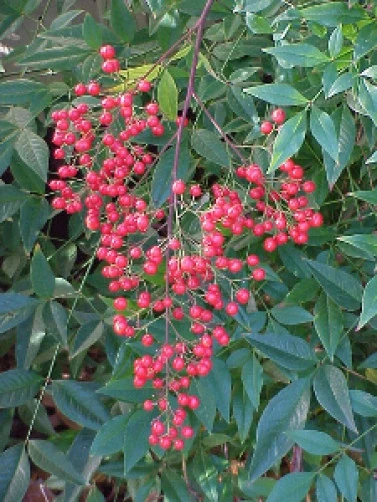
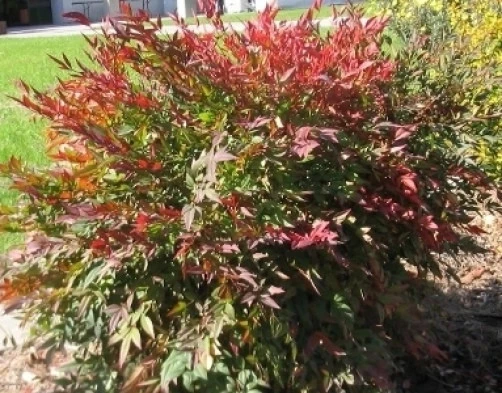
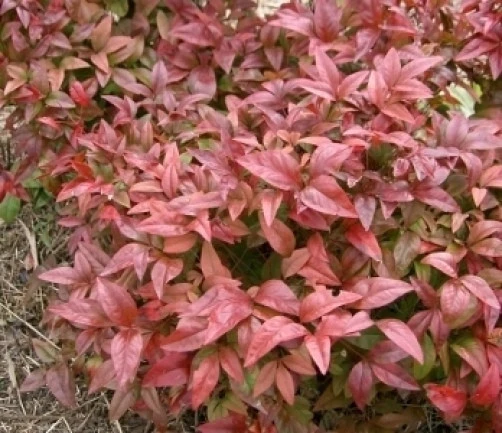
Discover the beauty and versatility of Nandina domestica seeds, offering you the opportunity to grow the beloved Heavenly Bamboo shrub from scratch. This unique plant, despite its common name, is not a true bamboo but rather a member of the barberry family, celebrated for its delicate foliage and ever-changing seasonal colors. Starting from heavenly bamboo seeds is a rewarding way to introduce this elegant perennial into your garden. Native to eastern Asia, Nandina domestica is highly valued for its ornamental appeal, showcasing new growth in shades of bronze and red, maturing to green, and often turning brilliant red or purple in cooler temperatures. It also produces clusters of small white flowers in spring, followed by bright red berries that persist through winter, providing food for birds and visual interest.
Growing Nandina from seed allows for a cost-effective way to create hedges, borders, or mass plantings. These perennial shrub seeds are ideal for gardeners looking to establish a low-maintenance yet impactful landscape feature. The plant’s graceful, upright habit and fine-textured leaves make it a popular choice for various garden styles, from traditional to modern. Whether you’re an experienced horticulturist or a budding enthusiast, cultivating Nandina domestica from seed promises a fulfilling gardening experience, yielding resilient and attractive shrubs that enhance any outdoor space.
Key Benefits
The Nandina domestica seeds provide numerous advantages for any landscape, making them a superb choice for gardeners seeking both beauty and resilience. These heavenly bamboo seeds germinate into plants offering a wealth of visual appeal and practical benefits.
- Year-Round Visual Interest: Nandina domestica provides continuous beauty with its evolving foliage colors, from vibrant reds and bronzes in spring and fall to lush greens in summer. The persistent red berries add a pop of color throughout the winter months, ensuring your garden remains attractive even in colder seasons.
- Low Maintenance: Once established, these shrubs are incredibly hardy and require minimal care. They are drought-tolerant and generally resistant to pests and diseases, making them perfect for busy gardeners or those new to planting.
- Versatile Landscaping: The elegant, upright form of Nandina makes it suitable for a variety of uses, including foundation plantings, informal hedges, mass plantings, or as a striking accent plant in mixed borders. Its adaptability allows it to fit into many garden designs.
- Wildlife Attraction: The bright red berries produced by mature Nandina plants serve as an important food source for various bird species during winter, bringing lively activity to your garden.
- Deer Resistant: Nandina domestica is often left untouched by deer, a significant advantage for gardeners in areas prone to deer browsing, ensuring your plants remain pristine.
- Adaptable to Various Conditions: These shrubs are tolerant of a range of soil types and can thrive in both full sun and partial shade, offering flexibility in planting locations.
- Erosion Control: With their fibrous root systems, Nandina plants can be effective in stabilizing soil on slopes and preventing erosion, adding a practical benefit to their ornamental value.
Plant Care & Growing Tips
Growing Nandina domestica seeds requires a bit of patience and specific steps to ensure successful germination and healthy plant development. To start, prepare the seeds by scarifying them (gently scratching the hard outer coat) and then stratifying them. Stratification involves placing the seeds in a moist medium like sand or peat moss and refrigerating them for 2-3 months to mimic winter conditions. After stratification, sow the heavenly bamboo seeds in a well-draining seed-starting mix, lightly covering them with soil.
For optimal growth, Nandina domestica thrives in a location that receives full sun to partial shade. While it can tolerate full sun, some afternoon shade is beneficial in hotter climates to prevent leaf scorch. The ideal soil type is fertile, well-draining, and slightly acidic to neutral. Amend heavy clay soils with organic matter to improve drainage and aeration. Water newly planted seedlings regularly to keep the soil consistently moist but not waterlogged, until they are established. Once mature, Nandina is drought-tolerant and requires less frequent watering. These perennial shrub seeds will grow into plants that are hardy in USDA zones 6-10, tolerating a wide range of temperatures.
Fertilize your Nandina plants in early spring with a balanced, slow-release granular fertilizer formulated for shrubs. Avoid over-fertilizing, as this can lead to excessive foliage growth at the expense of berry production. Pruning is generally minimal; simply remove any dead or damaged branches. You can also thin out older, woody stems at the base to encourage new growth and maintain a desirable shape. Watch out for common pests like scale insects or mealybugs, which can be treated with horticultural oil. By following these tips, your ornamental plant seeds will develop into robust and beautiful Nandina shrubs.
Size & Details
This product includes 15 premium Nandina domestica seeds, ready for you to cultivate into beautiful Heavenly Bamboo shrubs. When mature, Nandina domestica typically grows to a height of 4-8 feet and a width of 2-4 feet, forming an upright, multi-stemmed shrub. The growth rate is moderate, allowing you to enjoy a well-developed plant within a few years of planting. These heavenly bamboo seeds will produce plants that feature delicate, lace-like foliage that changes color with the seasons, providing dynamic visual interest throughout the year. The plants will eventually produce clusters of bright red berries, adding to their ornamental appeal and providing food for local wildlife.
The seeds are shipped in a protective packet, ensuring their viability upon arrival. Expect germination to take several weeks to months after proper scarification and stratification. Once established, these perennial shrub seeds will result in resilient plants that are well-suited for a variety of garden applications, from informal hedges to striking specimen plants. The mature size and vibrant characteristics make Nandina domestica an excellent choice for adding structure, color, and texture to your landscape with minimal long-term effort.
Frequently Asked Questions
- Q: How many seeds are included in this pack? A: This pack contains 15 premium Nandina domestica seeds, providing you with a good quantity to start cultivating your Heavenly Bamboo shrubs.
- Q: What is the best time to plant these Heavenly Bamboo seeds? A: After proper stratification, the best time to sow heavenly bamboo seeds is in early spring, once the danger of hard frost has passed. This allows the seedlings to establish themselves during the growing season.
- Q: Is Nandina domestica an indoor or outdoor plant? A: Nandina domestica is primarily an outdoor perennial shrub, well-suited for gardens and landscapes. While young seedlings can be started indoors, mature plants thrive outdoors.
- Q: How much sunlight do Nandina plants need? A: For best results, Nandina plants prefer full sun to partial shade. In hotter climates, some afternoon shade can help protect the foliage from intense sun.
- Q: Are these Nandina domestica seeds difficult to germinate? A: Germinating Nandina domestica seeds requires scarification and cold stratification for several months. While it requires patience, following the proper steps will lead to successful germination.
- Q: How tall do Nandina shrubs grow from these seeds? A: Mature Nandina shrubs typically reach a height of 4-8 feet and a width of 2-4 feet, depending on growing conditions and variety.
- Q: What kind of soil is best for growing Nandina? A: Nandina prefers fertile, well-draining soil with a slightly acidic to neutral pH. Amending with organic matter can improve soil structure and drainage.
- Q: Are the berries of Nandina domestica safe for pets? A: The berries of Nandina domestica contain cyanogenic glycosides, which can be toxic if ingested in large quantities by pets, especially cats and dogs. It’s advisable to plant them in areas where pets won’t have access to the berries.
- Q: How long does it take for Nandina to produce berries from seed? A: Nandina plants grown from perennial shrub seeds typically begin to produce berries once they reach maturity, which can take 2-3 years after germination.
- Q: What USDA Hardiness Zones are suitable for Nandina? A: Nandina domestica is hardy in USDA Zones 6-10, making it suitable for a wide range of climates across the United States.
Be the first to review “Nandina Domestica Heavenly Bamboo Seeds – 15 Count Perennial Shrub”
Related products


Shrub Seeds
Golden Currant Shrub Seeds – 20 Count – Edible Black Fruit, Yellow Flowers, Ribes Aureum


Shrub Seeds
Nannyberry Sweet Viburnum Lentago Seeds – 20 Pack, White Flowers, Edible Blue-Black Berries

Shrub Seeds
Red Flowering Currant Seeds – Ribes Sanguineum Shrub Seeds – 25 Seeds – Attracts Hummingbirds


You May Like

Hardneck vs. Softneck Garlic: Which Should You Grow?
Have you ever stood in front of a seed catalog in mid-September, staring at dozens [...]
Oct

When to Plant Music Garlic: Ultimate US Fall Guide
Have you ever spent your fall weekend placing carefully chosen garlic cloves into rich, dark [...]
1 Comment
Oct

5 Best Bulbs for Fall Planting: Brighten Your Garden This Spring
Are you dreaming of a garden full of vibrant colors in the spring? The key [...]
Aug

10 Houseplants That Will Thrive in Your Kitchen
Are you tired of your kitchen feeling dull and lifeless? Want to add a little [...]
1 Comment
Aug
Reviews
There are no reviews yet.