
Melaleuca Suberosa Seeds – Cork Bark Honey Myrtle – 20 Seed Pack
Original price was: 44.99 $.19.99 $Current price is: 19.99 $.
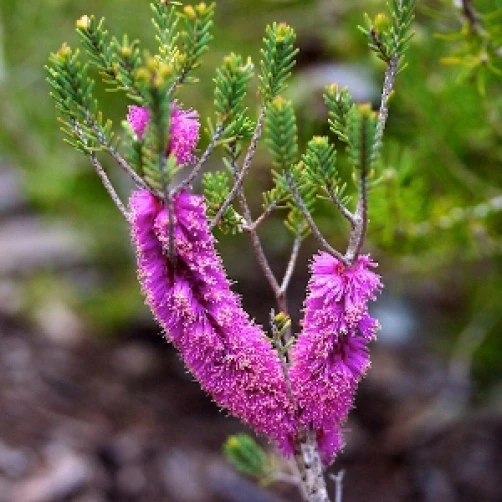
Cultivate the distinctive Melaleuca suberosa seeds to grow a beautiful Cork Bark Honey Myrtle. These unique seeds offer a drought-tolerant shrub with interesting corky bark and delicate flowers, perfect for adding texture to your garden landscape.
Estimated arrival
Oct 15
Oct 20 - Oct 22
Oct 22 - Oct 27
See our Shipping Policy.
Get in touch with us via email, and our team will review your concerns.
Our Alive & Thrive Guarantee covers issues with your plants within the first 30 days. Read our Refund & Returns Policy.
-
USDA Hardiness Zone
USDA zones 9–11 -
Soil Type
Well-draining soil -
Sunlight Exposure
Full sun to partial shade -
Expected Planting Period
Spring to early summer
Overview
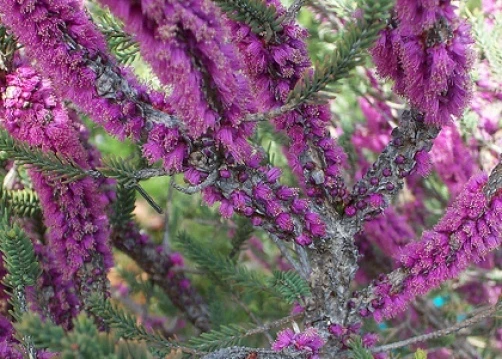
Embark on a rewarding gardening journey with Melaleuca suberosa seeds, allowing you to cultivate the captivating Cork Bark Honey Myrtle in your own outdoor space. This unique plant, scientifically known as Melaleuca suberosa, is celebrated for its distinctive corky bark and charming pink to purple bottlebrush-like flowers that bloom over an extended period. Native to Western Australia, the Cork Bark Honey Myrtle is an excellent choice for gardeners seeking a drought-tolerant and visually interesting shrub. Growing this plant from seed offers a fulfilling experience, watching it transform from a tiny seed into a resilient and beautiful specimen. The unique texture of its bark provides year-round interest, making it a standout feature in any garden.
These Melaleuca suberosa seeds provide an opportunity to introduce an exotic yet hardy plant to your landscape. The resulting shrubs are known for their adaptability and ability to thrive in various conditions, particularly in arid or Mediterranean climates. The Cork Bark Honey Myrtle is a medium-sized shrub that can add significant architectural interest with its unusual bark and prolific flowering. Its ease of propagation from seed makes it accessible for both experienced gardeners and those new to growing unique plant varieties. Discover the joy of nurturing this remarkable plant from its very beginning.
Key Benefits
Growing the Cork Bark Honey Myrtle from seed offers numerous advantages for your garden and gardening experience:
- Unique Aesthetic Appeal: The most striking feature of the Cork Bark Honey Myrtle is its deeply furrowed, corky bark, which develops with age and provides exceptional textural interest throughout the year. This unique characteristic makes it a focal point in any garden design, standing out from more common shrub varieties.
- Drought Tolerance: Once established, Melaleuca suberosa is highly drought-tolerant, requiring minimal watering. This makes it an ideal choice for water-wise gardens, xeriscaping projects, or areas prone to dry spells, significantly reducing your water consumption.
- Attractive Flowers: From late winter through spring, the plant produces an abundance of charming pink to purple bottlebrush-like flowers. These delicate blooms add a splash of color and attract pollinators like bees and butterflies to your garden.
- Low Maintenance: This hardy shrub generally requires little maintenance once established. It’s relatively pest and disease resistant, making it a hassle-free addition to your landscape. Pruning is usually only needed to maintain shape or size.
- Versatile Landscaping Use: The Cork Bark Honey Myrtle can be used in various garden settings, including as a specimen plant, in mixed shrub borders, rock gardens, or as a low hedge. Its unique form and flowering period provide year-round interest.
- Supports Biodiversity: The flowers of the honey myrtle plant are a valuable nectar source for local wildlife, contributing to the health and biodiversity of your garden ecosystem by attracting beneficial insects.
- Adaptable to Various Soils: While it prefers well-draining soil, Melaleuca suberosa can tolerate a range of soil types, including sandy or poorer soils, as long as drainage is adequate. This adaptability further enhances its appeal for diverse gardening conditions.
Plant Care & Growing Tips
Successfully growing Melaleuca suberosa seeds into thriving plants requires attention to a few key cultural practices. For optimal germination, it’s often beneficial to provide a period of stratification, though some seeds may germinate without it. Sow the seeds in a well-draining seed-raising mix, lightly covering them with a thin layer of soil. Keep the soil consistently moist but not waterlogged, and place the trays in a warm location with plenty of indirect light. Germination can be variable, taking several weeks to a few months. Once seedlings are large enough to handle, transplant them carefully into individual pots.
When your young Cork Bark Honey Myrtle plants are ready for the garden, select a site that receives full sun to partial shade. Full sun will promote the best flowering and bark development, but it can tolerate some afternoon shade in hotter climates. Ensure the soil is well-draining, as these plants do not like wet feet. While they are adaptable to various soil types, a slightly acidic to neutral soil is preferred. Water regularly during the establishment phase, typically for the first year. After establishment, the Melaleuca suberosa is remarkably drought-tolerant and will only require supplemental watering during prolonged dry periods.
The Cork Bark Honey Myrtle is generally hardy and resilient. It can tolerate light frosts, but protection may be needed in areas with severe freezes, especially for young plants. Fertilization is usually not necessary, particularly in average garden soils, but a light application of a slow-release, low-phosphorus native plant fertilizer can be beneficial in very poor soils during spring. Pruning can be done after flowering to maintain a compact shape or to remove any leggy growth. Watch out for signs of root rot in poorly drained soils, which is the most common issue for this plant. Proper site selection and soil preparation are crucial for the long-term health of your honey myrtle plant.
Size & Details
This offering includes 20 high-quality Melaleuca suberosa seeds, providing a generous opportunity to start several Cork Bark Honey Myrtle plants. The seeds are typically small, requiring careful handling during sowing. Once germinated and established, the Cork Bark Honey Myrtle typically grows to a height of 3 to 6 feet and a similar spread, forming a dense, rounded shrub. Its growth rate is moderate, allowing you to enjoy its distinctive features within a few years. The unique corky bark begins to develop as the plant matures, adding significant character to the landscape. These seeds are ideal for cultivating a hardy and beautiful specimen known for its drought resistance and attractive bottlebrush flowers.
The resulting plants are perennial shrubs, offering long-term beauty and interest. They are well-suited for a variety of garden designs, from native plant gardens to Mediterranean-inspired landscapes. Expect the first blooms to appear within 2-3 years after germination, depending on growing conditions and care. The 20 seeds provide a good success rate for establishing multiple plants, allowing for flexibility in your garden planning. These Melaleuca seeds are shipped in a protective packet to ensure their viability upon arrival, ready for your planting efforts.
Frequently Asked Questions
- Q: How big does the Cork Bark Honey Myrtle typically get? A: The Cork Bark Honey Myrtle generally grows to a height and spread of 3 to 6 feet (around 0.9 to 1.8 meters) at maturity, forming a medium-sized, dense shrub. Its ultimate size can depend on growing conditions and whether it is pruned.
- Q: Is this an indoor or outdoor plant? A: The Melaleuca suberosa seeds are for growing an outdoor plant. It thrives in sunny garden beds and is not typically grown as an indoor houseplant due to its size and light requirements.
- Q: How much sunlight does the honey myrtle plant need? A: This plant prefers full sun to partial shade. For the best flowering and bark development, aim for at least 6 hours of direct sunlight per day. It can tolerate some afternoon shade in very hot climates.
- Q: Is this plant easy to care for? A: Yes, once established, the Cork Bark Honey Myrtle is considered low-maintenance. It is drought-tolerant and relatively pest-free, making it a good choice for gardeners seeking an easy-care shrub.
- Q: What condition will the Melaleuca suberosa seeds arrive in? A: The seeds will arrive in a protective packet, ready for sowing. They are dormant and require proper germination techniques to sprout.
- Q: When is the best time to plant Melaleuca seeds? A: The best time to sow Melaleuca suberosa seeds is typically in spring or early summer, after the last frost, or indoors during late winter for transplanting out in spring.
- Q: Will the honey myrtle plant survive winter in my zone? A: The Cork Bark Honey Myrtle is generally hardy in USDA Zones 9-11. In colder zones, it may need winter protection or can be grown in containers and brought indoors if desired.
- Q: What kind of soil does this plant prefer? A: It prefers well-draining soil, including sandy or loamy types. It’s adaptable but will not tolerate consistently wet or waterlogged conditions, which can lead to root rot.
- Q: How long until it blooms after planting Melaleuca suberosa seeds? A: Typically, the Cork Bark Honey Myrtle will begin to flower within 2 to 3 years after germination, once it has established a good root system and sufficient growth.
- Q: Can I grow this plant in a container? A: Yes, the Cork Bark Honey Myrtle can be successfully grown in a large container, especially in colder climates where it can be moved indoors during winter. Ensure the container has excellent drainage.
Be the first to review “Melaleuca Suberosa Seeds – Cork Bark Honey Myrtle – 20 Seed Pack”
Related products

Shrub Seeds
Golden Currant Shrub Seeds – 20 Count – Edible Black Fruit, Yellow Flowers, Ribes Aureum


Shrub Seeds
Nannyberry Sweet Viburnum Lentago Seeds – 20 Pack, White Flowers, Edible Blue-Black Berries


You May Like

Hardneck vs. Softneck Garlic: Which Should You Grow?
Have you ever stood in front of a seed catalog in mid-September, staring at dozens [...]
Oct

When to Plant Music Garlic: Ultimate US Fall Guide
Have you ever spent your fall weekend placing carefully chosen garlic cloves into rich, dark [...]
1 Comment
Oct

5 Best Bulbs for Fall Planting: Brighten Your Garden This Spring
Are you dreaming of a garden full of vibrant colors in the spring? The key [...]
Aug

10 Houseplants That Will Thrive in Your Kitchen
Are you tired of your kitchen feeling dull and lifeless? Want to add a little [...]
1 Comment
Aug
Reviews
There are no reviews yet.