
1 Beehive Ginger Rhizome, Zingiber spectabile, Exotic Tropical Flower
Original price was: 86.00 $.56.00 $Current price is: 56.00 $.
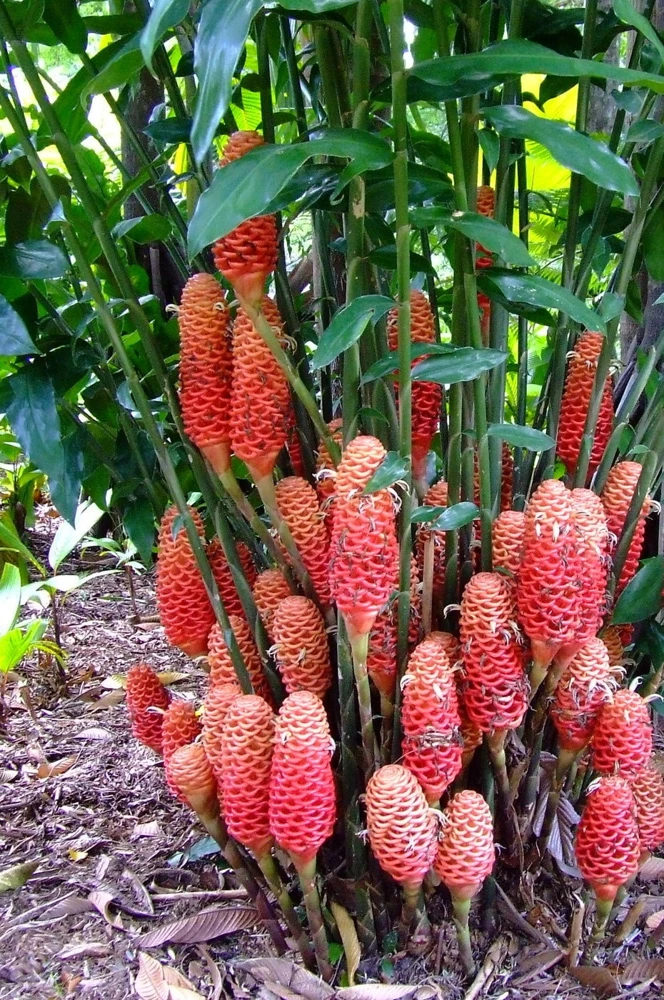
Bring exotic beauty to your garden with this 1 Beehive ginger rhizome. The zingiber spectabile is an easy-to-grow tropical plant known for its unique ‘beehive’ shaped inflorescence and pleasant fragrance. Perfect for adding a touch of the tropics to your outdoor space.
Estimated arrival
Oct 20
Oct 25 - Oct 27
Oct 27 - Nov 01
See our Shipping Policy.
Get in touch with us via email, and our team will review your concerns.
Our Alive & Thrive Guarantee covers issues with your plants within the first 30 days. Read our Refund & Returns Policy.
-
USDA Hardiness Zone
USDA zones 9-11 -
Soil Type
Rich, well-draining, organic soil -
Sunlight Exposure
Partial shade to full sun -
Expected Planting Period
Spring to early summer
Overview
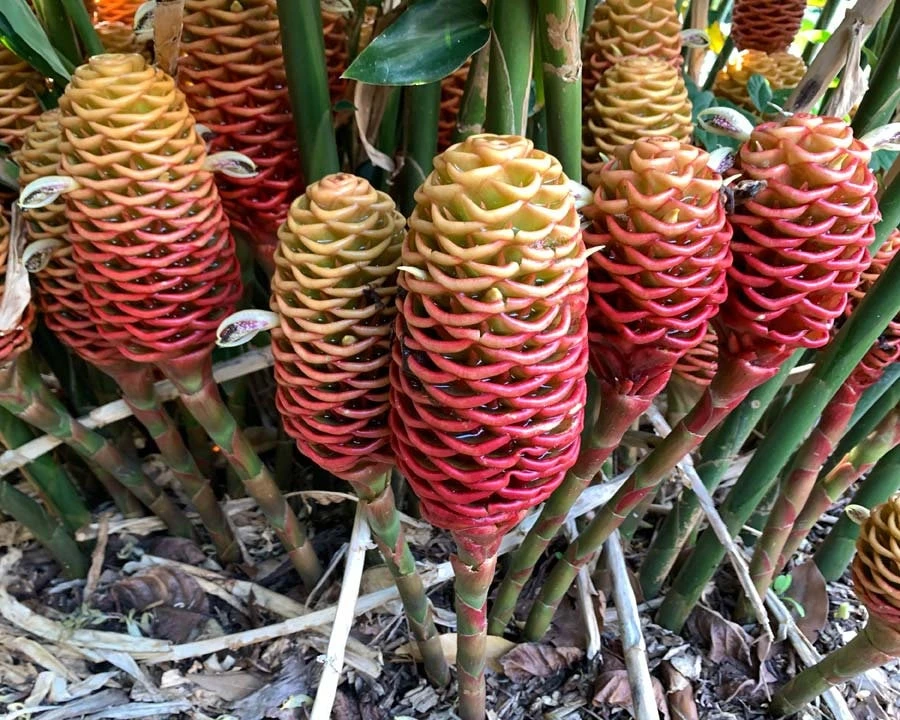
Introduce a truly unique and captivating specimen to your garden with the beehive ginger rhizome. This remarkable plant, scientifically known as Zingiber spectabile, is celebrated for its distinctive inflorescences that resemble golden or reddish beehives. Originating from tropical regions, this exotic flower plant is surprisingly easy to cultivate, making it a favorite among both seasoned gardeners and beginners looking to add a touch of the extraordinary to their landscape. When mature, the ‘beehives’ gradually change color, offering a dynamic visual display over several weeks. This particular offering includes 1 Beehive ginger rhizome, ready to establish and grow into a stunning tropical feature.
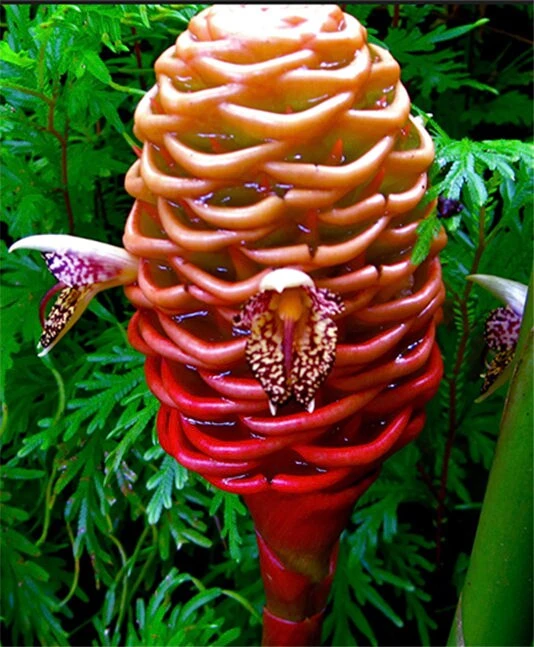
The beehive ginger rhizome produces tall, leafy stalks from which the cone-shaped inflorescences emerge. These ‘beehives’ are not the true flowers but rather modified bracts that encase the small, yellow, true flowers. As they mature, they often develop a waxy sheen and can last for a long time on the plant, providing extended interest. The plant also emits a pleasant, subtle fragrance, enhancing its appeal as an ornamental garden plant. Growing your own tropical ginger plant from a fresh rhizome is a rewarding experience, allowing you to witness its impressive development firsthand.
Key Benefits
Cultivating a beehive ginger rhizome offers a multitude of benefits, transforming your garden into a vibrant, exotic retreat. Its unique form and striking colors make it a focal point in any tropical or subtropical garden setting. Enjoy the following advantages:
- Exotic Visual Appeal: The distinctive ‘beehive’ shaped inflorescences are incredibly eye-catching, providing a unique architectural element and vibrant color to your garden. They transition from green to yellow, orange, and red, creating a stunning display.
- Easy to Grow: Despite its exotic appearance, zingiber spectabile is known for its resilience and ease of cultivation, making it suitable for gardeners of varying skill levels. It thrives with minimal fuss once established.
- Long-Lasting Blooms: The ‘beehive’ inflorescences are remarkably durable and can remain attractive on the plant for several weeks, providing prolonged beauty throughout its blooming season.
- Subtle Fragrance: While not overpowering, the plant emits a pleasant, subtle scent, adding another sensory dimension to your garden experience.
- Versatile Landscaping: Ideal for tropical borders, mass plantings, or as a striking specimen plant. It can also be grown in large containers in cooler climates and brought indoors during winter.
- Attracts Pollinators: The true flowers, though small, can attract beneficial pollinators to your garden, contributing to a healthy ecosystem.
- Unique Cut Flower: The long-lasting ‘beehive’ structures make excellent and unusual cut flowers, bringing a touch of the tropics indoors.
Plant Care & Growing Tips
To ensure your beehive ginger rhizome thrives and produces its spectacular inflorescences, understanding its basic care requirements is crucial. This tropical ginger plant prefers a warm, humid environment, mimicking its native habitat. When planting, choose a location that receives partial shade to full sun. In hotter climates, some afternoon shade is beneficial to prevent leaf scorch, while in cooler zones, more sun can encourage better blooming. Aim for at least 4-6 hours of sunlight daily. Plant the rhizome horizontally, about 1-2 inches deep, with any visible buds or stalks facing upwards.
Watering is key for a healthy zingiber spectabile. Keep the soil consistently moist, especially during the growing season, but avoid waterlogging, which can lead to rhizome rot. Good drainage is paramount. During cooler, dormant periods, reduce watering. The ideal soil is rich in organic matter, well-draining, and slightly acidic to neutral. Amend heavy clay soils with compost or peat moss to improve drainage and fertility. Fertilize every 4-6 weeks during the active growing season with a balanced liquid fertilizer or a slow-release granular fertilizer designed for flowering plants. This will support the robust growth and development of the unique ‘beehives’.
Beehive ginger care also involves protecting it from cold. This tropical plant is sensitive to frost and generally thrives in USDA Hardiness Zones 9-11. In colder zones, it can be grown as an annual or in containers that can be moved indoors during winter. Cut back spent flower stalks and yellowing leaves to encourage new growth. Watch out for common garden pests like spider mites or mealybugs, and treat them promptly with insecticidal soap if observed. Providing adequate humidity, especially indoors, can also help prevent issues. Proper care will reward you with a magnificent exotic flower rhizome that will be the envy of your garden.
Size & Details
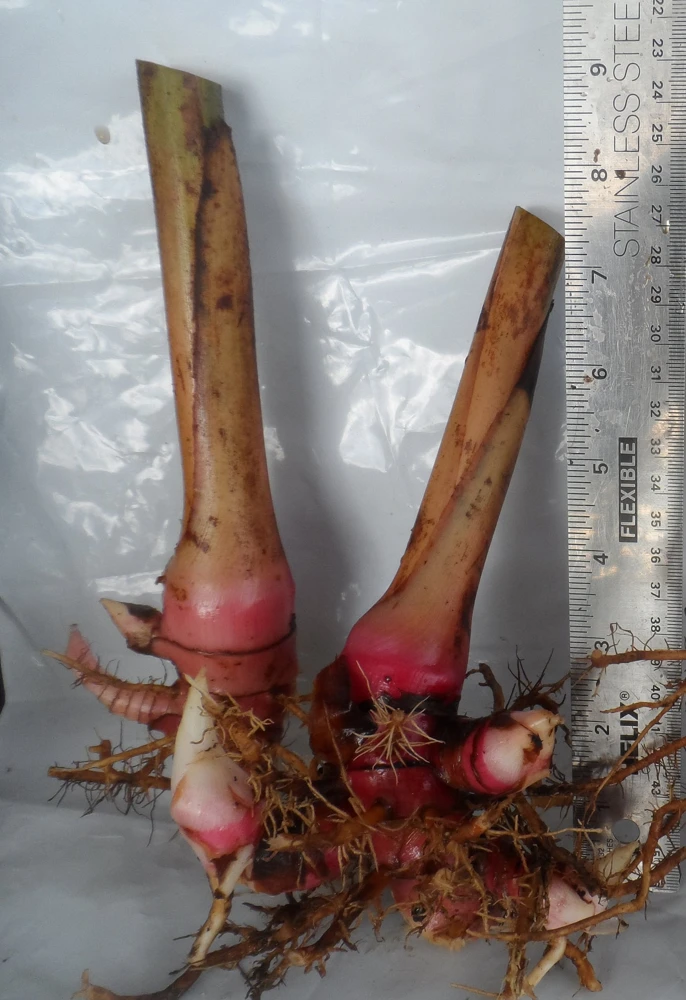
This offering is for 1 Beehive ginger rhizome, which will arrive fresh and ready for planting, often with a partial stalk attached, indicating its viability and readiness to grow. The rhizomes are typically robust and well-developed to ensure a strong start for your new plant. Once established, the tropical ginger plant can reach an impressive height of 4 to 7 feet (1.2 to 2.1 meters) with a spread of 2 to 4 feet (0.6 to 1.2 meters), making it a substantial and impactful presence in the garden. The ‘beehive’ inflorescences themselves can be 6 to 12 inches (15 to 30 cm) tall.
The growth rate of zingiber spectabile is moderate to fast under optimal conditions, with flowering typically occurring in late summer to fall once the plant has matured sufficiently, usually within 1-2 years from planting the rhizome. It ships as a fresh, healthy rhizome, which is the underground stem from which the plant will sprout. This ensures you receive a living, vigorous specimen ready for immediate planting and cultivation, promising a future display of its stunning exotic flower rhizome.
Frequently Asked Questions
- Q: How big does this plant get? A: The beehive ginger rhizome can grow to be quite large, typically reaching heights of 4 to 7 feet (1.2 to 2.1 meters) with a spread of 2 to 4 feet (0.6 to 1.2 meters) when mature. The ‘beehive’ inflorescences themselves can be 6 to 12 inches tall.
- Q: Is this an indoor or outdoor plant? A: This tropical ginger plant is best suited for outdoor cultivation in warm, humid climates (USDA Zones 9-11). In cooler regions, it can be grown in containers and brought indoors during the winter months to protect it from frost.
- Q: How much sunlight does it need? A: Zingiber spectabile thrives in partial shade to full sun. In very hot climates, some afternoon shade is recommended to prevent leaf burn, while in cooler areas, more sun can encourage better blooming. Aim for at least 4-6 hours of sunlight daily.
- Q: Is this plant easy to care for? A: Yes, despite its exotic appearance, beehive ginger care is relatively straightforward. It requires consistently moist, well-draining soil and protection from cold temperatures, making it a good choice for both experienced and novice gardeners.
- Q: What condition will it arrive in? A: You will receive 1 Beehive ginger rhizome that is fresh and healthy, often with a partial stalk attached, indicating its readiness to sprout and grow. It will be carefully packaged to ensure safe arrival.
- Q: How long until it blooms? A: Typically, the exotic flower rhizome will begin to produce its characteristic ‘beehives’ in late summer to fall, usually within 1-2 years after planting, once the plant has established itself and reached maturity.
- Q: Will it survive winter in my zone? A: The beehive ginger rhizome is tropical and sensitive to frost. It will survive winters outdoors only in USDA Hardiness Zones 9-11. In colder zones, it must be protected from freezing temperatures, either by bringing potted plants indoors or digging up and storing the rhizomes.
- Q: What kind of soil does it prefer? A: This plant prefers rich, organic, well-draining soil. Amending your garden soil with compost or other organic matter will provide the best growing conditions for your tropical ginger plant.
- Q: Does the ‘beehive’ have a scent? A: Yes, the beehive ginger rhizome produces a pleasant, subtle fragrance, adding to its allure as an ornamental plant.
- Q: Can I grow this plant in a pot? A: Absolutely! Growing zingiber spectabile in a large container is an excellent option, especially for those in colder climates who wish to move the plant indoors during winter. Ensure the pot has good drainage.
Be the first to review “1 Beehive Ginger Rhizome, Zingiber spectabile, Exotic Tropical Flower”
Related products


You May Like

Hardneck vs. Softneck Garlic: Which Should You Grow?
Have you ever stood in front of a seed catalog in mid-September, staring at dozens [...]
Oct

When to Plant Music Garlic: Ultimate US Fall Guide
Have you ever spent your fall weekend placing carefully chosen garlic cloves into rich, dark [...]
1 Comment
Oct

5 Best Bulbs for Fall Planting: Brighten Your Garden This Spring
Are you dreaming of a garden full of vibrant colors in the spring? The key [...]
Aug

10 Houseplants That Will Thrive in Your Kitchen
Are you tired of your kitchen feeling dull and lifeless? Want to add a little [...]
1 Comment
Aug
Reviews
There are no reviews yet.